
Travelisto destinations
Iceland holidays
Geysers, glaciers, the Northern Lights and the Ring Road around the country — Iceland for nature on a dramatic, accessible scale.
Overview
Welcome to Iceland
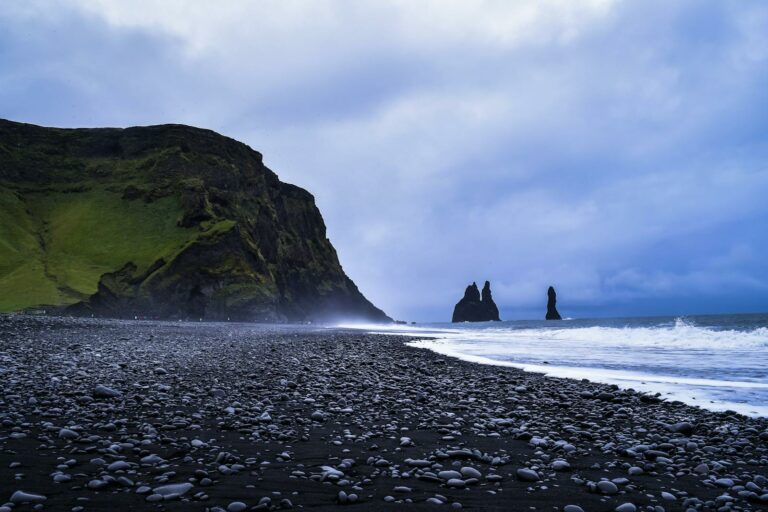
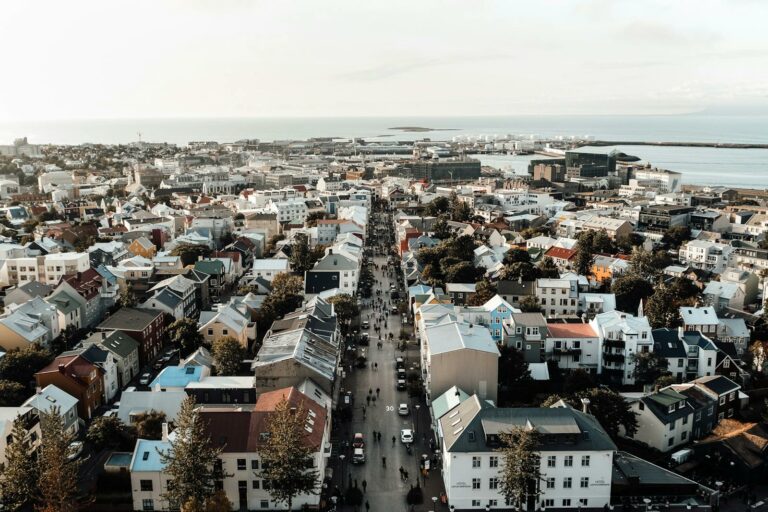
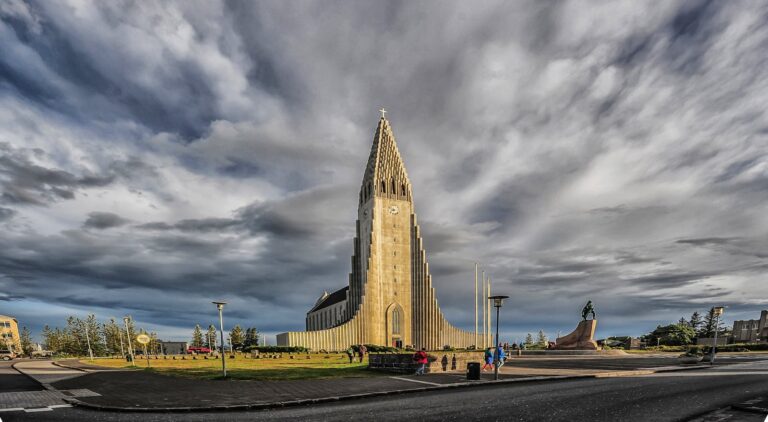
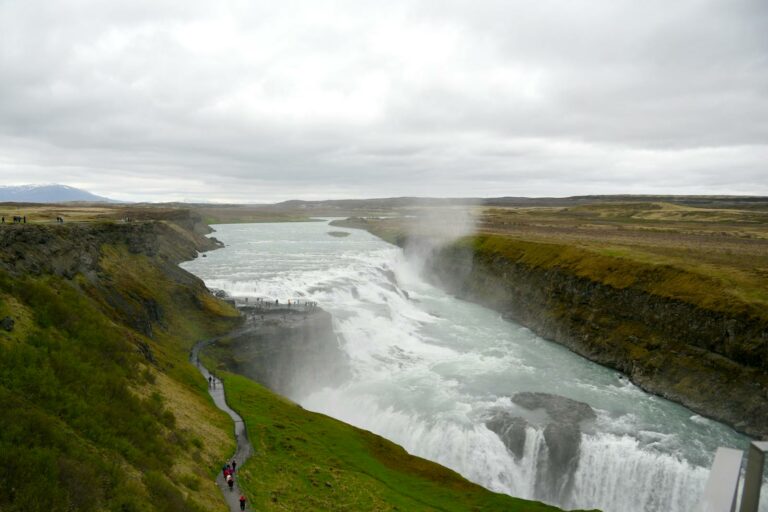
Iceland is the dramatic-landscape capital of the North Atlantic — a country of 376,000 people in an area the size of Tennessee, with the world's highest concentration of waterfalls, geysers, glaciers and volcanoes per square mile. The headline experiences: the Golden Circle (Þingvellir National Park — UNESCO, the rift between the North American and Eurasian tectonic plates, plus the original parliament site; the Geysir geothermal field with Strokkur erupting every 8 minutes; Gullfoss double waterfall); the South Coast (Seljalandsfoss waterfall you can walk behind, the dramatic Skógafoss, the black-sand Reynisfjara beach with basalt columns, the Vatnajökull glacier outlet at Skaftafell, the floating Jökulsárlón iceberg lagoon and the Diamond Beach where icebergs wash up on black sand); the Snæfellsnes Peninsula (often called "Iceland in Miniature" — glacier, beach, volcano, fishing village, Kirkjufell the most-photographed mountain in Iceland); the East Fjords; the geothermal North at Lake Mývatn and Akureyri; and Reykjavik (the world's northernmost capital, with the Hallgrímskirkja church, the harbour-side Harpa concert hall, the Reykjavik Art Museum, and a famously alive bar-and-music scene for a city of 130,000).
A 7-10 day Iceland trip: Reykjavik (2 nights — Hallgrímskirkja, Harpa Concert Hall, the Old Harbour, the Reykjavik Art Museum, dinner at Dill or Matur og Drykkur, the Friday-Saturday nightlife) → Golden Circle (1 night at a Selfoss or Reykholt base — Þingvellir, Geysir, Gullfoss, the Secret Lagoon thermal spa) → South Coast self-drive (3-4 nights — Seljalandsfoss and Skógafoss waterfalls, Reynisfjara black-sand beach, Vík village, Skaftafell glacier hike, Jökulsárlón iceberg lagoon, the Diamond Beach) → optional Snæfellsnes Peninsula (2 nights) or northern circuit including Akureyri and Mývatn (3 nights) for the full Ring Road around the island. Winter trips swap the Snæfellsnes/north for Northern Lights chasing (October-March) and ice-cave tours under Vatnajökull glacier (November-March).
Read more
UK travellers get 90 days visa-free Schengen entry. Iceland uses the Icelandic Krona (ISK) but is one of the most-card-friendly countries in the world (cards work even for buses and parking). Iceland is expensive — restaurant meals at £25-50, mid-range hotels at £150-300, the F-roads (mountain interior gravel) require 4x4 rental. Icelandic is the language; English is universal in tourism. The food: lamb (the national meat — wild and grass-fed, year-round), Arctic char and salmon, skyr (the Icelandic yoghurt that pre-dates Greek yoghurt by 1,000 years), the geothermal-bread (rye baked underground in geothermal heat), the controversial fermented-shark hákarl with brennivín schnapps as the traditional pairing, plus the surprisingly excellent hot-dog (Bæjarins Beztu in Reykjavik).
Best for: landscape-photography travellers (Iceland is one of the world's top-5 photogenic countries), Northern Lights travellers (October-March), waterfall-and-geyser tourists, self-drive adventure travellers (the Ring Road circuit is a classic 7-10 day trip), geological enthusiasts (the country sits on the Mid-Atlantic Ridge with active volcanoes — Fagradalsfjall and Sundhnúkagígar have been erupting since 2021), hot-spring-and-spa travellers (the Blue Lagoon and the new Sky Lagoon are headline; Mývatn Nature Baths in the north is the cheaper-and-quieter alternative).
Often combined with Greenland (1.5 hour flight from Reykjavik), as a long-stopover en-route to or from the US East Coast (Icelandair offers free 7-day stopovers), or as a standalone 7-10 day trip.
Best time
Jun–Aug (summer); Oct–Mar (Aurora)
Flight from UK
~3h direct to Reykjavik
Currency
Icelandic Krona (ISK)
Language
Icelandic, English universal
From the team
Why we love Iceland

Iceland is the country I send people to when they want a 5-day landscape trip and don't want to long-haul to New Zealand for it. The Golden Circle plus South Coast plus Reykjavik in 5-6 days gives you about 70% of what Iceland has at a fraction of the time of the full Ring Road.
My quiet recommendation: do Iceland in winter once for the Northern Lights, and in summer once for the midnight sun. They are genuinely two different countries.
Rossella Rossella, Luxury & Destination Specialist Meet our Travel DesignersMain areas
Where to go in Iceland
4 distinct regions — they pair beautifully two or three at a time.
Reykjavik & the Capital
Reykjavik
Reykjanes Peninsula
Blue Lagoon
Golden Circle
Þingvellir
Geysir
Gullfoss
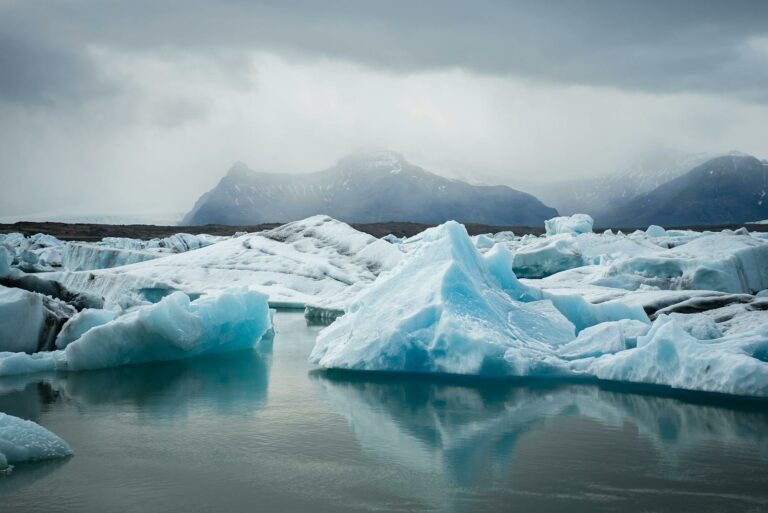
South Coast
Vík
Reynisfjara
Jökulsárlón
Skaftafell
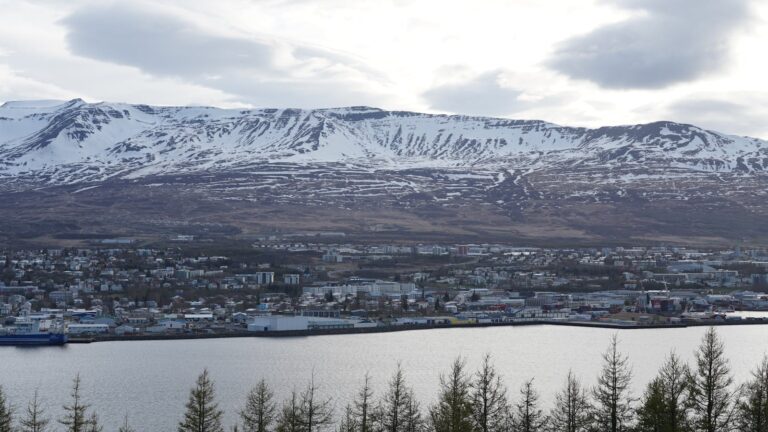
North Iceland
Akureyri
Mývatn
Húsavík
Find your trip
Holiday types in Iceland
Pick a holiday style — or combine two. Each section links straight to the next step.
Coastal & wilderness stays
Iceland's dramatic black-sand coast and wilderness landscape lodges.
City breaks
Iceland's cities reward 2-4 nights each — pair two for a tailor-made multi-centre trip.
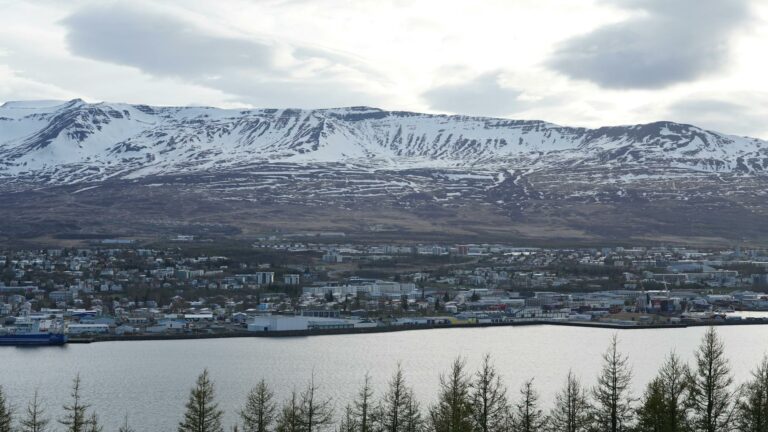
Akureyri
Cruises
Iceland is a major North Atlantic cruise destination. Reykjavik is the main embarkation for circumnavigation cruises around the island and for expedition routes to Greenland and the Norwegian fjords. Many travellers pair a 7-night Iceland cruise with a 3-night pre/post-stay in Reykjavik.
Escorted tours
31 escorted tours through Iceland — guided, customisable, fully ATOL-protected.
Every Travelisto tour runs with a small group (max 16), an English-speaking local leader, and is fully ATOL-protected. Most tours are also bookable as private departures — same itinerary, your party only, your dates.
Tailor-made
Everything you see above is a starting point — we'll shape any of these around how you actually want to travel.
Bespoke Iceland itinerary
Pick your headlines and we design the route, brief private guides, and book the hotels and transfers.
Enquire
Multi-generational Iceland
A pace and accommodation style that suits three generations — connecting suites, slower-paced excursions, kid-friendly highlights.
Enquire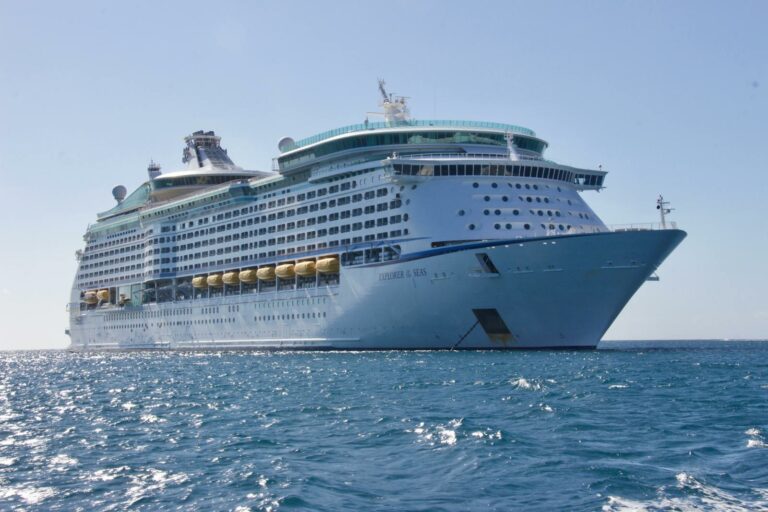
Iceland + cruise
Pair the headlines of Iceland with a 7-night cruise — booked end-to-end with us.
Enquire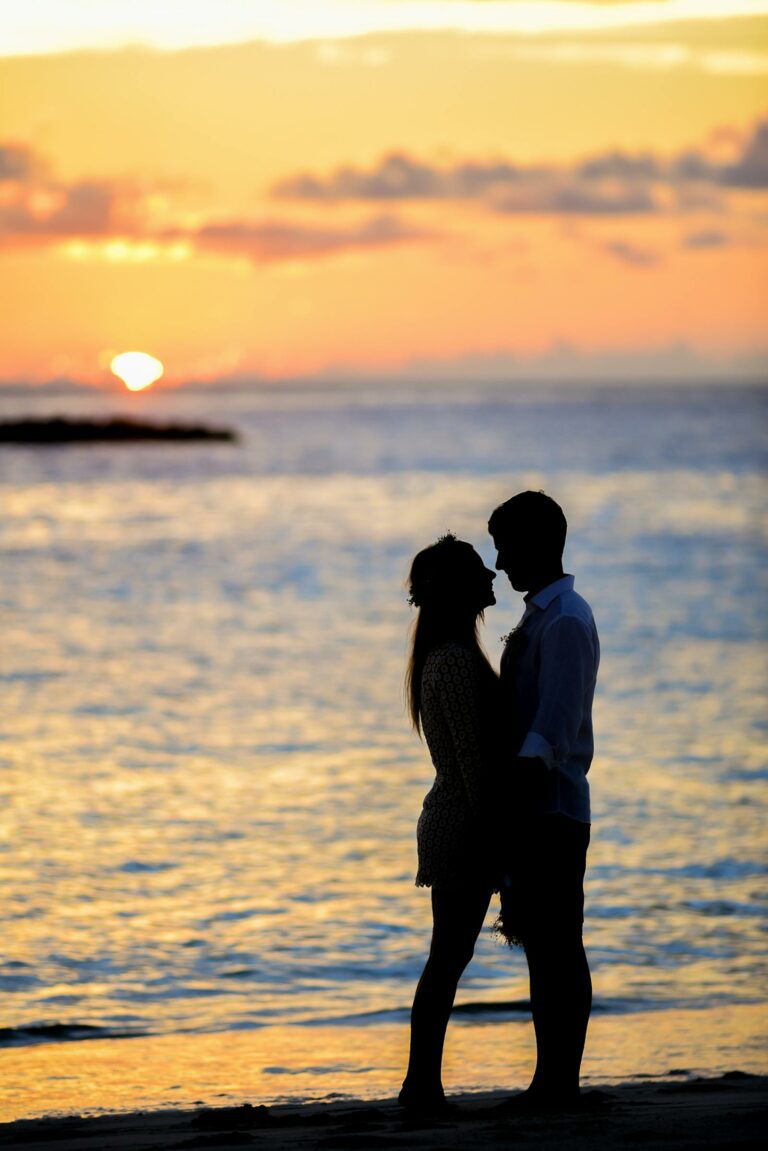
Honeymoon or special celebration
A milestone trip with the romantic flourishes quietly arranged.
EnquirePractical info
Knowing before you go
When to go
Jan
2°
Feb
3°
Mar
4°
Apr
7°
May
10°
Jun
13°
Jul
15°
Aug
14°
Sep
11°
Oct
7°
Nov
4°
Dec
2°
Two distinct seasons. May-September for hiking, puffin-watching, midnight sun (June-July daylight is 21+ hours), and easy driving. September-March for the Northern Lights — best chance in clear, cold nights well away from Reykjavik light pollution. December daylight is only 4-5 hours; January-February are slightly longer but very cold.
Flights & how to get there
Direct flights from major UK airports to Keflavik International — typically 2h 45m, multiple daily. Hire a car for any trip outside Reykjavik — public transport outside the capital is sparse. The Ring Road requires 7-10 days for a full circuit. Drive on the right.
Visa & passport
UK passport holders can stay 90 days in any 180-day period under Schengen rules (Iceland is in Schengen but not the EU). ETIAS from 2026. See GOV.UK Foreign travel advice: Iceland.
Currency & money
The Icelandic Króna (ISK). Iceland is genuinely expensive. Cards universal — Iceland is essentially cashless. Tipping not expected (service is included).
Language & tipping
Icelandic. English is universally spoken — Icelanders learn English from primary school and watch un-dubbed films.
Health & safety
No mandatory vaccinations. EU healthcare reciprocal arrangements apply with UK GHIC. Tap water is among the world's best — never buy bottled. Layer for variable weather year-round.
FAQs
Iceland — your questions
When is the best time to visit Iceland?
June–August for the Ring Road, midnight sun, hiking. October–March for Northern Lights (best September–April). May–June and September are shoulder — quieter, lower prices, mild weather.
Do I need a visa for Iceland?
UK passport holders can stay 90 days in any 180-day period (Schengen). ETIAS required from its launch (expected 2026).
Are the Northern Lights guaranteed?
No — but our 3+ night Aurora itineraries give roughly 70–80% chance of a viewing. We recommend a minimum 4 nights for higher confidence.
Is the Blue Lagoon worth it?
Touristy but yes — easy from the airport. The Sky Lagoon (closer to Reykjavik) is the newer, less-crowded alternative.
Make this trip yours
Plan your Iceland holiday with a Travel Designer
Pick from any of the options on this page or tell us what you have in mind — we'll build it around how you actually like to travel. ATOL protected, flights included, real humans available 9am–7pm.
ATOL protected
100% financially protected in a Trust bank account
PTS 6035
4.7 on Trustpilot