

Travelisto destinations
Spain holidays
From the laid-back beaches of the Canary Islands to the rhythm of Andalusia and the cosmopolitan pull of Barcelona — Spain remade for how you like to travel.
Overview
Welcome to Spain
Few countries pack as much into a single border as Spain. In a fortnight you can move from the volcanic peaks of Tenerife to the Moorish palaces of Granada, from Barcelona's Modernist street life to the silent Galician coast — and find yourself eating extraordinarily well in every one of them.
What makes Spain still feel new to UK travellers, even after decades of package holidays, is how dramatically the country changes between regions. The Spain of Mallorca's coves shares almost nothing with the Spain of San Sebastián's pintxos bars, and that's before you cross the water to the Canaries, where Saharan trade winds keep beach weather running through the British winter. Whether you're after seven nights on a Costa beach, a city break through Andalusia, or a private vineyard tour across Rioja, every itinerary on this page is a starting point — we'll reshape it around how you actually want to travel.
Read more
The seasonal rhythm matters more than most travellers realise. Mainland Spain is at its loveliest in the shoulder months — late April to mid-June and September into October — when the cities are walkable, the costas are warm but not over-run, and dinner outside is still magic. July and August can be punishing inland (Seville, Córdoba and Madrid frequently hit 40°C) but the Canary Islands stay reliably in the low-to-mid 20s year-round, which is why they have become the UK's favourite winter-sun escape from November to March.
Spain's domestic transport is genuinely brilliant. The AVE high-speed rail puts Madrid to Barcelona in 2h30, Madrid to Seville in 2h20, and Madrid to Málaga in 2h35 — all from comfortable, on-time, station-centre departures. We design many of our Spain trips rail-first, with hire cars added only for the wine regions, the Picos mountains, or the quieter coastal pockets. Domestic flights to the Canaries and Balearics are short, frequent and cheap.
Some of our most-booked Spain itineraries pair the country with itself: Madrid plus Andalusia plus Costa del Sol for travellers who want city, culture and beach in one trip; Barcelona plus the Costa Brava for short breaks; northern Spain (San Sebastián, Bilbao, La Rioja) for food-and-wine travellers; the Canary Islands alone for winter sun. Multi-centre Spain works because the country is fundamentally diverse — every region surprises.
For travellers who already know Spain, we steer them away from the obvious. The Picos de Europa for hiking. The Camino de Santiago across the north. The Empordà valley behind the Costa Brava for slow vineyard living. Andalusia's pueblos blancos — Ronda, Arcos de la Frontera, Vejer — for white-village wandering. Galicia for seafood and pilgrimage. These are the Spain trips travellers come home from with one specific story rather than a list.
Spain pairs naturally with Portugal (Madrid–Lisbon AVE in under 4 hours, or a relaxed week-long Lisbon–Porto–Douro extension), Morocco (a quick ferry from Tarifa to Tangier or flights from Málaga), and France (the eastern Pyrenees and Costa Brava are an effortless cross-border combo). Even within Iberia, the cultural and culinary shifts are big enough that "Spain and Portugal" feels like two distinct trips rather than one — which is why we keep building 14-day pairings rather than rushed 7-day overlaps.
Spain's food scene deserves its own paragraph. The country is currently home to more Michelin three-star restaurants per head than France or Italy, with the densest concentrations in San Sebastián and Catalonia. Beyond the high-end, tapas culture remains genuinely democratic — a working-class lunch in Granada might cost €3 for a beer and an unrequested plate of food. We design food-led trips for travellers who want to eat their way through a country: Basque pintxos crawls, La Rioja vineyard lunches, Andalusian sherry-bar circuits in Jerez, and contemporary Catalan kitchens across Barcelona and the Empordà.
The booking calendar Spain runs is unlike most countries we sell. Top hotels in Andalusia and the Balearics fill nine months ahead for July and August; the Canaries fill six months ahead for Christmas, New Year and February half-term. We work with travellers to book 6-12 months ahead for peak dates, and we hold soft-blocks on the most-requested rooms. For shoulder-season travellers — April to June, September into October — eight to twelve weeks of lead time is usually enough, and there is far more flexibility in routing.
Best time
May–Oct (year-round in Canaries)
Flight from UK
2–4½ h from London
Currency
Euro (EUR)
Language
Spanish
From the team
Why we love Spain

Spain is where I keep going back to teach our designers how layered a country can be. In the same week I can put one couple on a Moorish-architecture walk through Córdoba and another on a private wine-pairing in Rioja, and both come home swearing they've found their favourite place on earth.
My quiet recommendation: don't cram. Pick two or three contrasting pockets — a city, a coast, a vineyard — and let each breathe for three or four nights. That's when Spain shows you what it really is.
Rossella Rossella, Luxury & Destination Specialist Meet our Travel DesignersMain areas
Where to go in Spain
9 distinct regions — they pair beautifully two or three at a time.

Canary Islands
Tenerife
Gran Canaria
Lanzarote
Fuerteventura
317 hotels
From £349 pp
Explore Canary Islands
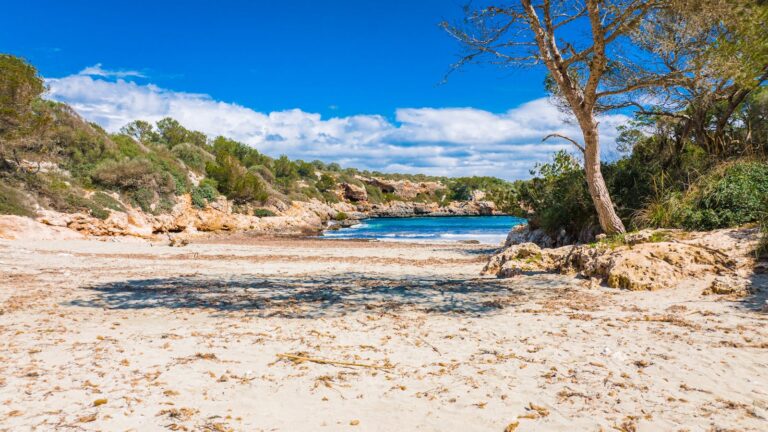

Costa del Sol
Marbella
Estepona
Málaga
Torremolinos
From £299 pp

Costa Blanca
Benidorm
Alicante
Calpe
Jávea
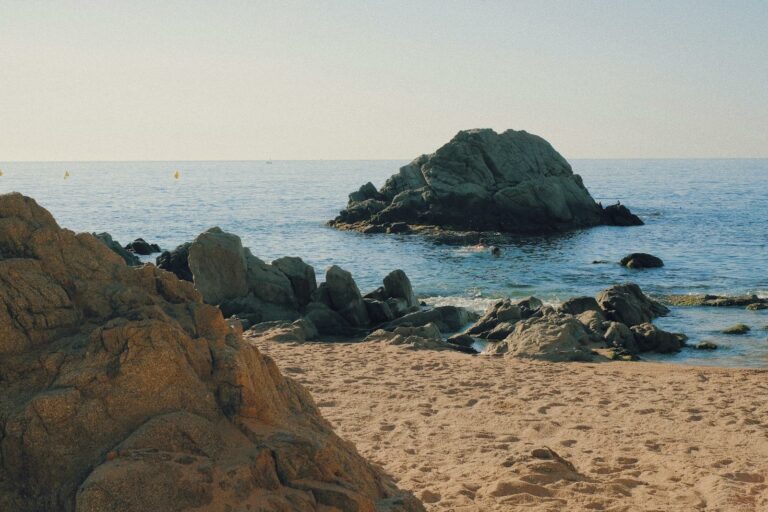
Costa Brava
Lloret de Mar
Tossa de Mar
Cadaqués

Andalusia
Seville
Granada
Córdoba
Ronda

Barcelona & Catalonia
Barcelona
Costa Brava
Pyrenees
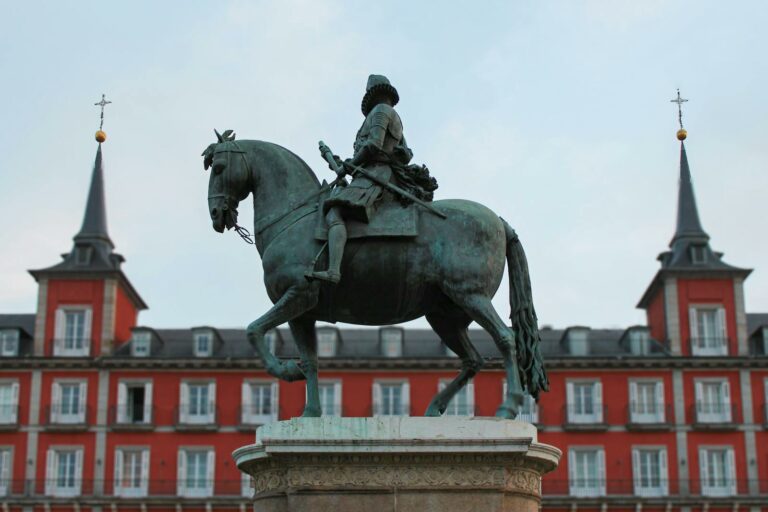
Madrid & Central Spain
Madrid
Toledo
Segovia
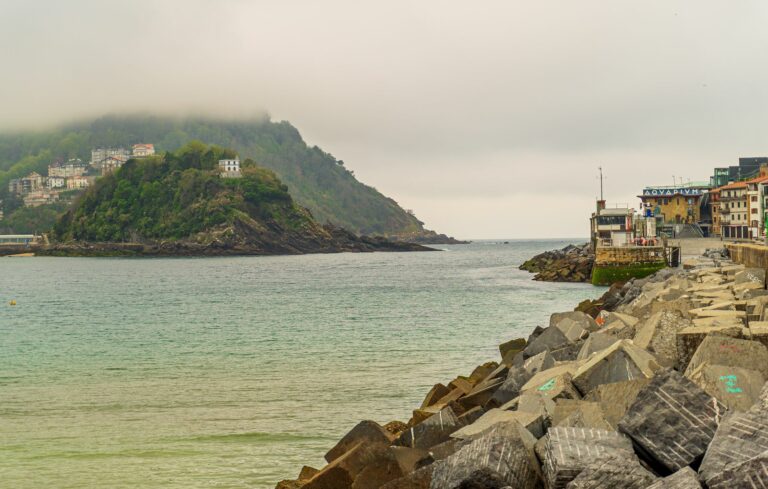
Northern Spain
San Sebastián
Bilbao
La Rioja
Galicia
Find your trip
Holiday types in Spain
Pick a holiday style — or combine two. Each section links straight to the next step.
Beach holidays
Hand-picked Spanish hotels — Mediterranean, Atlantic and Canary Islands.

Melia Lebreros
Spain
See hotel →
SO Sotogrande Spa & Golf Resort Hotel
Spain
See hotel →
Hipotels Barrosa Palace & Spa
Spain
See hotel →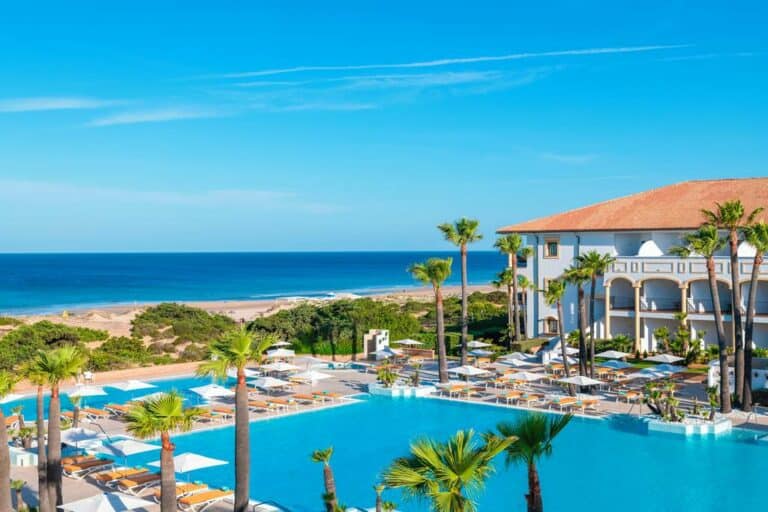
Iberostar Selection Andalucia Playa
Spain
See hotel →
Gran Melia Colon
Spain
See hotel →
Hotel RH Royal
Spain
See hotel →
H10 Montcada Boutique Hotel
Spain
See hotel →
Elba Estepona Gran Hotel & Thalasso Spa
Spain
See hotel →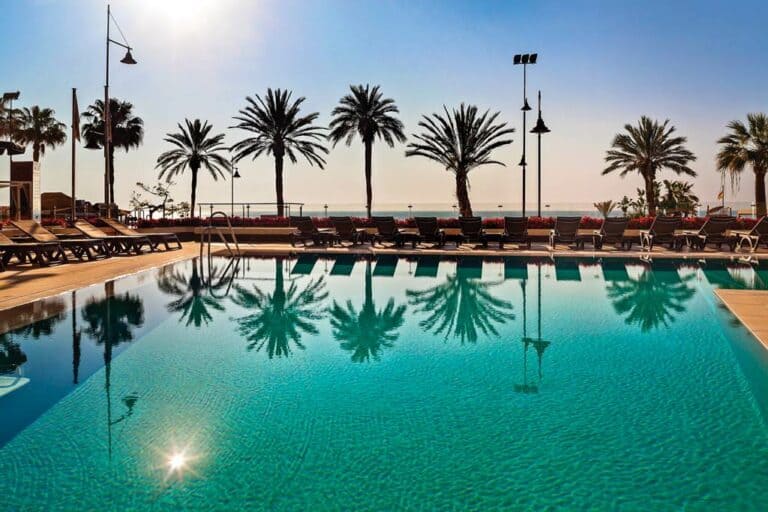
Melia Costa Del Sol
Spain
See hotel →City breaks
Spain's cities reward 2-4 nights each — pair two for a tailor-made multi-centre trip.
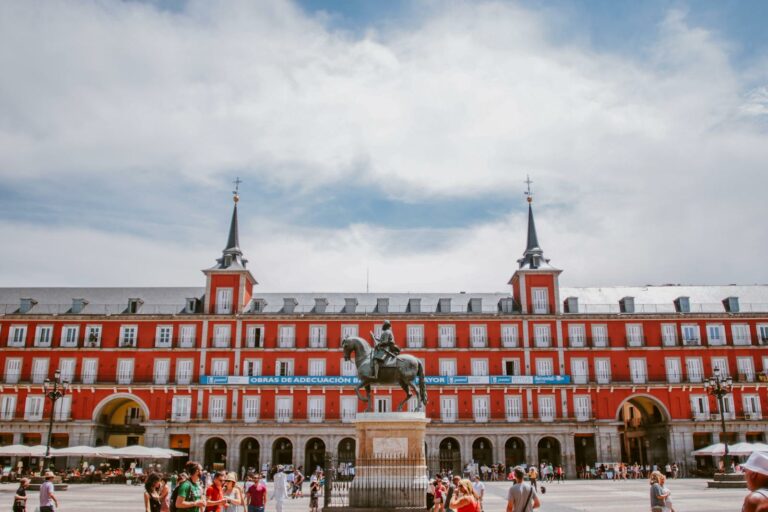
Madrid

Seville

Granada

Valencia
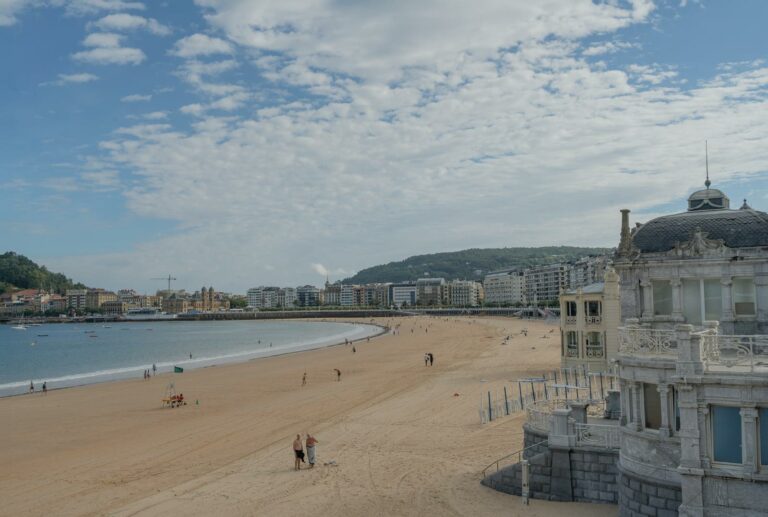
San Sebastián
Cruises
Spain is one of Europe's busiest cruise gateways. Barcelona, Málaga, Palma de Mallorca, Cádiz and Valencia all host major Mediterranean departures, and many travellers pair a 7-night cruise with a pre- or post-stay in Andalusia, the Costa del Sol or the Balearics.
Escorted tours
139 escorted tours through Spain — guided, customisable, fully ATOL-protected.
Every Travelisto tour runs with a small group (max 16), an English-speaking local leader, and is fully ATOL-protected. Most tours are also bookable as private departures — same itinerary, your party only, your dates.
Tailor-made
Everything you see above is a starting point — we'll shape any of these around how you actually want to travel.
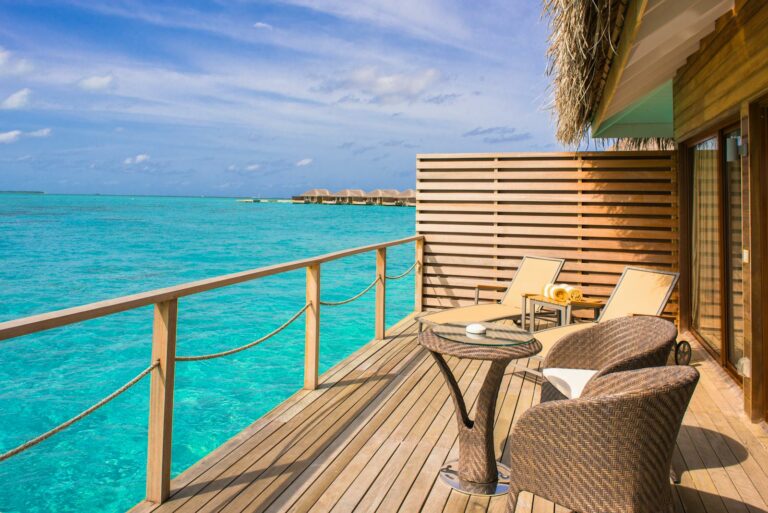
Bespoke Spain itinerary
Pick your cities, beaches and vineyards. We design the route, book the AVE trains, and brief private guides.
Enquire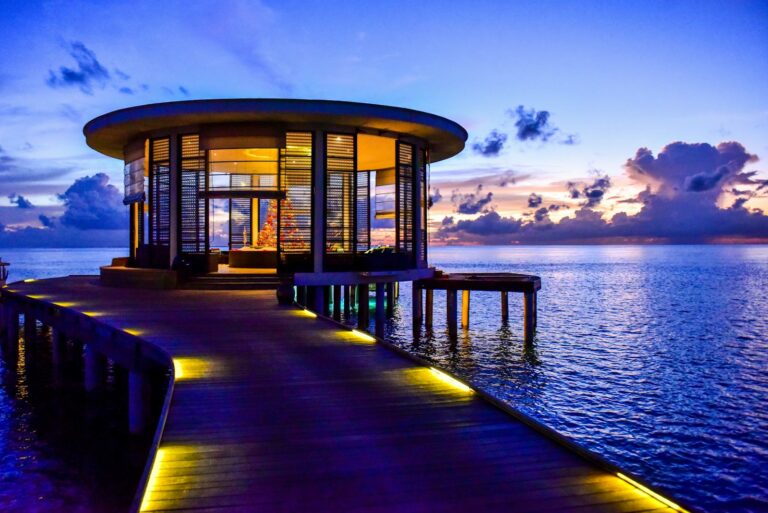
Multi-generational villa
Mallorca or Costa del Sol private villas with chef and butler, adjoining suites for grandparents, kids' club nearby.
Enquire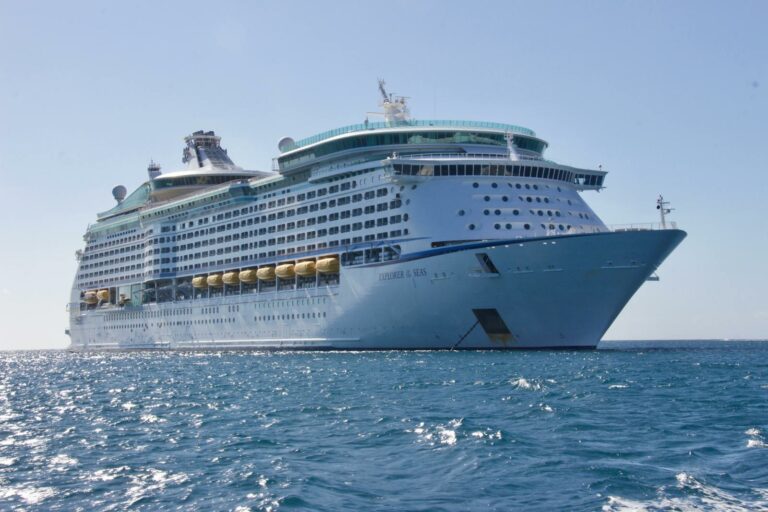
Cruise + city + coast
Combine a Mediterranean cruise from Barcelona or Málaga with land stays in Andalusia or the Balearics.
Enquire
Honeymoon or special celebration
Cliffside suite in Mallorca, a private flamenco evening in Seville, vineyard sunset in Rioja. Quietly arranged.
EnquirePractical info
Knowing before you go
When to go
Jan
11°
Feb
13°
Mar
16°
Apr
18°
May
22°
Jun
27°
Jul
31°
Aug
31°
Sep
27°
Oct
22°
Nov
16°
Dec
12°
April-June and September-October are the prime windows — warm, dry, lower crowds than peak summer. July-August is high-season for the coast (Costa Brava, Balearics, Canary Islands hold their weather year-round). Winter is the best time for southern Andalusia city breaks and the Canary Islands.
Flights & how to get there
Flights from UK to Spain — direct from every UK airport to Madrid, Barcelona, Málaga, Alicante, Valencia, Bilbao, Seville, Palma, Ibiza, Tenerife, Gran Canaria, Lanzarote, Fuerteventura. Flights from ~£40-200 return. Eurostar + onward TGV via Paris is the rail option (~12h London-Barcelona).
Visa & passport
UK passport holders can stay 90 days in any 180-day period under the Schengen rules. Passport must be valid 3 months past departure. For up-to-date entry requirements and safety info, check the UK FCDO travel advice for Spain.
Currency & money
The Euro (EUR). Cards accepted nearly everywhere; carry small change for tapas bars and taxis. Tipping 5-10% in restaurants, round-up for taxis.
Language & tipping
Spanish (Castilian) is official; English widely spoken in tourist areas. Catalan in Barcelona/Balearics, Basque in San Sebastián, Galician in north-west.
Health & safety
UK Global Health Insurance Card (GHIC) covers state-provided healthcare. Buy comprehensive travel insurance for private clinics, repatriation and trip cover. Tap water safe.
FAQs
Spain — your questions
When is the best time to visit Spain?
For mainland Spain, May–June and September–October offer the best balance of warm weather, long days and manageable crowds. Peak summer (July–August) is reliably hot but busy and pricey. The Canary Islands stay between 20–28°C year-round, making them ideal for November–March winter sun.
Is Spain suitable for a family holiday?
Yes — Spain is one of the most family-friendly destinations in Europe. The Costa Blanca, Costa del Sol and Mallorca have huge concentrations of all-inclusive family resorts with kids' clubs, water parks and short transfers from the airport. The Canary Islands add winter-sun reliability for half-term breaks.
Which Spanish destination is best for beaches?
For sheer beach volume, the Costa Blanca and Costa del Sol lead, with the widest range of resorts and easy flights from regional UK airports. For dramatic coastline, the Balearics offer turquoise coves; the Canary Islands have black-sand volcanic beaches plus warmer winter water than mainland Spain.
How long is the flight to Spain from the UK?
About 2–2½ hours to mainland Spain (Madrid, Barcelona, Málaga, Alicante, Palma), and 4–4½ hours to the Canary Islands. Most UK airports — including London, Manchester, Birmingham, Edinburgh, Glasgow — fly direct.
Do I need a visa for Spain after Brexit?
UK passport holders can visit Spain for up to 90 days in any 180-day period without a visa. From the date ETIAS launches (expected 2026), you'll need to apply online for a €7 travel authorisation valid for three years. Your passport must be valid for at least 3 months beyond your planned departure from the Schengen area. For the official, current entry rules check the UK FCDO travel advice for Spain, and sign up for free travel alerts at Travel Aware before you go.
Do I need travel insurance for Spain?
Yes — strongly recommended. While a UK GHIC card gives you access to state healthcare in Spain on the same terms as locals, it doesn't cover everything: private hospital fees, repatriation, cancellation, or lost baggage. We recommend buying comprehensive travel insurance through Travelisto before you travel. The FCDO health advice for Spain is at GOV.UK.
Can I combine a city break and a beach holiday in Spain?
Easily — and we recommend it. Barcelona pairs naturally with the Costa Brava (1 hr by train); Málaga and Seville with the Costa del Sol; Madrid with Andalusia via the AVE high-speed rail. Multi-centre Spain holidays are one of our most-booked tailor-made formats.
Is Spain expensive?
Spain offers excellent value compared to most of Western Europe. A three-course meal with wine sits around €20–30 outside the most touristy spots; a glass of wine €3–5. Hotels and flights peak in July–August and Christmas; book May, June or September for the best price-to-weather balance.
What's the best way to get around Spain?
For city-to-city, the AVE high-speed rail is faster than flying door-to-door and links Madrid, Barcelona, Seville, Málaga and Valencia in under 3 hours. For coastal Spain, car hire is practical (and necessary to reach the better Andalusian pueblos blancos). For the islands, fly between them or take ferries within the Balearics and Canaries.
Make this trip yours
Plan your Spain holiday with a Travel Designer
Pick from any of the options on this page or tell us what you have in mind — we'll build it around how you actually like to travel. ATOL protected, flights included, real humans available 9am–7pm.
ATOL protected
100% financially protected in a Trust bank account
PTS 6035
4.7 on Trustpilot