
Travelisto destinations
Algeria holidays
Roman coastline, Saharan dunes and a coast few UK travellers know — Algeria for slow, curious itineraries.
Overview
Welcome to Algeria
Algeria is Africa's largest country (2.4 million sq km, four times the size of France) and one of its least-visited — a vast Mediterranean-meets-Sahara nation that combines French-colonial coastal cities, Roman ruins to rival anywhere in Italy, Saharan rock-art regions with 8,000 years of human history, the M'zab Valley's walled trader towns, and a Berber-Arab-French cultural blend that distinguishes Algeria sharply from Morocco or Tunisia. The headline experiences: Algiers (the capital with the white-and-blue UNESCO Casbah cascading down to the Mediterranean, the Notre Dame d'Afrique basilica, the Bay of Algiers with its grand colonial-era facades — Algiers White was the city's nickname for its limestone buildings); the Roman cities of Timgad and Djemila (both UNESCO, often called North Africa's Pompeii — the 1st-2nd century AD city Timgad survives almost intact with its theatre, forum, baths, and the famous Trajan's Arch — one of the best-preserved Roman provincial cities anywhere); the Saharan south at Tamanrasset, Djanet, and the Tassili n'Ajjer rock-art region (UNESCO, 8,000-year-old rock paintings showing a green Sahara when the region was savanna with elephants, giraffes and hippos); the M'zab Valley's five walled towns at Ghardaïa (UNESCO, the Ibadi Mozabite culture preserved since the 11th century with strict religious-social codes); and the dramatic mountain city of Constantine (built on a 200m-high rock split by the Rhumel Gorge, with multiple historic bridges connecting the city sides — the "City of Bridges").
Most Algeria trips run 10-14 days and require advance arrangement with a local operator (the Saharan south requires permits and 4x4 support; English-language tour guides are limited; the Saharan-camp logistics are not solo-traveller-friendly). The classic circuit: Algiers (2-3 nights — Casbah walking tour, Bardo Museum, Notre Dame d'Afrique, the Bay viewpoint at the Monument of the Martyrs Maqam Echahid, dinner at Le Cintra or El Riad for traditional Algerian) → drive east to the Roman ruins: first Tipasa on the coast 70km west of Algiers (UNESCO, the Phoenician-Roman ruins on the Mediterranean), then onward to Constantine (1-2 nights — the dramatic city, the suspension bridges, Souika souq, the Ahmed Bey Palace), Djemila (1-2 nights nearby — the Roman UNESCO city with the Christian basilicas and the Caracalla Arch), Timgad (1 night — the most-preserved Roman city, the grid plan still readable, the theatre intact, the forum and triumphal arch), Setif and Batna en route → return west and fly to Ghardaïa for the M'zab Valley (2 nights — Ghardaïa itself, the four sister towns Beni Isguen, Bou Noura, El Atteuf, Melika, the daily afternoon market, the Mozabite culture and Ibadi mosque architecture) → optional fly south to Tamanrasset or Djanet (3-4 nights — the Hoggar Mountains around Tamanrasset (the surreal volcanic-rock landscapes, the Assekrem viewpoint where Charles de Foucauld lived as a hermit 1905-1916, the Tuareg cultural visits), or the Tassili n'Ajjer at Djanet (the rock-art region requires a 4-7 day camel-or-4x4 expedition with overnight Bedouin camps).
Read more
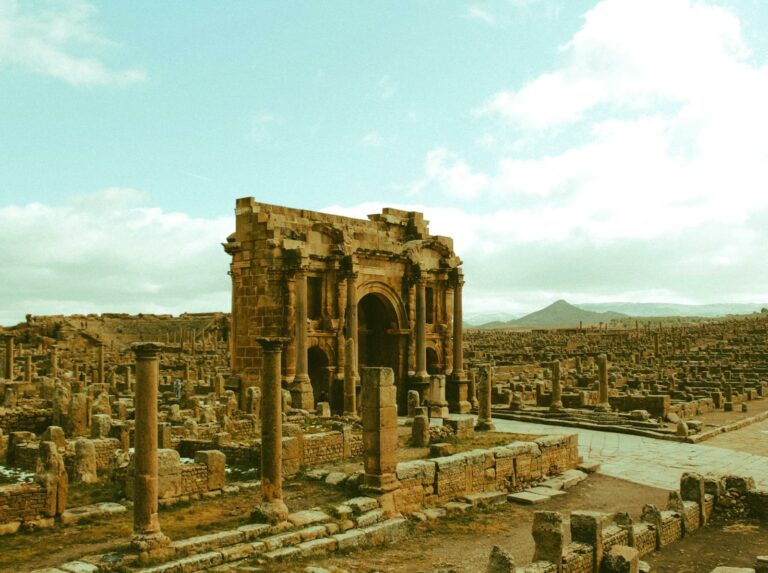
The Roman sites of eastern Algeria are genuinely among the world's most-impressive Roman archaeology — and the most-empty. Timgad (originally Thamugadi, founded 100 AD by Emperor Trajan as a military colony) has been called North Africa's Pompeii because of its near-total preservation — the grid street plan, the theatre that could hold 4,000, the forum with the surrounding administrative buildings, Trajan's Arch, the Capitoline Temple to Jupiter-Juno-Minerva, the multiple bath complexes, and the public latrines. The site has UNESCO listing since 1982. The companion site Djemila (Cuicul) is set in a dramatic high-altitude (900m) mountain location, with the Christian basilica complex from the 4th-century Constantine-era addition, the Caracalla Triumphal Arch, and exceptional carved-stone reliefs preserved in the on-site museum. Both sites typically have under 50 visitors at peak times.
The Saharan south is the country's most-distinctive trip and requires serious commitment. The Tassili n'Ajjer plateau (UNESCO, "the Roof of the Sahara") covers 72,000 sq km in southeastern Algeria with hundreds of rock-art panels dating from 8,000 BC onwards — extraordinary scenes of the "green Sahara" period when the region was savanna with elephants, giraffes, hippos, and the cattle-herding pastoral societies. The art is divided into stylistic periods: the Round Head period (8,000-6,000 BC, surreal figures often interpreted as shamanic), the Bovidian period (5,500-2,000 BC, the cattle-herding scenes), the Horse period (1,500 BC onwards), and the Camel period (1,000 AD onwards as the Sahara dried). Access requires a 4-7 day camel-and-4x4 expedition from Djanet with a local Tuareg operator — accommodations are camps in the dunes and rock formations.
The M'zab Valley is a quiet cultural surprise. The five walled towns of the M'zab — Ghardaïa, Beni Isguen, Bou Noura, El Atteuf, Melika — were founded in the 10th-11th centuries by the Ibadi Mozabite community fleeing religious persecution. The Ibadi sect of Islam (one of the earliest Islamic sectarian divisions) has strict modesty codes, traditional crafts (carpet weaving in geometric patterns specific to the M'zab, gold and silver jewellery), and social organisation (the towns have separate quarters for residents and outsiders — Beni Isguen still has an entry-permit system for non-Mozabite visitors). The afternoon market in Ghardaïa is genuinely remarkable — local women in white-and-grey wraps tightly cover all but one eye in public, while men wear traditional white shaped robes; the architecture is angular flat-roofed white-walled buildings climbing up the valley sides; the central mosque in Beni Isguen is the cultural-spiritual heart. The architectural influence on Le Corbusier (who visited the M'zab in 1932 and credited it as transformative for his work) is widely studied.
UK travellers need a visa applied at the Algerian embassy in London 4-6 weeks before travel ($50 + £25 admin, requires invitation letter from the local Algerian operator for tourist visas). Algeria uses the Dinar (DZD) — currency exchange is limited to banks and certain hotels; informal exchange offers significantly better rates. Arabic and Berber/Tamazight are official; French is the working language of business, hospitality, and educated Algerians; English is rare outside Algiers upscale tourism and the international hotels. The food: couscous (the Friday national dish), méchoui (whole roasted lamb at celebrations), shorba (the spiced soup eaten during Ramadan, common year-round), brik pastries (Algeria shares the Tunisian-Maltese filo tradition), the Mediterranean coastal seafood, mint tea-with-pine-nuts at every gathering, and excellent dates from the Saharan oasis regions.
Best for: experienced North Africa travellers who have already done Morocco and Tunisia, Roman-archaeology travellers (Timgad and Djemila are exceptional), Saharan-expedition adventure travellers (the Tassili rock art is genuinely once-in-a-lifetime), French-and-colonial-history travellers, photographers drawn to Saharan landscapes and the M'zab architecture. Not for first-time North Africa travellers, those needing English-language ease, or families with young children — the south is logistically demanding and the country's overall tourism infrastructure is decades behind Morocco's. October-April is the prime window; May-September brings 40°C+ across the country with the Saharan south essentially closed to tourism.
From the team
Why we love Algeria

Algeria is the under-the-radar North African trip — Roman ruins to rival Italy, Mediterranean coast to rival Tunisia, and Saharan rock art that few travellers see.
Rossella Rossella, Luxury & Destination Specialist Meet our Travel DesignersMain areas
Where to go in Algeria
3 distinct regions — they pair beautifully two or three at a time.
Algiers & North
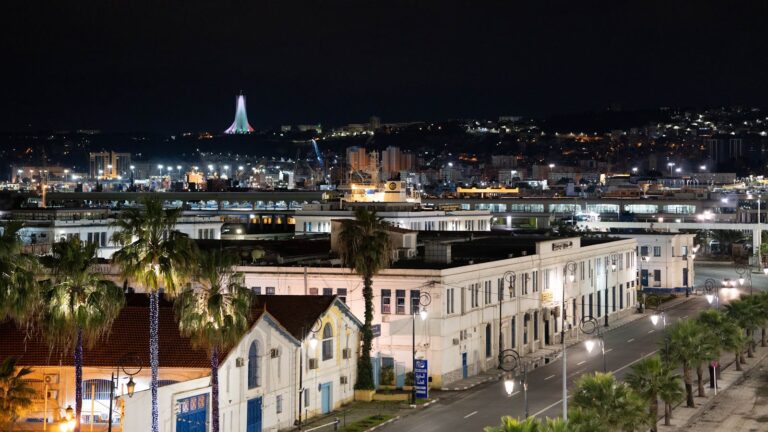
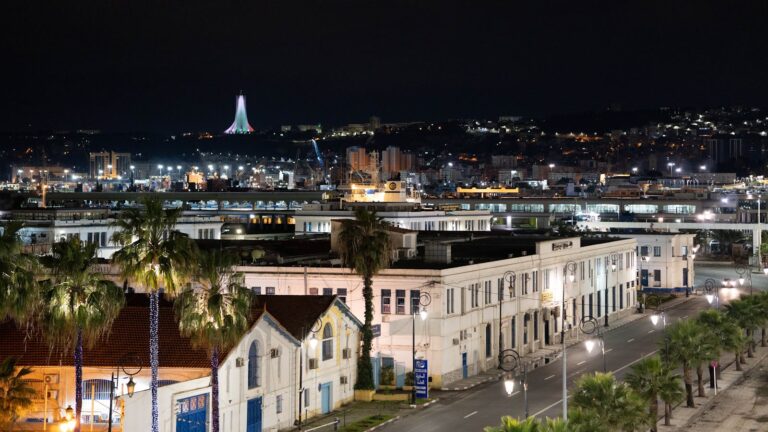
Algiers
Tipaza
Annaba
Roman Sites — Timgad & Djemila
Timgad
Djemila
Constantine
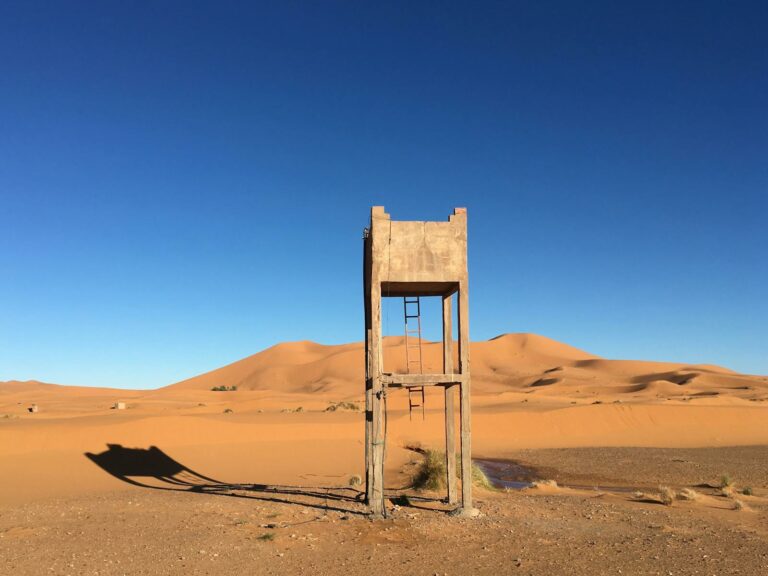
Sahara — Tassili & M'zab
Tamanrasset
Djanet
Ghardaïa
Find your trip
Holiday types in Algeria
Pick a holiday style — or combine two. Each section links straight to the next step.
Beach holidays
Beach destinations grouped by resort area — pick the cluster that matches your pace.
City breaks
Algeria's cities reward 2-4 nights each — pair two for a tailor-made multi-centre trip.
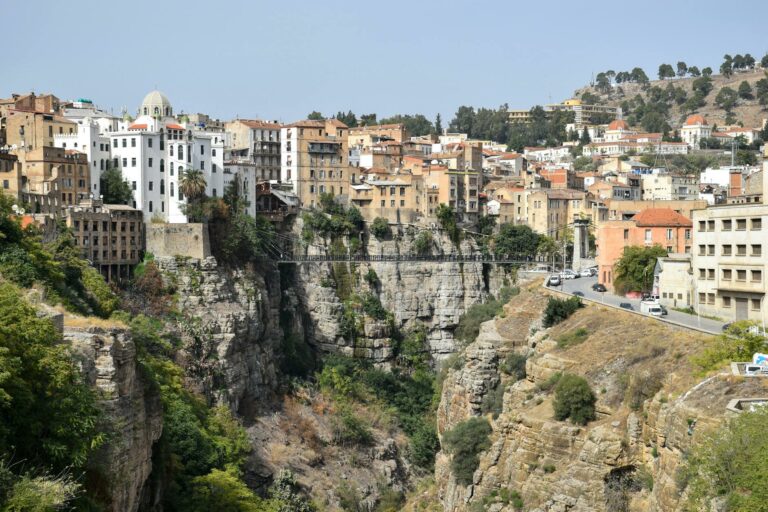
Constantine
Cruises
Algeria cruise itineraries and Indian Ocean / Atlantic routes available.
Escorted tours
3 escorted tours through Algeria — guided, customisable, fully ATOL-protected.
Every Travelisto tour runs with a small group (max 16), an English-speaking local leader, and is fully ATOL-protected.
Tailor-made
Everything you see above is a starting point — we'll shape any of these around how you actually want to travel.
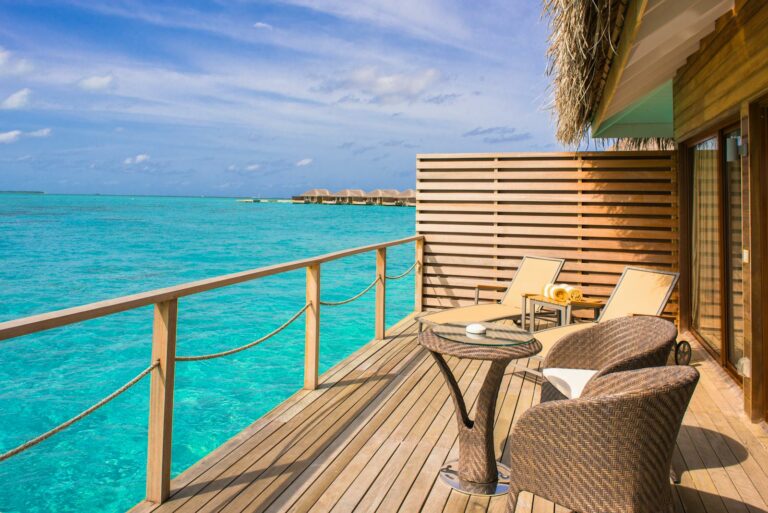
Bespoke Algeria itinerary
Pick your headlines; we design the route, brief private guides, and book hotels.
Enquire
Multi-generational Algeria
A pace that suits three generations.
Enquire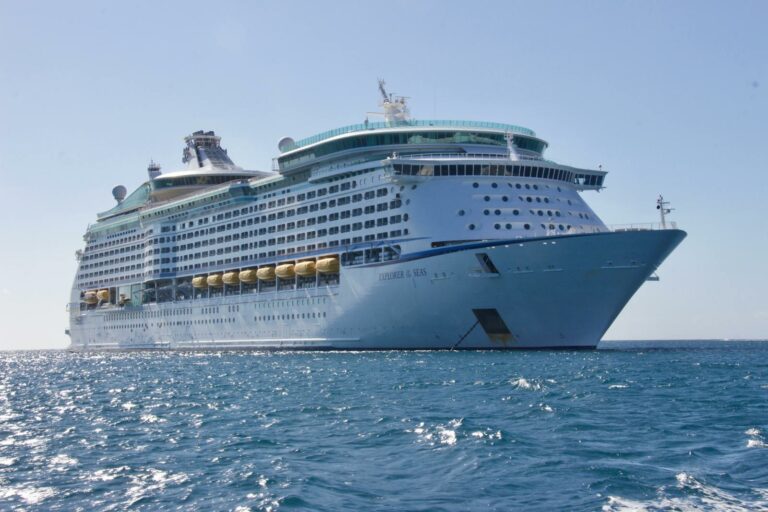
Algeria + cruise
Pair Algeria with a cruise — booked end-to-end.
Enquire
Honeymoon or special celebration
A milestone trip quietly arranged.
EnquirePractical info
Knowing before you go
When to go
Jan
16°
Feb
17°
Mar
19°
Apr
21°
May
24°
Jun
28°
Jul
32°
Aug
32°
Sep
29°
Oct
25°
Nov
20°
Dec
17°
October-May is the prime season. June-September can be hot.
Flights & how to get there
Flights from UK to Algeria — ~3h to Algiers.
Visa & passport
UK passport holders need a tourist visa, arranged via the Algerian embassy. For up-to-date entry requirements and safety advice, check the UK FCDO travel advice for Algeria.
Currency & money
The Algerian Dinar (DZD). Cards in cities; cash for rural. 10% tip standard.
Language & tipping
Arabic, Berber, French.
Health & safety
Consult your GP 6 weeks before travel. Yellow fever often required for African travel; malaria prophylaxis for many regions. Buy comprehensive travel insurance.
Make this trip yours
Plan your Algeria holiday with a Travel Designer
Pick from any of the options on this page or tell us what you have in mind — we'll build it around how you actually like to travel. ATOL protected, flights included, real humans available 9am–7pm.
ATOL protected
100% financially protected in a Trust bank account
PTS 6035
4.7 on Trustpilot