
Travelisto destinations
Austria holidays
Vienna's imperial palaces, Salzburg's old town, Tirol Alps hiking and Christmas markets across the country — Austria with European Christmas magic.
Overview
Welcome to Austria
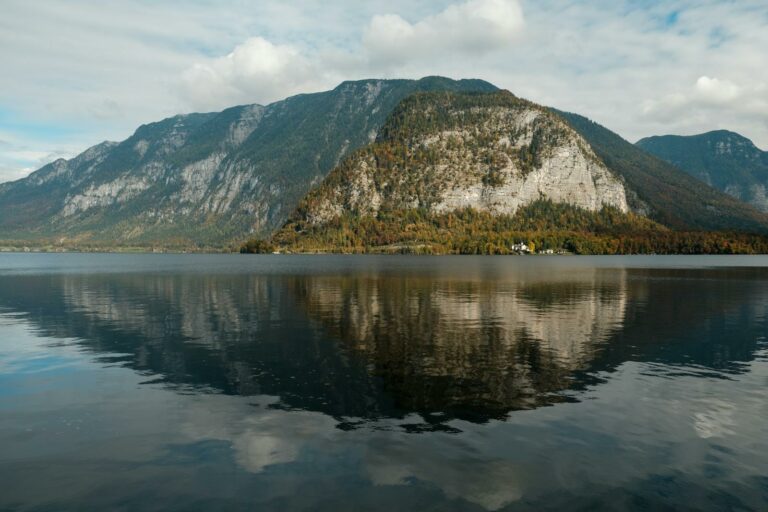
Austria is Central Europe's cultural heavyweight — Vienna's imperial Habsburg architecture and three centuries of classical music (Mozart, Beethoven, Schubert, Haydn, Brahms, Mahler all worked and lived here, and the Vienna Philharmonic's New Year Concert at the Musikverein is broadcast globally each January); Salzburg's UNESCO Old Town with Mozart's birth house, the Hohensalzburg Fortress, the Sound of Music filming locations (the Mirabell Gardens, Leopoldskron Palace lake, Mondsee Wedding Church), and one of Europe's best music festivals (the Salzburg Festival each July-August); the Alpine ski-and-summer-hike country of Tyrol (Innsbruck the regional capital, Lech-Zürs and St Anton ski resorts world-class); the lakes-and-mountains Salzkammergut region around Hallstatt (the UNESCO village reflected in the lake is the world's most-photographed Austrian image); the Wachau Valley wine country along the Danube; and Graz the second city with the largest preserved Old Town in Central Europe.
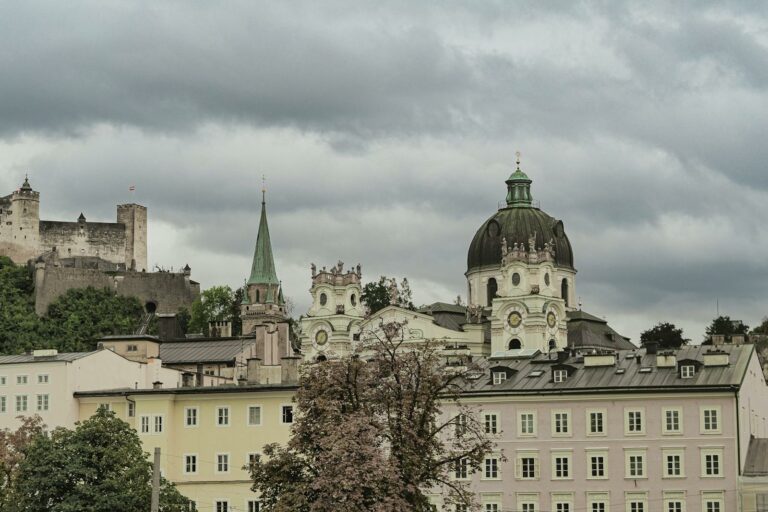
A 7-10 day Austria trip: Vienna (4-5 nights — Schönbrunn Palace and its gardens, Hofburg Palace complex, St Stephen's Cathedral, Belvedere Palace for the Klimt collection including The Kiss, the Naschmarkt for casual food, an evening at the Vienna State Opera or Musikverein, the coffee-house culture at Café Central, Café Sacher for the Sachertorte, the Albertina art museum, optional day-trip to the Wachau Valley for wine tasting at Krems and Dürnstein) → train south to Salzburg (2-3 nights — Mozart's birthplace at Getreidegasse 9, Mozart Wohnhaus, Mirabell Gardens, Hohensalzburg Fortress for the city panorama, Sound of Music locations tour, dinner at St Peter Stiftskeller — Europe's oldest restaurant, dating to 803 AD, mentioned in Charlemagne's records) → optional Hallstatt and the Salzkammergut (1-2 nights — the lakeside village, the Hallstatt salt mine, Lake Wolfgang, Bad Ischl, the Dachstein ice caves) → optional Innsbruck and Tyrol (2 nights — the Goldenes Dachl, Imperial Palace, day-trip to Stubai or Kühtai for the Alpine mountains, summer hiking or winter skiing).
Read more
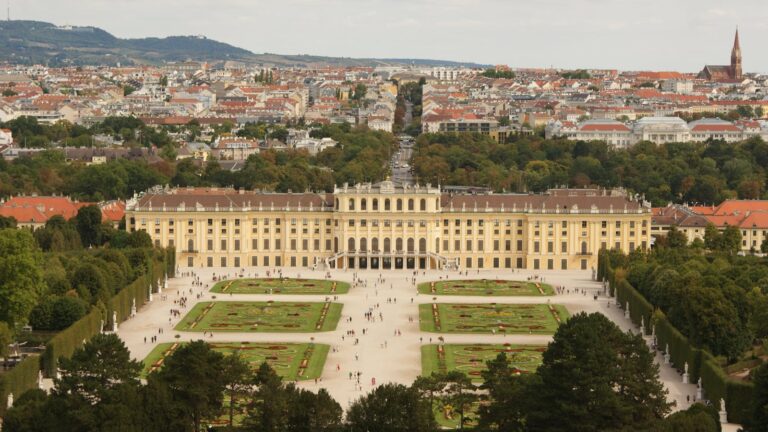
Vienna is the headline experience and rewards 4-5 nights. The cultural density is remarkable — the Hofburg (the Habsburg winter palace, now housing the National Library's Prunksaal — one of Europe's most-beautiful baroque libraries — plus the Sisi Museum, Spanish Riding School, and Imperial Treasury), Schönbrunn (the Habsburg summer palace, the Gloriette viewpoint, the world's oldest zoo founded 1752), the Ringstrasse boulevard that replaced the city walls in 1857, and the cluster of imperial-era museums on Maria-Theresien-Platz (Kunsthistorisches Museum for Bruegel and Vermeer, Naturhistorisches for the 25,000-year-old Venus of Willendorf). The Vienna coffee-house culture (UNESCO Intangible Cultural Heritage) is unique — Café Central, Café Demel, Café Hawelka, Café Sacher each have their own atmosphere and regulars.
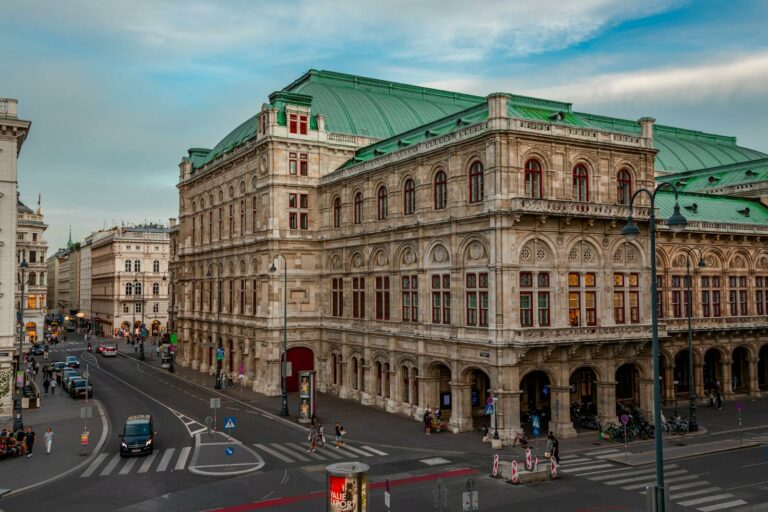
Music and opera is the cultural mainstay. The Vienna State Opera (Wiener Staatsoper) runs nightly performances September-June at world-class quality with cheap standing tickets (€10) available 80 minutes before each show. The Musikverein hosts the Vienna Philharmonic and is acoustically considered one of the world's top three concert halls. The Konzerthaus offers a more varied programme. The annual Vienna Opera Ball each February in the State Opera converts the auditorium to a ballroom for one of Europe's grandest formal events. In Salzburg, the Salzburg Festival each July-August stages opera and orchestral performances in the Felsenreitschule (carved into the cliff face) and the Grosses Festspielhaus.
Austrian food rewards exploration. Wiener Schnitzel (breaded veal cutlet, original at Figlmüller in Vienna), Tafelspitz (boiled beef with horseradish), Goulash (the Hungarian-influenced beef stew with paprika), Käsespätzle (cheese noodles), Kaiserschmarrn (shredded sweet pancake with plum compote), Apfelstrudel (the apple strudel that originates here, not in Germany), Sachertorte (the Vienna chocolate cake invented at Hotel Sacher in 1832 — Café Sacher and Café Demel still compete for the "original" claim), the Heuriger wine taverns in Grinzing on Vienna's outskirts (the Beethoven-era wine villages serving Grüner Veltliner and Zweigelt from open carafes with cold-meat platters), plus a strong Wachau Valley wine scene with serious Riesling and Grüner Veltliner producers (Domäne Wachau, FX Pichler, Hirtzberger).
UK travellers get 90 days visa-free Schengen entry. Austria uses the Euro. German is the universal language; English is widely spoken in tourism and among young people in cities. The Austrian Federal Railways (ÖBB) network is excellent — fast, punctual, with the Vienna-Salzburg express running 8 daily in 2.5 hours.
Best for: classical music travellers (Vienna and Salzburg are gold-standard), imperial-architecture-and-history travellers, Sound of Music pilgrims (the Salzburg locations tour is genuinely fun), foodies (the coffee-house and cake culture is unique), skiers (Tyrol and Vorarlberg ski areas are world-class), Christmas-market travellers (the Vienna Rathaus and Salzburg Christkindlmarkt are among Europe's best). Often combined with Czech Republic, Slovakia, Hungary, Switzerland or Italy.
Best time
May–Sep (summer); Dec (Christmas)
Flight from UK
~2h to Vienna
Currency
Euro (€)
Language
German
From the team
Why we love Austria

Austria is the elegant central-European trip I send people on when they want culture and Alpine countryside in one country, with English universally spoken and German-Austrian efficiency throughout.
My quiet recommendation: pair Vienna and Salzburg with three nights in the Salzkammergut lakes — Hallstatt is the headline but the surrounding villages are quieter and equally beautiful.
Rossella Rossella, Luxury & Destination Specialist Meet our Travel DesignersMain areas
Where to go in Austria
4 distinct regions — they pair beautifully two or three at a time.
Vienna
Innere Stadt
Schönbrunn
Belvedere
Salzburg & Salzkammergut
Salzburg
Hallstatt
Wolfgangsee
Mondsee
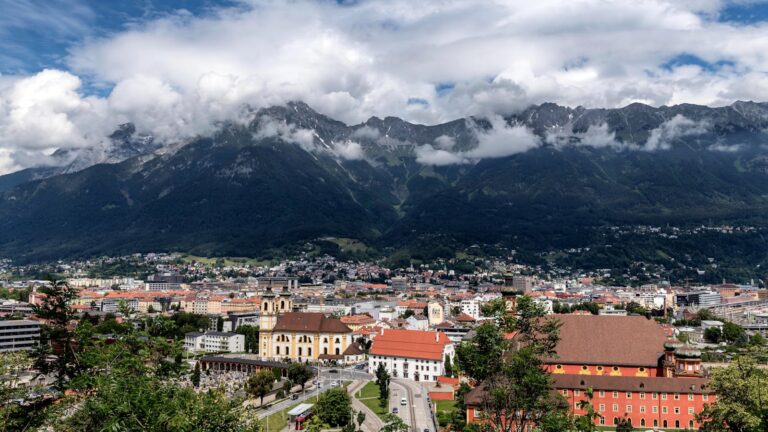
Tirol & the Alps
Innsbruck
Lech
St Anton
Sölden
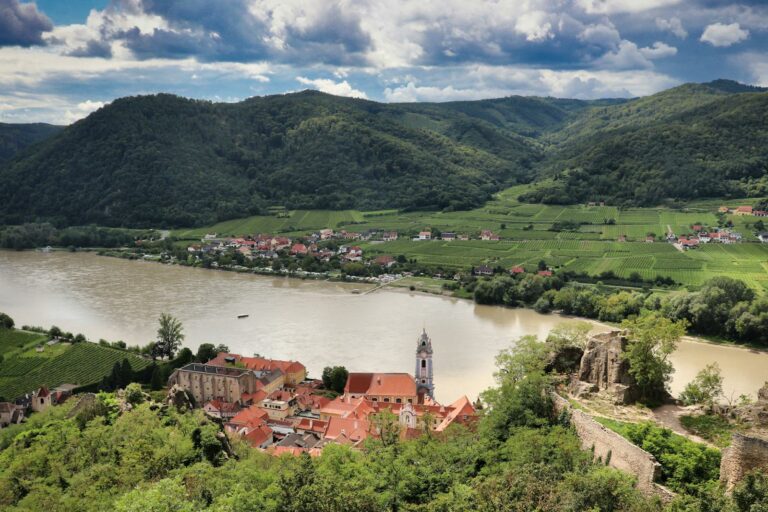
Wachau Valley & Danube
Krems
Dürnstein
Melk
Find your trip
Holiday types in Austria
Pick a holiday style — or combine two. Each section links straight to the next step.
Lake & Alpine retreats
Salzkammergut lakes and Tirolean Alpine stays — pick the valley or shore that suits your pace.
City breaks
Austria's cities reward 2-4 nights each — pair two for a tailor-made multi-centre trip.
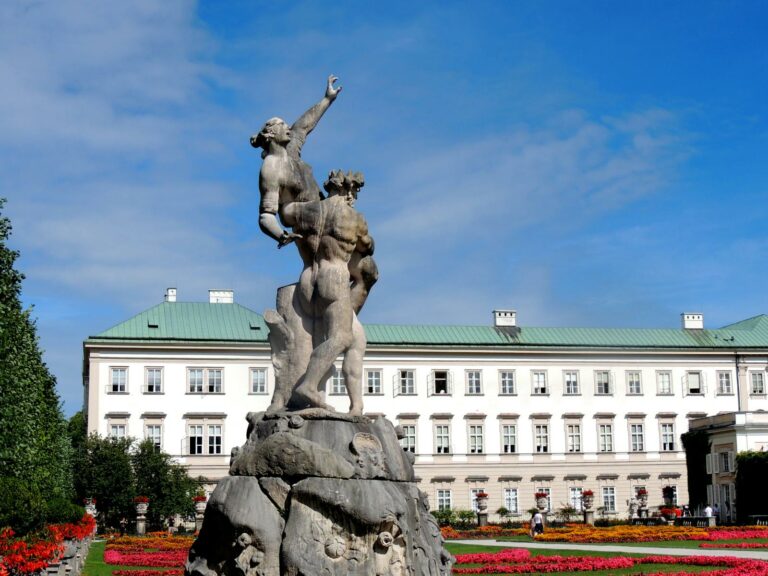
Salzburg
Cruises
Austria is the heart of the Danube river-cruise circuit. Vienna is a major embarkation for Danube cruises that run to Bratislava, Budapest, Bucharest and the Black Sea; the Wachau Valley between Vienna and Linz is one of Europe's great river-cruise stretches.
Escorted tours
42 escorted tours through Austria — guided, customisable, fully ATOL-protected.
Every Travelisto tour runs with a small group (max 16), an English-speaking local leader, and is fully ATOL-protected. Most tours are also bookable as private departures — same itinerary, your party only, your dates.
Tailor-made
Everything you see above is a starting point — we'll shape any of these around how you actually want to travel.
Bespoke Austria itinerary
Pick your headlines and we design the route, brief private guides, and book the hotels and transfers.
Enquire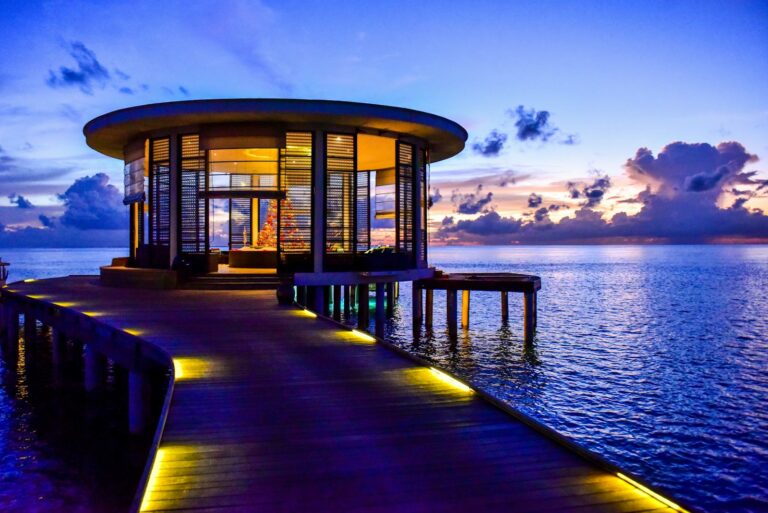
Multi-generational Austria
A pace and accommodation style that suits three generations — connecting suites, slower-paced excursions, kid-friendly highlights.
Enquire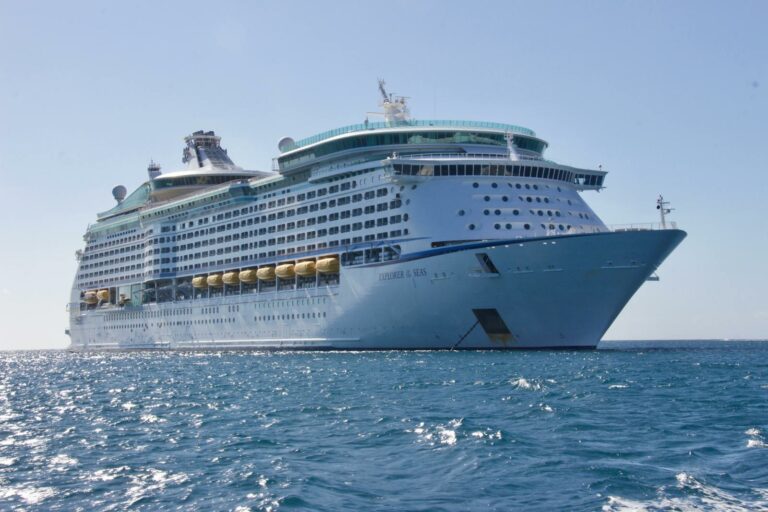
Austria + cruise
Pair the headlines of Austria with a 7-night cruise — booked end-to-end with us.
Enquire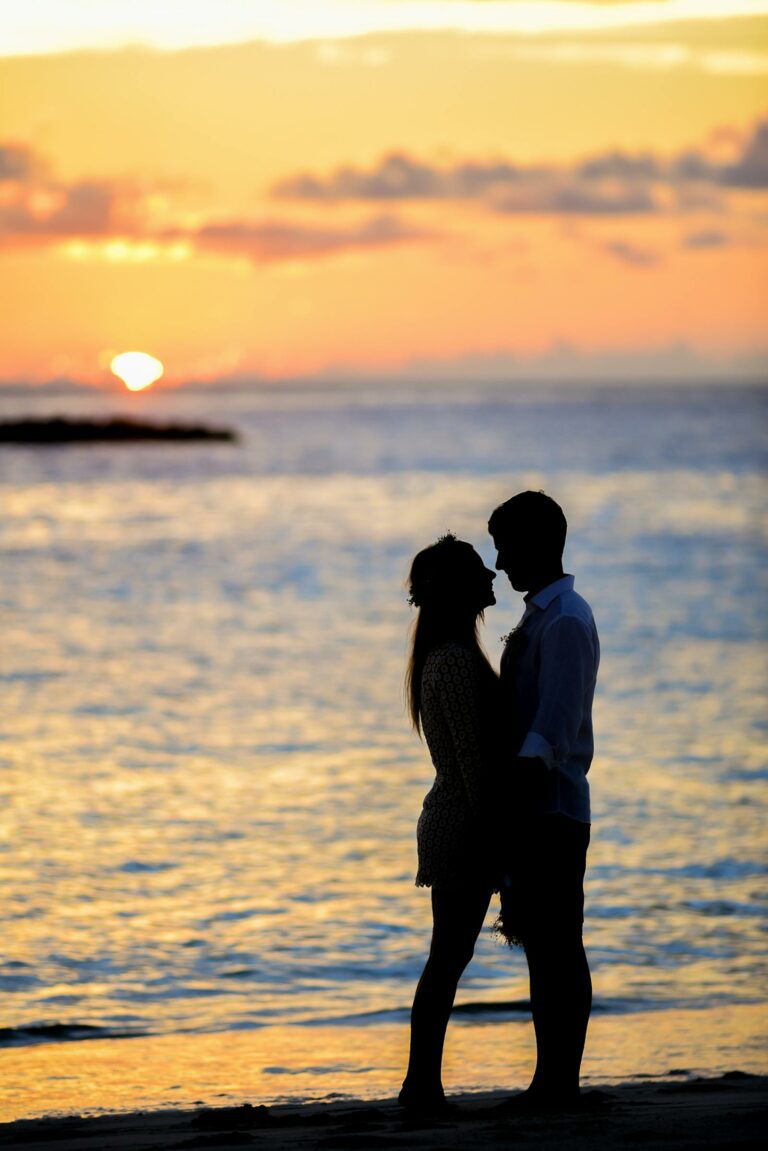
Honeymoon or special celebration
A milestone trip with the romantic flourishes quietly arranged.
EnquirePractical info
Knowing before you go
When to go
Jan
3°
Feb
5°
Mar
10°
Apr
15°
May
20°
Jun
23°
Jul
25°
Aug
25°
Sep
20°
Oct
14°
Nov
8°
Dec
4°
May-September for cities and lakes; December for Christmas markets; January-March for alpine skiing. July-August is warm (mid-20s) and busy. November is the only month genuinely worth avoiding.
Flights & how to get there
Direct flights from major UK airports to Vienna, Salzburg, Innsbruck — typically 2h 15m. The ÖBB rail network is world-class — Vienna-Salzburg 2h30, Salzburg-Innsbruck 2h. The Westbahn route is one of Europe's great train rides.
Visa & passport
UK passport holders can stay 90 days in any 180-day period under Schengen rules. ETIAS from 2026. See GOV.UK Foreign travel advice: Austria.
Currency & money
The Euro (€). Card payments universal. Tipping: 10% standard, given verbally.
Language & tipping
German (Austrian variant). English widely spoken in Vienna, Salzburg and tourist areas.
Health & safety
No mandatory vaccinations. EU healthcare reciprocal arrangements apply with UK GHIC. Tap water excellent everywhere.
FAQs
Austria — your questions
When is the best time to visit Austria?
May–September for hiking and warm-weather sightseeing. December for the Christmas markets (best in Vienna, Salzburg, Innsbruck). January–March for skiing.
Do I need a visa for Austria?
UK passport holders can stay 90 days in any 180-day period (Schengen). ETIAS required from its launch (expected 2026).
Is Vienna good for a long-weekend break?
Excellent — 3 nights covers Schönbrunn, Belvedere, the State Opera, coffee-house culture and a day-trip to the wine villages. Direct flights, very walkable city.
Can I combine Austria with Czech Republic or Germany?
Yes — Vienna–Prague is a 4h train; Vienna–Munich is 4h. We frequently build "Imperial cities" itineraries combining Vienna, Salzburg, Munich and Prague.
Make this trip yours
Plan your Austria holiday with a Travel Designer
Pick from any of the options on this page or tell us what you have in mind — we'll build it around how you actually like to travel. ATOL protected, flights included, real humans available 9am–7pm.
ATOL protected
100% financially protected in a Trust bank account
PTS 6035
4.7 on Trustpilot