

Travelisto destinations
Benin holidays
The birthplace of voodoo, royal palaces of Abomey, and a coast few outsiders see.
Overview
Welcome to Benin
Benin is the spiritual heart of West Africa and the birthplace of Vodun (the Voodoo religion that diaspora communities took to Haiti, Brazil, Cuba and the southern United States) — a small narrow country wedged between Togo and Nigeria, with stilt-village Ganvié on Lake Nokoué (the "Venice of Africa" — a settlement of 30,000 people built entirely on stilts over the lake, accessed only by dugout canoe), the slave-trade memorial route from Ouidah to the Door of No Return (the haunting beach-side memorial marking the embarkation point for hundreds of thousands of enslaved Africans transported across the Atlantic 1670-1860), the Royal Palaces of Abomey (UNESCO, the ancient Kingdom of Dahomey that ruled the region 1600-1894 with an extraordinarily ritualised court culture including the famous Amazonian women warriors), Pendjari National Park in the north (one of West Africa's best surviving wildlife reserves, with lions, elephants, hippos, hartebeest and the rare West African manatee in adjacent waterways), and Vodun cultural ceremonies that remain genuinely vital — the 10 January Vodun Festival in Ouidah is the largest annual gathering of practitioners worldwide.
A classic 10-day Benin trip: Cotonou (the largest city — not the capital, that's Porto-Novo — 2 nights for the Dantokpa Market that's West Africa's largest covered market, the Cotonou Cathedral, the New Basilica, the artisan workshops at the Centre de Promotion de l'Artisanat, the Cotonou Beach for sunset) → Ouidah for the Vodun temples and slave-route memorial (1 night — the Python Temple where live royal pythons are kept and worshipped, the Sacred Forest of Kpasse, the Memorial Route from the old slave-market to the Door of No Return beach memorial — a 4km walk along the Slave Route punctuated by monuments to specific historical episodes, the Musée d'Histoire d'Ouidah in the Portuguese-built fort, the Vodun Museum at Maison du Brésil) → Ganvié stilt village (1 night — dugout-canoe access from Cotonou's northern outskirts, the village built over Lake Nokoué since the 16th-17th centuries to escape Fon slave-raiders who refused to enter water on religious grounds, the Vodun-Christian-Animist religious syncretism, accommodation at the Auberge du Lac for the genuine experience) → Abomey for the royal palaces (1 night — the UNESCO Royal Palaces of Abomey, the throne carved from human skulls (controversial — the Dahomey kingdom's ritualised violence including the annual human sacrifices was extensively documented), the Tom Tom altar and Voodoo shrines, the Historical Museum of Abomey in the restored palace complex, the surrounding region's active blacksmith and weaving traditions) → Pendjari National Park in the north (2-3 nights at the Pendjari Lodge or the more-budget La Tata Sombra — twice-daily game drives, the Atakora Mountains' Sombatonga waterfall, the Boukombé Tata-Somba villages of the Somba people with the distinctive two-story mud architecture that's UNESCO Intangible Cultural Heritage).
Read more
The Vodun religion is the country's deepest cultural characteristic and one of West Africa's genuinely unique cultural offerings. Vodun (the original name; "Voodoo" is the diasporic Anglicised form) has been practiced in what's now Benin and Togo for thousands of years — pre-dating the arrival of Islam and Christianity in West Africa. Vodun is an animist tradition recognising spirits (vodun) inhabiting natural forces, ancestors, and specific shrines, with a hierarchy of deities (Mawu the creator, Dan the rainbow serpent, Heviosso the thunder god, Sakpata the smallpox god) and priest-shamans (bokonon) who mediate between humans and spirits. The religion has 60% adherence in Benin (alongside Catholic and Muslim populations with substantial Vodun crossover), is officially recognised as a state religion (alongside Christianity and Islam), and the 10 January Vodun Festival in Ouidah is a national holiday. The festival itself — drum processions, possession ceremonies, blessing of the sea, the visiting diaspora pilgrims from Haiti, Brazil, Louisiana — is one of West Africa's most-significant cultural events and rewards specifically timing the trip around it.
The slave-trade memorial route in Ouidah is one of the world's most-significant memorial sites and rewards careful, slow visiting. From the 1670s-1860s the Portuguese, French and British traded enslaved Africans through Ouidah's port — estimated at 1 million people transported from this single port. The Memorial Route runs 4km from the historic slave market in the town centre to the Door of No Return beach memorial. Major stations: the Slave Market site (now a memorial monument), the Place Chacha (where final auctions were held), the Tree of Forgetting (where slaves were forced to walk in circles to symbolically forget their identity before embarkation), the Tree of Return (a smaller ceremony intending to allow spirits to return after death), the Memorial House of Slavery, and finally the Door of No Return (the 1995 sculpture marking the beach embarkation point — a haunting concrete arch facing the Atlantic, with the relief sculptures of bound figures). The Maison du Brésil in Ouidah documents the return-migration of Brazilian Afro-descendants who came back to Benin in the 1840s-50s — many became influential merchants and the architectural heritage of "Brazilian-style" houses in Ouidah and Porto-Novo dates from this period.
The Kingdom of Dahomey palaces at Abomey are the country's most-significant historical-political heritage. The Fon kingdom of Dahomey operated 1600-1894 from Abomey as one of the most-powerful and most-ritualised West African states. The kings successively built palaces in the royal compound — by the time of King Glele's death in 1889 there were 12 palace complexes covering 47 hectares. The kingdom famously deployed the "Mino" or "Dahomey Amazons" — the all-female elite military corps of 3,000-6,000 women, recruited from royal harem-slaves and given full warrior training, who participated in major campaigns until the French conquest of 1894. The royal palaces complex (UNESCO since 1985) preserves the throne rooms with the bas-relief murals telling Dahomey dynastic history, the ancestor temples, and the burial complexes. The Historical Museum in the restored complex displays royal regalia, the captured French artillery from the 1890 campaign, and the iconic Dahomey thrones carved from human skulls (taken from defeated rivals in battle — a practice the French ended at conquest).
Pendjari National Park is one of West Africa's last surviving major wildlife reserves. The 4,800 sq km park in the Atakora Mountains on the Burkina Faso border has been actively managed since 2017 by African Parks Network (the NGO that has reclaimed and managed multiple African parks) — the result is genuinely restored wildlife populations of West African lions (estimated 100+, the world's last viable West African lion population), elephants (1,500+), hartebeest, kob antelope, hippos, and water buffalo. Birdlife is exceptional. The companion W Regional Park to the east (where Benin, Burkina Faso and Niger meet) and the Arli National Park in Burkina Faso make for a larger protected ecosystem — though the W-Arli-Pendjari complex has had security issues from the Sahel jihadist insurgency in recent years, and current travel advice should be checked.
UK travellers need a visa (e-Visa applied online via the Benin government website, $50, processing 3-7 days). Benin uses the West African CFA franc (XOF, shared with seven other Francophone West African nations). French is the universal working language; English is patchy outside upscale Cotonou tourism; Fon, Yoruba and Bariba are the major Indigenous languages. The food: pâte (cornmeal staple), wagasi cheese (the curd-cheese from the north), the spicy peanut and palm-nut stews, the ubiquitous akassa (fermented-corn dough wrapped in leaves), grilled river-fish along Lake Nokoué, plus the strong Saharan-influenced cuisine of the north. Beninese hospitality is famously warm and curious of visitors.
Best for: West Africa specialists, those drawn to African religious traditions (Vodun in particular), slave-trade memorial travellers, wildlife travellers seeking quieter African parks than the East African circuit, Dahomey-history travellers. Pair with Togo (border 10 minutes from Ouidah) and Ghana (the historic British slave-trading forts at Cape Coast and Elmina) for a 3-week West African coast circuit — this is the standard French-tour-operator itinerary and the most-rewarding way to experience the wider region.
From the team
Why we love Benin

Benin is the cultural-heritage West African trip — Vodun origins and the deep history of the Atlantic slavery period.
Rossella Rossella, Luxury & Destination Specialist Meet our Travel DesignersMain areas
Where to go in Benin
1 distinct regions — they pair beautifully two or three at a time.

Cotonou & South
Cotonou
Ouidah
Ganvié
Find your trip
Holiday types in Benin
Pick a holiday style — or combine two. Each section links straight to the next step.
City breaks
Benin's cities reward 2-4 nights each — pair two for a tailor-made multi-centre trip.
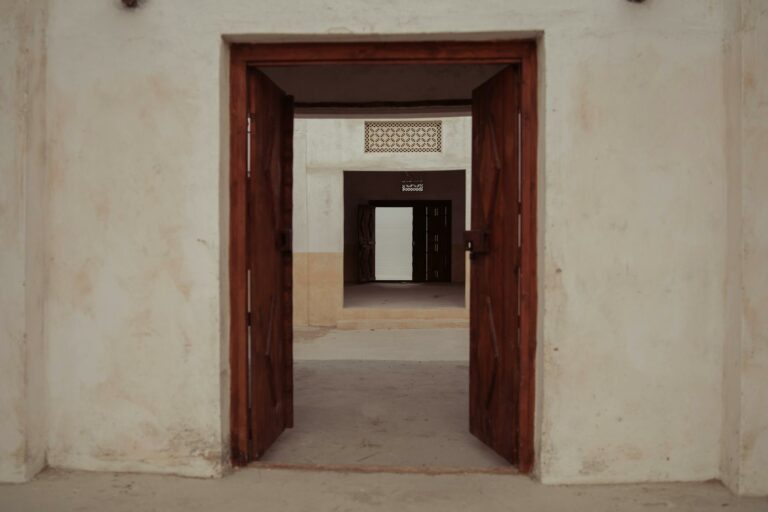
Ouidah
Cruises
Benin cruise itineraries and Indian Ocean / Atlantic routes available.
Escorted tours
2 escorted tours through Benin — guided, customisable, fully ATOL-protected.
Every Travelisto tour runs with a small group (max 16), an English-speaking local leader, and is fully ATOL-protected.
Tailor-made
Everything you see above is a starting point — we'll shape any of these around how you actually want to travel.
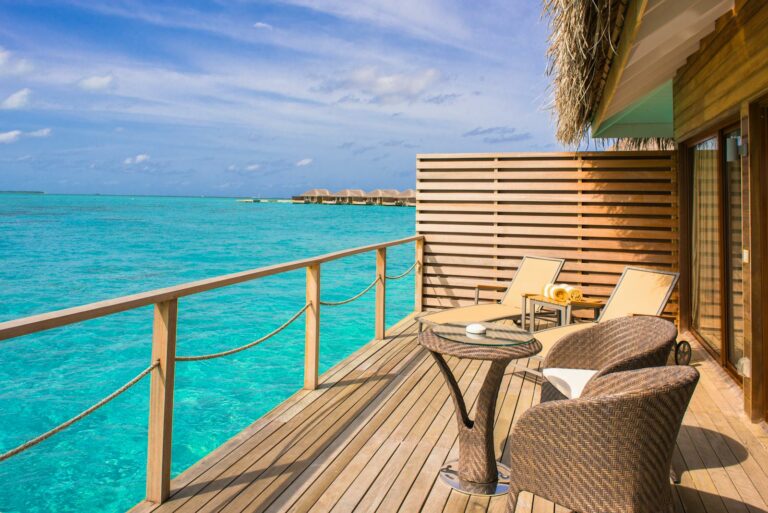
Bespoke Benin itinerary
Pick your headlines; we design the route, brief private guides, and book hotels.
Enquire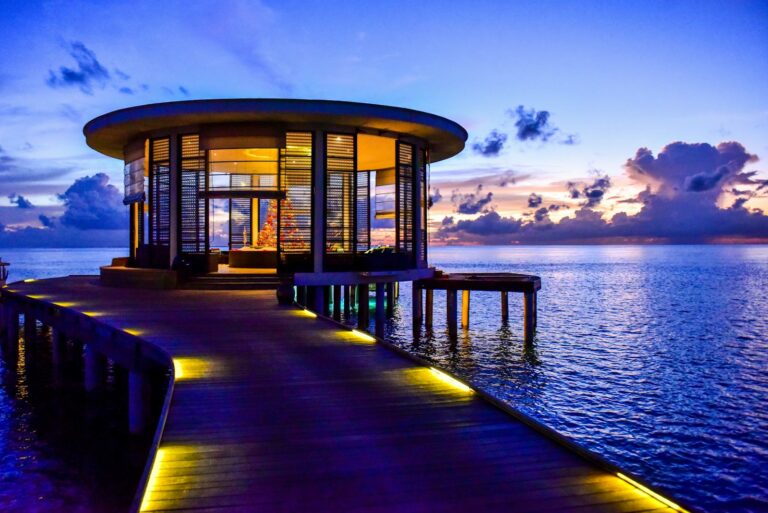
Multi-generational Benin
A pace that suits three generations.
Enquire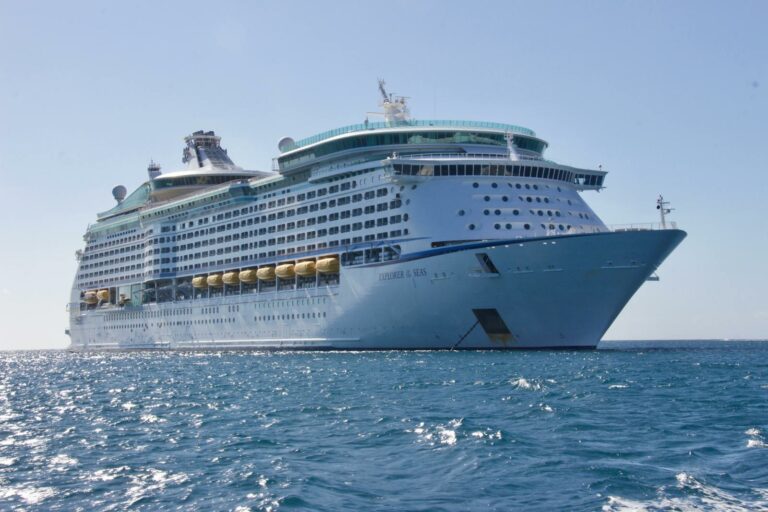
Benin + cruise
Pair Benin with a cruise — booked end-to-end.
Enquire
Honeymoon or special celebration
A milestone trip quietly arranged.
EnquirePractical info
Knowing before you go
When to go
Jan
30°
Feb
31°
Mar
31°
Apr
31°
May
30°
Jun
29°
Jul
29°
Aug
29°
Sep
30°
Oct
30°
Nov
30°
Dec
29°
November-March is the dry season.
Flights & how to get there
Flights from UK to Benin — ~8h via Paris (1 stop).
Visa & passport
UK passport holders need an e-Visa. For up-to-date entry requirements and safety advice, check the UK FCDO travel advice for Benin.
Currency & money
The West African CFA Franc (XOF). Cards in cities; cash for rural. 10% tip standard.
Language & tipping
French.
Health & safety
Consult your GP 6 weeks before travel. Yellow fever often required for African travel; malaria prophylaxis for many regions. Buy comprehensive travel insurance.
Make this trip yours
Plan your Benin holiday with a Travel Designer
Pick from any of the options on this page or tell us what you have in mind — we'll build it around how you actually like to travel. ATOL protected, flights included, real humans available 9am–7pm.
ATOL protected
100% financially protected in a Trust bank account
PTS 6035
4.7 on Trustpilot