
Travelisto destinations
Bhutan holidays
Tigers Nest monastery, Paro valley, Thimphu's archery contests and Bhutan's controlled high-value tourism — the Himalayan kingdom by careful design.
Overview
Welcome to Bhutan
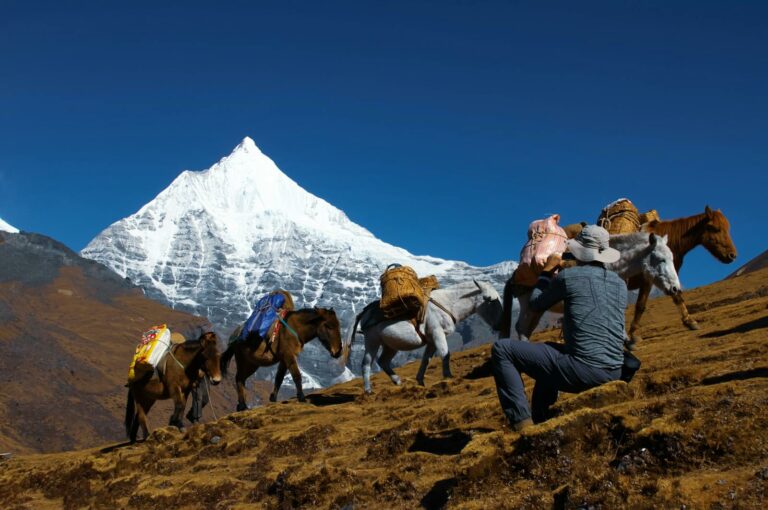
Bhutan is the Himalayan kingdom that famously measures Gross National Happiness over GDP — a tightly-controlled tourism model that requires every visitor to book through a licensed operator and pay a $200/day sustainable-tourism fee (covering accommodation, meals, transport and a guide). The headline experiences: the Tiger's Nest Monastery (Taktsang) clinging to a cliff above Paro Valley (the country's most-photographed site, a 4-5 hour round-trip hike); the dzongs (fortress-monasteries) at Punakha, Paro, Thimphu and Trongsa that combine administrative and religious functions; the traditional festival tsechus held throughout the year where monks perform masked dances; and the genuinely pristine Himalayan landscapes free of mass tourism's footprint.
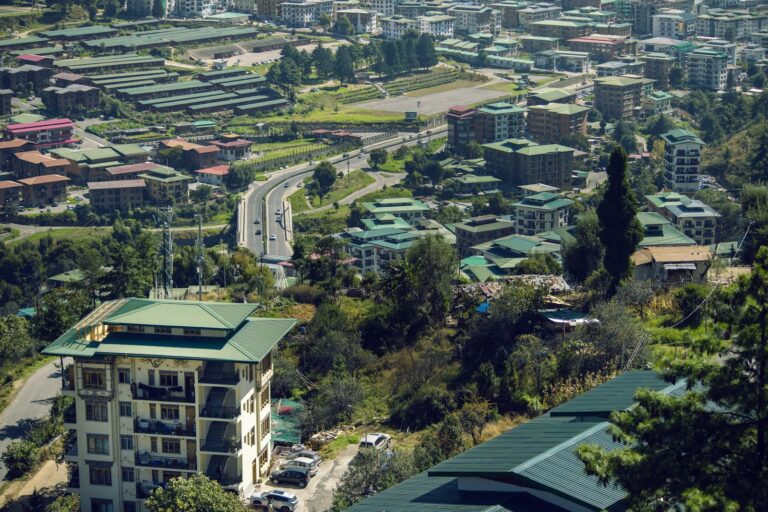
A classic 7-10 day Bhutan trip flies in via Druk Air or Bhutan Airlines (one of the world's most-challenging commercial-airport approaches at Paro's mountain-ringed strip): Paro arrival → Thimphu capital (2 nights — the Buddha Dordenma giant statue, Tashichho Dzong, the National Memorial Chorten, the weekend market, the traditional archery range, the Folk Heritage Museum) → drive to Punakha via the Dochula Pass (108 chortens with Himalayan views weather-permitting) (2 nights — Punakha Dzong, Chimi Lhakhang fertility temple, white-water rafting) → return to Paro (2-3 nights — Tiger's Nest hike, Kyichu Lhakhang temple, the Drukgyel Dzong ruins, the National Museum at Ta Dzong) → optional Bumthang valley extension (the spiritual heartland, 3-4 nights via dramatic mountain drive or domestic flight to Bumthang).
Read more
UK travellers need a visa and pre-paid tour booking via a licensed operator (cannot travel independently). October-November and March-April are the prime windows; tsechus (festivals) on specific dates are worth planning around. Dzongkha is the national language; English is the language of education and widely spoken in tourism. The food: ema datshi (the national dish — chillies in cheese sauce, deceptively spicy), red rice, momos dumplings, suja butter-tea served everywhere as the greeting. Dress modestly at religious sites; remove hats and shoes at temples.
Best for: experienced Asia travellers seeking a different cultural-trip pacing, Tibetan-Buddhist-curious travellers, photographers, those drawn to extraordinary mountain landscapes, hikers (the Druk Path Trek is a classic 5-day; the Snowman Trek is the world's hardest at 25 days, 14,000m+ passes, very few finishers). Often a 7-10 day standalone trip, sometimes paired with Nepal or India's Sikkim/Darjeeling.
From the team
Why we love Bhutan

Bhutan is the trip I send people on who want the most under-visited Himalayan country and don't mind paying for the privilege. The Tiger's Nest hike at dawn is one of the great travel moments.
Arna Van Gogh Arna Van Gogh, Contributor · Slow-travel & Bhutan Meet our Travel DesignersMain areas
Where to go in Bhutan
2 distinct regions — they pair beautifully two or three at a time.
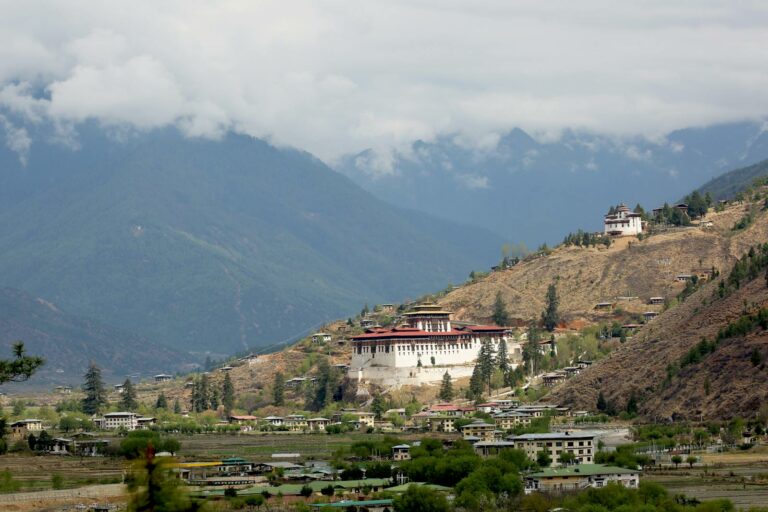
Paro Valley
Paro
Tiger's Nest
Drukgyel Dzong
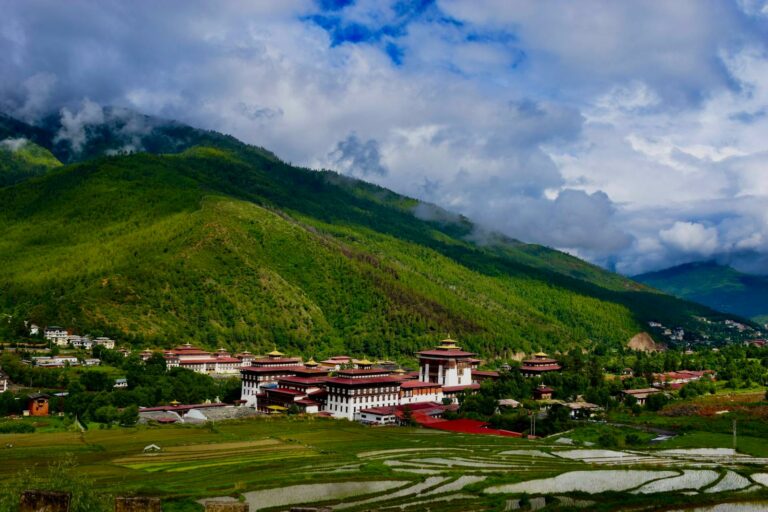
Thimphu & Western Bhutan
Thimphu
Punakha
Wangdue
Find your trip
Holiday types in Bhutan
Pick a holiday style — or combine two. Each section links straight to the next step.
Mountain & monastery stays
Bhutanese valley lodges and monastery-near retreats.
City breaks
Bhutan's cities reward 2-4 nights each — pair two for a tailor-made multi-centre trip.
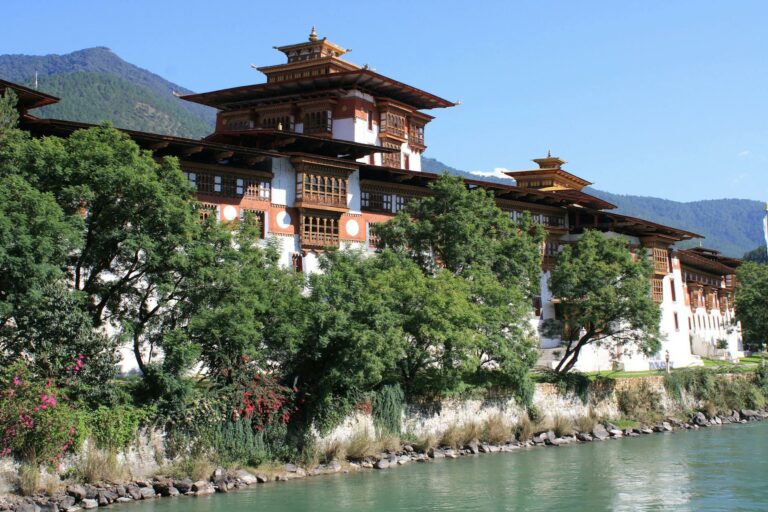
Punakha
Cruises
Bhutan is landlocked — no cruise port. Most travellers combine Bhutan with India (Delhi, Kolkata) or Nepal as part of a longer Himalayan trip.
Escorted tours
13 escorted tours through Bhutan — guided, customisable, fully ATOL-protected.
Every Travelisto tour runs with a small group (max 16), an English-speaking local leader, and is fully ATOL-protected. Most tours are also bookable as private departures — same itinerary, your party only, your dates.
Tailor-made
Everything you see above is a starting point — we'll shape any of these around how you actually want to travel.
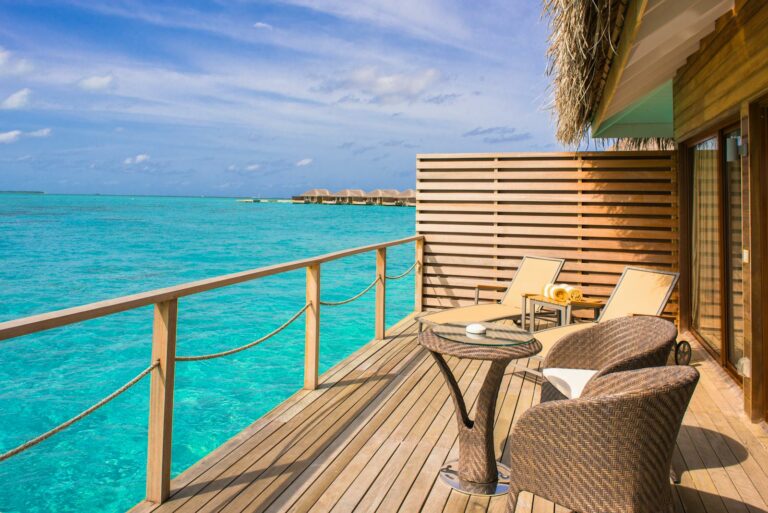
Bespoke Bhutan itinerary
Pick your headlines and we design the route, brief private guides, and book the hotels and transfers.
Enquire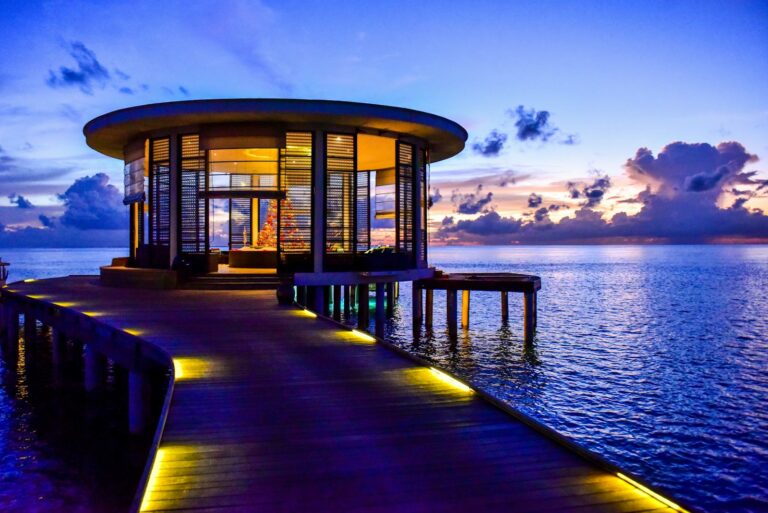
Multi-generational Bhutan
A pace and accommodation style that suits three generations.
Enquire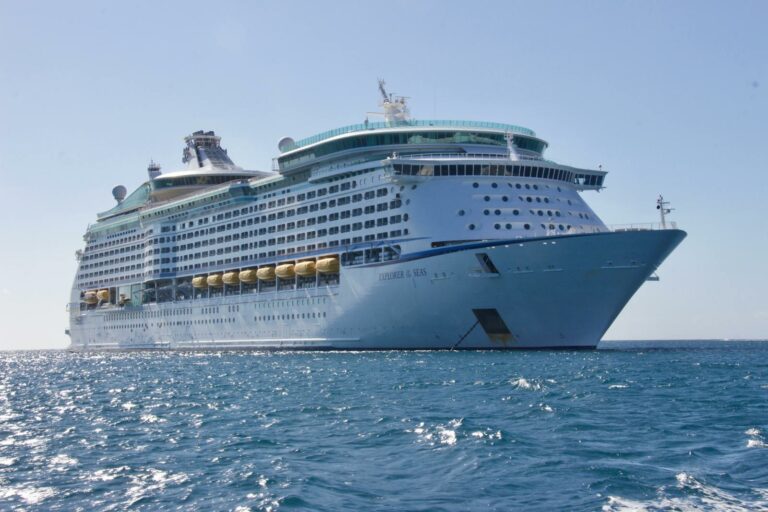
Bhutan + cruise
Pair Bhutan with a cruise — booked end-to-end with us.
Enquire
Honeymoon or special celebration
A milestone trip with the romantic flourishes quietly arranged.
EnquirePractical info
Knowing before you go
When to go
Jan
18°
Feb
20°
Mar
25°
Apr
28°
May
30°
Jun
29°
Jul
29°
Aug
28°
Sep
28°
Oct
26°
Nov
23°
Dec
19°
October-November and March-May are the prime months. Avoid June-September monsoon. Winter (Dec-Feb) clear but very cold at altitude.
Flights & how to get there
Flights from UK to Bhutan — typically ~14h to Paro via Delhi or Bangkok.
Visa & passport
UK passport holders need a tourist visa, arranged via a registered Bhutanese tour operator. The Sustainable Development Fee is $100/day. We arrange this end-to-end. For up-to-date entry requirements and safety advice, check the UK FCDO travel advice for Bhutan.
Currency & money
The Bhutanese Ngultrum (BTN) — pegged to INR; INR widely accepted. Cards in cities. 10% tip standard.
Language & tipping
Dzongkha. English in tourist services.
Health & safety
Consult your GP 6 weeks before travel. Routine + hepatitis A typically advised. Buy comprehensive travel insurance.
FAQs
Bhutan — your questions
When is the best time to visit Bhutan?
March–May and September–November are best (clear mountain views, mild weather).
Do I need a visa for Bhutan?
Yes — applied for in advance via your tour operator. Mandatory guided tour with a licensed operator.
Can I trek in Bhutan?
Yes — the Druk Path (5 days) and the Jomolhari Trek (7–9 days) are the most popular.
Make this trip yours
Plan your Bhutan holiday with a Travel Designer
Pick from any of the options on this page or tell us what you have in mind — we'll build it around how you actually like to travel. ATOL protected, flights included, real humans available 9am–7pm.
ATOL protected
100% financially protected in a Trust bank account
PTS 6035
4.7 on Trustpilot