
Travelisto destinations
Bolivia holidays
Salar de Uyuni salt flats, La Paz at 3,600m, Lake Titicaca's Isla del Sol and the Yungas cloud forests — Bolivia for the unconventional South American trip.
Overview
Welcome to Bolivia
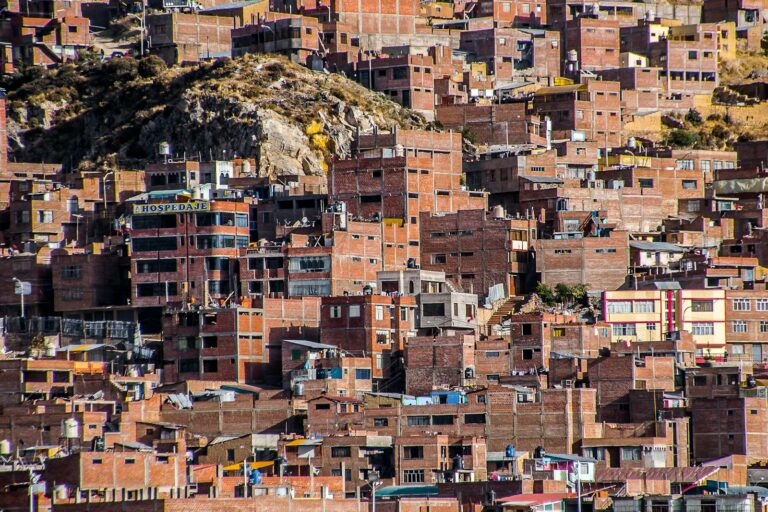
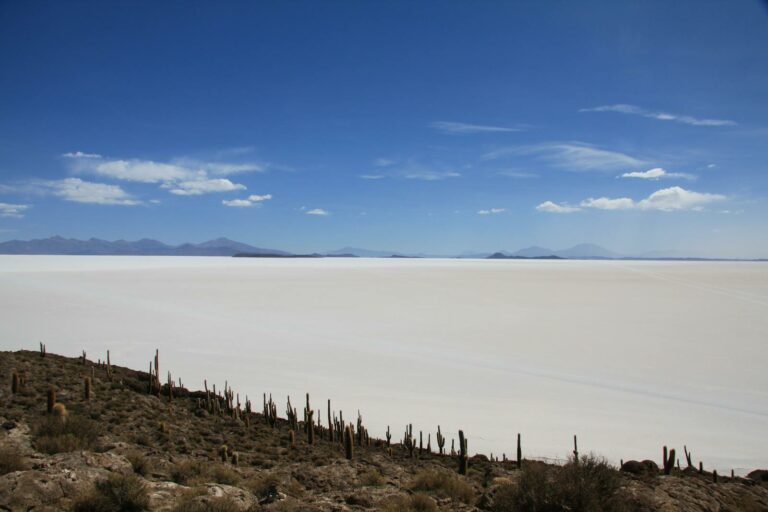
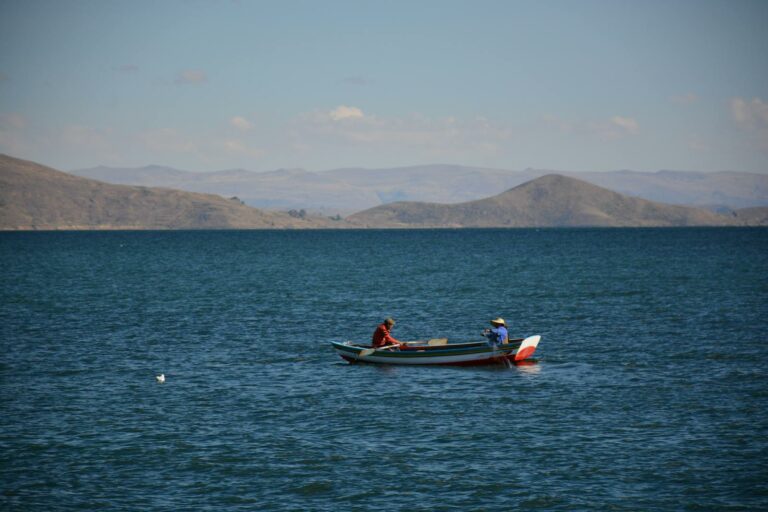
Bolivia is South America's least-visited and most culturally intact Andean nation — at 11,800ft (3,640m), La Paz is the highest administrative capital in the world; the Salar de Uyuni is the world's largest salt flat (10,000 sq km, dazzlingly white in dry season May-November and a perfect mirror February-April when shallow flood water creates the iconic reflective horizon-vanishing photographs); the Bolivian Amazon at Madidi National Park is one of the most-biodiverse protected areas on earth (1% of the world's bird species in 0.1% of its land area); 60% of the Bolivian population identifies as Indigenous (the country has 36 official languages — Spanish, Aymara, Quechua, Guarani plus 33 smaller Indigenous languages); the colonial cities of Sucre (UNESCO, the constitutional capital, whitewashed colonial architecture) and Potosí (UNESCO, the silver-mining city that funded the Spanish Empire for two centuries — the Cerro Rico mountain still operates with miners working in dangerous conditions); and the Andean Lake Titicaca that Bolivia shares with Peru, with Isla del Sol the Inca-origin myth island.
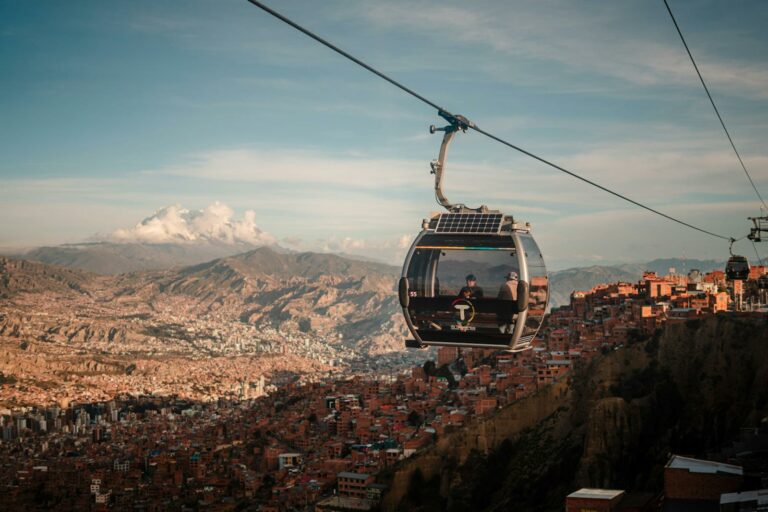
The classic 10-14 day Bolivia trip: La Paz (2-3 nights — Plaza Murillo, San Francisco Plaza, the Witches' Market with the dried llama foetuses and Aymara medicinal herbs, the Mi Teleferico cable-car network — La Paz has the world's largest urban cable-car system, with the lines running across the dramatic canyon to El Alto and back, optional Death Road bike descent — the World's Most Dangerous Road downhill MTB ride from the high pass at 4,650m to the Yungas valley at 1,200m, or the Tiwanaku pre-Inca ruins day-trip 70km west) → Lake Titicaca's Copacabana and Isla del Sol (2 nights — boat to Isla del Sol for the Inca-origin myth islands, the Yumani village stay with Aymara families) → Sucre (2 nights — Plaza 25 de Mayo, the Casa de la Libertad where Bolivian independence was declared 1825, the Tarabuco Sunday market for Quechua textiles, the Dinosaur Footprints at Cal Orcko cement quarry — 5,055 dinosaur tracks from the Cretaceous, one of the world's largest collections) → Potosí (1 night — the historic Casa de la Moneda Mint, the harrowing Cerro Rico silver-mine tour where miners still work) → Salar de Uyuni 3-4 day 4x4 expedition crossing into the Eduardo Avaroa Reserve (Andean lagoons full of flamingos, geothermal geysers at Sol de Mañana, the colored mineral pools at Laguna Colorada and Laguna Verde, the Tunupa volcano, finishing at the Chilean border for an Atacama Desert continuation or returning to La Paz) → optional Madidi Amazon jungle lodge from Rurrenabaque (3 nights at Chalalan Ecolodge, the original community-owned ecolodge that pioneered Amazon community tourism — caymans, capybaras, monkeys, the famous tapir-clay-lick).
Read more
The Salar de Uyuni is genuinely one of the world's great photographic destinations. The dry season (May-November) produces the white-salt-with-blue-sky perspective-bending photo opportunities — the famous "people standing on a giant Pringles can" or "miniature people inside a giant boot" tricks that work because the perfectly flat salt surface eliminates depth cues. The wet season (February-April) brings shallow water that turns the salt flat into the world's largest natural mirror — the horizon disappears, the sky reflects perfectly underfoot, and the resulting photographs are otherworldly. The 3-4 day 4x4 tour from Uyuni town (population 11,000) typically includes the Train Cemetery, Colchani salt-processing village, the Salar with a lunch stop at the salt-block restaurant on Isla Incahuasi (a cactus-covered "island" rising from the salt), an overnight at the Tayka Hotel de Sal (a salt-block hotel) or Hotel Luna Salada, then onward to the Eduardo Avaroa Andean Fauna National Reserve for the Andean lagoons, geysers, and the Salvador Dalí Desert.
Altitude is real in Bolivia. La Paz, Uyuni and Potosí are all 3,500m+. Sucre at 2,800m is the lowest-altitude option for acclimatisation. Allow 2-3 days to acclimatise before serious activity. Mate de coca (coca tea) is the traditional remedy and is widely served — coca leaves are legal in Bolivia (the country is a major coca producer, though cocaine production is illegal). Drink water continuously, avoid alcohol and heavy meals on day 1-2, and consider Diamox (acetazolamide) if you have specific concerns. The Witches' Market in La Paz sells altitude-sickness traditional remedies including yatiri readings.
Bolivian Indigenous culture is the country's deepest characteristic. The Aymara highland villages around La Paz, Lake Titicaca, and Cochabamba retain weaving traditions (the bowler-hat-and-pollera-skirt dress is daily wear, not costume), market days (Tarabuco Sunday for Quechua textiles, Tiwanaku Monday for Aymara), and religious-festival cycles that blend pre-Inca, Inca, and Catholic traditions. The annual Carnaval de Oruro in late February (UNESCO Intangible Cultural Heritage) is one of the Americas' great folkloric festivals — 28,000 dancers in 50+ traditional dance troupes parade for 20 hours over the Oruro mining city, performing the Diablada (devil dance), Morenada, and Caporales dances. Plan years ahead — accommodations book out by May the previous year.
The food: salteñas (the juicy meat-pastry breakfast — Bolivia's national snack, eaten before 10am as a tradition), api (a hot purple-corn drink for breakfast), llama or alpaca steaks (lean, similar to lean beef), Andean staples like quinoa (originated in the Bolivia-Peru altiplano) and the dozen+ varieties of potato (Bolivia and Peru are the world's potato origin), trout from Lake Titicaca, the Tucumana fried-pastry, and the unique tradition of Lambayeque-style cuy guinea-pig in Andean villages. Beer: Paceña and Huari are the local lagers; Singani (the grape brandy that's Bolivia's national spirit) goes into the iconic Chuflay cocktail.
UK travellers don't need a visa for stays up to 90 days. Bolivia uses the Boliviano (BOB) — generally stable at 6.9 to the USD. Spanish is the working language; Aymara and Quechua are widely spoken in Indigenous communities; English is rare outside upscale tourism. Internal flights connect everything quickly — Amaszonas and BOA fly La Paz-Sucre-Uyuni daily.
Best for: Andes specialists, photographers (the Salar de Uyuni mirror is bucket-list), anthropologically-curious travellers, hikers and adventure-curious travellers (Death Road biking, multi-day treks to Choro and Takesi pre-Inca trails), Amazon ecologists, mining-history travellers (Potosi). Often combined with Peru (cross at Lake Titicaca on the Inca Express bus), Chile (via Atacama after the Salar tour), Argentina (via the Yungas route to Salta).
From the team
Why we love Bolivia

Bolivia is the high-altitude trip — Salar de Uyuni at sunrise is one of the great visual experiences on earth. Pair with Peru for the 14-day Andes route.
Amanda Amanda, Travel Designer · Music & Culture Meet our Travel DesignersMain areas
Where to go in Bolivia
3 distinct regions — they pair beautifully two or three at a time.
La Paz & High Andes
La Paz
Tiwanaku
Death Road
Salar de Uyuni
Salar de Uyuni
Eduardo Avaroa Reserve
Train Cemetery
Lake Titicaca & Sucre
Copacabana
Isla del Sol
Sucre
Potosí
Find your trip
Holiday types in Bolivia
Pick a holiday style — or combine two. Each section links straight to the next step.
City breaks
Bolivia's cities reward 2-4 nights each — pair two for a tailor-made multi-centre trip.
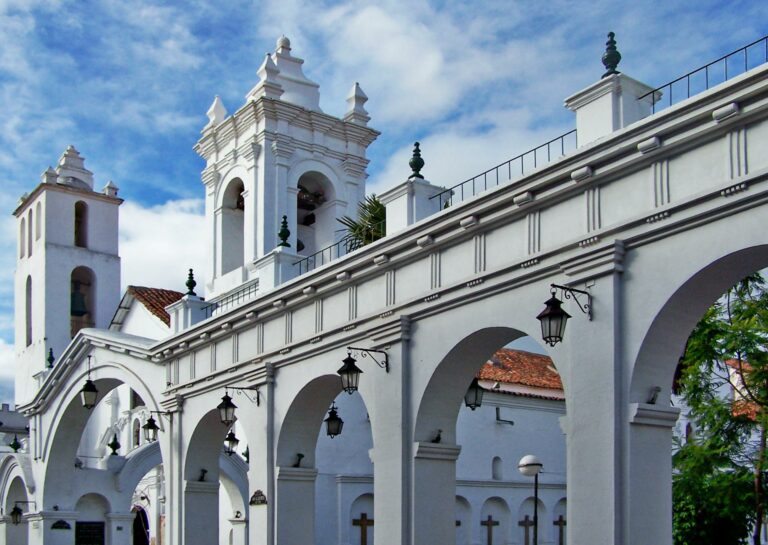
Sucre
Cruises
Bolivia is landlocked; no cruise port. Travellers usually combine Bolivia with Peru (Lake Titicaca crossing) or Chile.
Escorted tours
11 escorted tours through Bolivia — guided, customisable, fully ATOL-protected.
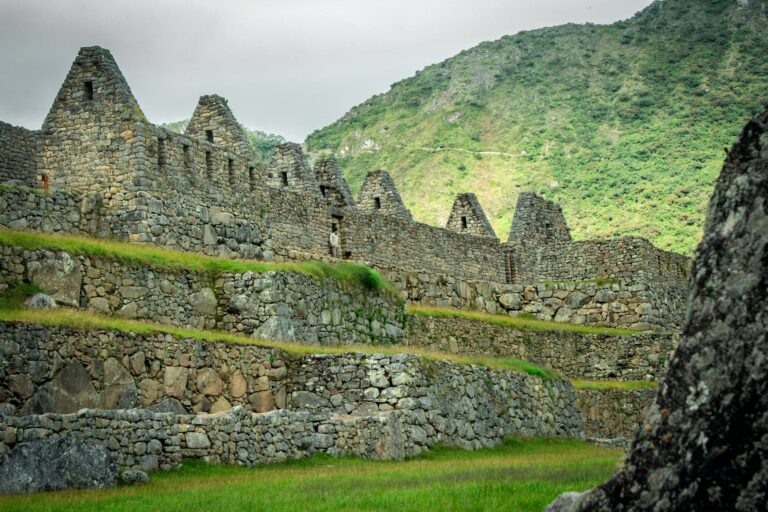
Every Travelisto tour runs with a small group (max 16), an English-speaking local leader, and is fully ATOL-protected. Most tours are also bookable as private departures.
Tailor-made
Everything you see above is a starting point — we'll shape any of these around how you actually want to travel.
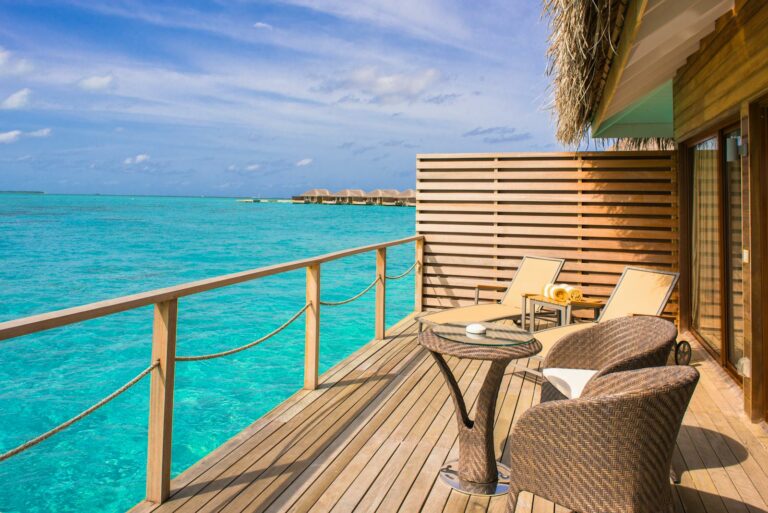
Bespoke Bolivia itinerary
Pick your headlines; we design the route and book the hotels.
Enquire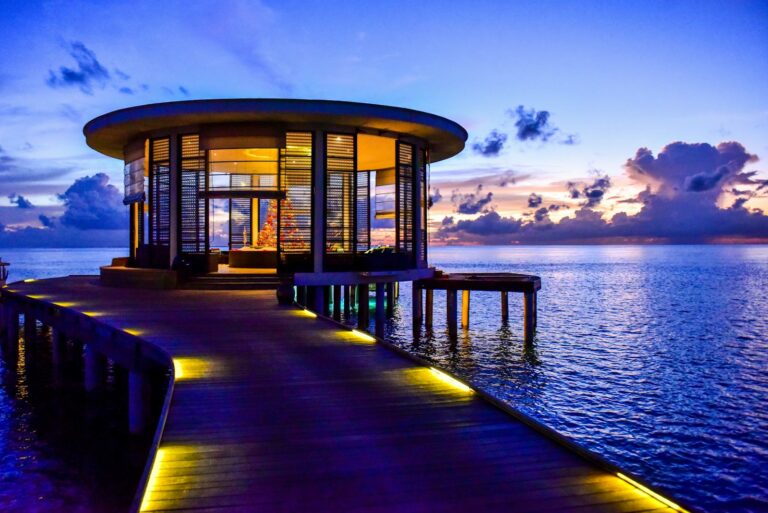
Multi-generational Bolivia
A pace that suits three generations.
Enquire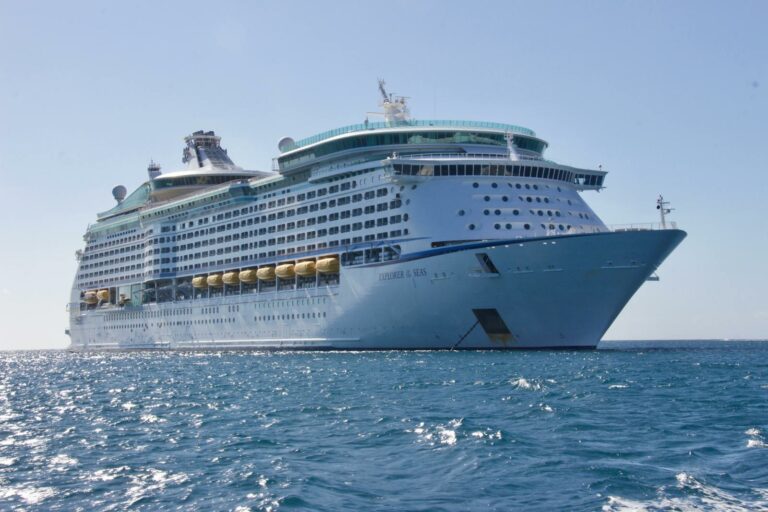
Bolivia + cruise
Pair Bolivia with a cruise — booked end-to-end.
Enquire
Honeymoon or special celebration
A milestone trip quietly arranged.
EnquirePractical info
Knowing before you go
When to go
Jan
22°
Feb
22°
Mar
22°
Apr
22°
May
22°
Jun
21°
Jul
21°
Aug
22°
Sep
23°
Oct
23°
Nov
23°
Dec
23°
May-October is dry season. November-March is wet season — but creates the famous mirror effect on Salar de Uyuni.
Flights & how to get there
Flights from UK to Bolivia — ~16h to La Paz (1-2 stops).
Visa & passport
UK passport holders get 90 days visa-free entry. For up-to-date entry requirements and safety advice, check the UK FCDO travel advice for Bolivia.
Currency & money
The Bolivian Boliviano (BOB). Cards in cities; cash for rural. 10% tip standard.
Language & tipping
Spanish (and Quechua, Aymara).
Health & safety
Consult your GP 6 weeks before travel. Yellow fever often required, malaria prophylaxis for jungle regions. Buy comprehensive travel insurance.
FAQs
Bolivia — your questions
When is the best time to visit Bolivia?
May–October is the dry season (best for Salar). January–April rains create the famous "mirror" effect on the Salar.
Do I need a visa for Bolivia?
UK passport holders get 90 days visa-free.
How do I deal with altitude in La Paz?
Arrive via Lima (sea level) → Cusco (3,400m) → La Paz (3,600m). Coca tea, gradual ascent, light meals the first 2 days.
Make this trip yours
Plan your Bolivia holiday with a Travel Designer
Pick from any of the options on this page or tell us what you have in mind — we'll build it around how you actually like to travel. ATOL protected, flights included, real humans available 9am–7pm.
ATOL protected
100% financially protected in a Trust bank account
PTS 6035
4.7 on Trustpilot