
Travelisto destinations
Botswana holidays
The Okavango Delta water-safari, Chobe elephant herds, Kalahari salt pans and Africa's premium-end private camps — Botswana is the connoisseur safari.
Overview
Welcome to Botswana
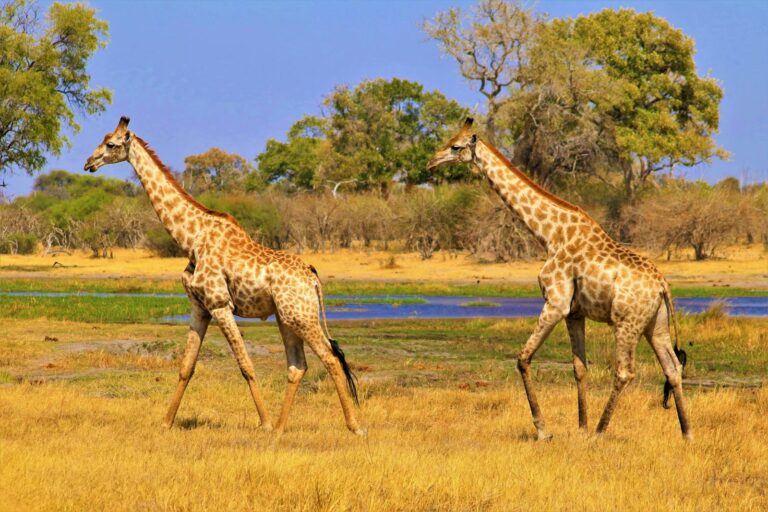
Botswana is Africa's upscale safari destination and the country that pioneered the "high-cost, low-impact" tourism model that has come to define premium African safari. The strategy — implemented from the early 1990s after independence — deliberately keeps traveller numbers small (Botswana receives ~300,000 international tourists annually vs Kenya's 1.5 million) and concentrates them in remote fly-in lodges, with the resulting per-night costs at £600-1,500/person+ (all-inclusive of charter flights, meals, drinks, twice-daily activities, transfers). The result is genuinely exceptional wildlife experiences with low traveller density and protected ecosystems. The headline: the Okavango Delta — 15,000 sq km of seasonal floodplain in the Kalahari, where the Okavango River drains inland and creates a unique permanent-water-in-desert ecosystem traversed by mokoro (dugout canoe) and on foot. Add Chobe National Park on the northern Zambezi/Chobe border (with the densest elephant population in Africa at 75,000+ and the dramatic riverfront game viewing from boats), the Central Kalahari Game Reserve (the world's second-largest game reserve, vast and quiet), and the Makgadikgadi salt pans (the world's largest salt pans, with the seasonal flamingo-and-zebra spectacle and the meerkat communities).
The classic Botswana safari is 7-10 nights, fly-camp to fly-camp, with the trip orchestrated by a single operator who handles all the light-aircraft charters between camps: 3 nights Okavango Delta water-based (Mombo, Vumbura, Jao, Selinda — the splurge tier; Khwai, Camp Okuti — the value tier) → 2 nights Chobe for the elephant-and-hippo riverfront safari (Savute Elephant Camp, Chobe Game Lodge, the splurge Linyanti private reserves at Selinda or Duma Tau) → 2 nights Makgadikgadi or Central Kalahari (Jack's Camp on the salt pans is the headline experience — the 1930s-style canvas-and-Persian-carpet camp with the trained meerkat colony around the camp, the quad-bike sunset across the pan, the San Bushmen cultural visits). Most travellers add Victoria Falls (3 nights) for the Zimbabwe or Zambia side at trip-start or trip-end — the 45-minute flight from Kasane to Vic Falls is the natural addition.
Read more
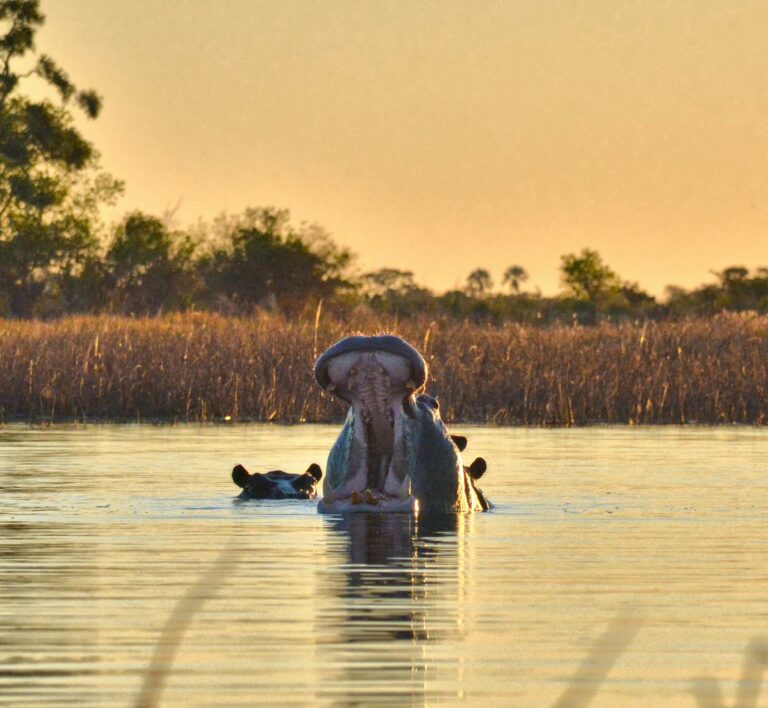
The Okavango Delta is the country's defining experience. The Okavango River rises in the Angolan highlands, flows south-east through Namibia, and drains inland into the Kalahari Desert in northern Botswana — an inland delta that never reaches the sea (the water either evaporates, is absorbed into the ground, or feeds the local ecosystems). The seasonal flood pulse moves through the delta from late April to October (the dry season in southern Africa, which is when most travellers visit) — counterintuitively, the water-based delta activities are best when the surrounding region is dry. The mokoro (traditional dugout canoe) experience — a poler standing at the back of the canoe punting through the channels — is one of Africa's genuinely-distinctive safari activities, with hippos, elephants, crocodiles and abundant birdlife at water level. Walking safaris in the delta islands offer the closer game-viewing experience with the slightly-higher-risk-but-more-immersive on-foot encounter with elephants and antelope. The delta has multiple sub-regions: the Mombo region (the headline luxury area with the highest concentration of predator activity), Vumbura (more remote, fewer travellers), Selinda and Linyanti (the eastern private reserves), the Khwai community area (the value-tier alternative), and the deep delta islands at Jao, Pelo and Xugana.
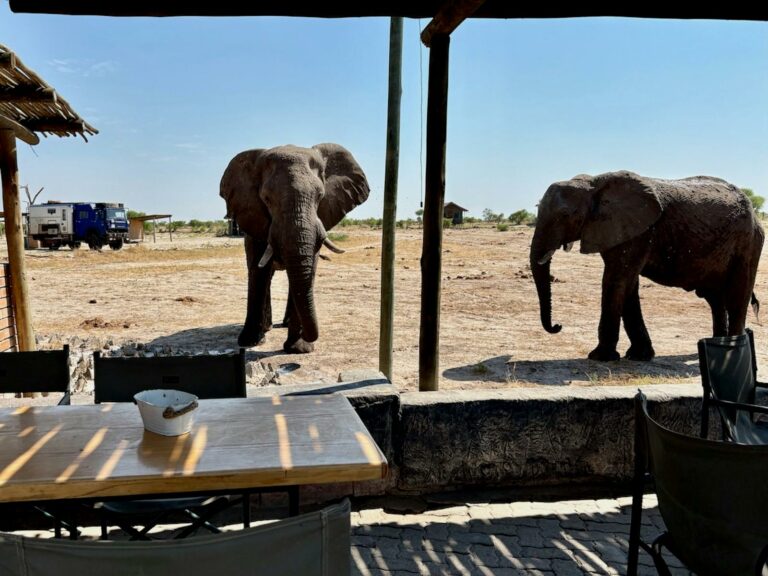
Chobe National Park anchors the northern Botswana experience. The Chobe River-front (where the Chobe meets the Zambezi-Cuando system) has the densest elephant population in Africa — 75,000 elephants in the park and surrounding area, with hundreds visible from a single boat trip during the dry season July-November. The water-based safari from Kasane town or the Chobe Game Lodge (inside the park) is the iconic Chobe experience — riverside lunches, sundowner cruises with elephants drinking at the bank a few metres from the boat. The Savute Channel west of Chobe runs in unpredictable cycles (dry for decades, then flowing again unpredictably) and the Savute Elephant Camp lodge area offers serious predator viewing especially for lions. The Linyanti private reserves (Selinda Reserve, Linyanti Reserve, Kwando Reserve) on the western edge of Chobe extend the wildlife experience into more-exclusive private-concession areas.
The Makgadikgadi Salt Pans and the Central Kalahari Game Reserve offer the country's most-distinctive landscape experiences. The Makgadikgadi (two adjoining pans, Ntwetwe and Sua, covering 12,000 sq km — the world's largest salt pan complex) is a former Pleistocene lake that's been salt-pan for the last 10,000 years. The annual seasonal cycle: in the wet season (December-March) the pans fill with shallow water and attract enormous flamingo populations (the second-largest flamingo breeding population on earth, behind only Lake Natron in Tanzania) plus zebra herds migrating through. In the dry season (May-October) the pans are perfectly flat salt-crust expanses where the horizon vanishes — a surreal landscape that hosts the famous Tropic of Capricorn line and the unforgettable quad-bike-across-the-pan-at-sunset experience. Jack's Camp (the 1930s-style luxury tented camp founded by the Bousfield family in the 1990s and rebuilt at staggering cost in 2020) is the headline accommodation — Persian carpets and crystal chandeliers in canvas tents on the pan edge, with the trained Meerkat Manor habituated families that visit the camp at dawn.
The San (Basarwa, Bushmen) Indigenous cultural experiences are the country's most-significant human heritage. The San have lived in southern Africa for 70,000+ years — the longest-continuously-resident human population on the continent and arguably anywhere on earth. Traditional San hunter-gatherer culture survives in modified form in parts of the Central Kalahari and Makgadikgadi regions, with several lodges (Jack's Camp, Camp Kalahari, Tau Pan, San Camp) offering San cultural walks led by community members. The walks focus on traditional bush-craft (the poisoned-arrow hunting techniques, the underground-tuber water-finding, the medicinal plants, the trance-dance tradition). The companion Tswana cultural heritage (the dominant Botswana ethnicity) is visible in the Bayei riverine culture of the Okavango (the original mokoro polers) and the rural village life seen during the inter-camp flights.
Costs are real in Botswana. The all-inclusive safari rate is £600-1,500/person/night for the headline-quality lodges, which over a 10-day trip works out to £12,000-30,000 per person. The "green season" (November-April, the southern-hemisphere summer) can be 40-50% off but with mosquitoes, afternoon storms, and reduced wildlife visibility as vegetation grows thick. May-October is the iconic dry safari season, with July-September the peak (and most-expensive). UK travellers don't need a visa for stays up to 90 days. Botswana uses the Pula (BWP) but resort transactions are typically in USD or ZAR (South African Rand) given the cross-border supply chain. English is the official language and universal in tourism.
Best for: experienced Africa travellers stepping up from a Kenya/South Africa first-timer experience, honeymooners willing to splurge, mokoro and walking-safari enthusiasts, conservation-driven travellers (Botswana has the strongest anti-poaching and habitat-protection record in Africa), photographers (the Okavango at sunrise is bucket-list, the Makgadikgadi salt-pan landscape is otherworldly). Pair with Victoria Falls (Zimbabwe or Zambia side, 45-minute flight from Kasane) and either Cape Town in South Africa (3-hour direct flight from Maun) or Namibia (with overland 4x4 connection to the Caprivi Strip and Etosha National Park).
Best time
May–Oct (dry, peak wildlife)
Flight from UK
~14h via Johannesburg
Currency
Botswana Pula (BWP)
Language
English, Setswana
From the team
Why we love Botswana
Botswana is the connoisseur safari — fewer travellers per sighting, higher per-night cost, the unique mokoro water-safari at the Okavango.
Rossella Rossella, Luxury & Destination Specialist Meet our Travel DesignersMain areas
Where to go in Botswana
3 distinct regions — they pair beautifully two or three at a time.
Okavango Delta
Moremi
Khwai
Inner Delta
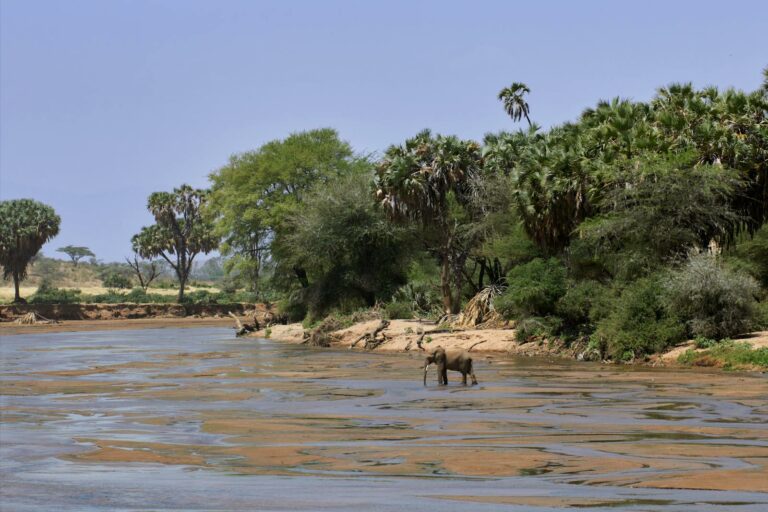
Chobe & Linyanti
Chobe NP
Linyanti
Savuti
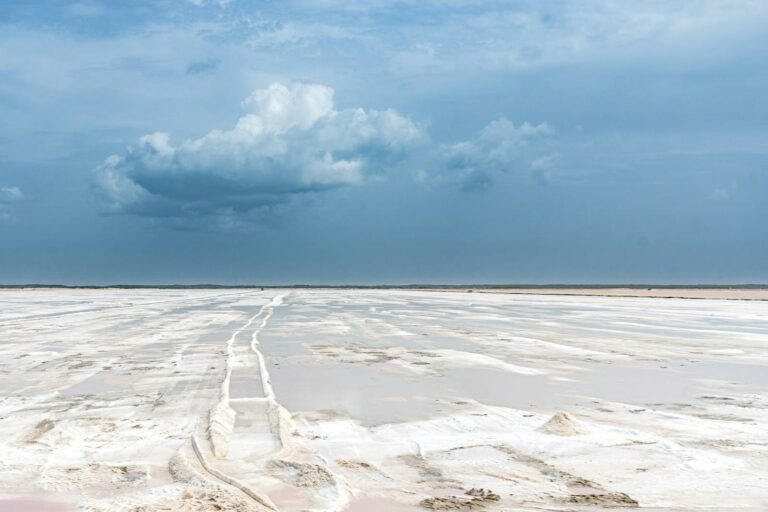
Kalahari & Makgadikgadi
Central Kalahari
Makgadikgadi Pans
Nxai Pan
Find your trip
Holiday types in Botswana
Pick a holiday style — or combine two. Each section links straight to the next step.
Premium safari camps
Botswana's headline luxury fly-in safari camps in the Okavango, Chobe and Kalahari.
City breaks
Botswana's cities reward 2-4 nights each — pair two for a tailor-made multi-centre trip.
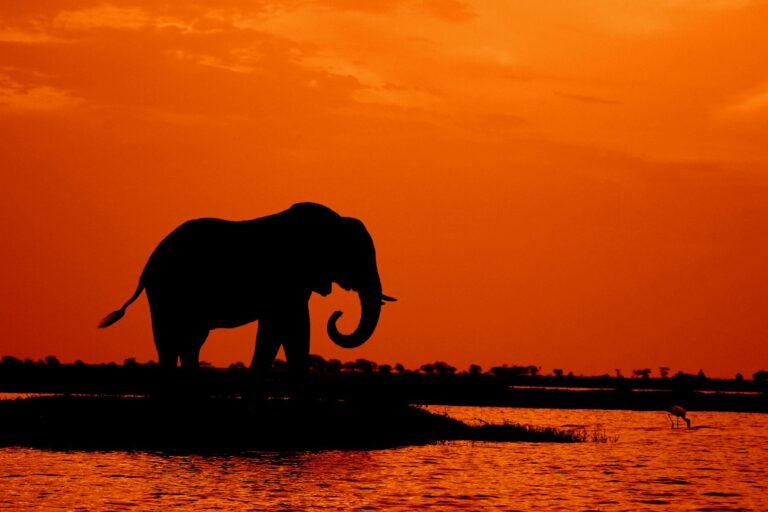
Kasane
Cruises
Botswana cruise itineraries and Indian Ocean / Atlantic routes available.
Escorted tours
24 escorted tours through Botswana — guided, customisable, fully ATOL-protected.
Every Travelisto tour runs with a small group (max 16), an English-speaking local leader, and is fully ATOL-protected.
Tailor-made
Everything you see above is a starting point — we'll shape any of these around how you actually want to travel.
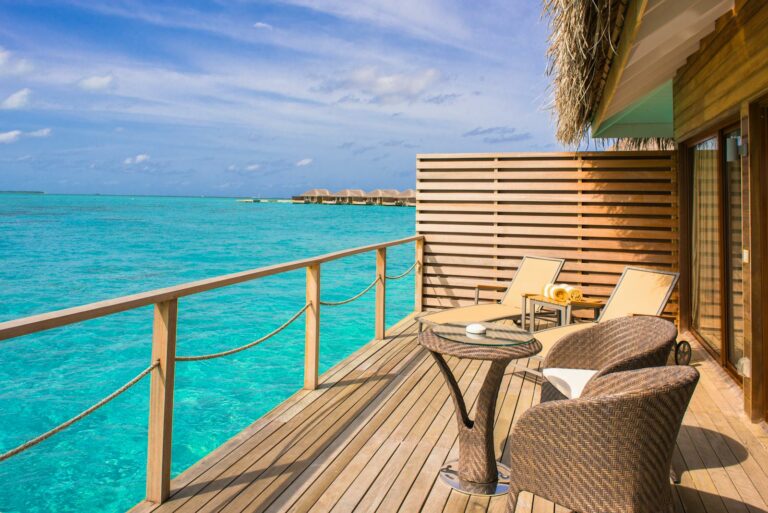
Bespoke Botswana itinerary
Pick your headlines; we design the route, brief private guides, and book hotels.
Enquire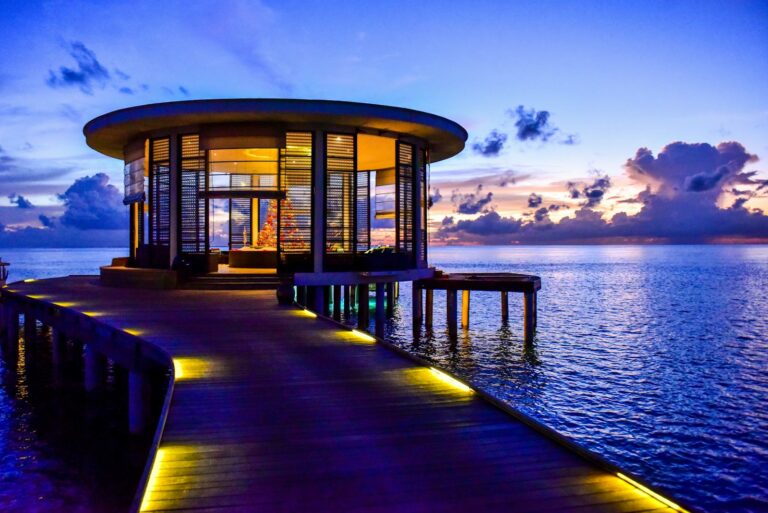
Multi-generational Botswana
A pace that suits three generations.
Enquire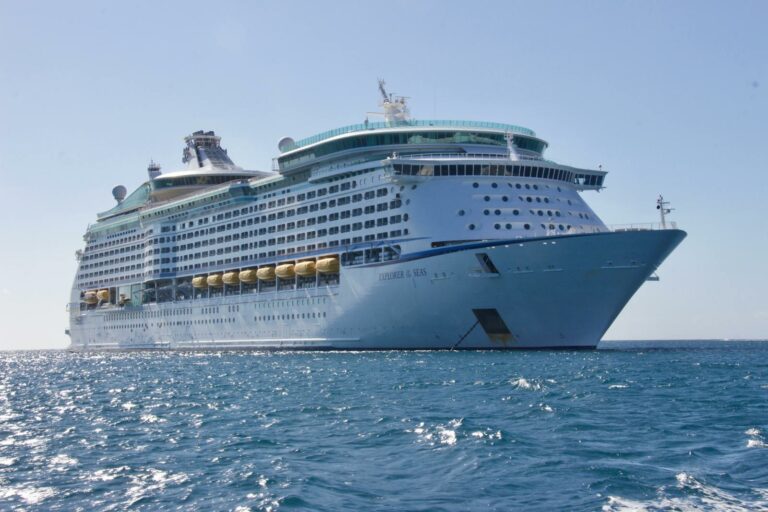
Botswana + cruise
Pair Botswana with a cruise — booked end-to-end.
Enquire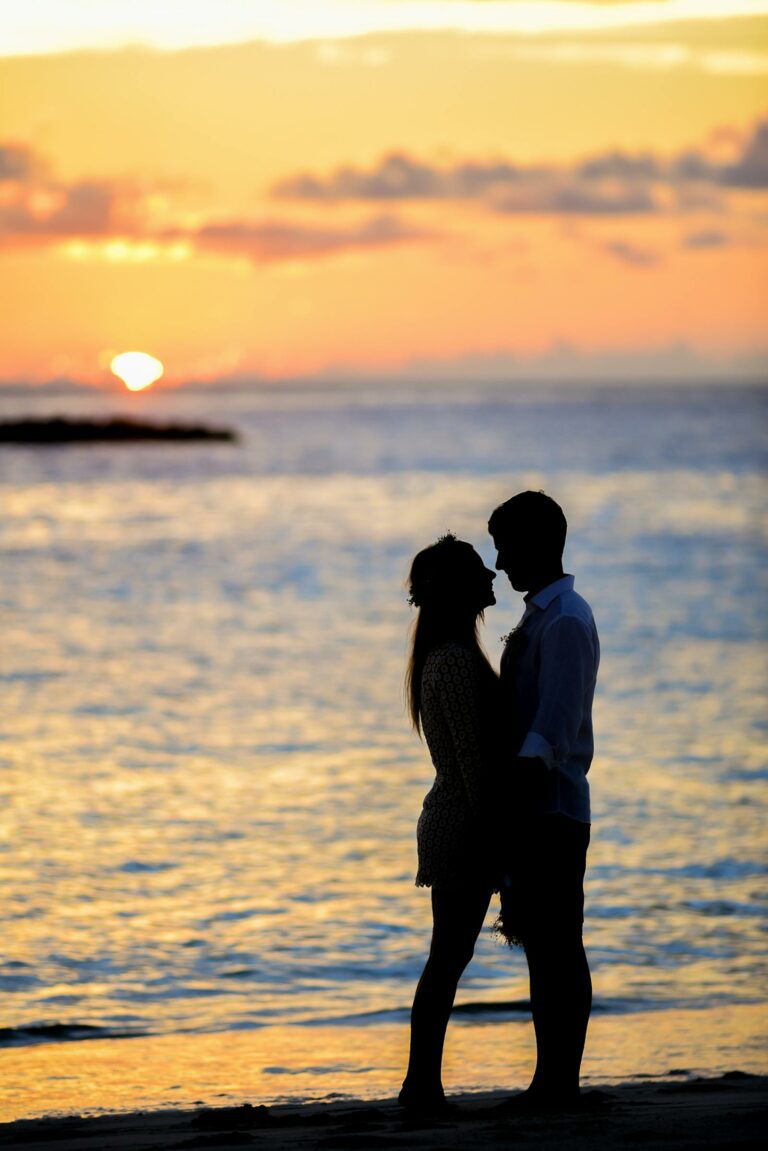
Honeymoon or special celebration
A milestone trip quietly arranged.
EnquirePractical info
Knowing before you go
When to go
Jan
27°
Feb
28°
Mar
28°
Apr
26°
May
25°
Jun
23°
Jul
23°
Aug
23°
Sep
25°
Oct
26°
Nov
25°
Dec
26°
May-October is the dry safari season. Okavango is best Jun-Aug (flood waters peak). November-April is green-season — lower rates.
Flights & how to get there
Flights from UK to Botswana — ~14h via Johannesburg.
Visa & passport
UK passport holders get 90 days visa-free entry. For up-to-date entry requirements and safety advice, check the UK FCDO travel advice for Botswana.
Currency & money
The Botswana Pula (BWP). Cards in cities; cash for rural. 10% tip standard.
Language & tipping
English (official), Setswana.
Health & safety
Consult your GP 6 weeks before travel. Yellow fever often required for African travel; malaria prophylaxis for many regions. Buy comprehensive travel insurance.
FAQs
Botswana — your questions
When is the best time to visit Botswana?
May–October is the dry season — best for wildlife concentrations at water. The Okavango Delta is best June–August (flood waters at peak). November–April is the green season, lower rates, fewer travellers.
Do I need a visa for Botswana?
UK passport holders get 90 days visa-free entry.
Is Botswana more expensive than Kenya or South Africa?
Yes — typically £600–£1,500 per person per night for premium camps. The trade-off is far fewer vehicles per sighting and very intimate camps (often 8–16 guests total).
Can I combine Botswana with Victoria Falls or Namibia?
Yes — Maun (Botswana) flies daily to Vic Falls (1h) and Windhoek (Namibia, 2h). 14-day Botswana + Vic Falls is the most popular combination.
Make this trip yours
Plan your Botswana holiday with a Travel Designer
Pick from any of the options on this page or tell us what you have in mind — we'll build it around how you actually like to travel. ATOL protected, flights included, real humans available 9am–7pm.
ATOL protected
100% financially protected in a Trust bank account
PTS 6035
4.7 on Trustpilot