
Travelisto destinations
Colombia holidays
Cartagena's walled old town, Medellín's renaissance, the coffee triangle and Tayrona's Caribbean beaches — Colombia is South America's emerging headliner.
Overview
Welcome to Colombia
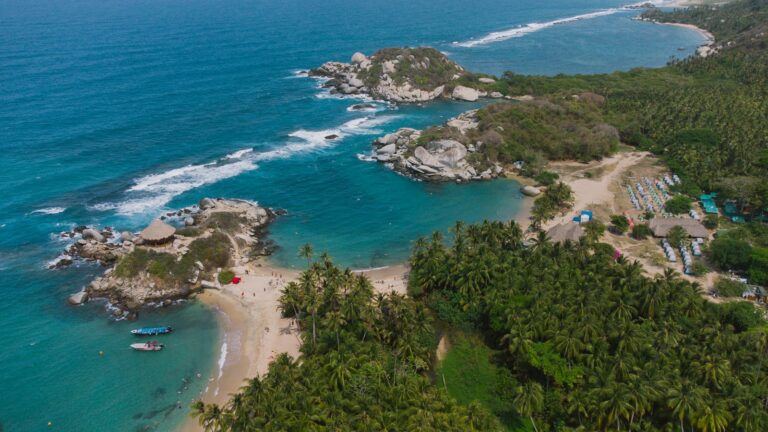
Colombia has transformed from one of South America's most-avoided destinations to one of its most-rewarding in the last fifteen years — peace agreements with FARC in 2016, dramatic crime drops in tourist areas, and a tourism infrastructure that has matured rapidly with strong domestic operators (Aviatur, Awasi Patagonia's Colombia arm, Metropolitan Touring) and increasingly serious boutique hotels. The headline destinations: colonial Cartagena de Indias on the Caribbean coast (UNESCO Walled City, the most-photographed Colombian destination — Getsemani's street art and salsa bars, the offshore Rosario Islands for beach days, Cafe del Mar sunset on the walls, dinner at La Vitrola for Cuban-influenced live music); the Coffee Triangle (Eje Cafetero) around Salento, Filandia, and the Cocora Valley with the world's tallest palm trees (wax palms 60m tall, the Quindio wax palm — Colombia's national tree); Bogota the cosmopolitan capital (the Gold Museum holding 35,000 pre-Columbian gold objects, Monserrate funicular for the city panorama at 3,150m, the colonial La Candelaria district, the modern El Chico neighbourhood); Medellin's reinvention story (the cable-car metro Metro Cable connecting hillside slums to the centre, Comuna 13's street-art tour, the Pablo Escobar history and the reckoning with that legacy); Tayrona National Park's jungle-beach hike on the Caribbean coast; the Lost City (Ciudad Perdida) 6-day trek through the Sierra Nevada to an Indigenous-built archaeology site predating Machu Picchu by 600 years; and Caño Cristales the "river of five colors" in Meta department (June-November only, when the macarenia clavigera plant turns the riverbed red, yellow, blue, green and black).
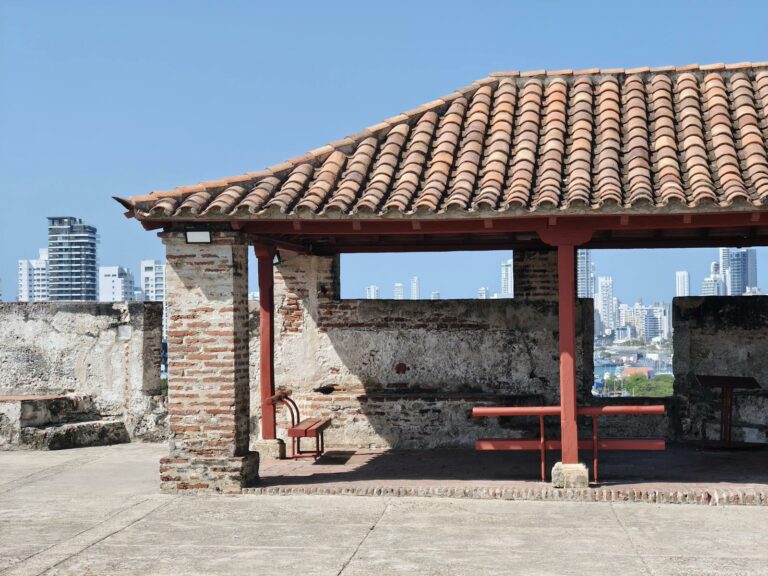
A 12-14 day Colombia trip: Bogota arrival (2-3 nights — Gold Museum (Museo del Oro), Plaza de Bolivar, La Candelaria walking with the Botero Museum, Monserrate funicular for sunset views, Mercado de Paloquemao food market, day-trip to Zipaquira Salt Cathedral 50km north) → fly to the Coffee Triangle, basing at Salento (2-3 nights — coffee farm tours at Recuca, El Ocaso or Don Elias, the Cocora Valley wax palm hike, the colourful Salento Calle Real, the Filandia day-trip with the Mirador Colina Iluminada viewpoint) → fly to Medellin (3 nights — Comuna 13 street-art guided tour (essential — the local community contextualisation transforms the experience), the Metro Cable up to Santo Domingo, the El Poblado neighbourhood for cafes and restaurants, the Pablo Escobar tour (controversial — many Colombians find it offensive; the Casa Museo at Hacienda Napoles offers the more-historic alternative)) → fly to Cartagena (3-4 nights — the Walled City Old Town walking, Getsemani for the street art and salsa bars, Cafe del Mar sunset cocktails on the walls, dinner at Carmen for modern Colombian, the Rosario Islands day-trip from the Muelle Turistico, the Castillo San Felipe de Barajas fortress climb).
Read more
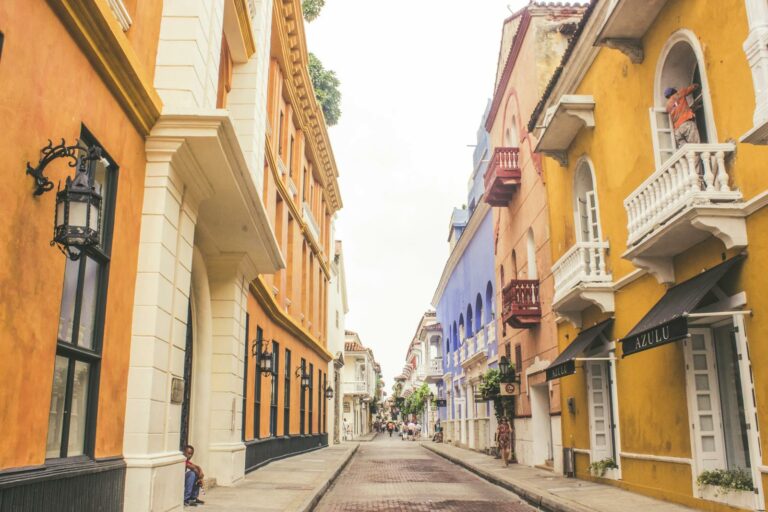
Cartagena de Indias is the country's headline Caribbean destination. Founded in 1533 by Pedro de Heredia, it became Spain's most-important port in the New World — the bullion ships departed for Seville from here. The result is a UNESCO-listed colonial walled city with 11km of preserved fortifications (the longest fortifications in South America), candy-colored stucco facades, balconies dripping with bougainvillea, and a deep Afro-Caribbean cultural layer that's closer to Havana or Salvador da Bahia than to Bogota or Medellin. The Walled City (Centro Historico) and Getsemani (the formerly-edgy quarter that's now the trip's most-photographed area with the famous "Umbrella Street" and the Plaza Trinidad) are walkable. The offshore Rosario Islands are a 45-minute boat from the main port — day-trips to the boutique-resort island of Isla Baru (or the splurge Sofitel Baru Calablanca for an overnight) reach the Caribbean beach without the all-inclusive vibe.
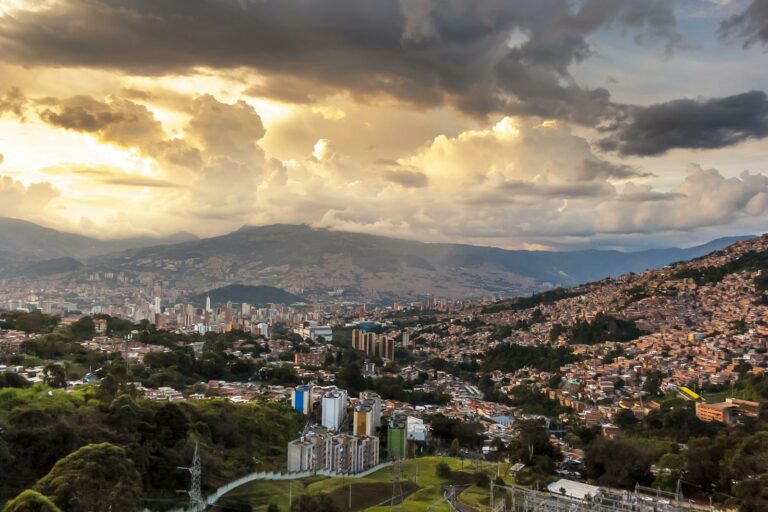
Medellin's reinvention is one of Latin America's great urban-renewal stories. In 1991 it was the world's most-violent city (murder rate 380/100,000). Today's rate is around 14/100,000 — lower than several US cities. The Metro Cable cable-car-as-public-transit system (the first such municipal system in the world) connects the steep hillside slums of Comuna 1 and Santo Domingo to the metro network — both a transport solution and a social-integration symbol. Comuna 13 (in the western hills) was the most-violent neighbourhood during the cartel years; today it's the headline tourist destination with the dramatic outdoor escalators (a 2011 public-works project that reduced commuting time from 35 minutes uphill to 5 minutes), street-art murals telling the neighbourhood's history, and the local hip-hop scene. The Casa de la Memoria museum tells the cartel-era story unflinchingly.
The food: arepas (the corn cake, varied by region — the thicker arepa de huevo from the Caribbean, the smaller paisa from Antioquia, the choclo sweet-corn version), bandeja paisa (Antioquia's mountain breakfast — pork, rice, beans, plantain, avocado, fried egg, chorizo, chicharron), the seafood ceviches of the Caribbean coast, ajiaco (the Bogota chicken-and-potato soup), the fruit varieties unknown to Europe (lulo, guanabana, maracuya, cherimoya, feijoa, pitaya — best at Bogota's Paloquemao market). Coffee is exceptional — the country's coffee-growing region is a UNESCO Cultural Landscape, and single-origin Huila, Caldas, Antioquia and Sierra Nevada beans now compete with the world's top specialty origins. Salsa is the Caribbean coast's music; cumbia originated here; reggaeton in Medellin (J Balvin, Maluma, Karol G all from here); plus the Andean folkloric vallenato in Valledupar.
UK travellers don't need a visa for stays up to 90 days. Colombia uses the Colombian Peso (COP) — high inflation in 2022-23 has the currency at roughly 5,000 COP to the GBP. Spanish is the universal language with a distinctive Colombian accent (clear, considered one of the easier Latin American accents for learners); English is patchy outside upscale tourism and the young in Bogota and Medellin. Direct UK flights are limited — most travellers route via Madrid, Frankfurt, Amsterdam or via the US East Coast. Internal flights connect everything quickly and cheaply on Avianca, Latam and Wingo.
Best for: colonial-city travellers, coffee enthusiasts (Colombia's coffee-growing region is one of the world's finest), photographers (Cartagena and the Cocora Valley wax palms are postcard-iconic), salsa and music travellers, Pablo Escobar-history travellers (handle with care), adventure travellers (the Lost City trek, paragliding from San Gil, snorkelling at Tayrona). Often combined with Ecuador, Peru, Panama (Cartagena-Panama City is 75 minutes by flight), or as a 2-week standalone.
From the team
Why we love Colombia

Colombia is the country I send people on who want Latin America at its most vibrant — Cartagena alone justifies the trip, then add Medellín for the contemporary energy.
Amanda Amanda, Travel Designer · Music & Culture Meet our Travel DesignersMain areas
Where to go in Colombia
3 distinct regions — they pair beautifully two or three at a time.
Cartagena & Caribbean Coast
Cartagena
Tayrona NP
Santa Marta
Coffee Region & Medellín
Medellín
Salento
Pereira
Valle de Cocora
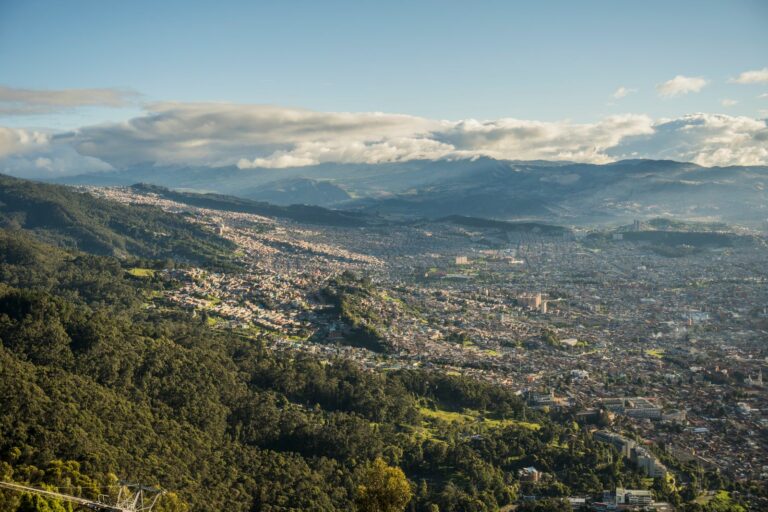
Bogotá & Central
Bogotá
Zipaquirá
Villa de Leyva
Find your trip
Holiday types in Colombia
Pick a holiday style — or combine two. Each section links straight to the next step.
Beach holidays
Beach destinations grouped by resort area — pick the cluster that matches your pace.
City breaks
Colombia's cities reward 2-4 nights each — pair two for a tailor-made multi-centre trip.
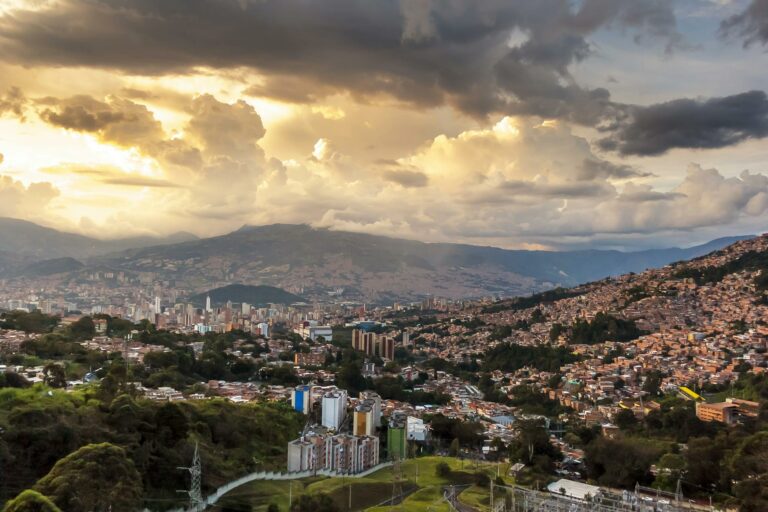
Medellín
Cruises
Cartagena is one of the Caribbean's great cruise ports — most Southern Caribbean cruises call here for the UNESCO walled city.
Escorted tours
13 escorted tours through Colombia — guided, customisable, fully ATOL-protected.
Every Travelisto tour runs with a small group (max 16), an English-speaking local leader, and is fully ATOL-protected. Most tours are also bookable as private departures.
Tailor-made
Everything you see above is a starting point — we'll shape any of these around how you actually want to travel.
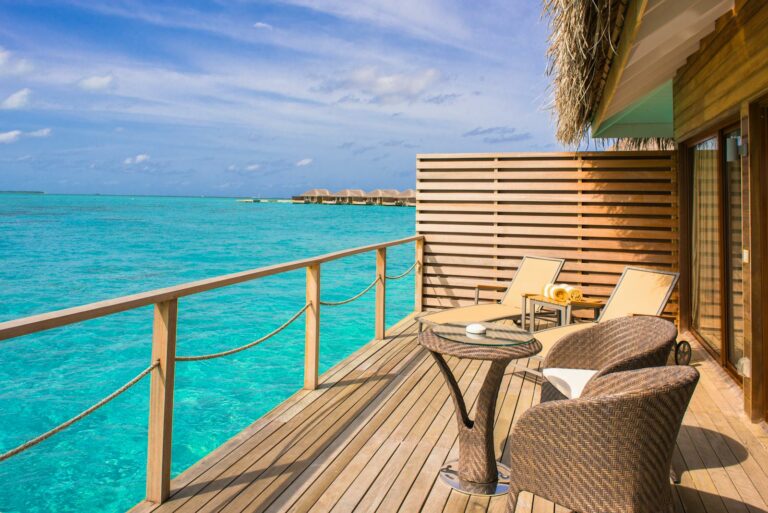
Bespoke Colombia itinerary
Pick your headlines; we design the route and book the hotels.
Enquire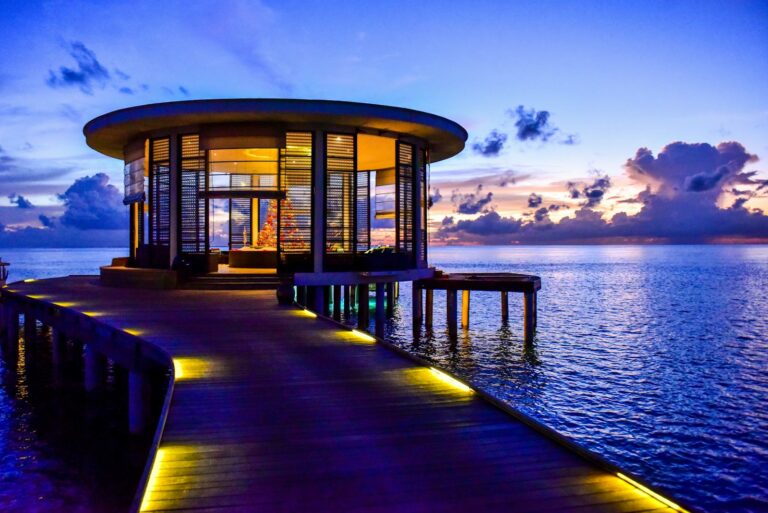
Multi-generational Colombia
A pace that suits three generations.
Enquire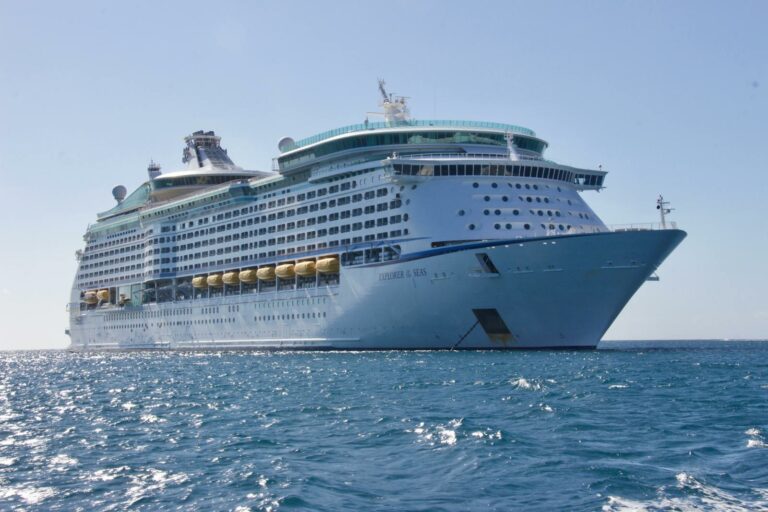
Colombia + cruise
Pair Colombia with a cruise — booked end-to-end.
Enquire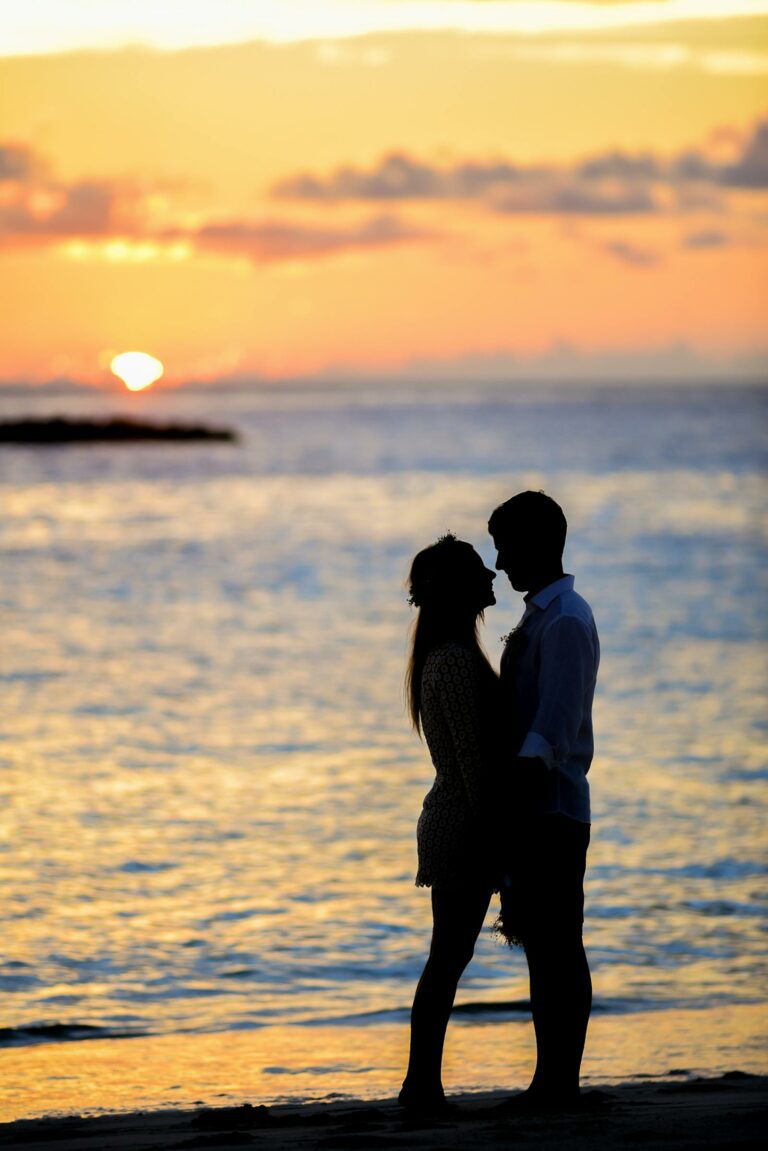
Honeymoon or special celebration
A milestone trip quietly arranged.
EnquirePractical info
Knowing before you go
When to go
Jan
30°
Feb
31°
Mar
31°
Apr
31°
May
30°
Jun
30°
Jul
31°
Aug
31°
Sep
30°
Oct
30°
Nov
30°
Dec
30°
December-March is dry. June-August can be hot on coast. Bogotá altitude (2,640m) stays mild year-round.
Flights & how to get there
Flights from UK to Colombia — ~12h to Bogotá or Cartagena (1 stop).
Visa & passport
UK passport holders get 90 days visa-free entry. For up-to-date entry requirements and safety advice, check the UK FCDO travel advice for Colombia.
Currency & money
The Colombian Peso (COP). Cards in cities; cash for rural. 10% tip standard.
Language & tipping
Spanish.
Health & safety
Consult your GP 6 weeks before travel. Yellow fever often required, malaria prophylaxis for jungle regions. Buy comprehensive travel insurance.
FAQs
Colombia — your questions
When is the best time to visit Colombia?
Year-round (equatorial). December–March is the driest. April–October sees afternoon showers in some regions.
Do I need a visa for Colombia?
UK passport holders get 90 days visa-free.
Is Colombia safe?
Tourist regions (Bogotá historic centre, Medellín, Cartagena, coffee zone) are well-managed and safe. Avoid unfamiliar areas at night; we brief travellers.
Make this trip yours
Plan your Colombia holiday with a Travel Designer
Pick from any of the options on this page or tell us what you have in mind — we'll build it around how you actually like to travel. ATOL protected, flights included, real humans available 9am–7pm.
ATOL protected
100% financially protected in a Trust bank account
PTS 6035
4.7 on Trustpilot