
Travelisto destinations
Comoros holidays
Volcanic islands between Madagascar and East Africa — luxury seclusion off most travel maps.
Overview
Welcome to Comoros
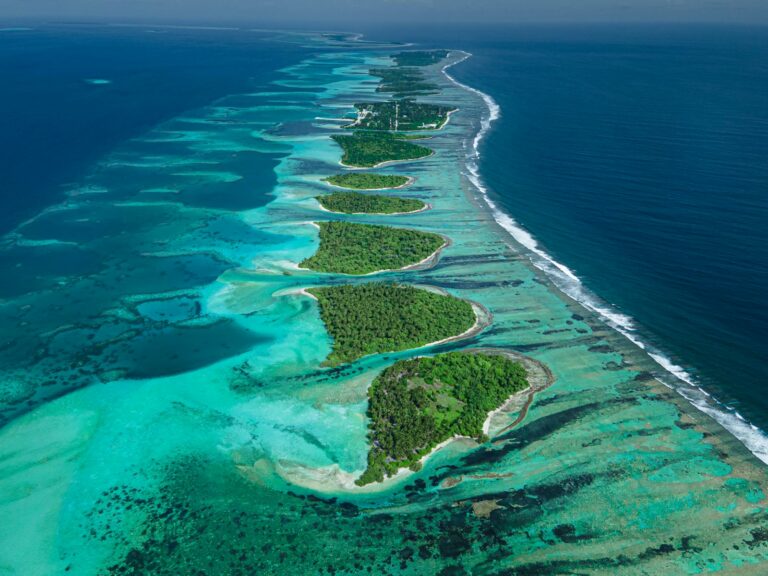
The Comoros are three volcanic Indian Ocean islands between Mozambique and Madagascar — Grande Comore (with the still-active Karthala volcano at 2,361m, the world's largest active caldera), Mohéli (the smallest and most-wildlife-rich, with green sea turtle nesting beaches at Itsamia and humpback whale calving season July-October), and Anjouan (the most-rugged with dramatic mountains, perfume-flower distilleries, and Ottoman-era heritage). The fourth island in the geographical Comoros archipelago — Mayotte — remains French territory since the 1974 referendum where Mayotte voted to remain French while the other three islands voted for independence. Total visitor numbers across all three independent Comoros islands typically run under 30,000 per year (the entire country gets fewer visitors than a single Bali beach hotel) making the Comoros one of the genuinely off-the-beaten-track Indian Ocean destinations.
A 7-10 day Comoros trip: fly into Moroni on Grande Comore (2 nights — Old Friday Mosque (Ancienne Mosquée du Vendredi), the Volo Volo souq, the seafront promenade, optional Lac Salé visit on the southern coast, lemon-grass tea and cardamom coffee tasting at the small Mukamzine cooperative) → Karthala volcano day-hike or overnight rim camp (this is a serious 12-hour ascent — challenging climb of 2,361m, the world's largest active caldera at 3km wide, with overnight Bedouin-style camping at the rim possible and the dawn descent into the caldera with a local guide; the last major eruption was 2007 — the volcano is genuinely active) → fly or boat to Mohéli (3-4 nights at the Laka Lodge or the smaller La Robie Lodge — basic ecolodge accommodation, the country's only marine park, sea turtle watching at Itsamia (the largest green-turtle nesting beach in the western Indian Ocean), snorkelling and humpback whales July-October, the Nioumachoua coastal village, the inland lemur-and-bat forest reserve at Mlima Mlima) → optionally Anjouan (2 nights — Mutsamudu the historic Ottoman-era old town, the perfume-flower distilleries (Anjouan is one of the world's main ylang-ylang producers — the essential oil that goes into Chanel No. 5 and most major perfumes), the Bushmaster waterfall, the Lac Dzialandzé crater lake at 1,420m).
Read more
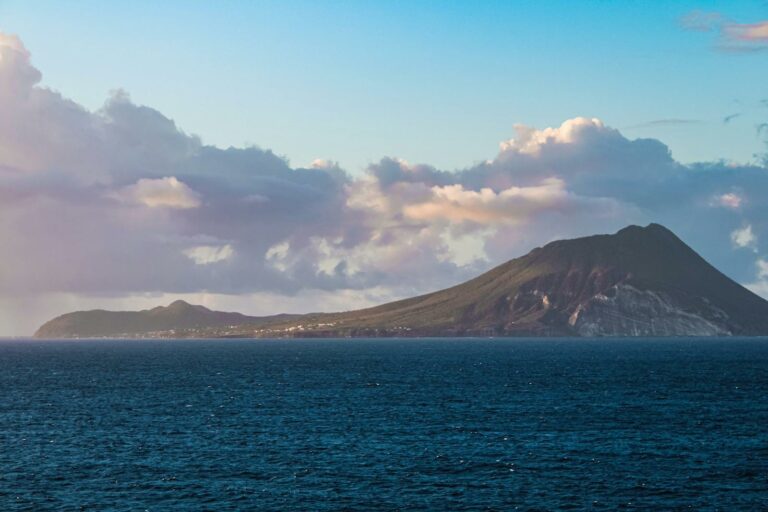
Grande Comore is the headline island and hosts the international airport and most accommodation infrastructure. The capital Moroni (population ~70,000) is the genuine working capital — the Old Friday Mosque with its 15th-century minaret faces the harbour, the souq is genuinely working not touristic, and the Itsoundzou Cemetery overlooks the Bay of Moroni with views to the Karthala volcano on clear days. The Karthala volcano dominates the island's centre — it's the largest active volcano in the Comoros and one of the world's largest active volcanoes by caldera size. Climbing Karthala is the trip's biggest physical challenge — 12 hours up-and-down via the Idjikoundzi or Boboni trails, with a possible overnight at the rim shelter to see the dawn descent into the caldera. The volcano has had eight major eruptions in the 20th century (most recently 1991 and 2005-2007), so eruption status should be checked before climbing.
Mohéli is the country's ecological treasure and the headline reason to visit. The island has just 50,000 residents on 211 sq km, with only a partly-paved ring-road around the perimeter. The Mohéli Marine Park (the country's first protected area, established 2001) covers most of the southern coastline and includes the green-turtle nesting beaches at Itsamia (the marine park headquarters and the most-accessible turtle-watching) and Nioumachoua, plus the dramatic offshore Nioumachoua Islets that are uninhabited and harbour the country's most-accessible coral reefs. The green-turtle nesting season runs roughly year-round but peaks April-September, with up to 5,000 nesting females in the marine park each season — guided nighttime turtle-watching at Itsamia is the genuine experience. The humpback whale calving season runs July-October, with breaching and singing whales frequently visible from the boats and even from the shore around Nioumachoua. Inland Mohéli's tropical forests harbour the Livingstone fruit bat (the world's largest fruit bat species, endemic to the Comoros and Mayotte) and the Mohéli sleeper rat.
The cultural blend of the Comoros is genuinely unusual. The Comorian language (Shikomori) is a Bantu language closely related to Swahili but with substantial Arabic, French and Malagasy vocabulary borrowings. The population is 99% Sunni Muslim with a deep Sufi mystical tradition (the Shadhili and Qadiriyya brotherhoods). Architecture blends Swahili coastal (the carved-wood doors, the Stone Town aesthetic), Ottoman-era influence (especially on Anjouan with the Citadel and Sultan's Palace), and African mainland mud-brick rural architecture. Cuisine leans on coconut, banana, octopus, the Indian-Ocean spice cabinet (clove, cinnamon, vanilla, cardamom) and the M'tsolola fish-and-coconut stew. The Comoros are one of the world's top three vanilla producers (alongside Madagascar and Tahiti), and vanilla-and-spice cooperative visits offer the genuine economic-cultural experience.
Practical logistics are challenging. Limited international flights (Kenya Airways from Nairobi, Air Tanzania from Dar es Salaam, Madagascar Airlines from Antananarivo, Ethiopian Airlines from Addis Ababa, and the occasional charter from Paris via Inter-Iles Air Service) plus inter-island flights on the small AB Aviation propeller planes (15-25 minute hops, with occasional weather cancellations and overbooking). Hotel infrastructure is genuinely basic outside the few upscale options (Le Galawa Beach Resort on Grande Comore is the largest, with 100 rooms; Laka Lodge on Mohéli is the headline ecolodge). Roads are limited to ring-road circuits on each island. Mobile phone coverage is patchy outside major towns; internet is slow and expensive.
UK travellers can apply for an e-Visa or visa-on-arrival at Moroni airport ($45 USD cash). The Comoros uses the Comorian Franc (KMF) but Euros are widely accepted in tourism. French is the working language; Comorian and Arabic are official; English is rare outside hotels. Cash is essential — credit-card acceptance is limited to the largest hotels.
Best for: adventurous Indian Ocean travellers who have already done Zanzibar or the Seychelles, vanilla-and-spice enthusiasts, divers and snorkellers (the marine park around Mohéli is genuinely-pristine), eco-travellers seeking minimal-tourism destinations, off-the-beaten-track Indian Ocean specialists. Pair with Madagascar (15-minute flight from Mayotte to Antananarivo is possible via Mauritius) or Tanzania (Zanzibar is closest direct connection). May-November is the dry season — the prime window; December-April brings the rainy season and cyclone risk.
From the team
Why we love Comoros

The Comoros are the true off-the-beaten-track Indian Ocean trip — fewer than 30,000 travellers per year visit.
Arna Van Gogh Arna Van Gogh, Contributor · Slow-travel Meet our Travel DesignersMain areas
Where to go in Comoros
1 distinct regions — they pair beautifully two or three at a time.
Grande Comore & Karthala
Moroni
Karthala Volcano
Mitsamiouli
Find your trip
Holiday types in Comoros
Pick a holiday style — or combine two. Each section links straight to the next step.
Beach holidays
Beach destinations grouped by resort area — pick the cluster that matches your pace.
City breaks
Comoros's cities reward 2-4 nights each — pair two for a tailor-made multi-centre trip.
Mutsamudu
Cruises
Comoros cruise itineraries and Indian Ocean / Atlantic routes available.
Escorted tours
1 escorted tours through Comoros — guided, customisable, fully ATOL-protected.
Every Travelisto tour runs with a small group (max 16), an English-speaking local leader, and is fully ATOL-protected.
Tailor-made
Everything you see above is a starting point — we'll shape any of these around how you actually want to travel.
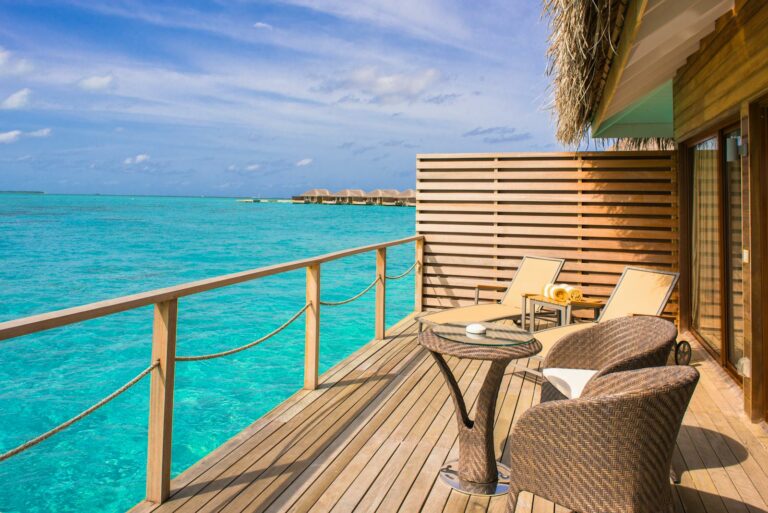
Bespoke Comoros itinerary
Pick your headlines; we design the route, brief private guides, and book hotels.
Enquire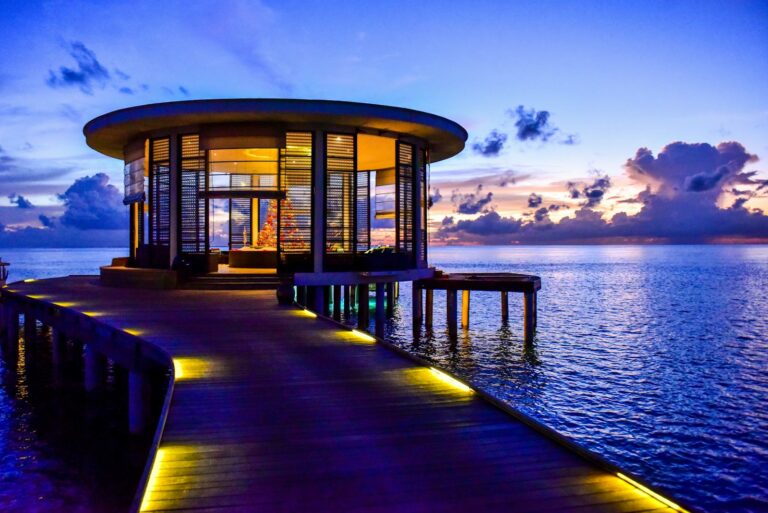
Multi-generational Comoros
A pace that suits three generations.
Enquire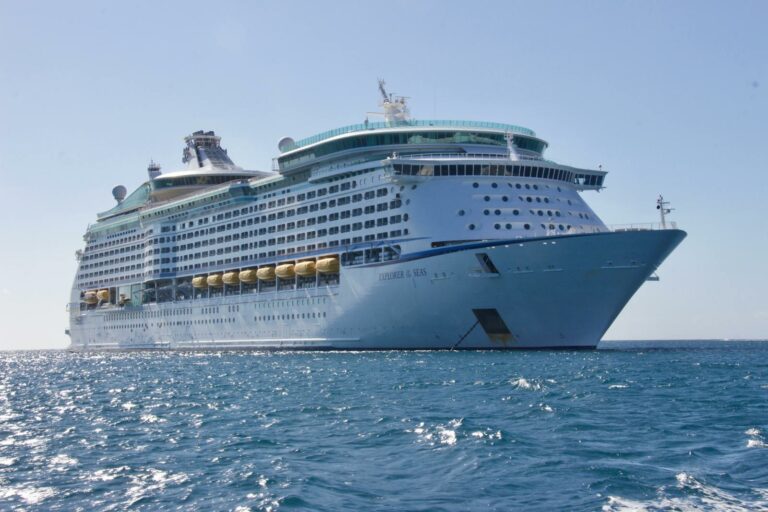
Comoros + cruise
Pair Comoros with a cruise — booked end-to-end.
Enquire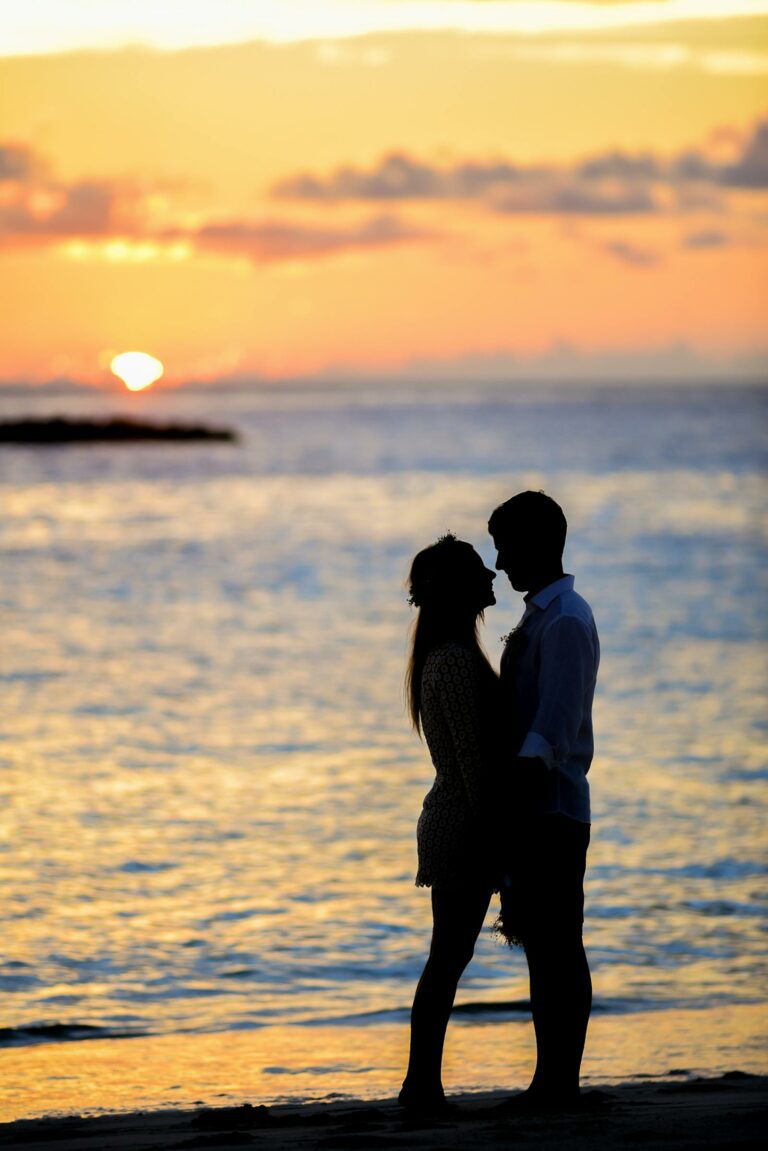
Honeymoon or special celebration
A milestone trip quietly arranged.
EnquirePractical info
Knowing before you go
When to go
Jan
30°
Feb
31°
Mar
31°
Apr
31°
May
30°
Jun
29°
Jul
29°
Aug
29°
Sep
30°
Oct
30°
Nov
30°
Dec
29°
May-November is the dry season. December-April is rainy and humid.
Flights & how to get there
Flights from UK to Comoros — ~13h via Paris or Nairobi.
Visa & passport
UK passport holders get visa-on-arrival ($30 for 45 days). For up-to-date entry requirements and safety advice, check the UK FCDO travel advice for Comoros.
Currency & money
The Comorian Franc (KMF). Cards in cities; cash for rural. 10% tip standard.
Language & tipping
Comorian, Arabic, French.
Health & safety
Consult your GP 6 weeks before travel. Yellow fever often required for African travel; malaria prophylaxis for many regions. Buy comprehensive travel insurance.
Make this trip yours
Plan your Comoros holiday with a Travel Designer
Pick from any of the options on this page or tell us what you have in mind — we'll build it around how you actually like to travel. ATOL protected, flights included, real humans available 9am–7pm.
ATOL protected
100% financially protected in a Trust bank account
PTS 6035
4.7 on Trustpilot