
Travelisto destinations
Croatia holidays
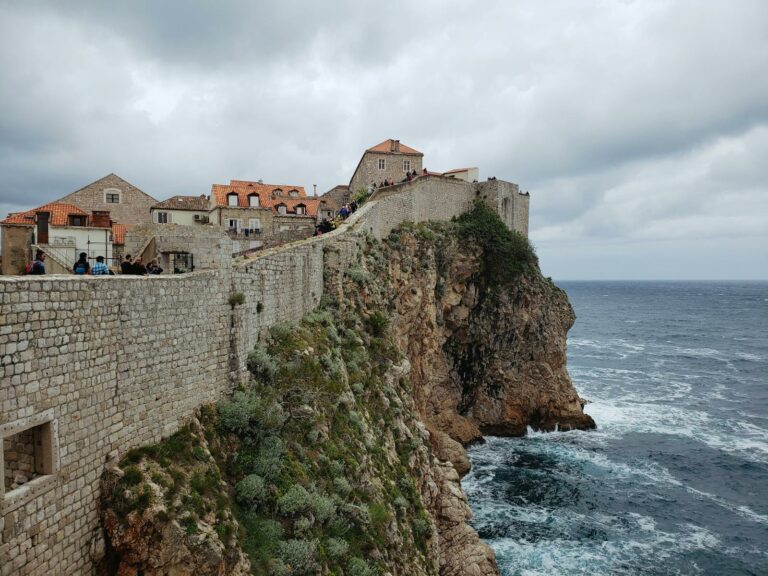
Dubrovnik's walls, Plitvice's waterfalls, the Adriatic island-hop from Split to Hvar — Croatia at its high-season best, or shoulder-month quiet.
Overview
Welcome to Croatia
Croatia became Europe's breakout Mediterranean destination over the past decade, and the country has settled into its new role gracefully. Dubrovnik for the headline, Split as the practical base for the Dalmatian coast, Hvar and Korčula for the islands, and Plitvice Lakes inland for the waterfall-meadow National Park. It is the Mediterranean with cleaner water, lower prices and a more recent history — Croatia only became fully independent in the 1990s.
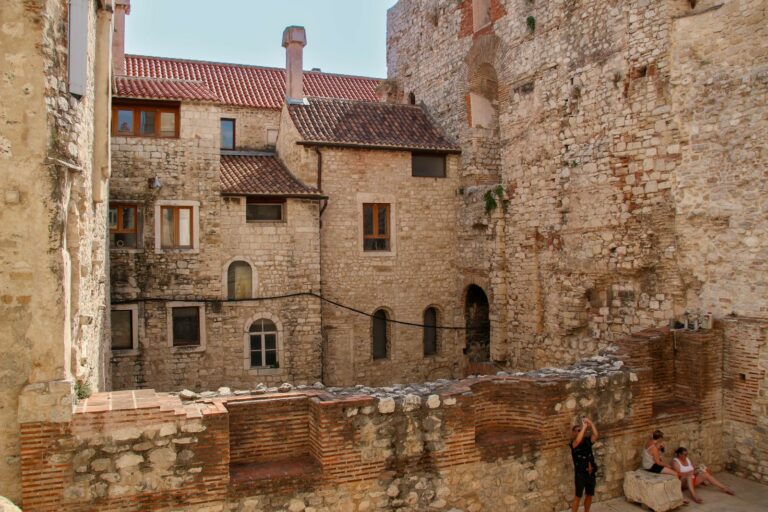
The headline Croatia trip is Dubrovnik (2-3 nights) + a Dalmatian island week — Hvar, Brač, Korčula, Vis — by ferry or small-ship cruise, 10-12 days total. Add Plitvice Lakes as a day-or-overnight inland excursion. For travellers who want a coastal-and-cultural mix, Split serves better than Dubrovnik as a base — Roman Diocletian's Palace forms the old town centre, ferries to all the islands depart from here, and the cost-per-night is lower.
Read more
The Croatian islands deserve more nuance than UK travellers usually give them. Hvar is the cosmopolitan headline (Hvar Town's nightlife, the Pakleni Islands' beach clubs), Brač is the family-resort end (Bol's Zlatni Rat horn beach), Korčula is the wine-and-quiet island (Marco Polo's claimed birthplace), Vis is the off-the-grid hideaway, and Mljet is the National Park island with two saltwater lakes. We design quite different trips around each.
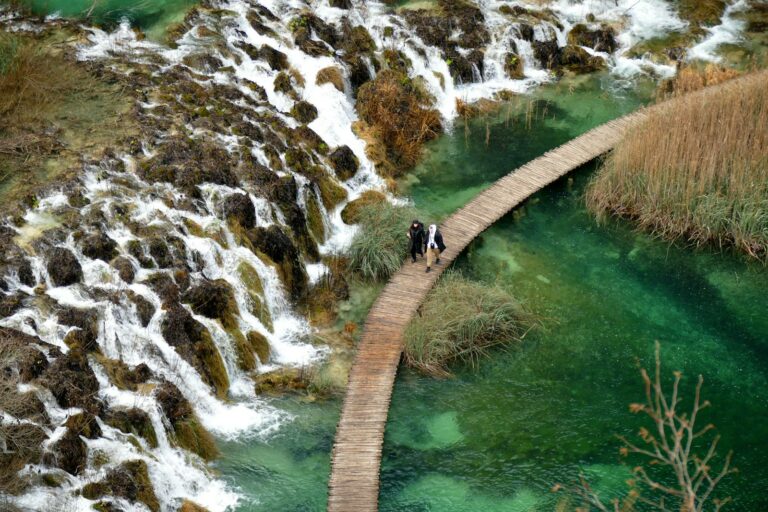
Plitvice Lakes is the inland excursion every Croatia traveller should make. Sixteen interconnected lakes tumbling down a 500m descent via waterfalls — a half-day walk between the highest and lowest. The colour of the water (mineral-rich, turquoise) is genuinely unlike anywhere else in Europe. We typically build Plitvice as a 1-night stop between Zagreb and Split, or as a day-trip from Zadar.
The seasonal rhythm: May-June and September-October are the prime months — the sea is swimmable from late May through October, the crowds are below July-August levels, and Dubrovnik's narrow old-town streets are walkable rather than packed. July-August is hot (32-35°C), busy on Hvar and in Dubrovnik, and 30-40% more expensive. November-March: most islands shut down, but Zagreb and Dubrovnik's Christmas markets are quietly excellent.
Croatian food rewards travellers who like Italian-influenced Mediterranean cooking with a Balkan accent. The Dalmatian coast is grilled-fish, peka (slow-cooked under a bell), prosciutto and Pošip white wine; the Istrian peninsula in the north (the closest part of Croatia to Italy) is one of Europe's under-rated truffle and olive-oil regions; Zagreb in the interior is heartier — štrukli pastries, Zagorje turkey, Slavonian sausage. We routinely build food-led trips through Istria for second-time Croatia visitors.
Croatia pairs naturally with Italy (overnight ferry Bari-Dubrovnik or Ancona-Split), Slovenia (3h drive Zagreb-Ljubljana), Bosnia & Herzegovina (3h drive Dubrovnik-Mostar) and Montenegro (2h drive Dubrovnik-Kotor). The most-booked combination is Croatia + Slovenia (a fortnight) or Dalmatian coast + a Montenegro day-trip.
Best time
May–Oct (peak Jul–Aug)
Flight from UK
~2½h to Dubrovnik / Split
Currency
Euro (€)
Language
Croatian
From the team
Why we love Croatia

Croatia is the country I send people to when they want Mediterranean island life without Italian or Greek prices — and a coastline that still feels a little undiscovered, even after a decade of being not-undiscovered. The water clarity along the Dalmatian coast is, simply, among the best in Europe.
My quiet recommendation: skip Dubrovnik as a base. Stay 1 night there, walk the walls at dawn before the cruise ships arrive, then move to Split or directly to an island. Hvar for cosmopolitan; Korčula for slow; Vis for true escape.
Rossella Rossella, Luxury & Destination Specialist Meet our Travel DesignersMain areas
Where to go in Croatia
5 distinct regions — they pair beautifully two or three at a time.
Dubrovnik & Southern Dalmatia
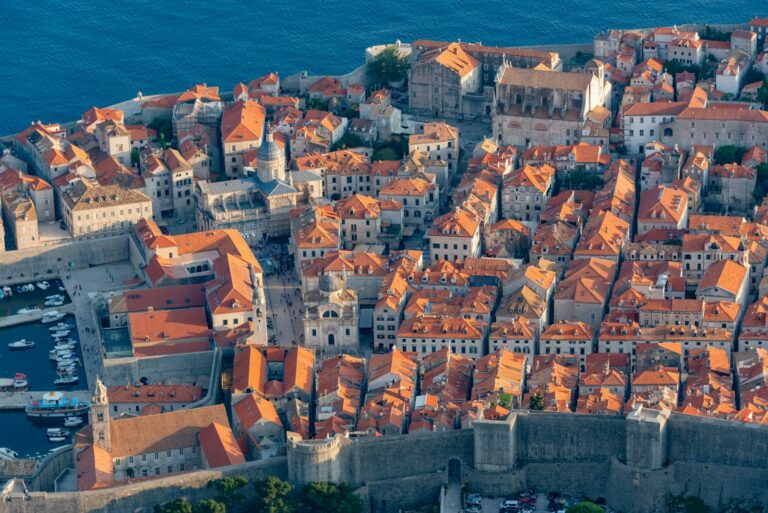
Dubrovnik
Cavtat
Pelješac
Mljet
Split & Central Dalmatia
Split
Hvar
Brač
Trogir
Northern Dalmatia & Zadar
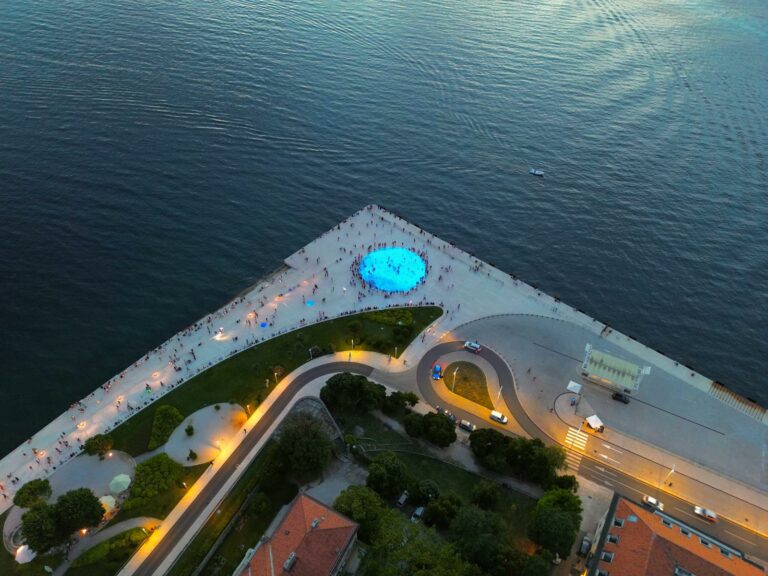
Zadar
Kornati Islands
Šibenik
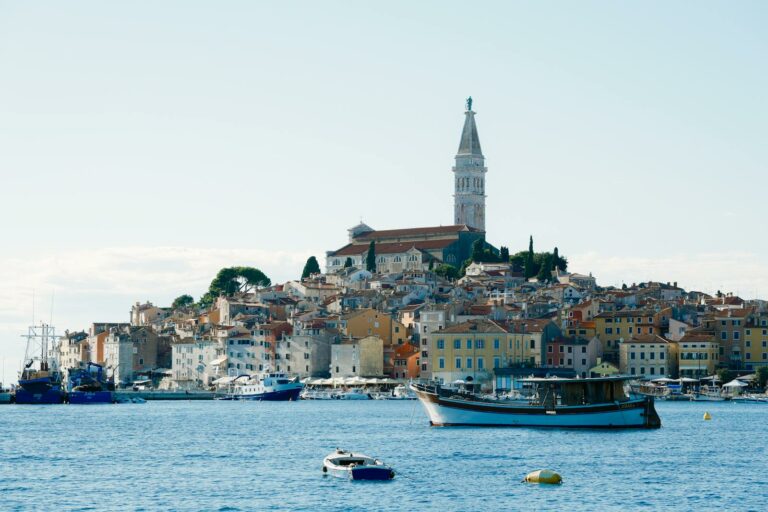
Istria
Rovinj
Pula
Motovun
Poreč
Plitvice & Inland
Plitvice Lakes
Krka
Zagreb
Find your trip
Holiday types in Croatia
Pick a holiday style — or combine two. Each section links straight to the next step.
Beach holidays
Beach destinations grouped by resort area — pick the cluster that matches your pace.
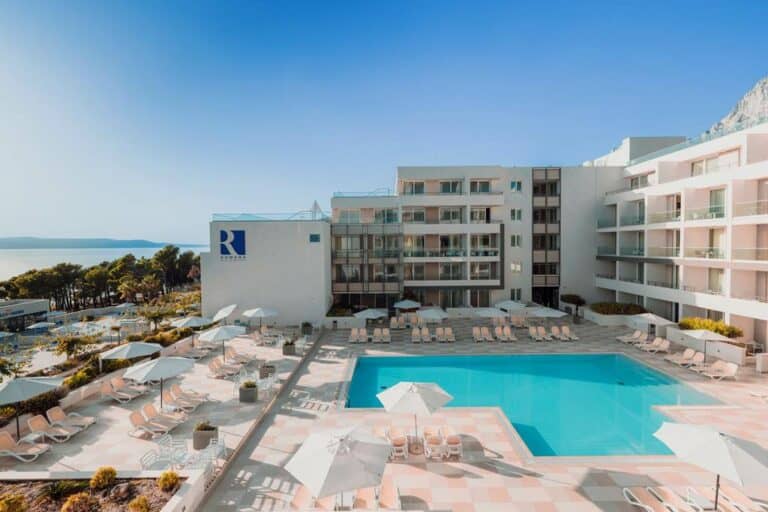
Romana Beach Resort Apartments
Croatia
See hotel →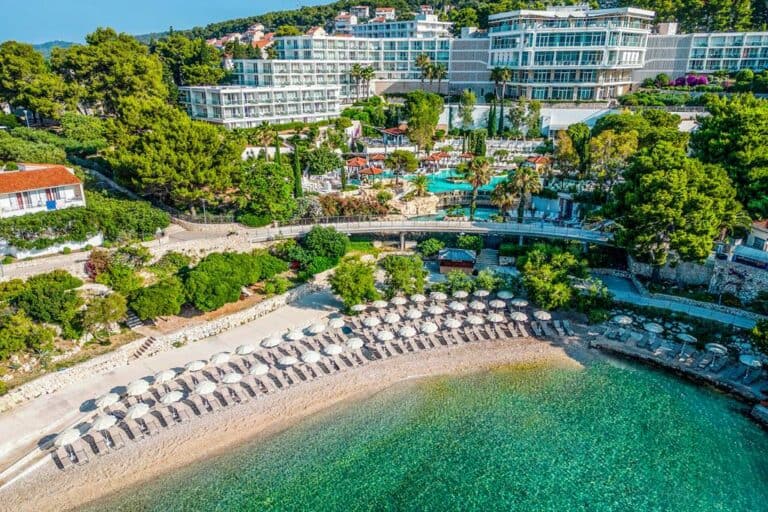
Hotel Amfora Grand Beach Resort
Croatia
See hotel →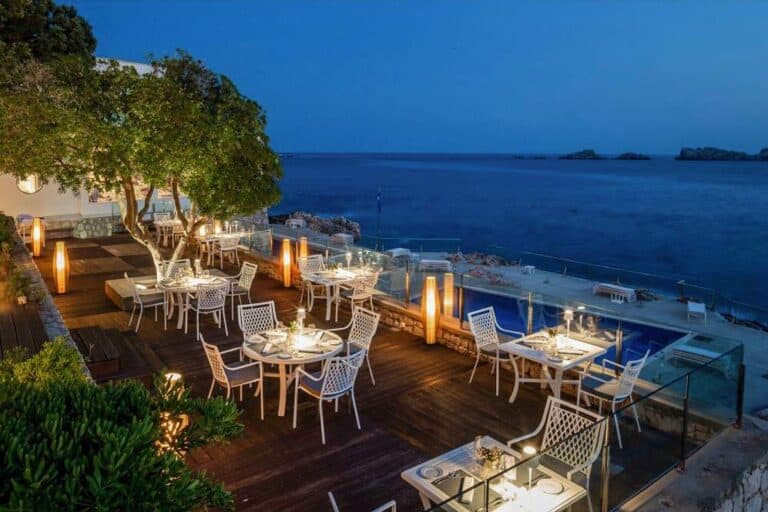
Royal Palm Hotel
Croatia
See hotel →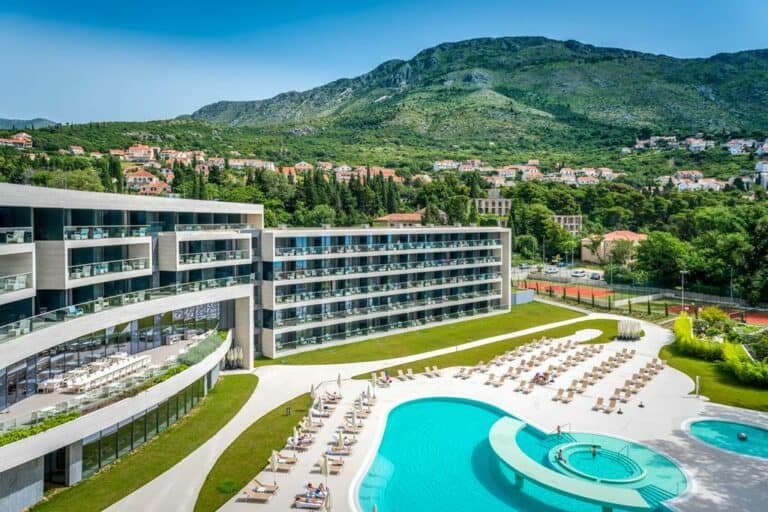
Sheraton Dubrovnik Riviera Hotel
Croatia
See hotel →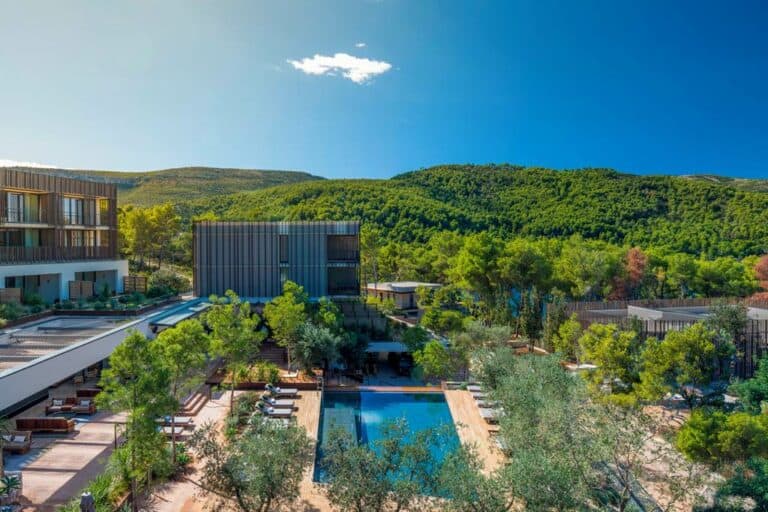
Maslina Resort
Croatia
See hotel →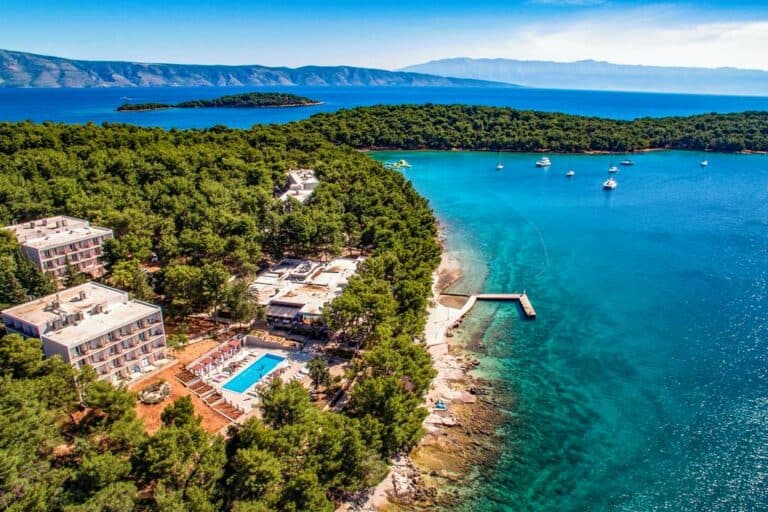
Aminess Senses Resort
Croatia
See hotel →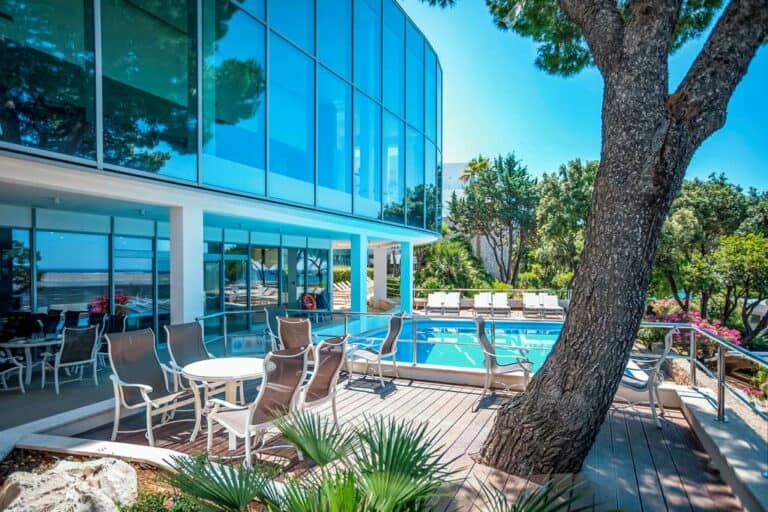
Royal Neptun Hotel
Croatia
See hotel →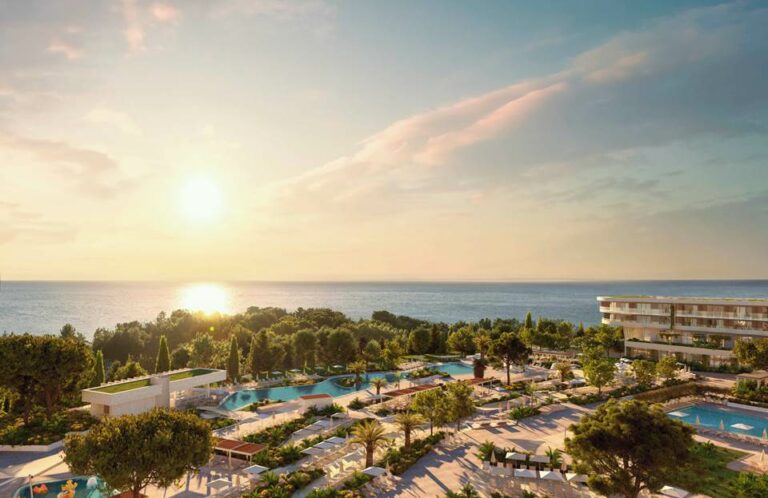
Pical Hotel Valamar Collection
Croatia
See hotel →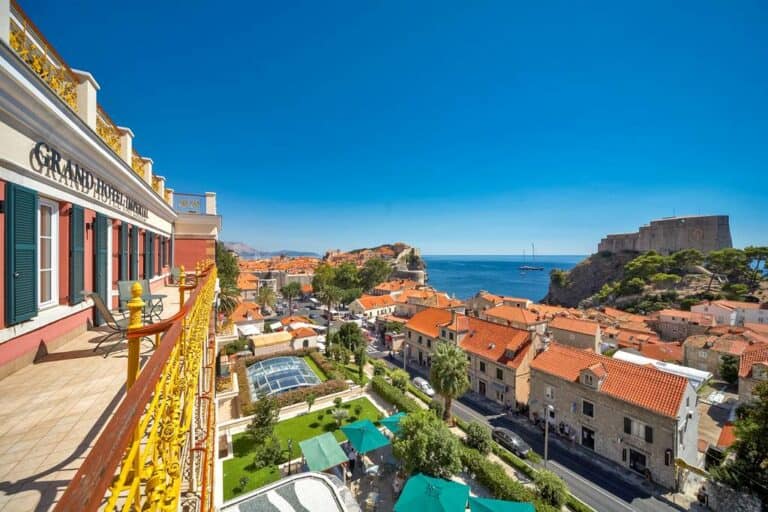
Hilton Imperial Dubrovnik
Croatia
See hotel →City breaks
Croatia's cities reward 2-4 nights each — pair two for a tailor-made multi-centre trip.
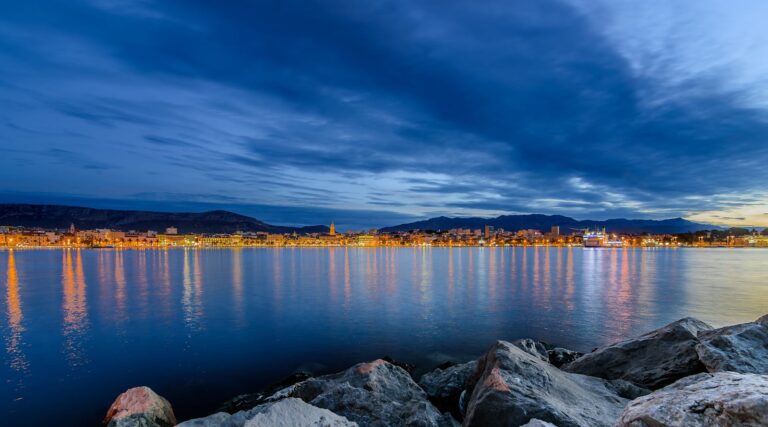
Split
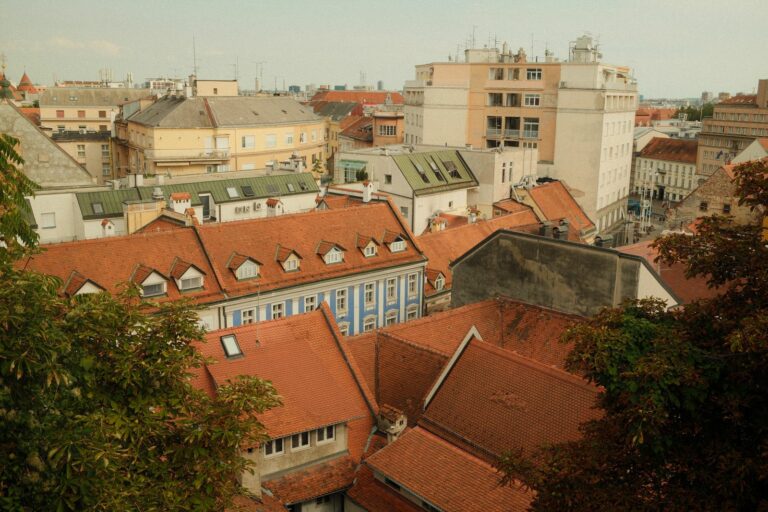
Zagreb
Cruises
Croatia's Dalmatian coast is one of the great Mediterranean cruise routes. Dubrovnik, Split and the islands (Hvar, Korčula, Mljet) feature on most Adriatic itineraries; gulet yacht cruises and small-ship Adriatic cruises depart from Split and Dubrovnik. Many travellers pair a 7-night cruise with a land-stay in Dubrovnik or the Plitvice Lakes inland.
Escorted tours
62 escorted tours through Croatia — guided, customisable, fully ATOL-protected.
Every Travelisto tour runs with a small group (max 16), an English-speaking local leader, and is fully ATOL-protected. Most tours are also bookable as private departures — same itinerary, your party only, your dates.
Tailor-made
Everything you see above is a starting point — we'll shape any of these around how you actually want to travel.
Bespoke Croatia itinerary
Pick your headlines and we design the route, brief private guides, and book the hotels and transfers.
Enquire
Multi-generational Croatia
A pace and accommodation style that suits three generations — connecting suites, slower-paced excursions, kid-friendly highlights.
Enquire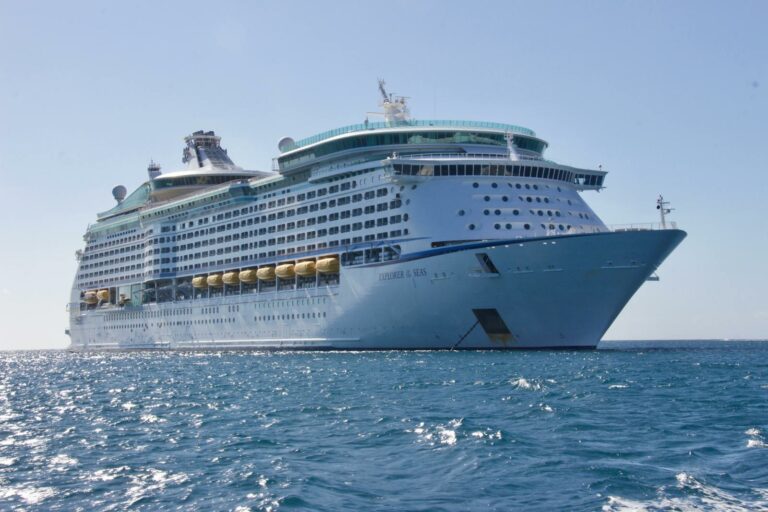
Croatia + cruise
Pair the headlines of Croatia with a 7-night Mediterranean or Atlantic cruise — booked end-to-end with us.
Enquire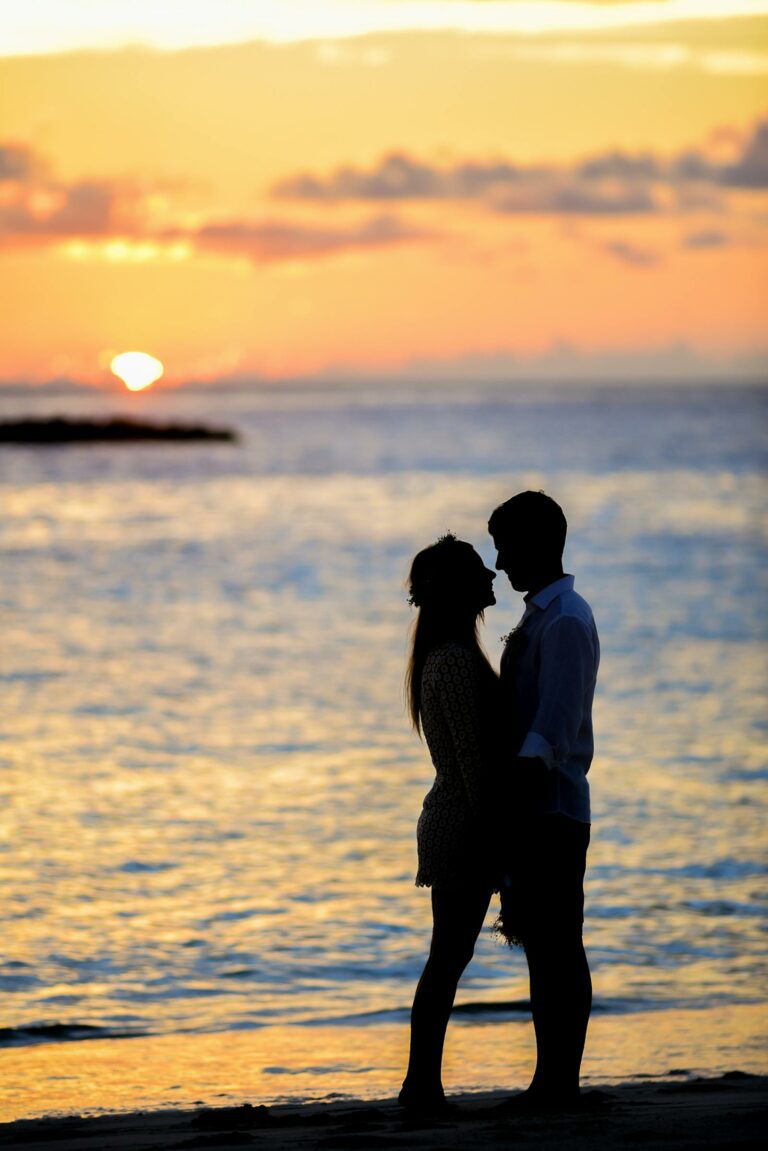
Honeymoon or special celebration
A milestone trip with the romantic flourishes quietly arranged.
EnquirePractical info
Knowing before you go
When to go
Jan
12°
Feb
13°
Mar
16°
Apr
19°
May
24°
Jun
28°
Jul
31°
Aug
31°
Sep
27°
Oct
22°
Nov
17°
Dec
14°
May-June and September-October are the prime months — warm sea (22-25°C), manageable crowds, Dubrovnik walkable. July-August: hot (32-35°C), very busy on Hvar and in Dubrovnik. October still gets sea-swimmable. November-March: most islands shut; Zagreb and Dubrovnik work as Christmas-market and cultural breaks.
Flights & how to get there
Direct flights from major UK airports to Dubrovnik, Split, Zagreb and seasonally Pula, Zadar and Rijeka — typically 2h 30m. Catamarans (Krilo, Jadrolinija) link Split-Hvar-Korčula-Dubrovnik daily May-October. Hire cars are useful for Istria, Plitvice and the wine country; not needed for an islands-only trip.
Visa & passport
UK passport holders can stay 90 days in any 180-day period under Schengen rules (Croatia joined Schengen in 2023). ETIAS from 2026. Check current rules at GOV.UK Foreign travel advice: Croatia.
Currency & money
The Euro (€) (since 2023; the kuna is gone). Card payments universal in tourist areas. Tipping: round up the bill, 10% on a full restaurant meal.
Language & tipping
Croatian. English is widely understood in tourist areas, on the islands and in the cities; less so in rural Slavonia and the inland. Italian is widely understood in Istria. A few Croatian phrases are appreciated.
Health & safety
No mandatory vaccinations. EU healthcare reciprocal arrangements apply with a UK GHIC card. Tap water safe across Croatia. Buy comprehensive travel insurance before you travel.
FAQs
Croatia — your questions
When is the best time to visit Croatia?
May, June and September are ideal — warm sea, sunshine, fewer crowds. July–August is peak season; book early, expect higher prices. October is mild but the sea cools.
How do I get around the Croatian islands?
Jadrolinija and Krilo ferries connect Split, Hvar, Korčula, Brač and Vis daily in summer. We book these as part of the itinerary; you don't need a car on the islands.
Is Croatia good for families?
Yes — particularly Istria (Pula, Rovinj) and central Dalmatia (Brač, Hvar). Small coves, gentle water, family-run apartments. The walled cities (Dubrovnik, Split) work well for older kids.
Do I need a visa for Croatia?
UK passport holders can stay 90 days in any 180-day period (Croatia joined Schengen in 2023). From the date ETIAS launches (expected 2026), a €7 pre-travel authorisation will be required.
Can I see Croatia and Montenegro together?
Yes — Dubrovnik is a 2-hour drive to Kotor, Montenegro. We routinely pair them in 10–14 day Adriatic itineraries.
Make this trip yours
Plan your Croatia holiday with a Travel Designer
Pick from any of the options on this page or tell us what you have in mind — we'll build it around how you actually like to travel. ATOL protected, flights included, real humans available 9am–7pm.
ATOL protected
100% financially protected in a Trust bank account
PTS 6035
4.7 on Trustpilot