
Travelisto destinations
Eswatini holidays
Royal kingdom of Africa, blended into a Botswana or South Africa private safari itinerary.
Overview
Welcome to Eswatini
Eswatini (formerly Swaziland — renamed by King Mswati III in 2018 to mark the 50th independence anniversary) is Southern Africa's last absolute monarchy and a small, distinctive kingdom of high-altitude grasslands, lowveld wildlife reserves, and a deeply-preserved Swazi traditional culture that remains genuinely-alive rather than performed for tourists. The country is small (17,400 sq km, about the size of Wales) and is most often visited as a 2-4 night detour from a South Africa private safari — especially between Kruger National Park and the Indian Ocean coast at Maputaland or Mozambique. The headline experiences: Mlilwane Wildlife Sanctuary (the friendly intro reserve with no large predators, ideal for self-drive game viewing and overnight stays at the Reilly's Rock Hilltop Lodge), Mkhaya Game Reserve (rhino and small predator country, the high-end Stone Camp accommodation), Hlane Royal National Park (the country's largest reserve with lions, elephants, white rhinos), and the colourful Umhlanga Reed Dance ceremony each August/September (40,000 unmarried young women in traditional dress process to the Queen Mother's royal residence — one of Africa's most-significant cultural ceremonies).
A typical 4-7 day Eswatini trip combined with South Africa: Mlilwane Wildlife Sanctuary (1-2 nights at Reilly's Rock Hilltop Lodge or the more-budget Sondzela Backpackers — game-drive in the morning, self-drive afternoon, mountain biking around the lower elevations, the Mantenga Cultural Village just outside the reserve for traditional dance evenings) → Ezulwini Valley (the tourism heart of the country, between Mbabane and Manzini — 1 night at the splurge Royal Swazi Spa or the boutique Esengeni Country Lodge — the lodge cluster, the country's casinos at Sun International, the craft markets at Mantenga and Malkerns for the famous Swazi candle craft and traditional weaving) → Mkhaya Game Reserve (1-2 nights at Stone Camp — the rhino tracking on foot with armed guides, the small-predator viewing including the rare African wild cat) → Hlane Royal National Park (1-2 nights at Ndlovu or Bhubesi Camp — the country's largest reserve, lions, elephants, white rhino, the bird-rich dams) → optional Malolotja Nature Reserve for the high-altitude grasslands (1-2 nights in self-catering chalets — the dramatic mountain scenery, the longest canopy-canopy zipline in Africa, hiking the Komati River gorge).
Read more
Eswatini's cultural identity is the country's most-distinctive feature and rewards genuine engagement. The Swazi monarchy under King Mswati III (ruling since 1986) is one of the world's last absolute monarchies — the king has significant political-legislative power, appoints the prime minister and key government roles, and remains the head of the traditional Swazi cultural-spiritual system. The annual cultural calendar is the country's rhythmic frame: the Incwala (Kingship Ceremony) in December-January is the most-significant traditional ceremony, lasting 3 weeks and involving the Swazi cultural elite, the gathering of sacred plants from the Indian Ocean coast, and the king's symbolic-religious renewal; the Umhlanga (Reed Dance) in August-September is the most-visible to outside visitors and is the larger-scale event with the 40,000 unmarried young women in traditional dress processing to the Queen Mother's residence. Both ceremonies have specific protocols and visitor zones — non-Swazi visitors are welcome but should approach respectfully via the official cultural-tourism channels.
The Mantenga Cultural Village near Lobamba (the spiritual capital) is the most-accessible cultural-immersion experience for visitors. The village is a working Swazi homestead with traditional dwellings (the round bee-hive huts of the Swazi tradition), traditional foods prepared the traditional way, and the evening traditional-dance performance that includes the Sibhaca war-dance, the women's harvesting dance, and the courtship dances. Unlike many "cultural villages" in the region, Mantenga is run by Swazi cultural authorities and presents the genuinely-current traditional culture rather than a fossilised heritage version. The Ezulwini Valley craft markets (especially Malkerns and the Manzini Market) offer authentic Swazi craft — the famous Swazi candles (paraffin-wax candles in vivid African-art motifs, made in workshops near Malkerns), the woven Mountain Beadwork necklaces and bracelets, the wood-carving traditions, and the Tintsaba grass-weaving cooperative work that international fashion brands have started commissioning.
The wildlife reserves are the trip's natural complement to the cultural experience. Mlilwane Wildlife Sanctuary (4,560 hectares, established 1964 — the country's first protected area, the work of Ted Reilly who pioneered the country's conservation movement) has no major predators so it's genuinely safe for self-drive game viewing, mountain biking, and walking safaris among zebra, wildebeest, kudu, eland, and the country's largest population of crocodiles in the Mlilwane Dam. The Reilly's Rock Hilltop Lodge (the historic family farmstead now operating as a 11-room lodge with the rare 1909 colonial-period architecture) is the headline accommodation. Mkhaya Game Reserve (10,000 hectares, founded 1979 specifically to save endangered species) is the country's rhino-and-rare-predator reserve — both black and white rhino, plus African wild cat, smaller predators, and the rare nyala antelope. Hlane Royal National Park (22,000 hectares, the country's largest, donated by King Sobhuza II in 1967) has the country's lions, elephants and white rhino. All three reserves are operated by Big Game Parks (the country's privately-owned conservation organisation), with cross-reserve accommodation packages available.
The food: pap (the cornmeal-porridge staple), sishwala (the thicker version), traditional umngqusho (the sour-corn-and-bean stew, the genuine Swazi heritage dish), Inyama yenkhukhu (chicken stew), the morning umfino (wild spinach with cornmeal), plus a strong tradition of tropical fruits from the lowveld region. The Swazi mead tradition (umqombothi sorghum beer) is brewed in rural villages and is part of the cultural-ceremonial cycle. South African beers (Castle, Black Label, Hansa) and South African wines are widely available given the cross-border economic integration.
UK travellers don't need a visa for stays up to 30 days (visa-free on arrival). Eswatini uses the Lilangeni (SZL) but the South African Rand is universally accepted (the two currencies are pegged 1:1, and the Rand circulates in higher volume than the Lilangeni in everyday transactions). English and siSwati are both official languages; everyone in the tourism industry speaks English. The Royal Eswatini Police are visible and the country has historically had low crime — but normal precautions apply.
Best for: South Africa travellers wanting a cultural-and-wildlife sidetrip, those interested in monarchical African cultures and active traditional cultural systems, low-key safari travellers, Reed Dance and Incwala cultural-event travellers (specific scheduling required — August-September for Reed Dance, December-January for Incwala). Eswatini is rarely a standalone destination — almost always combined with Kruger NP, the Mpumalanga panorama route, the Garden Route in South Africa, or a Maputaland coast trip in northern KwaZulu-Natal or southern Mozambique.
From the team
Why we love Eswatini

Eswatini is the small-kingdom cultural add-on to a Kruger safari — wildlife, the Reed Dance, and traditional Swazi culture.
Rossella Rossella, Luxury & Destination Specialist Meet our Travel DesignersMain areas
Where to go in Eswatini
1 distinct regions — they pair beautifully two or three at a time.
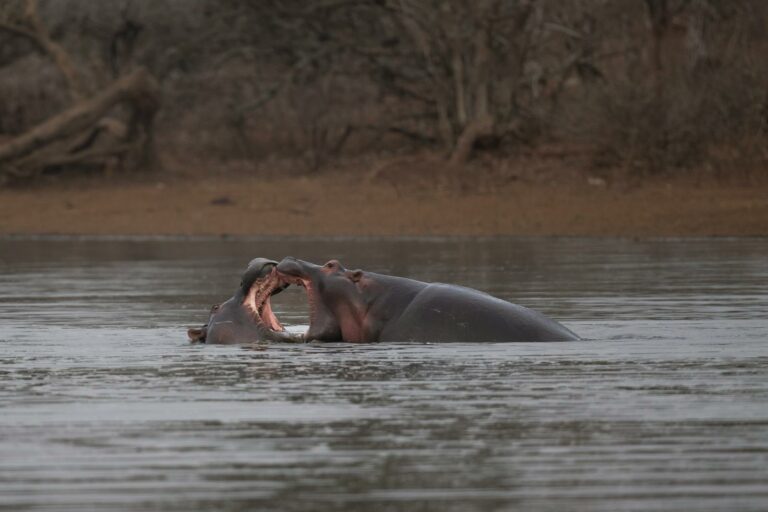
Mbabane & Wildlife
Mbabane
Hlane Royal NP
Mlilwane
Mantenga
Find your trip
Holiday types in Eswatini
Pick a holiday style — or combine two. Each section links straight to the next step.
City breaks
Eswatini's cities reward 2-4 nights each — pair two for a tailor-made multi-centre trip.
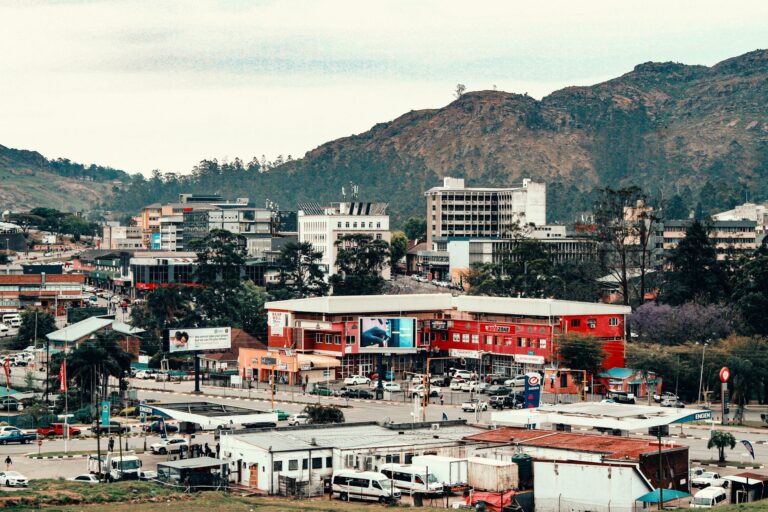
Mbabane
Cruises
Eswatini cruise itineraries and Indian Ocean / Atlantic routes available.
Escorted tours
1 escorted tours through Eswatini — guided, customisable, fully ATOL-protected.
Every Travelisto tour runs with a small group (max 16), an English-speaking local leader, and is fully ATOL-protected.
Tailor-made
Everything you see above is a starting point — we'll shape any of these around how you actually want to travel.
Bespoke Eswatini itinerary
Pick your headlines; we design the route, brief private guides, and book hotels.
Enquire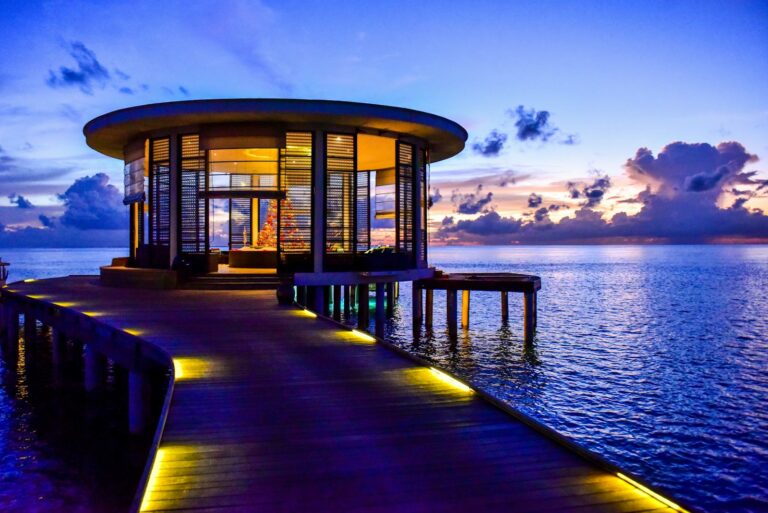
Multi-generational Eswatini
A pace that suits three generations.
Enquire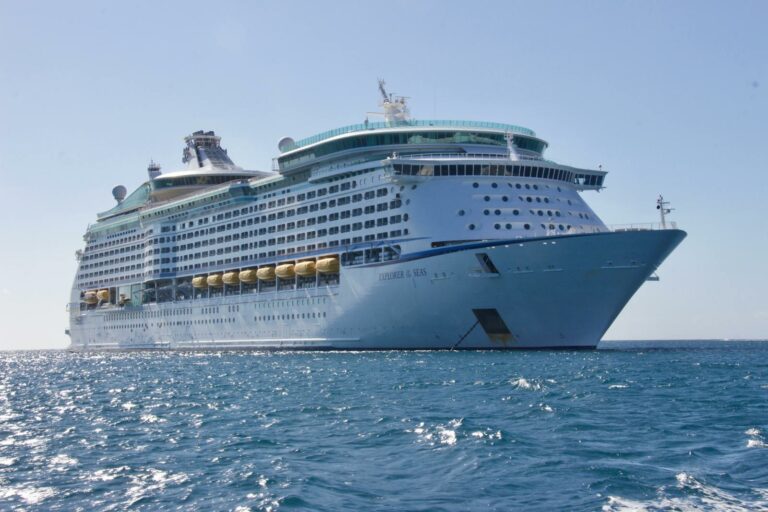
Eswatini + cruise
Pair Eswatini with a cruise — booked end-to-end.
Enquire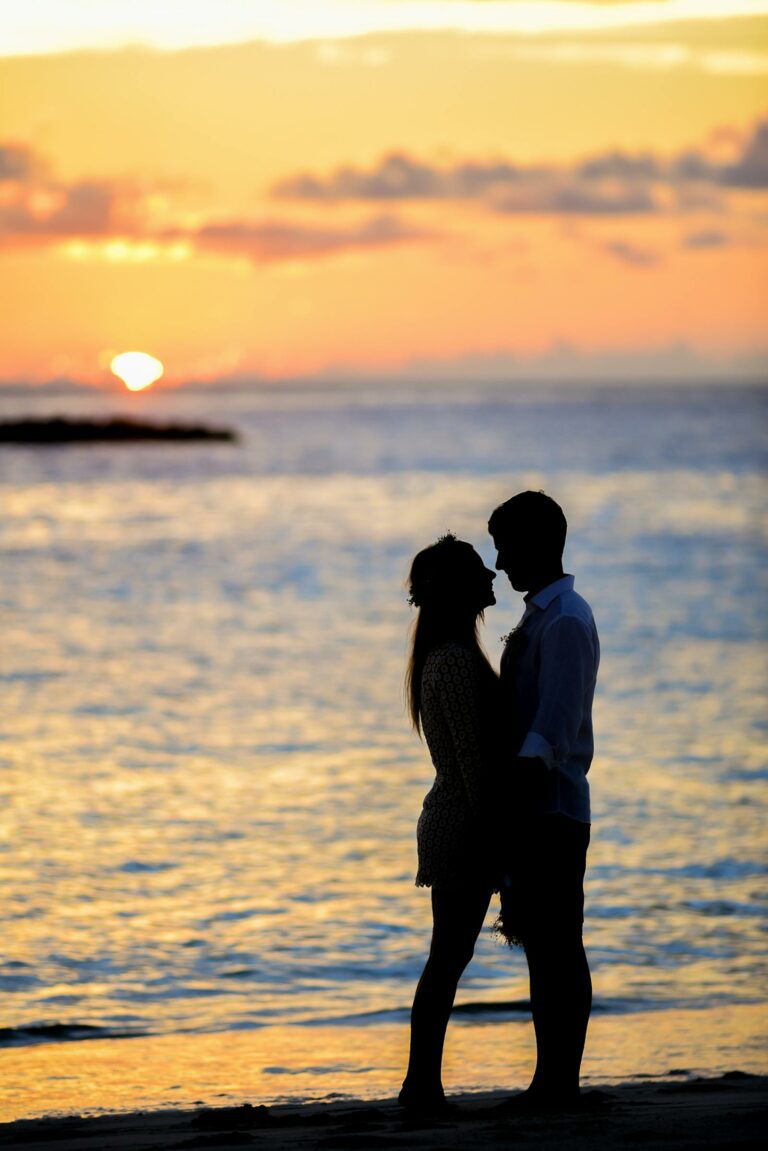
Honeymoon or special celebration
A milestone trip quietly arranged.
EnquirePractical info
Knowing before you go
When to go
Jan
27°
Feb
28°
Mar
28°
Apr
26°
May
25°
Jun
23°
Jul
23°
Aug
23°
Sep
25°
Oct
26°
Nov
25°
Dec
26°
May-September is the dry, cool, prime wildlife season. The Umhlanga Reed Dance is August/September.
Flights & how to get there
Flights from UK to Eswatini — ~12h via Johannesburg.
Visa & passport
UK passport holders get 30 days visa-free entry. For up-to-date entry requirements and safety advice, check the UK FCDO travel advice for Eswatini.
Currency & money
The Lilangeni (SZL); ZAR accepted. Cards in cities; cash for rural. 10% tip standard.
Language & tipping
siSwati and English.
Health & safety
Consult your GP 6 weeks before travel. Yellow fever often required for African travel; malaria prophylaxis for many regions. Buy comprehensive travel insurance.
Make this trip yours
Plan your Eswatini holiday with a Travel Designer
Pick from any of the options on this page or tell us what you have in mind — we'll build it around how you actually like to travel. ATOL protected, flights included, real humans available 9am–7pm.
ATOL protected
100% financially protected in a Trust bank account
PTS 6035
4.7 on Trustpilot