
Travelisto destinations
Germany holidays
Berlin's history, Bavaria's castles and beer halls, the Rhine river cruises and Christmas markets — Germany at every register.
Overview
Welcome to Germany
Germany is the European country UK travellers under-rate most consistently. The image of "beer, sausages and efficient trains" is true but does the country an enormous disservice. Germany is genuinely one of Europe's great cultural destinations — the Berlin contemporary art and history scene, Bavaria's castles and Alps, the half-timbered Romantic Road, the Mosel and Rhine wine valleys, Hamburg's harbour-city character, and the Christmas-markets circuit that runs from late November through December.
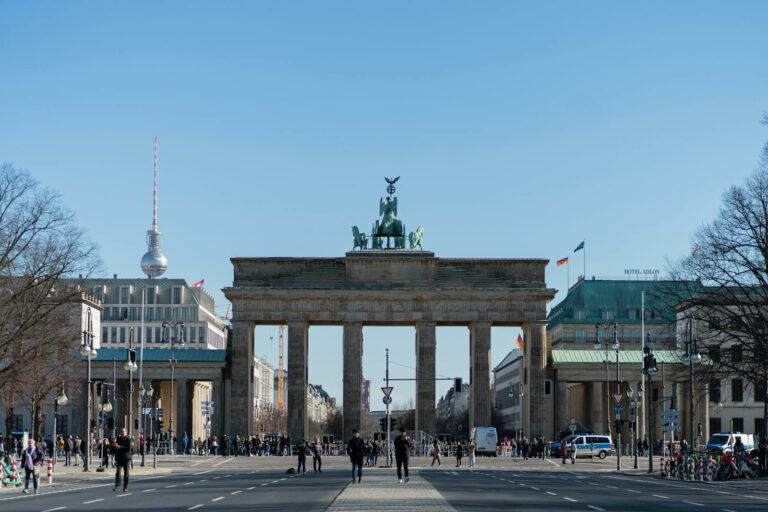
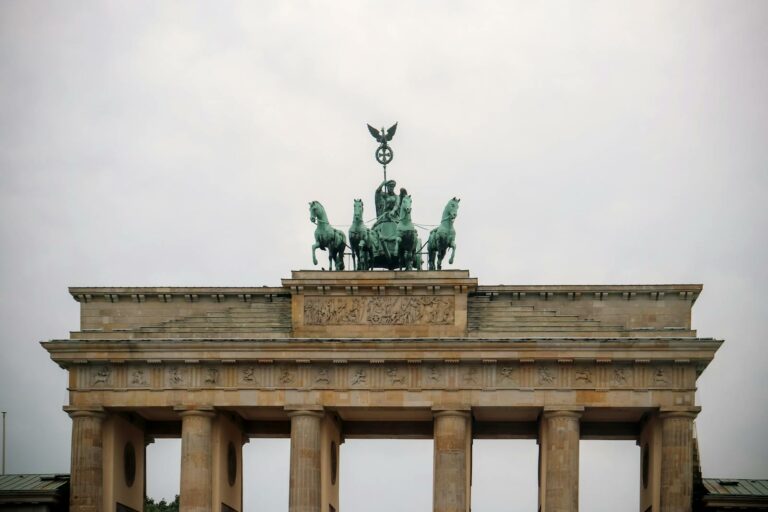
The headline Germany trip is Berlin (3-4 nights) plus Bavaria — Munich, Neuschwanstein Castle, the Bavarian Alps — for another 4-5 nights, 9-10 days total. Berlin alone needs four nights to absorb (the Brandenburg Gate, the Reichstag, the Berlin Wall sections, the Museum Island, the Tiergarten, the contemporary food and gallery scene in Kreuzberg and Neukölln). Munich is the practical base for Bavaria with day-trips to Neuschwanstein, the BMW Museum, the English Garden, and Dachau.
Read more
The Romantic Road — Würzburg through Rothenburg ob der Tauber to Füssen — is the Germany-as-postcard route, ideal for travellers who want medieval old towns and half-timbered villages. The Rhine and Mosel valleys are wine country, with terraced Riesling vineyards, river-cruise routes, and a string of small towns (Cochem, Bernkastel-Kues, Bacharach) that fit a slow 4-5 night holiday.
Hamburg is the second city worth a separate trip — Germany's harbour metropolis, with the Elbphilharmonie concert hall, the Speicherstadt warehouse district, and the Reeperbahn nightlife. Dresden and Leipzig in the east deliver baroque culture (Dresden) and music-and-coffee-house tradition (Leipzig, where Bach wrote and Schumann lived). The Black Forest in the southwest is Germany's landscape escape — cuckoo clocks, hiking trails, Baden-Baden spa town, and surprisingly good wine.
The seasonal sweet spots are May-June and September-October. May has long days and comfortable temperatures (18-22°C); September delivers the Oktoberfest in Munich (late Sept-early Oct, book 12 months ahead) and the wine harvest. Late November-December is Germany's magic season — the Christmas markets in Nuremberg, Munich, Cologne, Dresden, Rothenburg are among the world's best, with glühwein, half-timbered backdrops, and snow. Summer (Jul-Aug) is warm (mid-20s), busy, and the cities can hit 30°C now. January-March is cold but the alpine ski season is excellent.
German food rewards travellers who like hearty, regional eating. Bavaria is the heart of the beer-and-sausage image — Weisswurst with sweet mustard for breakfast, pretzels, schnitzel and Hofbräuhaus beer halls. But there's much more: the Mosel's Riesling wines, Hamburg's fischbrötchen (fish sandwich), the Black Forest's smoked ham, Berlin's currywurst and döner kebab (invented by Turkish immigrants in Berlin), and Saxony's coffee-house pastries.
Germany pairs naturally with Austria (Munich-Salzburg-Vienna), Switzerland (Munich-Zurich), Czech Republic (Berlin-Prague, Munich-Prague), and the Netherlands (Cologne-Amsterdam). Within Germany, 10-12 days is the sweet spot — Berlin + Bavaria, or a Rhine/Mosel + Black Forest combination.
Best time
May–Sep (Christmas markets Dec)
Flight from UK
~1½h direct to many cities
Currency
Euro (€)
Language
German
From the team
Why we love Germany

Germany is the country I send people to who think they want France or Italy and would actually be happier in Germany. The cultural depth is genuinely there — Berlin alone rivals Paris for contemporary scene — and the cost is reliably lower than France. The Christmas markets are the single best winter trip I send people on.
My quiet recommendation: Berlin for 4 nights then Bavaria for 5. Drop the standard Frankfurt-Munich-Heidelberg loop; it's a coach trip in itinerary form. The real Germany is in the long stays.
Rossella Rossella, Luxury & Destination Specialist Meet our Travel DesignersMain areas
Where to go in Germany
6 distinct regions — they pair beautifully two or three at a time.
Berlin & the Northeast
Berlin
Potsdam
Brandenburg
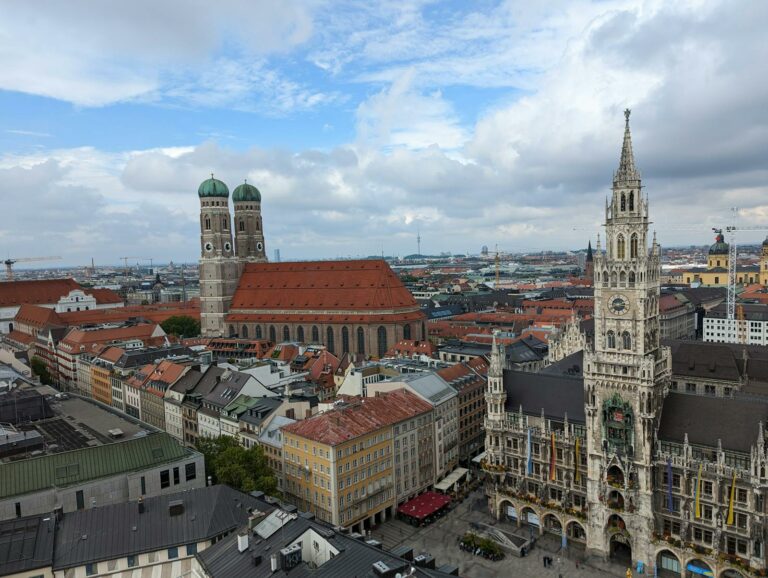
Bavaria & the Alps
Munich
Neuschwanstein
Garmisch-Partenkirchen
Berchtesgaden
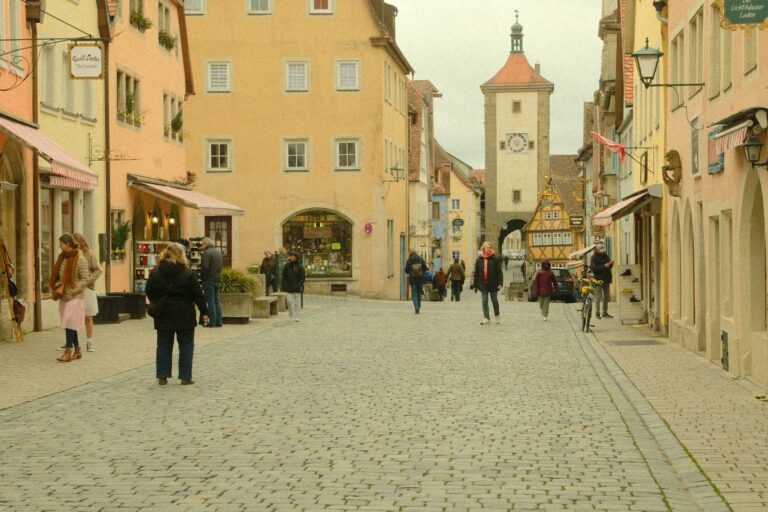
Romantic Road
Würzburg
Rothenburg ob der Tauber
Nördlingen
Füssen
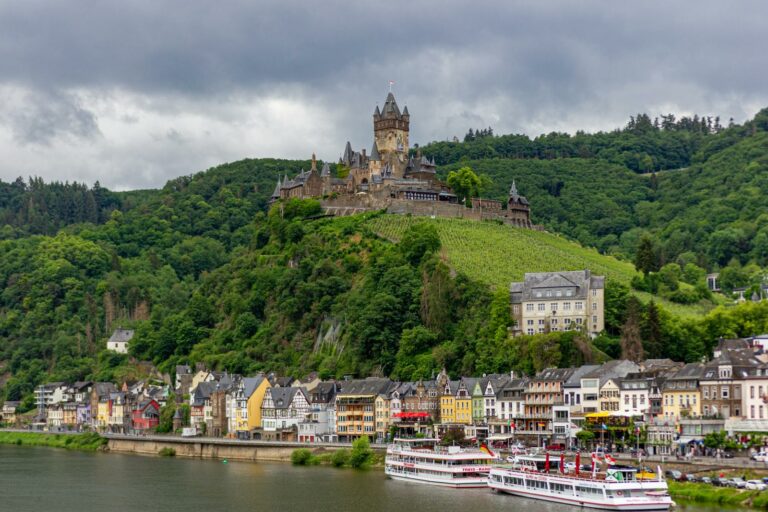
Rhine & Mosel Valleys
Cochem
Bernkastel-Kues
Bacharach
St Goar

Black Forest & Southwest
Freiburg
Baden-Baden
Triberg
Lake Constance
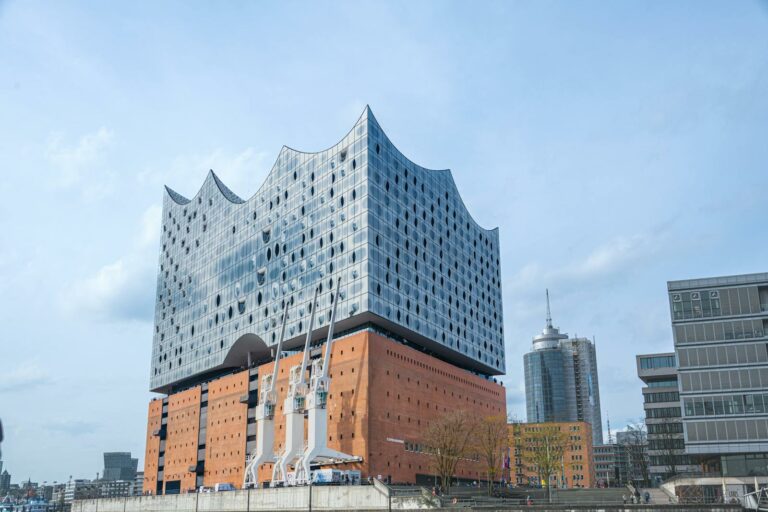
Hamburg & the North
Hamburg
Lübeck
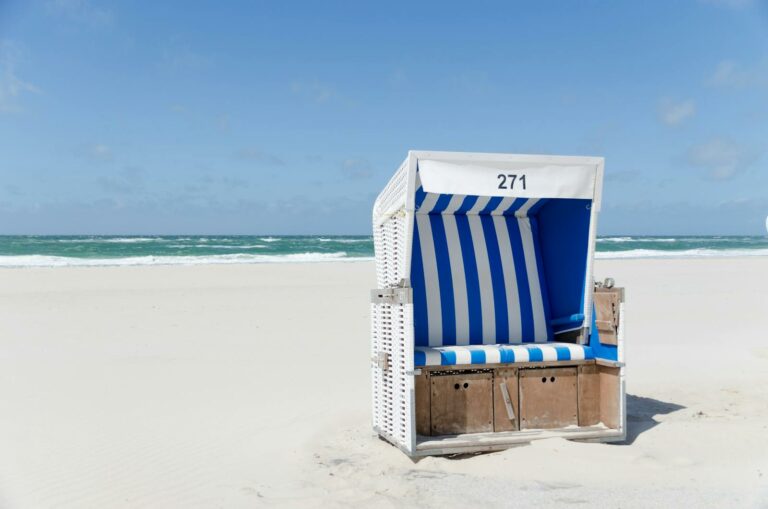
Sylt
Find your trip
Holiday types in Germany
Pick a holiday style — or combine two. Each section links straight to the next step.
Beach holidays
Beach destinations grouped by resort area — pick the cluster that matches your pace.
City breaks
Germany's cities reward 2-4 nights each — pair two for a tailor-made multi-centre trip.
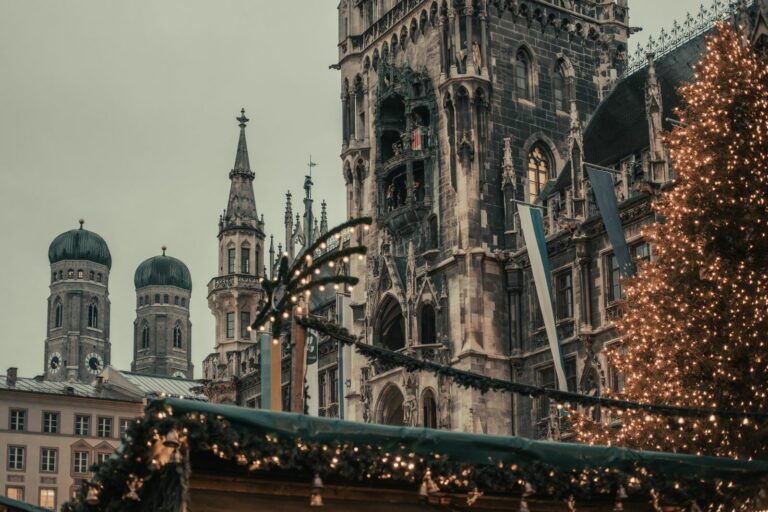
Munich
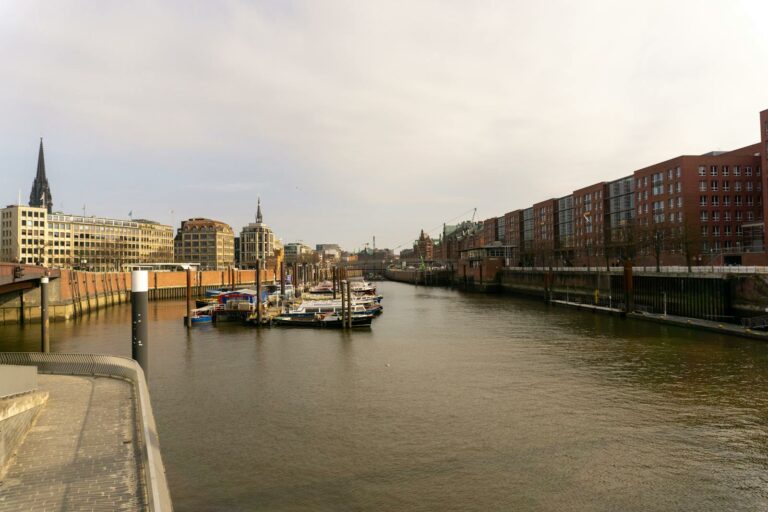
Hamburg
Cruises
Germany hosts some of the world's great river cruises — the Rhine, the Moselle, the Danube and the Elbe all run cruises that connect German towns, castles and Christmas markets through one of Europe's great inland waterway networks. Hamburg is also a major embarkation for Northern European and Baltic ocean cruises.
Escorted tours
24 escorted tours through Germany — guided, customisable, fully ATOL-protected.
Every Travelisto tour runs with a small group (max 16), an English-speaking local leader, and is fully ATOL-protected. Most tours are also bookable as private departures — same itinerary, your party only, your dates.
Tailor-made
Everything you see above is a starting point — we'll shape any of these around how you actually want to travel.
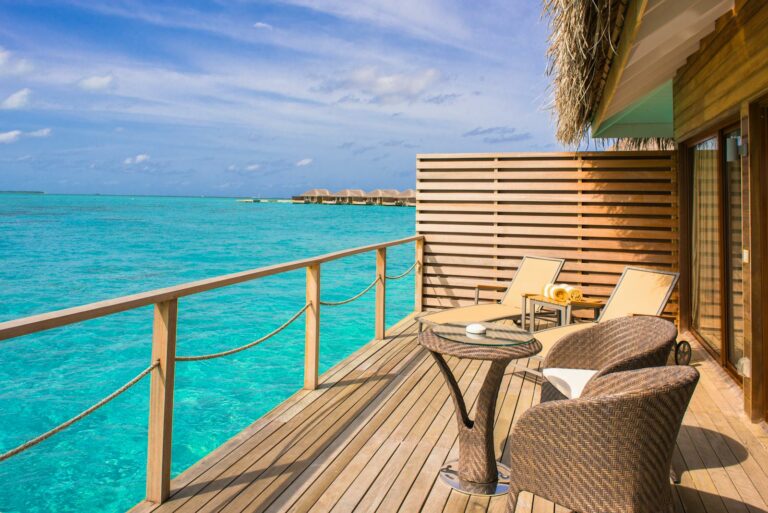
Bespoke Germany itinerary
Pick your headlines and we design the route, brief private guides, and book the hotels and transfers.
Enquire
Multi-generational Germany
A pace and accommodation style that suits three generations — connecting suites, slower-paced excursions, kid-friendly highlights.
Enquire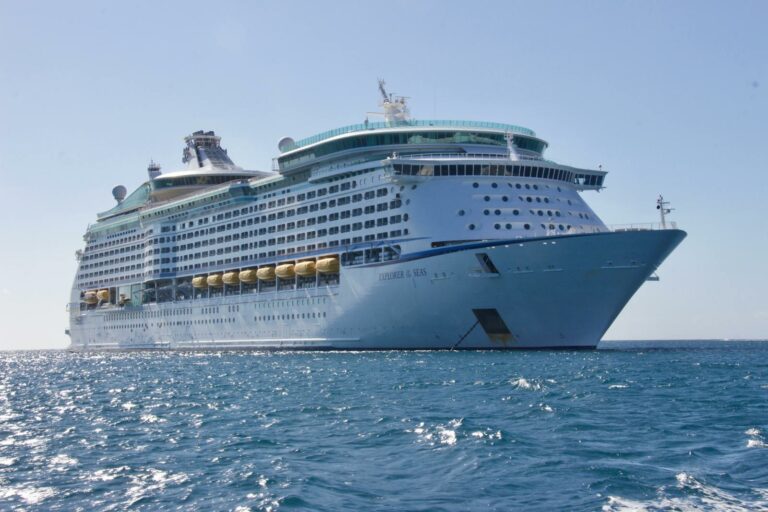
Germany + cruise
Pair the headlines of Germany with a 7-night Atlantic or river cruise — booked end-to-end with us.
Enquire
Honeymoon or special celebration
A milestone trip with the romantic flourishes quietly arranged.
EnquirePractical info
Knowing before you go
When to go
Jan
3°
Feb
5°
Mar
9°
Apr
14°
May
19°
Jun
22°
Jul
24°
Aug
24°
Sep
20°
Oct
14°
Nov
8°
Dec
5°
May-June and September-October are the prime months for general travel. Late November-December is Germany's magic Christmas-markets season — Nuremberg, Munich, Cologne, Dresden and Rothenburg are among the world's best, with glühwein, snow and half-timbered backdrops. July-August is warm (mid-20s) and busy. January-March: cold (often below zero) but excellent for the alpine ski season.
Flights & how to get there
Direct flights from all major UK airports to Berlin, Munich, Frankfurt, Hamburg, Düsseldorf, Cologne, Stuttgart — typically 1h 45m. Germany has one of Europe's best rail networks: ICE trains link Berlin-Munich in 4h, Berlin-Hamburg in 2h, Munich-Frankfurt in 3h. Most multi-city Germany trips are rail-first.
Visa & passport
UK passport holders can stay 90 days in any 180-day period under Schengen rules. ETIAS from 2026. Check current rules at GOV.UK Foreign travel advice: Germany.
Currency & money
The Euro (€). Card payments are widely accepted but cash remains more important in Germany than in most of Europe — many cafés, smaller restaurants and Christmas-market stalls are cash-only. Tipping: 10% is standard, given verbally to the server (not left on the table).
Language & tipping
German. English is universally spoken in Berlin, Munich, Hamburg and other major cities, and in any tourist-facing role. In Bavaria and rural areas, dialect can be strong — even native German speakers from the north sometimes need a moment to follow Bavarian.
Health & safety
No mandatory vaccinations. EU healthcare reciprocal arrangements apply with a UK GHIC card. Tap water safe everywhere. Buy comprehensive travel insurance before you travel.
FAQs
Germany — your questions
When is the best time to visit Germany?
May–September for warmth and gardens. September–October for Oktoberfest in Munich. November–December for Christmas markets. Skiing in Bavaria December–April.
Do I need a visa for Germany?
UK passport holders can stay 90 days in any 180-day period (Schengen). ETIAS required from its launch (expected 2026).
Can I combine Germany with Austria or Czech Republic?
Yes — Munich is 2h to Salzburg, 4h to Prague. We frequently build "Imperial Europe" itineraries.
Is the Romantic Road worth it?
Yes — Würzburg to Füssen, 350km of medieval towns. Self-drive over 4–5 days; or as a 1-day coach excursion for a quick taste.
Make this trip yours
Plan your Germany holiday with a Travel Designer
Pick from any of the options on this page or tell us what you have in mind — we'll build it around how you actually like to travel. ATOL protected, flights included, real humans available 9am–7pm.
ATOL protected
100% financially protected in a Trust bank account
PTS 6035
4.7 on Trustpilot