
Travelisto destinations
Guatemala holidays
Tikal Mayan ruins, Antigua's colonial centre, Lake Atitlán volcanoes and Chichicastenango markets — Guatemala is Central America's cultural heavyweight.
Overview
Welcome to Guatemala
Guatemala holds the most-concentrated and culturally-alive Mayan heritage in Central America — 60% of the population identifies as Mayan, traditional Mayan languages (Kʼicheʼ, Kaqchikel, Qʼeqchiʼ, Mam, Tzʼutujil, plus 17 more) remain daily-spoken in the highland villages, traditional Mayan dress (especially women's huipiles, the embroidered blouses that identify a wearer's home village) is daily wear in the highlands, and Mayan cultural practices (the 260-day Tzolkin ritual calendar, the day-of-the-dead variations, the highland-village shaman) remain genuinely vital. Add the world's best-preserved colonial city in Antigua Guatemala (UNESCO, the 16th-century capital destroyed by the 1773 earthquake and preserved as a cultural-living history zone with cobbled streets, pastel-colored stucco facades, and three active volcanoes as backdrop), the volcano-rimmed Lago de Atitlán with its 12 lakeside Mayan villages each with its own distinctive cultural identity, the Pacaya and Acatenango volcanoes that hikers climb, and Tikal's pyramid-and-jungle UNESCO Mayan ruins in the northern Petén jungle, and Guatemala holds enough for 14-21 day trips at deep cultural depth.
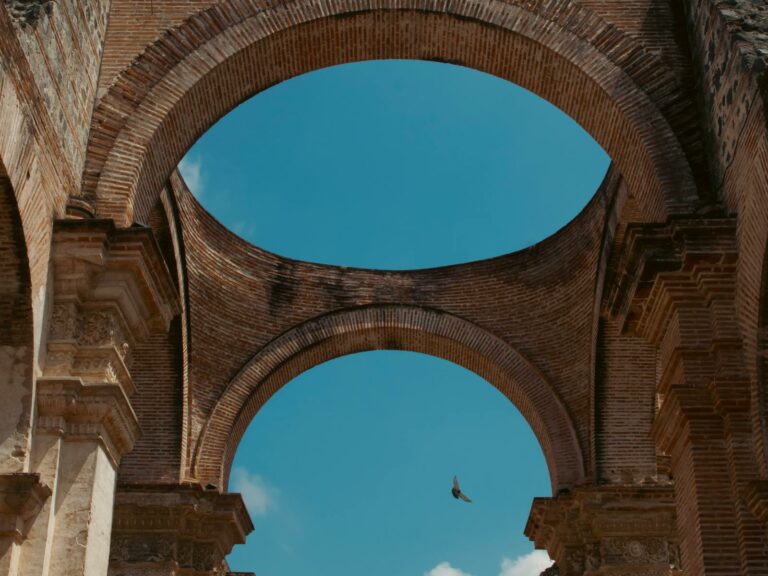
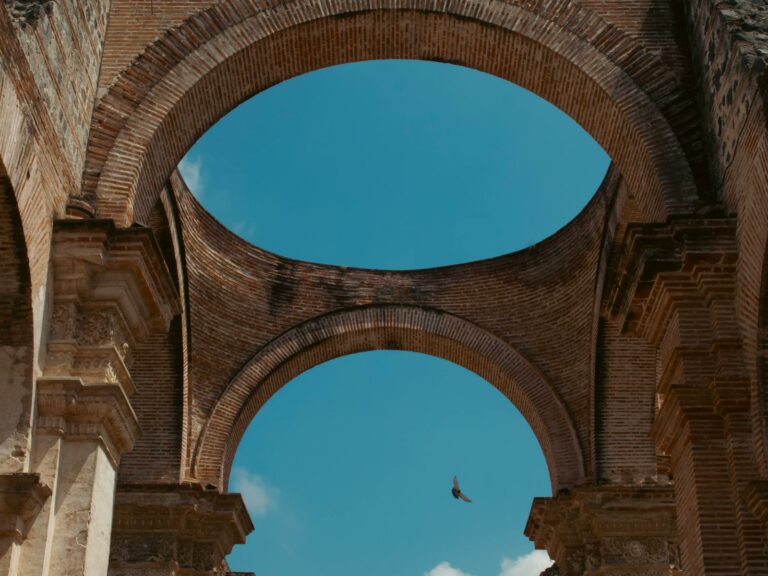
A 14-day classic Guatemala itinerary: Guatemala City arrival (1 night — the city itself rewards limited time, with the most-travellers transferring directly to Antigua 45 minutes away) → Antigua (3-4 nights — Plaza Mayor at the Parque Central, San José Cathedral ruins, the Convento de las Capuchinas, the Iglesia de la Merced, Jade Maya museum, the Cerro de la Cruz hike for the city panorama at sunset, the overnight Acatenango volcano hike for the dramatic Fuego-eruption views from the rim at 3,976m — book through OX Expeditions or Tropicana, this is widely rated as one of the world's most-photogenic outdoor experiences) → Lago de Atitlán (3-4 nights, basing in Panajachel and visiting the lakeside villages by boat: San Juan La Laguna for the textile cooperatives and shamanic ceremonies, Santiago Atitlán for the Maximón folk-saint shrine and the rebozos, San Pedro La Laguna for the backpacker scene and the cliff-jumping, San Marcos La Laguna for the yoga retreats and the Cerro Tzankujil natural reserve) → Chichicastenango for the legendary Thursday and Sunday Mayan market (1 night — the largest Indigenous market in Central America, the Santo Tomás Church where Mayan rituals continue inside the Catholic church) → Quetzaltenango/Xela for the Spanish-language schools and the Highland circuit (2 nights — the Volcán Santa María hike, the Fuentes Georginas thermal springs, the Almolonga Sunday market) → fly to Flores and Tikal Mayan ruins in the Petén jungle (2-3 nights — Tikal at dawn from the splurge Tikal Inn or the El Sombrero ecolodge, climbing Temple IV for the iconic Star Wars Rebel Base view, the Mundo Perdido pyramid complex, optional Yaxha and El Mirador extensions for the more-remote Mayan ruins).
Read more
Antigua Guatemala is the country's headline cultural city. Founded 1543 as the capital of the Spanish Captaincy General of Guatemala, it served as the cultural-political-religious centre of Central America for 230 years until the 1773 Santa Marta earthquakes destroyed most of the major buildings. The Spanish administration relocated the capital to today's Guatemala City, and Antigua remained a smaller-scale colonial town with the ruins preserved. The Holy Week (Semana Santa) processions in Antigua are among the most-significant Easter religious events in Latin America — alfombra carpets made of dyed sawdust and flowers cover the cobblestone streets, hundreds of bearers carry massive religious floats through the city, and the atmosphere is genuinely moving even for non-Catholic visitors. Book accommodation in Antigua for Holy Week a full year in advance.
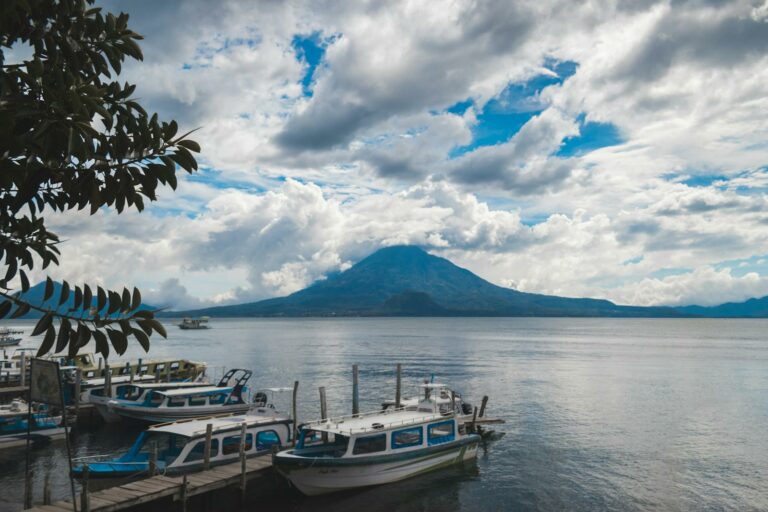
Lago de Atitlán is the trip-defining experience for many Guatemala travellers. The 50 sq km lake fills the caldera of an extinct super-volcano, with three active volcanoes (San Pedro, Tolimán, Atitlán) rising from the southern shore. Twelve villages line the lakeshore, each with its own Mayan-language identity and weaving tradition. Boat-hopping between villages is the day-to-day rhythm. The headline experiences: San Juan La Laguna's textile cooperatives (women's collective producing naturally-dyed weavings with plant pigments — the Casa de la Tejedora), Santiago Atitlán's Maximón folk-saint shrine (a syncretic saint that combines pre-Columbian Mam with Catholic-era San Simón, housed in a rotating sequence of family homes), San Marcos La Laguna's yoga retreat scene (the Lakeshore retreats, the cliff-jumping at Cerro Tzankujil), and Santa Catarina Palopó's painted houses initiative that has transformed the village into a public art project. Splurge accommodation: Casa Palopó on the lake, Hotel Atitlán in Panajachel, the splurge Hotel Posada de Santiago in Santiago Atitlán.
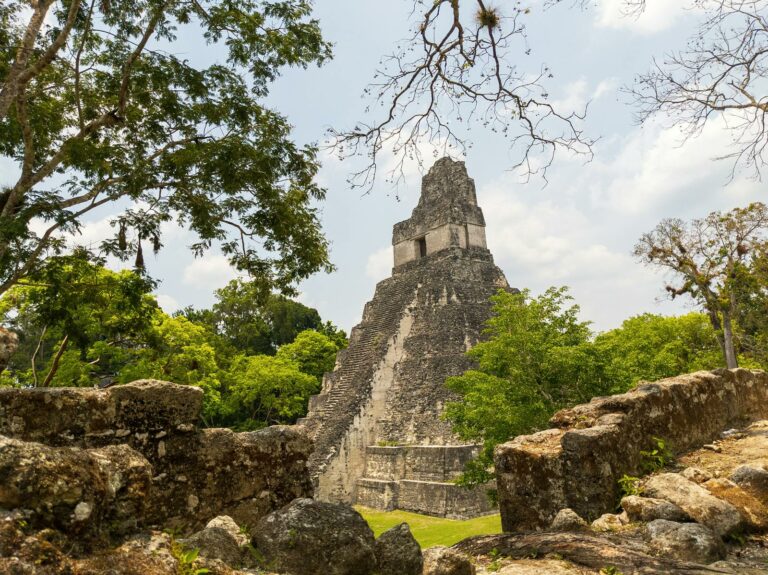
Tikal is the headline Mayan ruins. The Classic Maya city operated from 200 BC to 850 AD, with peak population around 100,000, before being abandoned around 900 AD (the climate-change-driven Classic Maya collapse). The site covers 16 sq km of jungle with five major pyramid complexes connected by Mayan-built sacbeob (white limestone roads). Temple IV at 70m is the tallest Mayan pyramid and offers the iconic view across the jungle canopy with the other temple peaks rising — the scene used as the Rebel Base in Star Wars: A New Hope (1977). The sunrise tour from the El Remate hotels or the Tikal Inn (inside the park) is the headline experience — the howler monkeys and tropical birds wake up first, the mist clears off the temple peaks, and the experience is genuinely spiritual.
Guatemalan food rewards exploration. Pepián (the national stew of pre-Columbian origin, with toasted pumpkin seeds, sesame, and meat), kakʼik (Mayan turkey soup with achiote and chiltepe), jocón (chicken in green tomatillo sauce), chiles rellenos, the regional tamales wrapped in banana leaves (the Christmas tradition), street-cart elotes locos (corn with mayonnaise and cheese), plus exceptional single-origin coffee from Antigua, Huehuetenango, Cobán and Atitlán regions (Guatemala produces some of the world's most-prized specialty coffee — Antigua's Hacienda La Esmeralda has won the Cup of Excellence multiple times). Highland markets — Chichicastenango on Thursdays and Sundays, Sololá on Tuesdays, San Francisco El Alto on Fridays — are among Latin America's most-colourful.
UK travellers don't need a visa for stays up to 90 days. Guatemala uses the Quetzal (GTQ). Spanish is the lingua franca; English is patchy outside Antigua and the splurge hotels; learning some Spanish before the trip transforms the experience. The country has had post-civil-war political-stability issues; the tourist circuit (Antigua, Atitlán, Tikal, Chichicastenango, Xela) is genuinely safe with normal precautions.
Best for: Mayan-culture travellers, Spanish-language students (Antigua and Xela have hundreds of certified Spanish schools — popular for one-on-one immersion at $250-500/week), volcano hikers (Acatenango is bucket-list, Pacaya for easier), photographers (the highland markets, Atitlán, Tikal at dawn), Holy Week religious-cultural travellers, coffee enthusiasts. Often combined with Mexico (Yucatán), Belize (Tikal is 3 hours from the Belize border), Honduras (the Copán Mayan site).
From the team
Why we love Guatemala

Guatemala is the trip I send people on for serious Mayan cultural depth — Tikal at sunrise is among the great archaeological sites anywhere.
Amanda Amanda, Travel Designer · Music & Culture Meet our Travel DesignersMain areas
Where to go in Guatemala
3 distinct regions — they pair beautifully two or three at a time.
Antigua & Highlands
Antigua
Chichicastenango
Pacaya Volcano
Lake Atitlán
Panajachel
San Pedro La Laguna
Santiago Atitlán
Tikal & North
Tikal NP
Flores
Yaxha
Find your trip
Holiday types in Guatemala
Pick a holiday style — or combine two. Each section links straight to the next step.
City breaks
Guatemala's cities reward 2-4 nights each — pair two for a tailor-made multi-centre trip.
Antigua
Cruises
Puerto Quetzal on the Pacific side hosts Central America cruises. The Atlantic side has Puerto Barrios. Most travellers visit overland.
Escorted tours
7 escorted tours through Guatemala — guided, customisable, fully ATOL-protected.
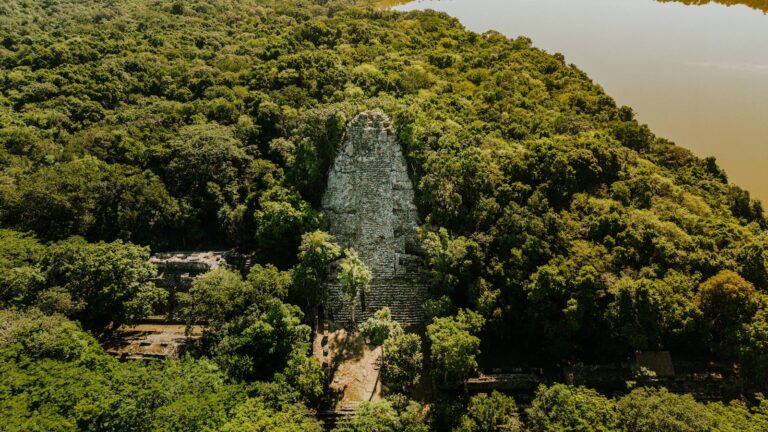
Every Travelisto tour runs with a small group (max 16), an English-speaking local leader, and is fully ATOL-protected. Most tours are also bookable as private departures.
Tailor-made
Everything you see above is a starting point — we'll shape any of these around how you actually want to travel.
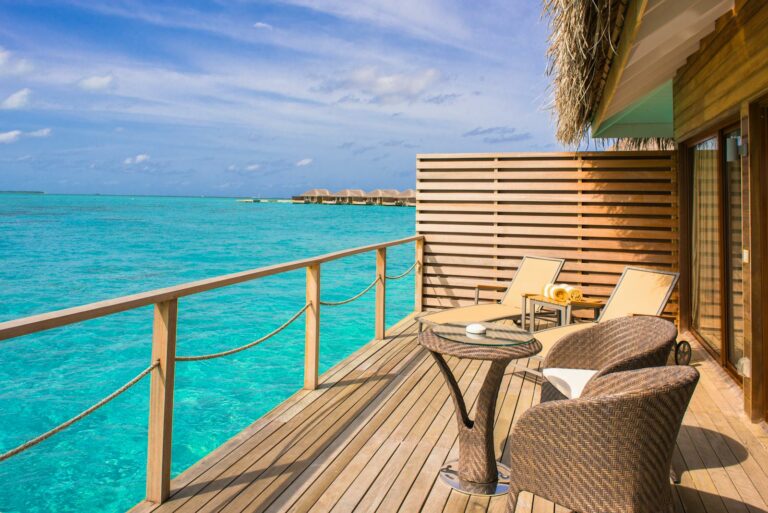
Bespoke Guatemala itinerary
Pick your headlines; we design the route and book the hotels.
Enquire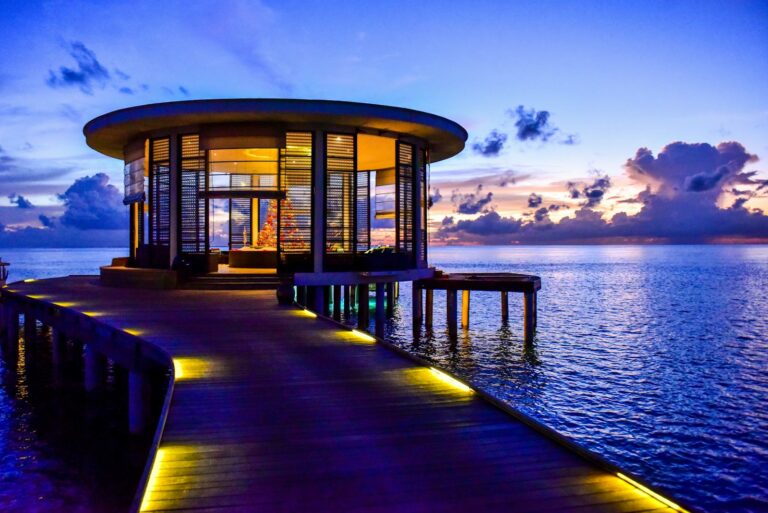
Multi-generational Guatemala
A pace that suits three generations.
Enquire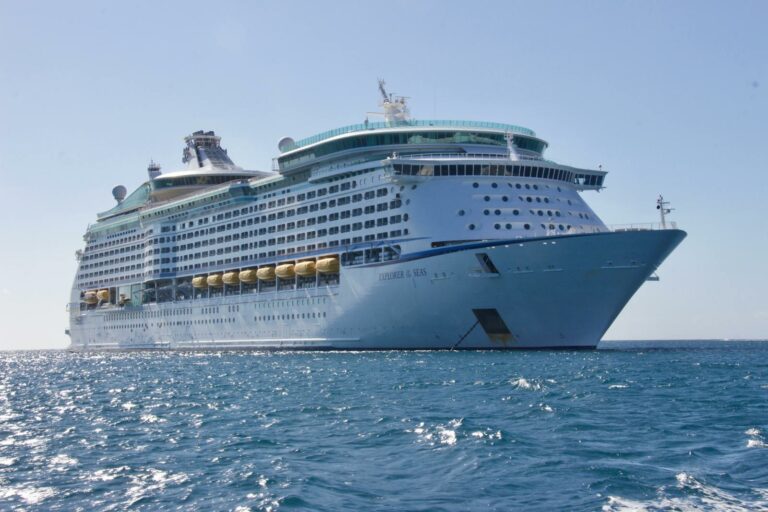
Guatemala + cruise
Pair Guatemala with a cruise — booked end-to-end.
Enquire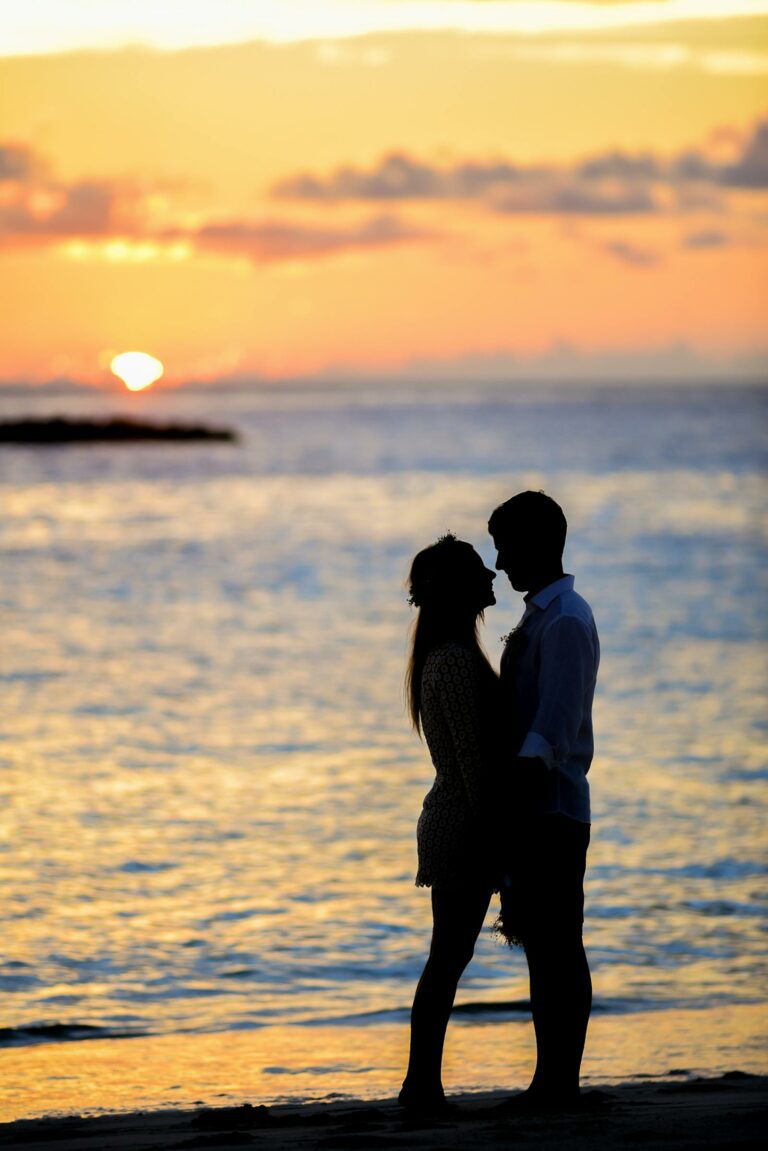
Honeymoon or special celebration
A milestone trip quietly arranged.
EnquirePractical info
Knowing before you go
When to go
Jan
30°
Feb
31°
Mar
32°
Apr
32°
May
31°
Jun
30°
Jul
30°
Aug
30°
Sep
30°
Oct
30°
Nov
30°
Dec
30°
November-April is dry season. May-October rainy.
Flights & how to get there
Flights from UK to Guatemala — ~13h via Mexico (1 stop).
Visa & passport
UK passport holders get 90 days visa-free entry. For up-to-date entry requirements and safety advice, check the UK FCDO travel advice for Guatemala.
Currency & money
The Guatemalan Quetzal (GTQ). Cards in cities; cash for rural. 10% tip standard.
Language & tipping
Spanish (and Mayan languages).
Health & safety
Consult your GP 6 weeks before travel. Yellow fever often required, malaria prophylaxis for jungle regions. Buy comprehensive travel insurance.
FAQs
Guatemala — your questions
When is the best time to visit Guatemala?
November–April is the dry season. May–October is wet (afternoon storms).
Do I need a visa for Guatemala?
UK passport holders get 90 days visa-free.
Is Antigua worth visiting?
Yes — one of the best-preserved Spanish colonial cities in the Americas. UNESCO. 2–3 nights typical.
Make this trip yours
Plan your Guatemala holiday with a Travel Designer
Pick from any of the options on this page or tell us what you have in mind — we'll build it around how you actually like to travel. ATOL protected, flights included, real humans available 9am–7pm.
ATOL protected
100% financially protected in a Trust bank account
PTS 6035
4.7 on Trustpilot