
Travelisto destinations
Ireland holidays
Dublin pubs and museums, the Wild Atlantic Way, Cliffs of Moher and Galway's music — Ireland for self-drive, walking, and proper hospitality.
Overview
Welcome to Ireland
Ireland is the trip UK travellers most consistently delay and most consistently come home from saying "we should have done this years ago". The country is genuinely small (you can drive the length of it in 5 hours) but full of dense, distinctive regions — Dublin's pubs and Georgian streets, the Wild Atlantic Way coast running 1,500 miles up the west, the gentle Cotswold-like Boyne Valley, Belfast's post-conflict reinvention as a food and culture city, and Connemara's wild bog-and-mountain interior.
The headline Ireland trip is Dublin (2-3 nights) plus the Ring of Kerry / Killarney / Dingle area (3-4 nights) plus a Wild Atlantic Way stretch through County Clare, Galway and Connemara (3-4 nights), 10-12 days total. This is the version most first-time visitors take. For second-time visitors, Northern Ireland (the Causeway Coast and Belfast) and the Inishowen Peninsula in Donegal open a different Ireland altogether.
Read more
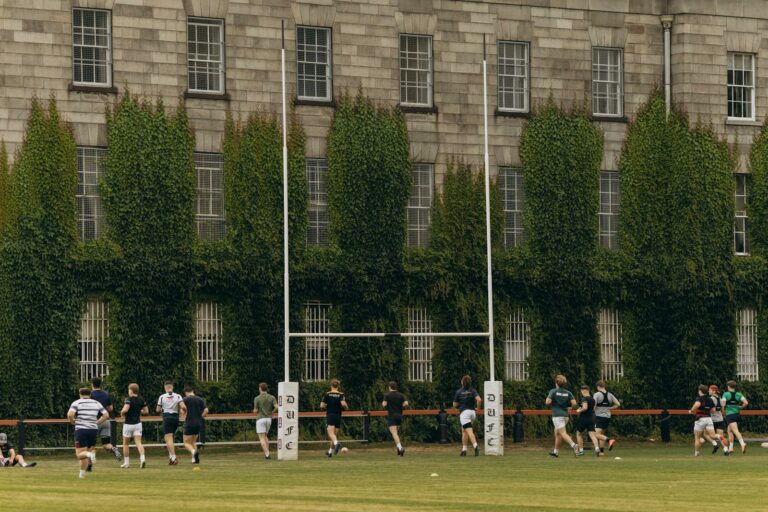
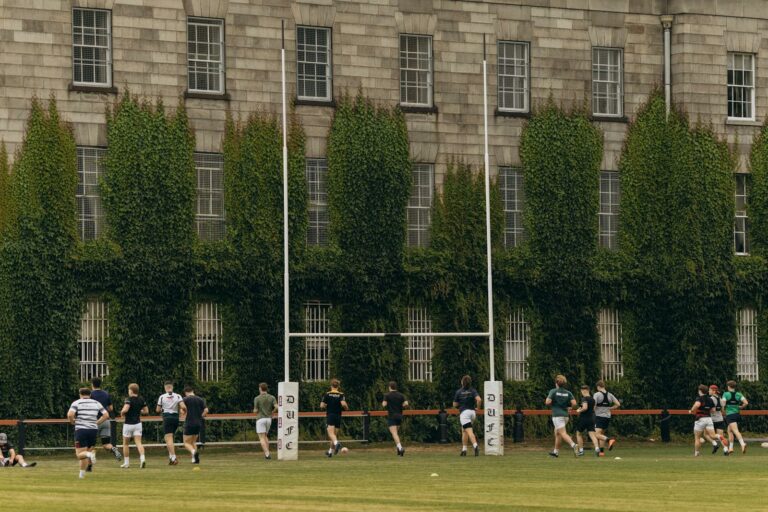
Dublin is a 3-night city minimum. Trinity College (the Book of Kells), the Guinness Storehouse, the literary pub crawl (Joyce, Beckett, Wilde, Yeats — Ireland has more Nobel laureates per capita than any country), the Temple Bar nightlife, and the genuinely good contemporary Irish food scene. The day-trip belt is excellent — Glendalough's monastic ruins, the Boyne Valley's Newgrange (older than the Pyramids), the medieval Kilkenny.
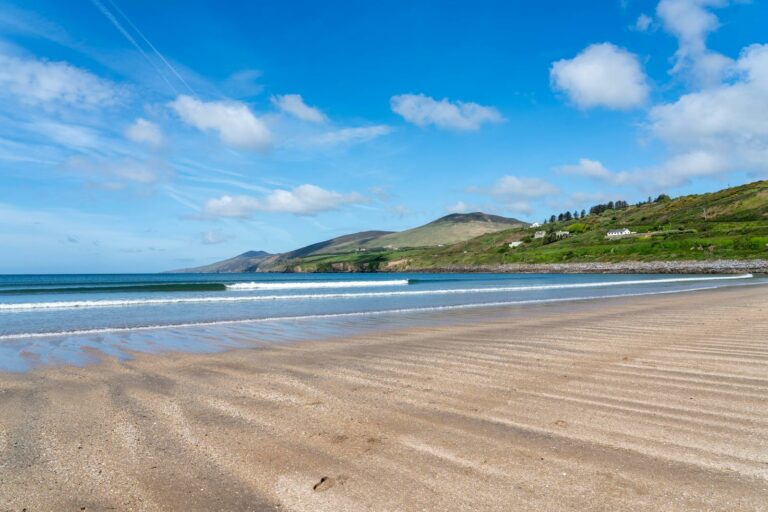
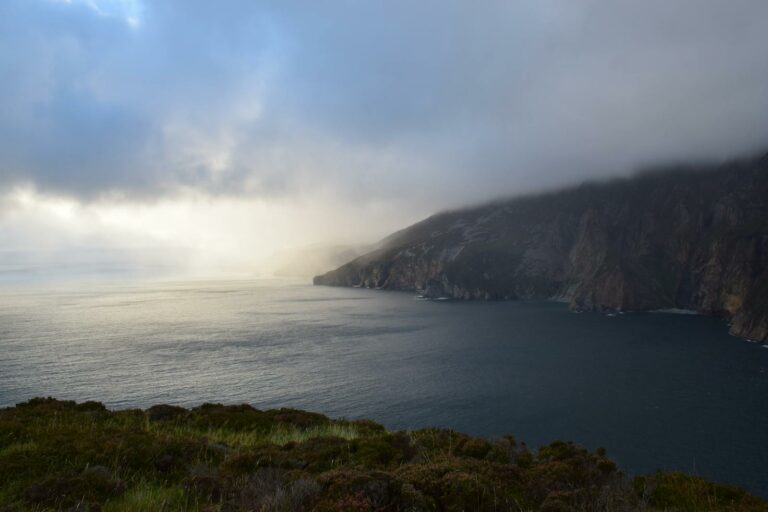
The Wild Atlantic Way is the headline Irish drive — 2,500 km of signed coastal route from the Inishowen Peninsula in Donegal at the north to Mizen Head in West Cork at the south. Most travellers cover one or two stretches in 4-7 days: the Ring of Kerry (Killarney, Dingle, Skellig Michael), the Cliffs of Moher and Burren in County Clare, Galway and Connemara, or the Donegal coast for the wildest stretch.
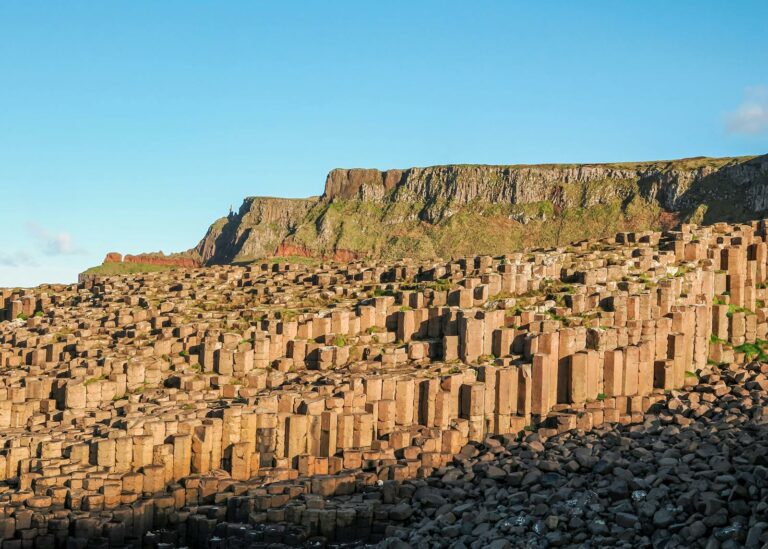
Northern Ireland is technically a separate trip but pairs naturally with the Republic. Belfast's Titanic Quarter, the Cathedral Quarter food scene, and the political-history bus tours through West Belfast give context. The Causeway Coast — the Giant's Causeway, the Carrick-a-Rede rope bridge, Dunluce Castle, the Glens of Antrim — is a 2-3 day Atlantic stretch that rivals anything in the Republic.
The seasonal sweet spots are May-September, with May, June and September the sweetest (long days, manageable crowds, the most reliable weather Ireland has). July-August: peak crowds, busy in Killarney and Galway, but the longest days. October-April: short days (in winter, daylight is only 8 hours), cool (5-12°C), and reliably wet — but Ireland in front of a turf fire with a pint of Guinness is its own genuine experience.
Irish food has had a remarkable revival. Dublin and Belfast both have first-class contemporary scenes; Cork has been a food capital for decades (the English Market is one of Europe's best); Connemara mussels, Atlantic crab, Wicklow lamb and Cashel Blue cheese are all signatures. Pubs are universally good for honest meals (chowder, fish and chips, Irish stew) and music sessions in any county west of Dublin.
Ireland pairs naturally with the UK (1h flight Dublin-London, or the overnight ferry Dublin-Holyhead) and with Iceland (2.5h flight Dublin-Reykjavík). Within Ireland, 10-12 days is the sweet spot for first-timers; 14 days lets you do Republic + Northern Ireland properly.
From the team
Why we love Ireland

Ireland is the country I send people to when they want a green, friendly, slower-paced holiday that doesn't require an early flight. Dublin to Killarney to the Atlantic coast — that's the route. The conversations in pubs are the real attraction; the landscapes are just the wrapper.
My quiet recommendation: don't try to drive the whole Wild Atlantic Way. Pick one stretch — Kerry, Clare or Connemara — and stay 3-4 nights with day-drives. The Ireland that gets under your skin is the slow Ireland, not the headline-tour version.
Rossella Rossella, Luxury & Destination Specialist Meet our Travel DesignersMain areas
Where to go in Ireland
6 distinct regions — they pair beautifully two or three at a time.
Dublin & the East
Dublin
Wicklow
Boyne Valley
Kilkenny
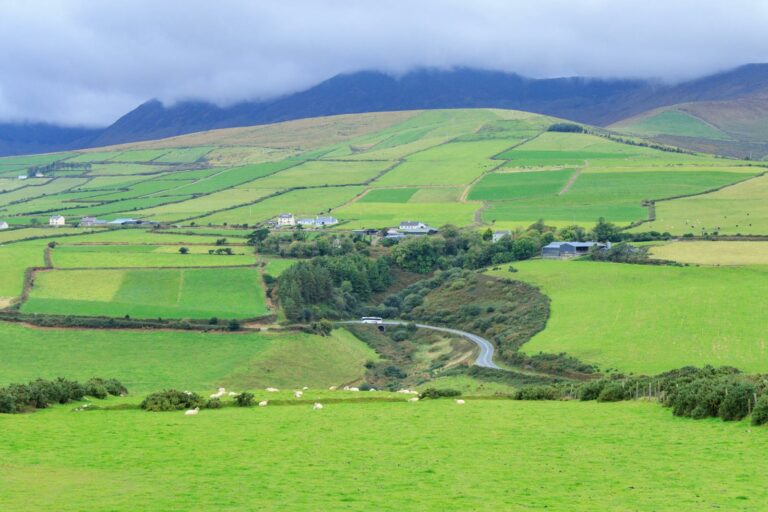
Ring of Kerry & Killarney
Killarney
Dingle Peninsula
Ring of Kerry
Skellig Michael
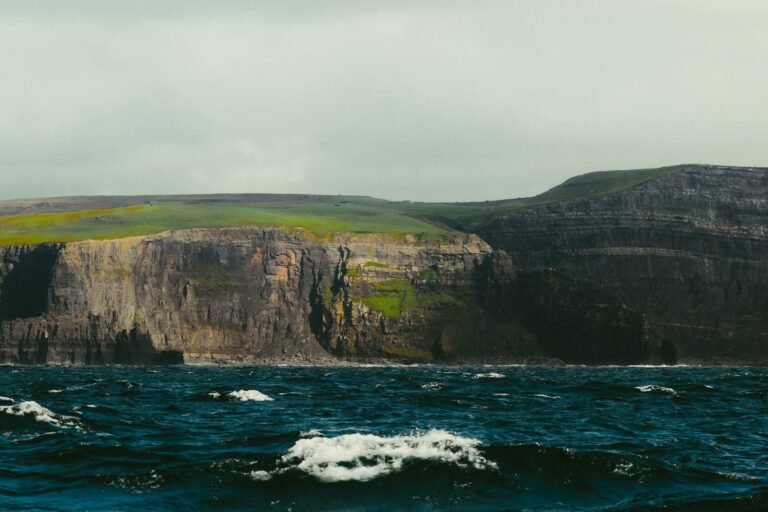
County Clare & the Burren
Cliffs of Moher
Burren
Doolin
Aran Islands
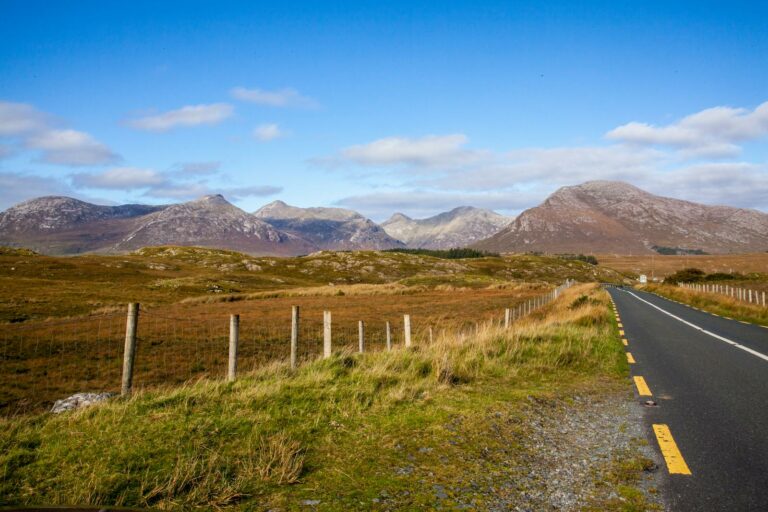
Galway & Connemara
Galway
Connemara
Inishbofin
Clifden
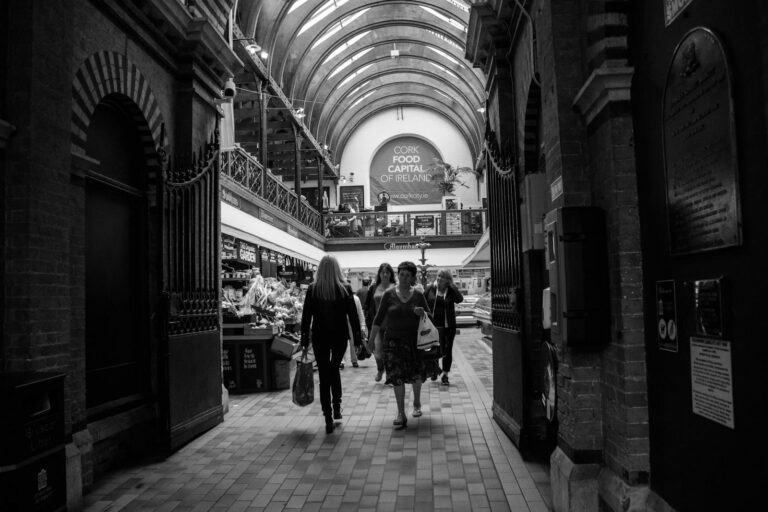
Cork & Atlantic Southwest
Cork
Kinsale
Cobh
Mizen Head
Northern Ireland & the Causeway Coast
Belfast
Giant's Causeway
Carrick-a-Rede
Derry/Londonderry
Find your trip
Holiday types in Ireland
Pick a holiday style — or combine two. Each section links straight to the next step.
Beach holidays
Beach destinations grouped by resort area — pick the cluster that matches your pace.
City breaks
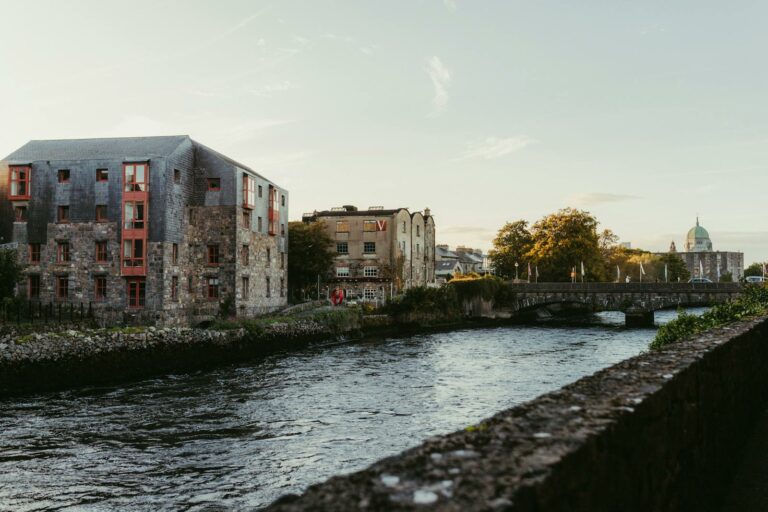
Ireland's cities reward 2-4 nights each — pair two for a tailor-made multi-centre trip.
Galway
Cruises
Ireland is a regular Northern European cruise port — Dublin and Cobh (the port for Cork) feature on British Isles, Atlantic and transatlantic itineraries. Many UK travellers use a cruise from Southampton that calls at Dublin and Cobh as an easy way to combine Ireland with the wider Atlantic.
Escorted tours
13 escorted tours through Ireland — guided, customisable, fully ATOL-protected.
Every Travelisto tour runs with a small group (max 16), an English-speaking local leader, and is fully ATOL-protected. Most tours are also bookable as private departures — same itinerary, your party only, your dates.
Tailor-made
Everything you see above is a starting point — we'll shape any of these around how you actually want to travel.
Bespoke Ireland itinerary
Pick your headlines and we design the route, brief private guides, and book the hotels and transfers.
Enquire
Multi-generational Ireland
A pace and accommodation style that suits three generations — connecting suites, slower-paced excursions, kid-friendly highlights.
Enquire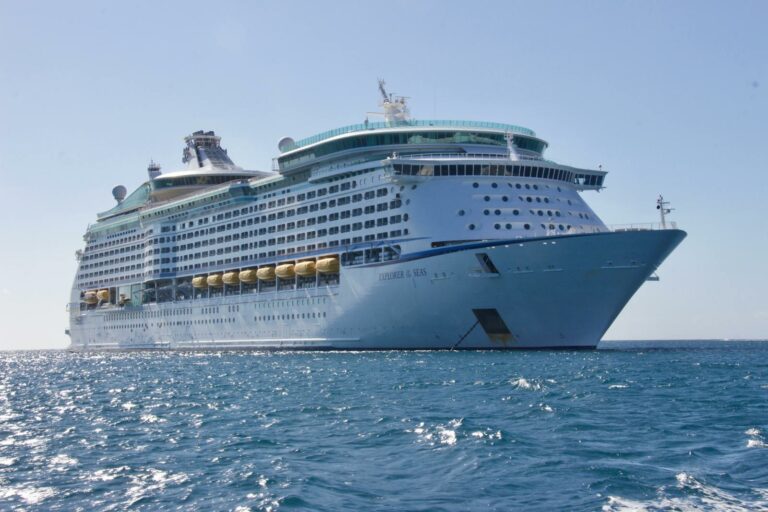
Ireland + cruise
Pair the headlines of Ireland with a 7-night Atlantic or river cruise — booked end-to-end with us.
Enquire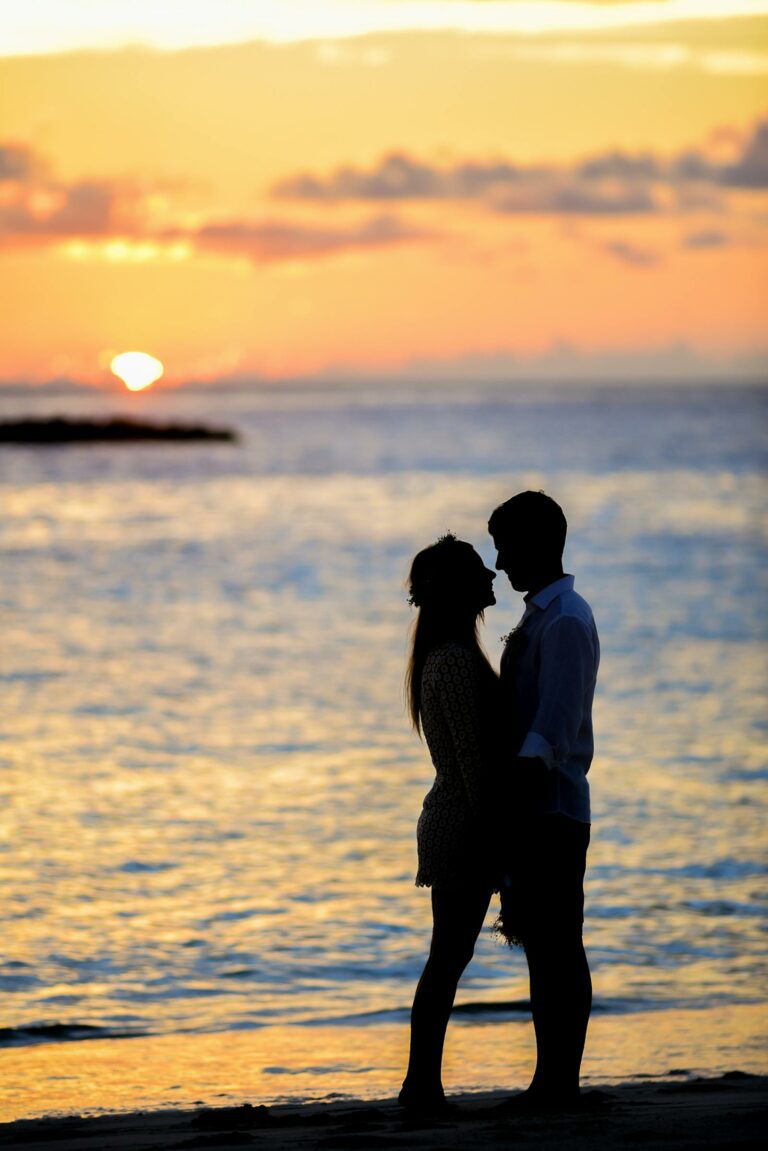
Honeymoon or special celebration
A milestone trip with the romantic flourishes quietly arranged.
EnquirePractical info
Knowing before you go
When to go
Jan
8°
Feb
8°
Mar
10°
Apr
12°
May
15°
Jun
18°
Jul
19°
Aug
19°
Sep
17°
Oct
13°
Nov
10°
Dec
9°
May-September is Ireland's prime season — long days, the most reliable weather Ireland has, and the green at its most vivid. May, June and September are the sweetest. July-August: peak crowds and the longest days. October-April: short days, cool (5-12°C), reliably wet — but turf fires and trad-music pubs are at their best.
Flights & how to get there
Direct flights from all major UK airports to Dublin, Cork, Belfast, Shannon and Knock — typically 1h. The Dublin-Holyhead ferry is the no-fly option (3-4h). Hire cars are essential for the Wild Atlantic Way; Dublin and Belfast are walkable as bases. Cross-border travel between Republic and Northern Ireland is unmarked — no passport check.
Visa & passport
UK passport holders can travel freely under the Common Travel Area — no passport check at Dublin (but bring photo ID for flights). Other nationalities check current rules at GOV.UK Foreign travel advice: Ireland.
Currency & money
The Euro (€) in the Republic; Pound Sterling (£) in Northern Ireland. Most border-area businesses accept both. Card payments universal. Tipping: 10% in restaurants and for taxi drivers.
Language & tipping
English and Irish (Gaeilge) are both official; English is universal. Irish is heard most in the Gaeltacht (Irish-speaking) regions of West Kerry, Connemara and Donegal — and on all road signs.
Health & safety
No mandatory vaccinations. EU healthcare reciprocal arrangements apply with a UK GHIC card. Tap water safe across Ireland. Buy comprehensive travel insurance before you travel.
FAQs
Ireland — your questions
When is the best time to visit Ireland?
May–September. April–June and September are loveliest — long days, mild weather, fewer crowds.
Do I need a visa for Ireland?
UK passport holders don't (Common Travel Area).
Can I self-drive in Ireland?
Yes — Ireland drives on the left like the UK. Rural roads are narrow; hire a small-to-medium car. We pre-book guesthouses and hire car.
Make this trip yours
Plan your Ireland holiday with a Travel Designer
Pick from any of the options on this page or tell us what you have in mind — we'll build it around how you actually like to travel. ATOL protected, flights included, real humans available 9am–7pm.
ATOL protected
100% financially protected in a Trust bank account
PTS 6035
4.7 on Trustpilot