
Travelisto destinations
Italy holidays
Tuscany's vineyards, Rome's seven hills, the Amalfi Coast and Venetian canals — Italy is more itineraries than anywhere else in our catalogue.
Overview
Welcome to Italy
Italy is the country UK travellers visit most often by far — and the country we get the most "I want to go somewhere different this time" requests for, from people who've been five or six times already. The trick to a great Italy trip is to stop trying to "do" Italy as a whole. Pick three contrasting pockets, give each three or four nights, and treat the country as a collection of distinct regions that happen to share a passport.
The headline Italy trip is Rome plus Florence plus Venice — the classic "three cities" loop, usually 10-12 days, connected by fast Frecciarossa trains. It deserves its reputation: Rome's antiquity, Florence's Renaissance density and Venice's dreamlike strangeness are each genuinely once-in-a-life experiences. But the Italy that becomes a returning love affair is the Italy outside those three. The Amalfi Coast and the Cinque Terre for coastal drama. Tuscany's hill towns for slow vineyard living. The Lake District (Como, Garda, Maggiore) for film-set glamour. Sicily for layered history, food and beach. Sardinia for the world's clearest sea. Puglia for trulli houses, masseria farm-stays and the long heel-of-the-boot coast.
Read more
Northern Italy operates on a different cultural register than the south. Milan is fashion-business-design, the Lakes are old-money chic, Bologna and Modena are the food capitals (Parma ham, Parmigiano, balsamic, Lambrusco), and the Dolomites in the far north are an Alpine country of their own. Southern Italy is slower, hotter, more dramatic — Naples' chaotic genius, the Amalfi cliffs, the Greek temples at Paestum, and Sicily's Norman-Arab-Byzantine cultural mille-feuille. We design quite different trips for the two halves.
The seasonal sweet spots are April-June and September-October. May is genuinely magical — wisteria everywhere, comfortable air temperature, comfortable sea by month's end in the south. October is the wine harvest in Tuscany and Piedmont, with one of the prettiest landscapes Europe has to offer. July and August are hot, busy and pricey in the major cities and on the Amalfi Coast, but the Lakes and Dolomites stay genuinely pleasant. November-March is the under-known Italy — Florence, Venice and Rome are still magnificent, far quieter, and the museum lines are gone.
Italian transport, like Spanish transport, is genuinely world-class. The Frecciarossa, Frecciargento and Italo high-speed trains link Milan, Venice, Florence, Rome, Naples, Salerno and Bari in stretches that average under 4 hours each. We design most Italy trips rail-first; hire cars only come in for Tuscany, Puglia and Sicily — the places where the driving IS the trip. ZTL traffic restrictions in historic city centres mean a hire car is actively a problem in Florence, Bologna or Rome.
Italian food deserves more than a paragraph but here it is: every region cooks differently, and the differences are bigger than UK travellers expect. Rome's carbonara, cacio e pepe and saltimbocca; Florence's bistecca alla fiorentina and ribollita; Naples's pizza and ragù; Bologna's tortellini and tagliatelle; Sicily's arancini and cannoli; Liguria's pesto and focaccia. We routinely build "eat your way through Italy" trips that hit three or four regional cuisines without doing the headline cities.
Italy pairs naturally with Croatia (Venice-Split or Bari-Dubrovnik ferries), Switzerland (Milan-Lugano-Zurich rail), and France (Riviera into Liguria is one of the great coastal drives). Within Italy, 7 days lets you do two regions properly; 14 days lets you do three; 21 days is when the country opens up.
Best time
Apr–Jun, Sep–Oct (peak Jul–Aug)
Flight from UK
~2–3h from London
Currency
Euro (€)
Language
Italian
From the team
Why we love Italy

Italy is the country I send people to when they say they want everything — culture, food, beach, mountains, romance. The country actually does have all of it; the question is how to fit it. My golden rule: never more than four bases in a 10-day trip. Better to have four nights in one place than two-and-two.
My quiet recommendation: for first-time Italy, do Rome + Florence + Tuscany hill town + Venice (10-12 days). For second-time Italy, do Naples + Amalfi + a Sicilian week. For Italy-as-comfort, do Lake Como with day-trips. The country always rewards going deeper, not wider.
Rossella Rossella, Luxury & Destination Specialist Meet our Travel DesignersMain areas
Where to go in Italy
7 distinct regions — they pair beautifully two or three at a time.
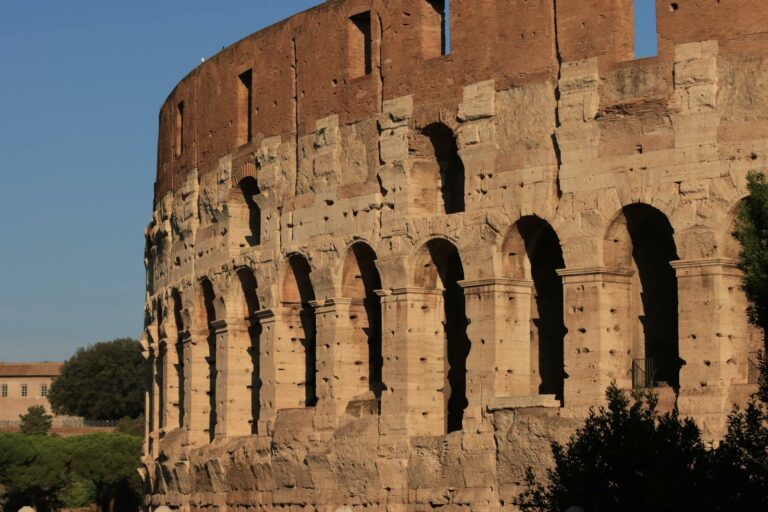
Rome & Lazio
Rome
Vatican
Tivoli
Cerveteri
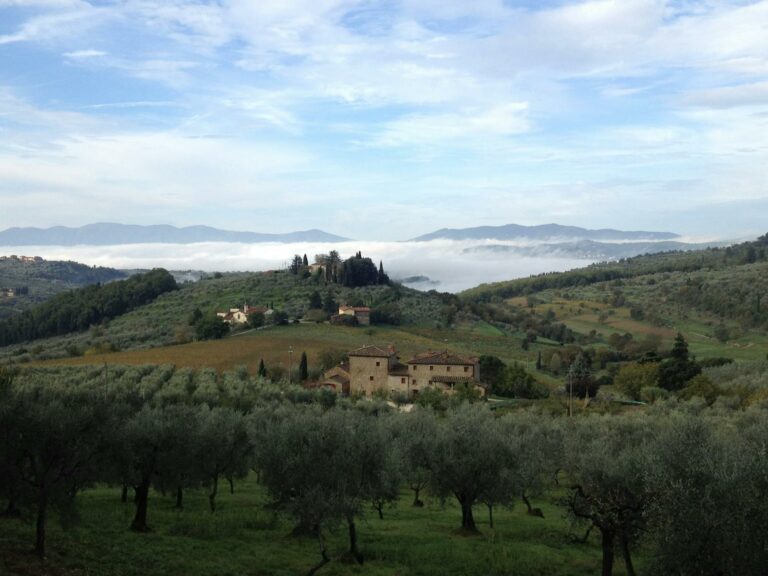
Florence & Tuscany
Florence
Siena
San Gimignano
Chianti
Val d'Orcia
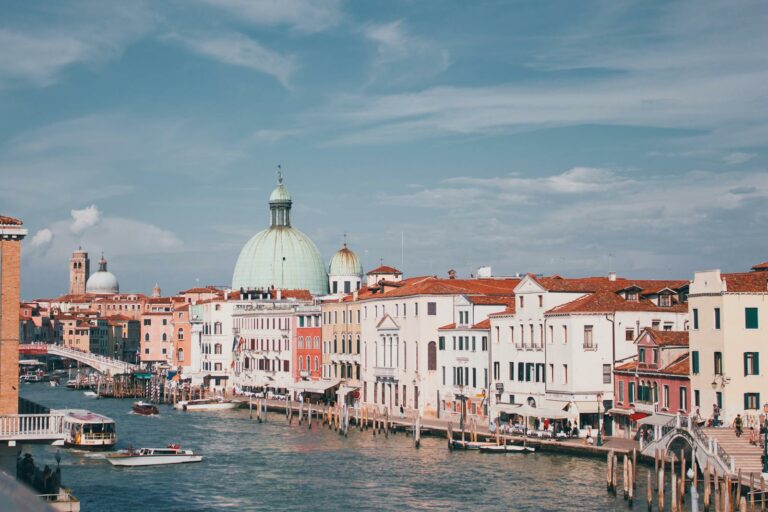
Venice & the Veneto
Venice
Verona
Padua
Lake Garda
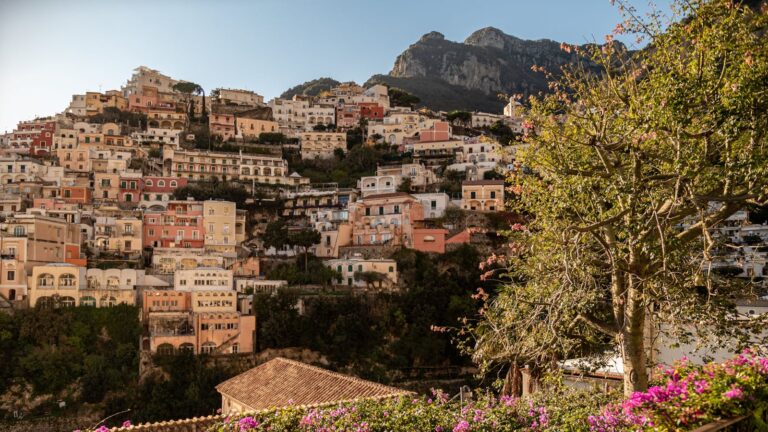
Amalfi Coast & Naples
Positano
Amalfi
Ravello
Sorrento
Naples
Capri
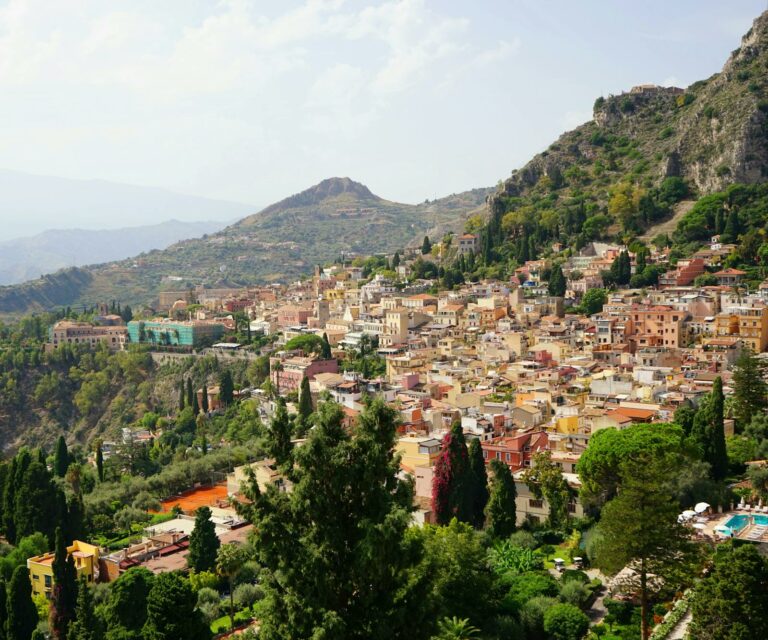
Sicily
Taormina
Syracuse
Palermo
Agrigento
Mount Etna
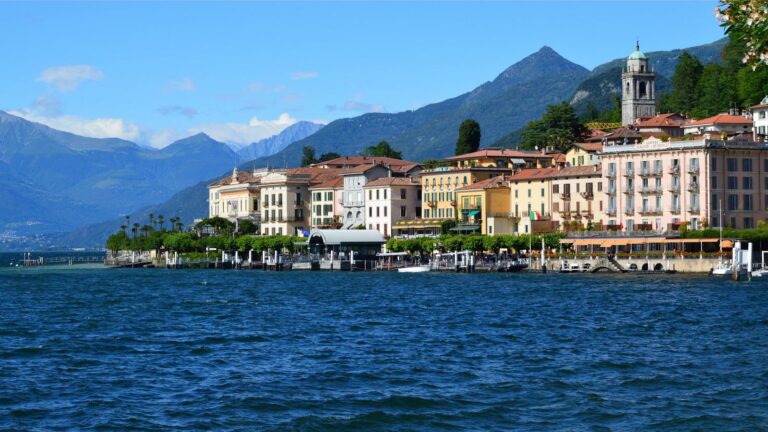
Italian Lakes
Lake Como
Lake Garda
Lake Maggiore
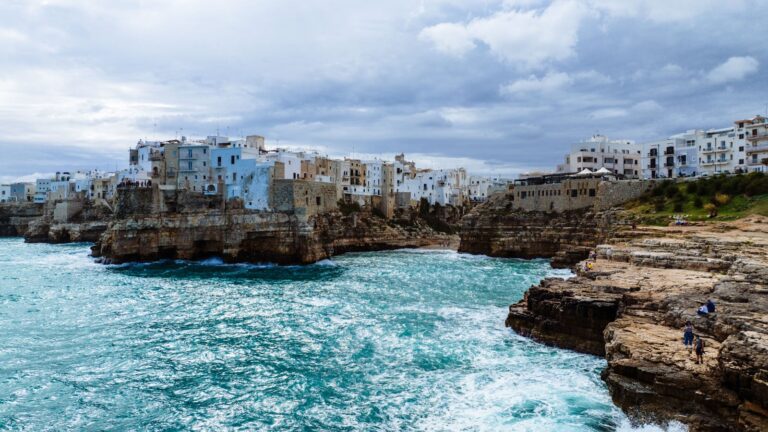
Puglia & the South
Alberobello
Lecce
Polignano a Mare
Ostuni
Find your trip
Holiday types in Italy
Pick a holiday style — or combine two. Each section links straight to the next step.
Beach holidays
Beach destinations grouped by resort area — pick the cluster that matches your pace.
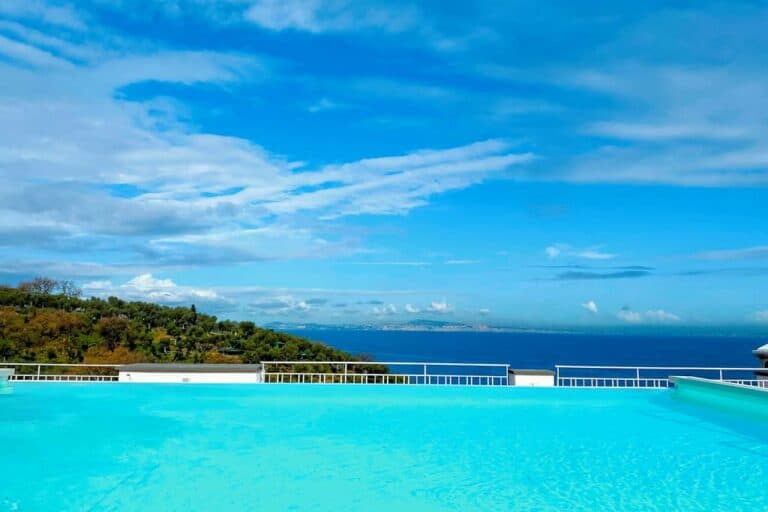
Boutique Hotel Helios
Italy
See hotel →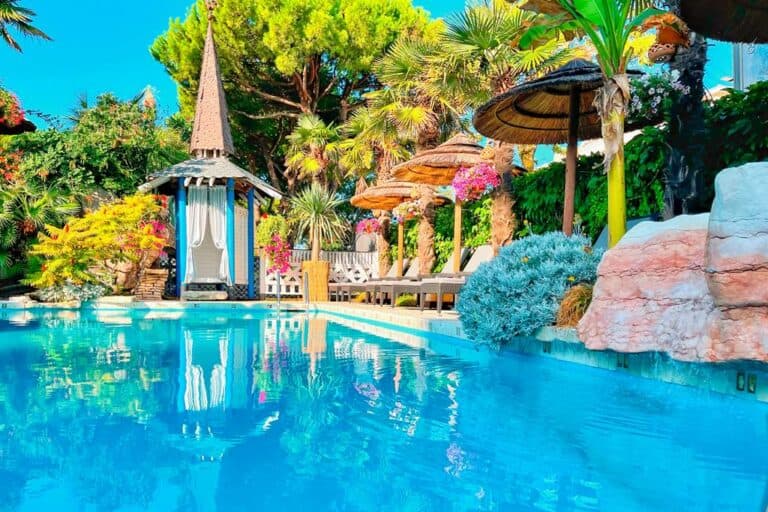
Milton Boutique Hotel
Italy
See hotel →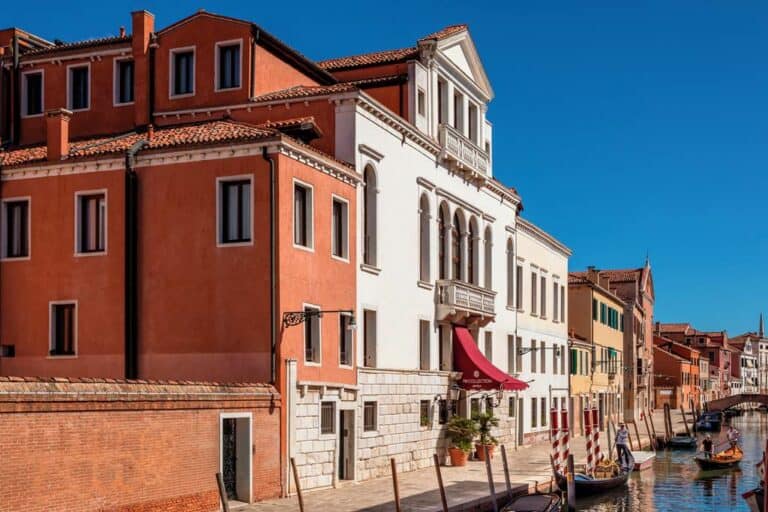
NH Collection Venezia Grand Hotel Palazzo dei Dogi
Italy
See hotel →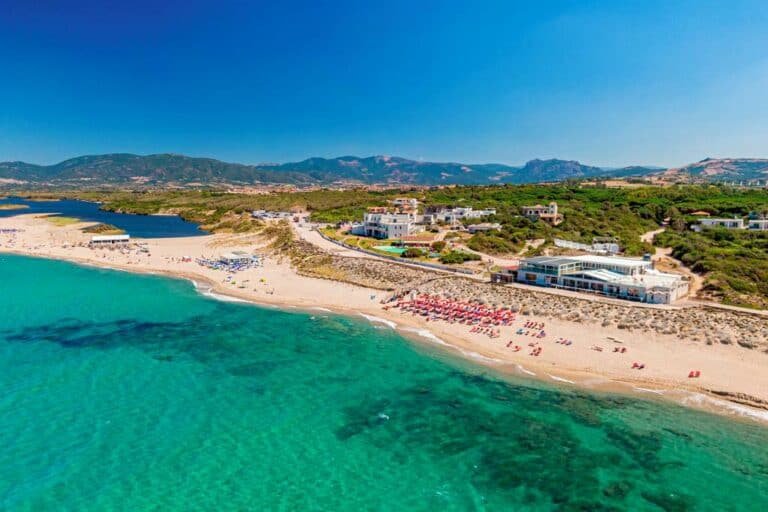
Bellevue Sardinia Resort Affiliated by Melia
Italy
See hotel →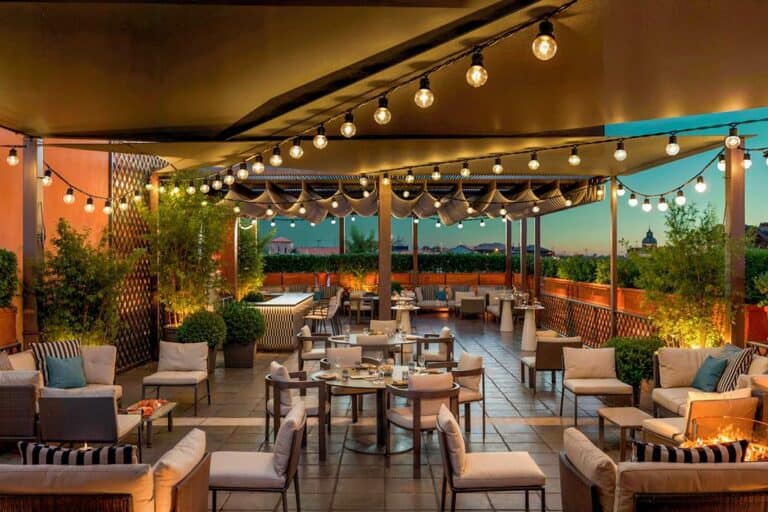
Room Mate Collection Mia
Italy
See hotel →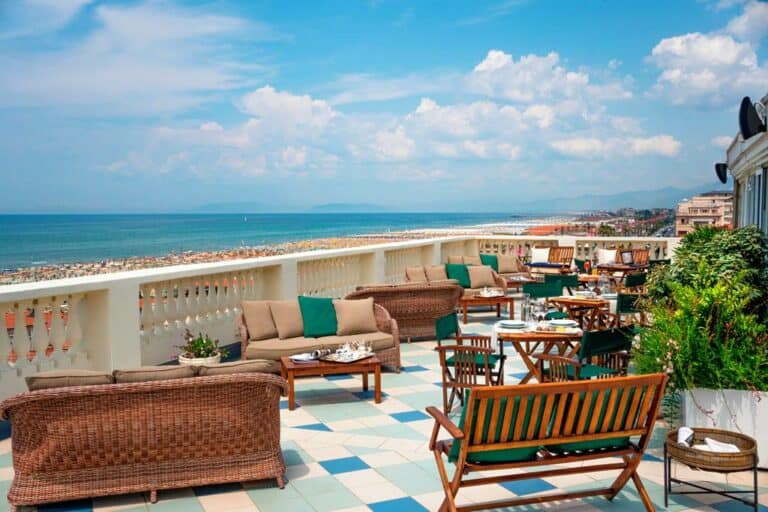
Palace Hotel Viareggio
Italy
See hotel →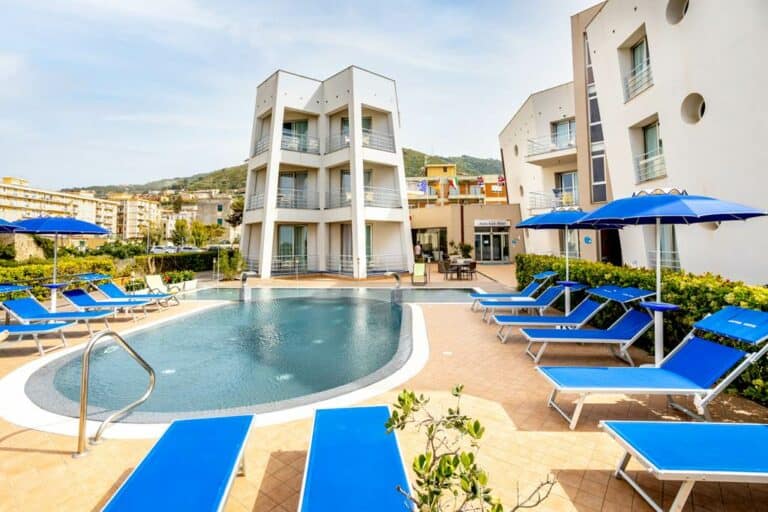
Hotel Astro Suite
Italy
See hotel →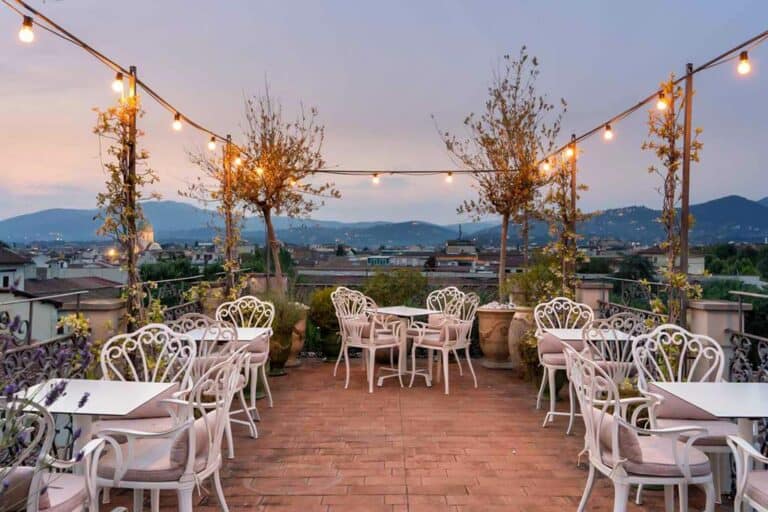
Eurostars Florence Boutique
Italy
See hotel →
Annabelle Elegance Resort
Italy
See hotel →City breaks
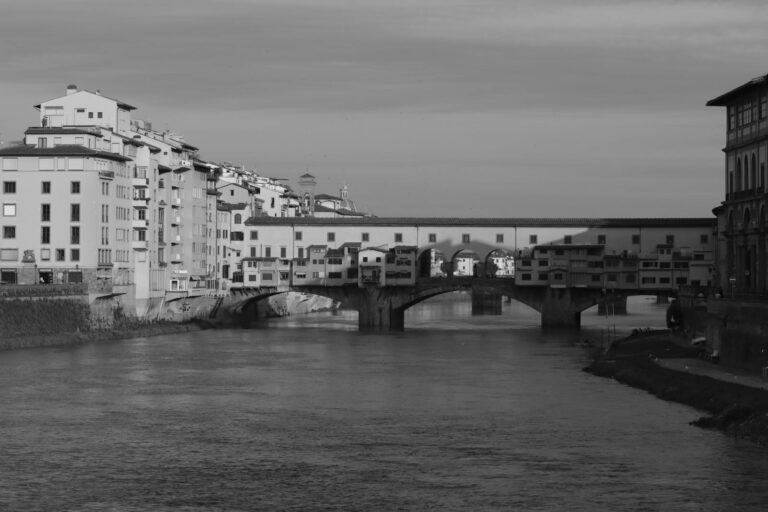
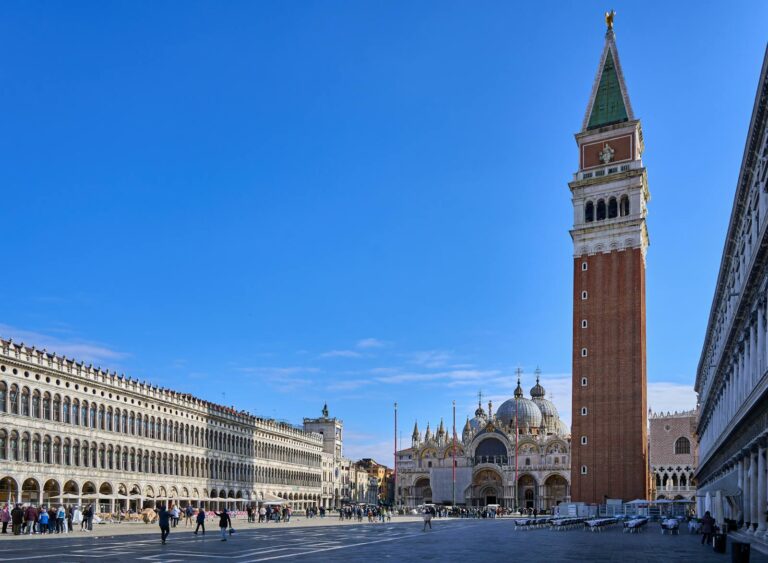
Italy's cities reward 2-4 nights each — pair two for a tailor-made multi-centre trip.
Florence
Venice
Cruises
Italy is Europe's biggest cruise gateway. Civitavecchia (the port for Rome) is the largest, with Venice, Genoa, Naples, Palermo, Bari and Civitavecchia all hosting major Mediterranean departures. Many travellers pair a 7-10 night Mediterranean cruise with a city stay in Rome, Florence or Venice before or after.
Escorted tours
183 escorted tours through Italy — guided, customisable, fully ATOL-protected.
Every Travelisto tour runs with a small group (max 16), an English-speaking local leader, and is fully ATOL-protected. Most tours are also bookable as private departures — same itinerary, your party only, your dates.
Tailor-made
Everything you see above is a starting point — we'll shape any of these around how you actually want to travel.
Bespoke Italy itinerary
Pick your headlines and we design the route, brief private guides, and book the hotels and transfers.
Enquire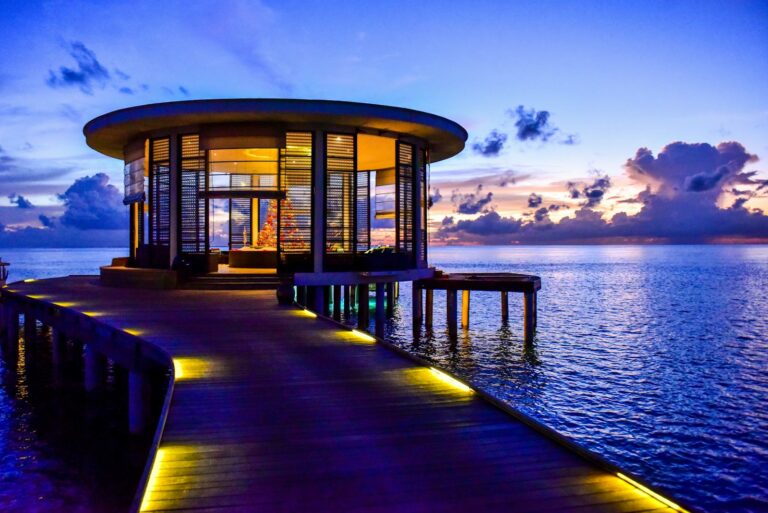
Multi-generational Italy
A pace and accommodation style that suits three generations — connecting suites, slower-paced excursions, kid-friendly highlights.
Enquire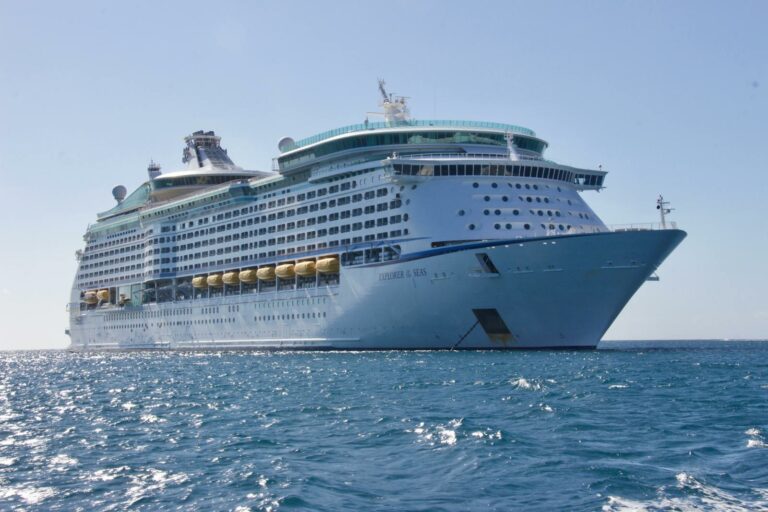
Italy + cruise
Pair the headlines of Italy with a 7-night Mediterranean or Atlantic cruise — booked end-to-end with us.
Enquire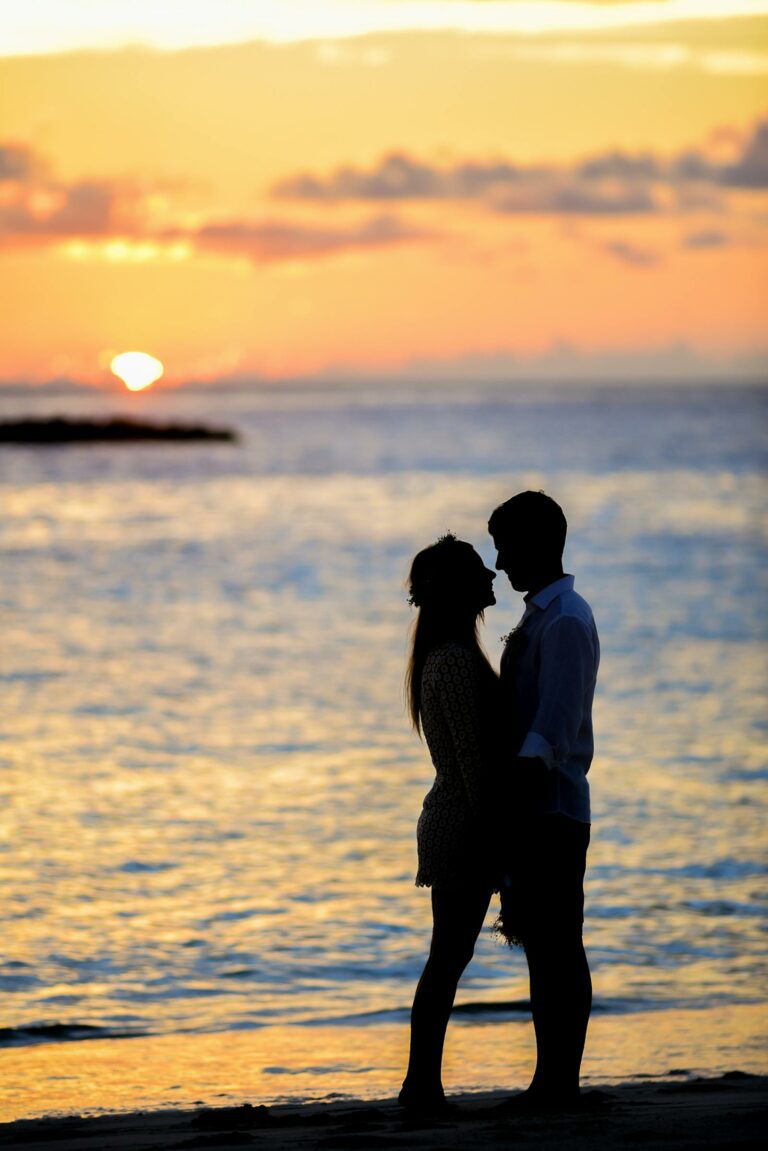
Honeymoon or special celebration
A milestone trip with the romantic flourishes quietly arranged.
EnquirePractical info
Knowing before you go
When to go
Jan
12°
Feb
14°
Mar
17°
Apr
20°
May
25°
Jun
30°
Jul
33°
Aug
33°
Sep
28°
Oct
22°
Nov
17°
Dec
13°
April-June and September-October are the prime months — comfortable temperatures, lower hotel prices, and the cities walkable. May is genuinely magical. October is the wine-harvest sweet spot in Tuscany, Piedmont and the south. July-August: hot, busy and expensive in cities and on the Amalfi Coast; the Lakes and Dolomites stay pleasant. November-March is quieter, cheaper, and a wonderful time for Florence, Venice and Rome with no museum lines.
Flights & how to get there
Direct flights from all major UK airports to Milan, Rome, Venice, Naples, Bologna, Pisa, Catania (Sicily), Cagliari (Sardinia) and Bari — typically 2-2h 45m. The Frecciarossa / Italo high-speed trains are the backbone of every Italy trip: Milan-Rome 3h, Rome-Naples 1h10, Florence-Rome 1h30. Most multi-region trips are rail-first; hire cars only for Tuscany, Puglia and Sicily.
Visa & passport
UK passport holders can stay 90 days in any 180-day period under Schengen rules. ETIAS authorisation expected from 2026. Check current rules at GOV.UK Foreign travel advice: Italy.
Currency & money
The Euro (€). Card payments universal. Tipping: round up the bill, 10% on a full restaurant meal. Coperto (cover charge) of €2-4 per person is standard at restaurants — not a tip.
Language & tipping
Italian. English is widely spoken in hotels and major tourist areas; less so in rural Tuscany, Sicily and Puglia. A few Italian phrases go a long way. Regional dialects are still alive — the Sicilian or Neapolitan you hear is often not standard Italian.
Health & safety
No mandatory vaccinations. EU healthcare reciprocal arrangements apply with a UK GHIC card; bring it alongside comprehensive travel insurance. Tap water is safe across Italy. Buy comprehensive travel insurance before you travel.
FAQs
Italy — your questions
When is the best time to visit Italy?
April–June and September–October are ideal — warm but not stifling, vineyards in good form. July–August can be punishing on the Amalfi / Cinque Terre coasts. November–March is winter; Rome and Florence work but coastal towns close.
Which region should I pick for a first Italy trip?
Tuscany + Florence + Rome covers the classic Italian "must-see." Tuscany for the countryside, Florence for art, Rome for history and food. 10 days minimum.
Is Italy a good food trip?
One of the world's best — Italy invented regional cuisine. Bologna for ragù, Naples for pizza, Sicily for arancini, Piedmont for white truffles. We build food-led itineraries.
Do I need a visa for Italy?
UK passport holders can stay 90 days in any 180-day period (Schengen). ETIAS required from its launch (expected 2026).
How do I avoid the tourist crowds in Italy?
Travel May or September; consider Puglia, Sicily or the Italian Lakes instead of the Amalfi Coast. Book major sights (Uffizi, Vatican) in advance with skip-the-line passes.
Make this trip yours
Plan your Italy holiday with a Travel Designer
Pick from any of the options on this page or tell us what you have in mind — we'll build it around how you actually like to travel. ATOL protected, flights included, real humans available 9am–7pm.
ATOL protected
100% financially protected in a Trust bank account
PTS 6035
4.7 on Trustpilot