
Travelisto destinations
Morocco holidays
Marrakech medina, the Sahara dunes at Merzouga, Atlas Mountain villages and the Atlantic coast at Essaouira — Morocco is one of the great storytelling trips.
Overview
Welcome to Morocco
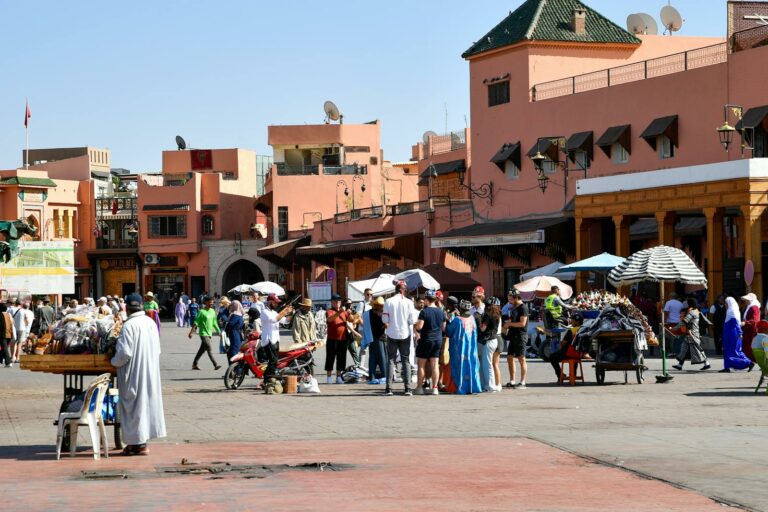
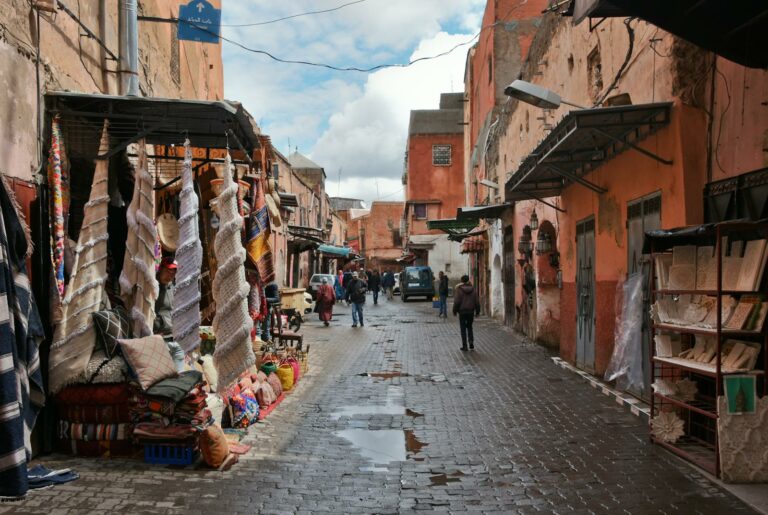
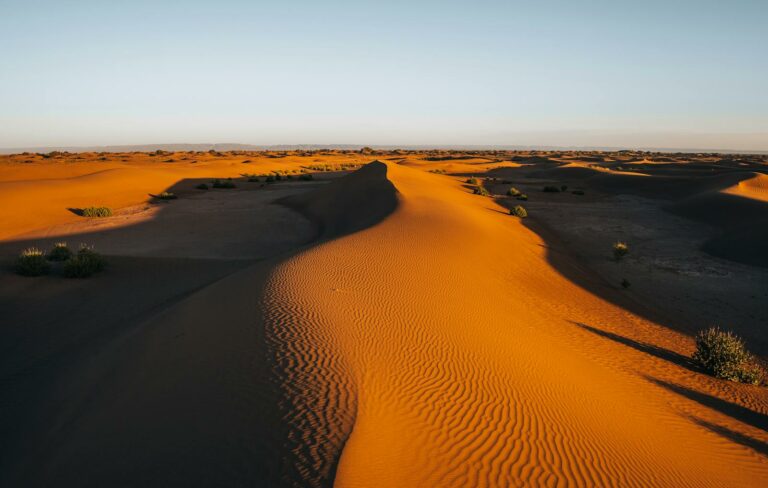
Morocco is the most-travelled North African country and one of Africa's most-developed tourism destinations — a country of staggering cultural variety where Berber, Arab, French and Spanish influences layer across architecture, food and language. The headline experiences: Marrakech's UNESCO Medina with the Jemaa el-Fnaa night-time food-and-snake-charmer square (a UNESCO Intangible Cultural Heritage), the souqs, Bahia Palace, Saadian Tombs, Majorelle Garden and Yves Saint Laurent Museum; Fes's UNESCO old medina (the world's largest car-free urban area, with the Chouara tanneries, Al-Qarawiyyin University founded 859 AD — the world's oldest continuously-operating university); the blue-painted mountain town of Chefchaouen in the Rif; the Sahara dunes at Erg Chebbi (Merzouga) or the more-remote Erg Chigaga (M'Hamid); the Atlantic coast cities of Essaouira (Game of Thrones filming) and Asilah; the imperial cities Meknes and Rabat; and the High Atlas mountains for Berber-village trekking with Mount Toubkal's 4,167m summit climb.
The classic Morocco circuit is 8-12 days: Marrakech (3-4 nights — medina walking, riad accommodation, dinner at the Jemaa el-Fnaa night market or at Le Tobsil for refined Moroccan, day-trip to the Ourika Valley or Atlas foothills), drive over the Tizi n'Tichka pass (2,260m) to Ouarzazate (the "Hollywood of Morocco" with Atlas Studios where Gladiator, Game of Thrones and many biblical epics were filmed, plus the UNESCO Ait Ben Haddou kasbah), continue to the Dades and Todra gorges (1 night for the dramatic palm-tree-and-red-rock landscapes), Merzouga in the Erg Chebbi Sahara (2 nights — sunrise dune climb, camel trek and overnight Bedouin camp), drive through the Middle Atlas cedar forests (Barbary macaques near Azrou) to Fes (3 nights — the medina is genuinely overwhelming and rewards a local guide), Chefchaouen (1-2 nights — the blue village), back to Casablanca for departure.
Read more
Riad accommodation is the trip's organising principle in the imperial cities. A riad is a traditional Moroccan courtyard house, restored as a 5-12 room boutique hotel — the courtyard is the cool centre with a fountain or small pool, the rooms wrap around it, and the rooftop terrace provides medina views and dinner service. Marrakech and Fes have hundreds of riads ranging from £40-300/night. The headline luxury tier — La Mamounia in Marrakech (since 1923, where Churchill stayed), Royal Mansour, Selman Marrakech, La Sultana in both Marrakech and Oualidia, and Riad Yacout in Fes — sits at £500-1500/night.
Food is Morocco's deepest cultural pleasure. Tagines (slow-cooked stews named after the conical clay vessel they're cooked in — lamb-and-prune, chicken-and-preserved-lemon, kefta meatball, vegetarian) are universal. Couscous traditionally served on Fridays. Bread (khobz) accompanies every meal. The pastilla — a sweet-savoury filo-pastry pie of pigeon, almonds, sugar and cinnamon — is the Moroccan ceremonial dish. Mint tea (sometimes called "Berber whiskey") is the universal welcome. Modern Moroccan fine dining has emerged at Plus 61 and El Fenn in Marrakech, Restaurant Numero 7 in Fes, and the rooftop scene generally. Street food: snail soup at the Jemaa el-Fnaa, msemen flatbread for breakfast, sardines grilled on the Atlantic coast.
The High Atlas trekking is one of Morocco's under-promoted strengths. Mount Toubkal climb is 2-3 days from Imlil village (1,700m base) via the Toubkal Refuge to the 4,167m summit — North Africa's highest peak, technical only in winter. The Ait Bougmez "Happy Valley" further east offers Berber-village lodge stays (Tigmi, Dar Itrane) with day-walks through the agricultural valley. The Berber-language villages of the Atlas are a different cultural register from urban Morocco — Tamazight is spoken; agriculture (apples, walnuts, saffron, argan) is the economic base; the village cooperatives that produce argan oil offer cultural tours.
UK travellers don't need a visa for stays up to 90 days. Arabic and Berber (Tamazight) are official; French is the working language of business and tourism — useful but not essential; English is widely spoken in main tourist areas. The Moroccan Dirham (MAD) is the currency; cards work in upscale hotels and restaurants but cash is king for souqs and small purchases. Tipping is expected — 10-15% in restaurants, small change for petits-taxis, dirhams for porters and guides. Dress modestly outside resorts (shoulders covered, knees covered for women; long trousers preferred for men at religious sites).
Best for: cultural-immersion travellers, food and souq travellers, photographers (Marrakech and Fes are among the world's most-photographed cities), adventure travellers (Atlas trekking, Sahara), riad/hammam relaxation travellers, families with older children (the Sahara camel trek and medina exploration suit ages 8+). The best window is October-November and February-April — warm days, cool evenings, no rain. June-August brings 40°C+ in Marrakech and Fes; the Atlantic coast at Essaouira stays cool year-round.
Best time
Oct–Apr (avoid Jun–Aug heat)
Flight from UK
~3h to Marrakech
Currency
Moroccan Dirham (MAD)
Language
Arabic, French; English in tourism
From the team
Why we love Morocco
Morocco is the country I send people on for a 10-day taste of North Africa — Marrakech for the souks, the Sahara for the dunes, Fes for the medina depth. Stay in riads. They're the country's actual cultural offering.
Rossella Rossella, Luxury & Destination Specialist Meet our Travel DesignersMain areas
Where to go in Morocco
4 distinct regions — they pair beautifully two or three at a time.
Marrakech & the South
Marrakech
Essaouira
Ouirgane
Ait Benhaddou
Sahara Desert
Merzouga
Erg Chebbi
M'Hamid
Erg Chigaga
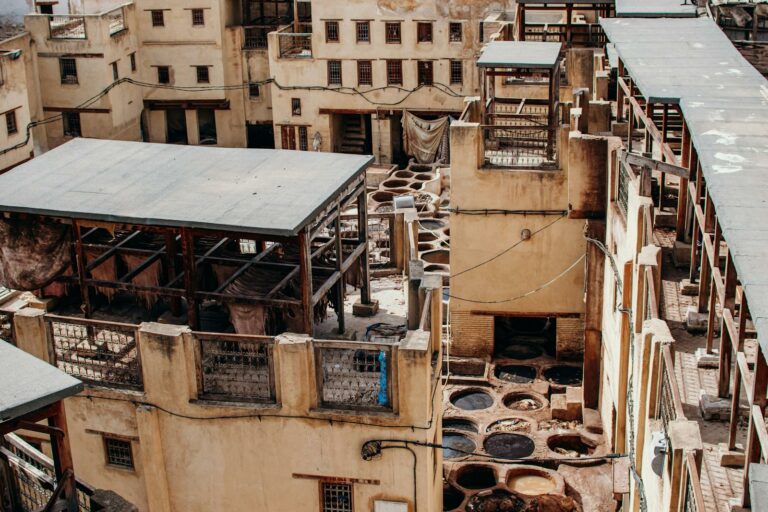
Fes & the North
Fes
Meknes
Chefchaouen
Volubilis
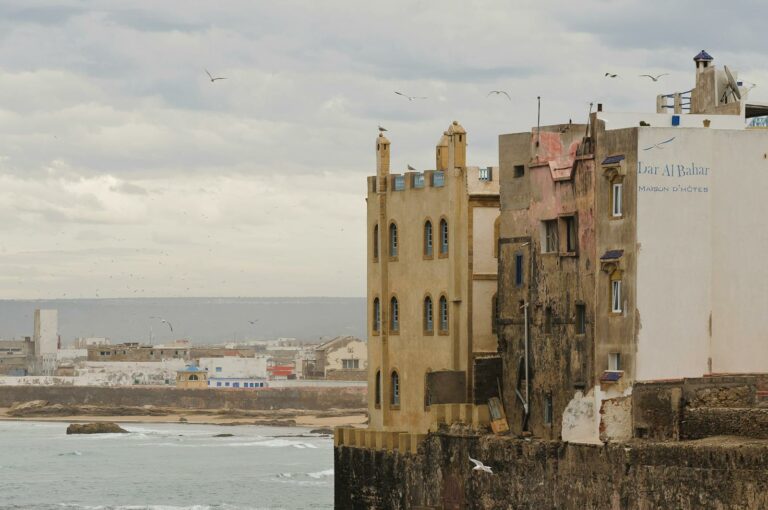
Atlantic Coast
Essaouira
Asilah
Casablanca
Rabat
Find your trip
Holiday types in Morocco
Pick a holiday style — or combine two. Each section links straight to the next step.
Beach holidays
Beach destinations grouped by resort area — pick the cluster that matches your pace.
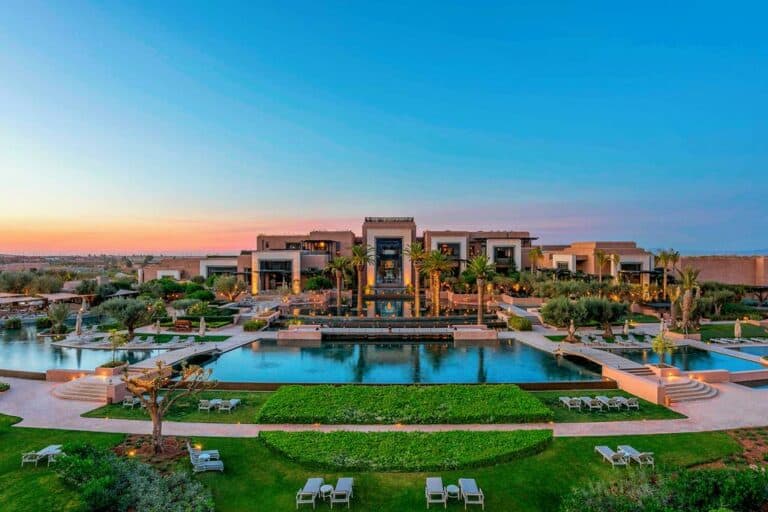
Fairmont Royal Palm Marrakech
Morocco
See hotel →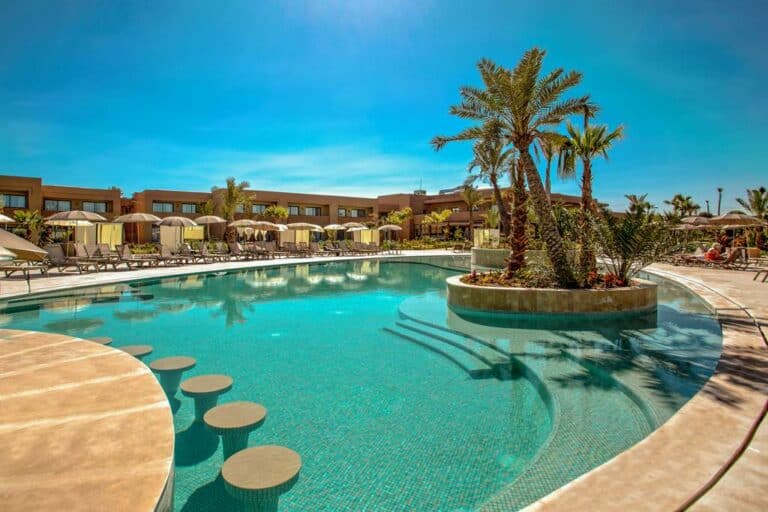
Be Live Collection Marrakech
Morocco
See hotel →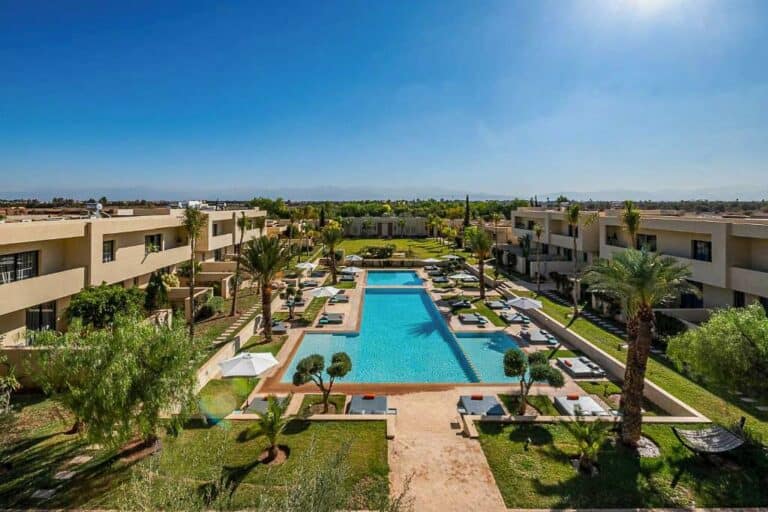
Sirayane Boutique Hotel & Spa
Morocco
See hotel →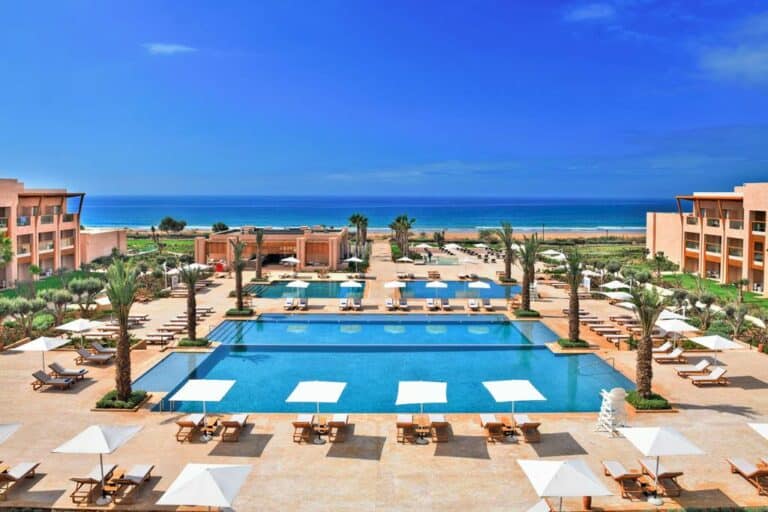
Hilton Taghazout Bay Beach Resort & Spa
Morocco
See hotel →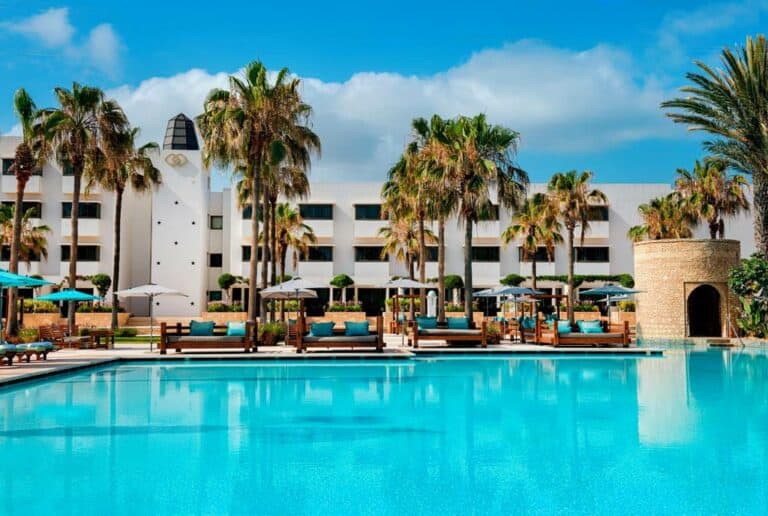
Sofitel Agadir Royal Bay Resort
Morocco
See hotel →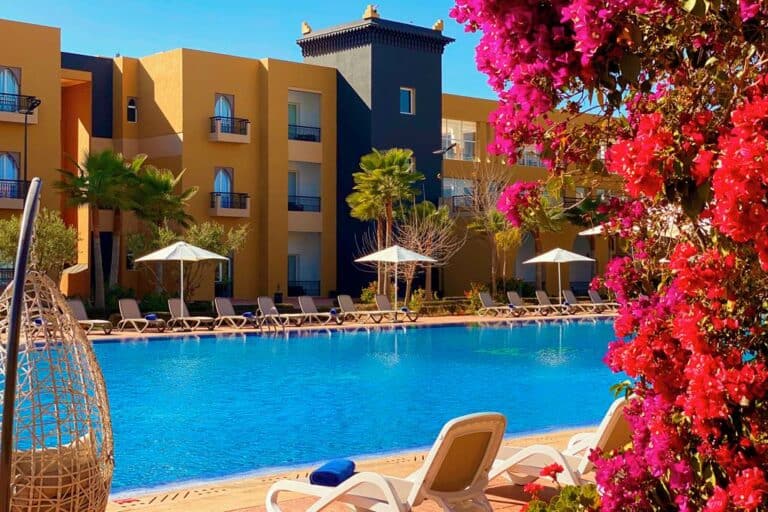
El Olivar Palace Marrakech
Morocco
See hotel →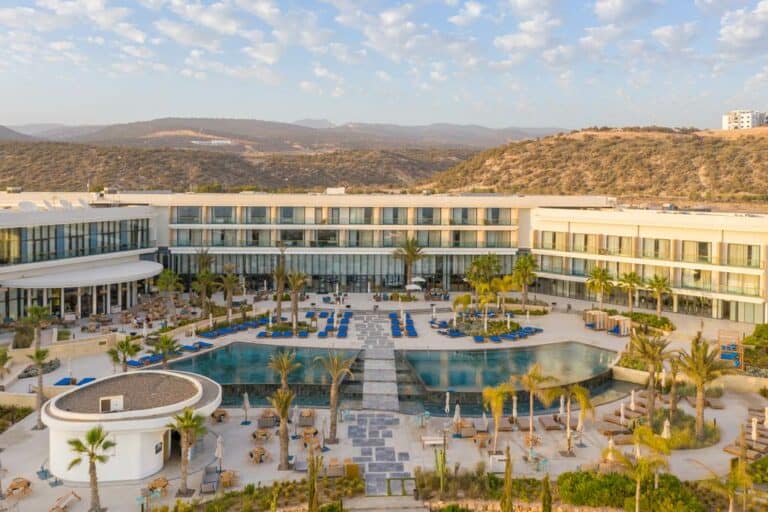
Hyatt Regency Taghazout
Morocco
See hotel →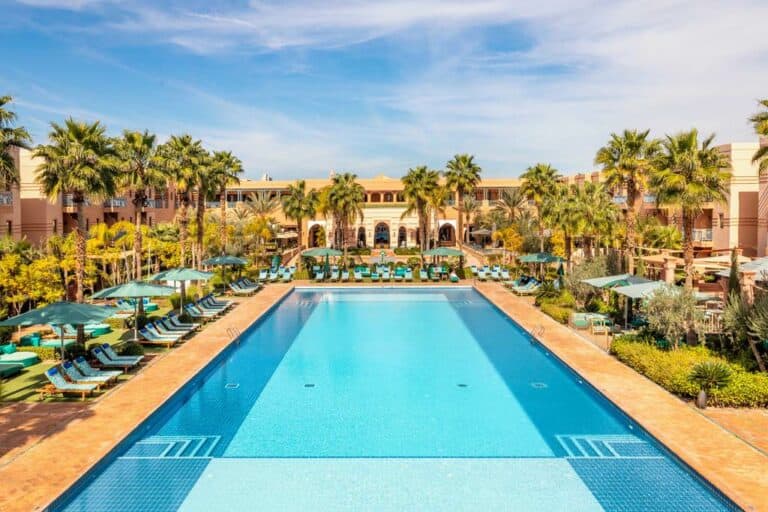
Jaal Riad Resort
Morocco
See hotel →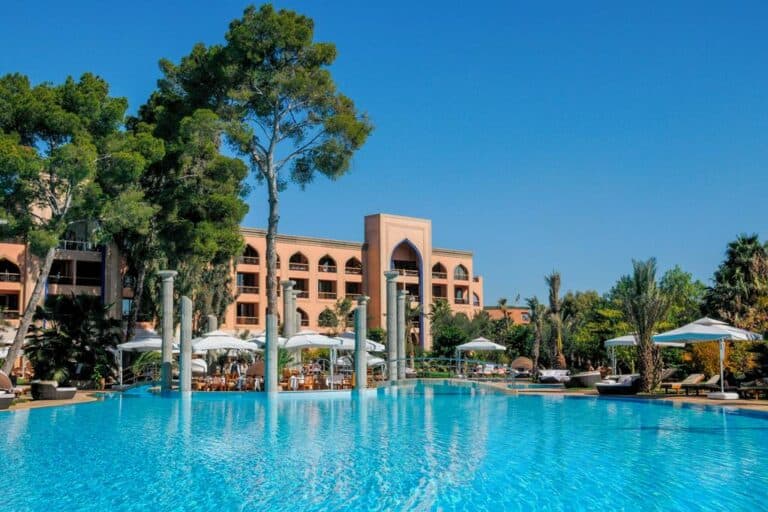
Es Saadi Marrakech Palace
Morocco
See hotel →City breaks
Morocco's cities reward 2-4 nights each — pair two for a tailor-made multi-centre trip.
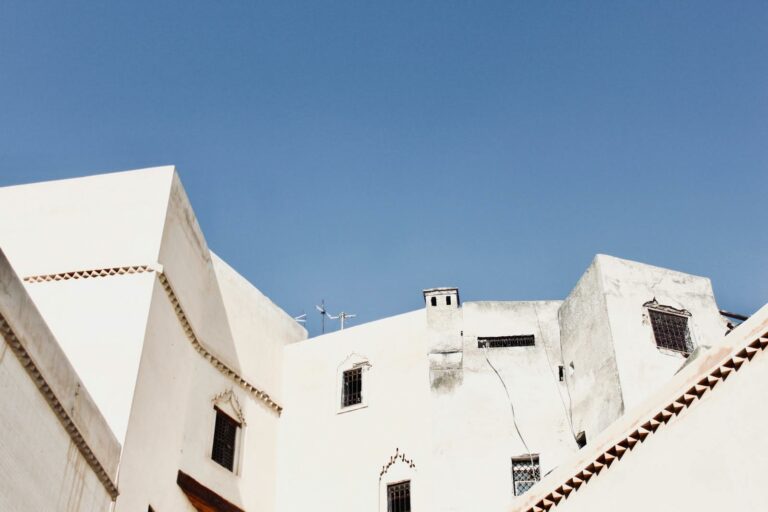
Fes
Cruises
Casablanca and Tangier are Morocco's main cruise ports — most Western Mediterranean cruises call here, often paired with Spain (Tarifa-Tangier ferry is 30 minutes).
Escorted tours
62 escorted tours through Morocco — guided, customisable, fully ATOL-protected.
Every Travelisto tour runs with a small group (max 16), an English-speaking local leader, and is fully ATOL-protected. Most tours are also bookable as private departures — same itinerary, your party only, your dates.
Tailor-made
Everything you see above is a starting point — we'll shape any of these around how you actually want to travel.
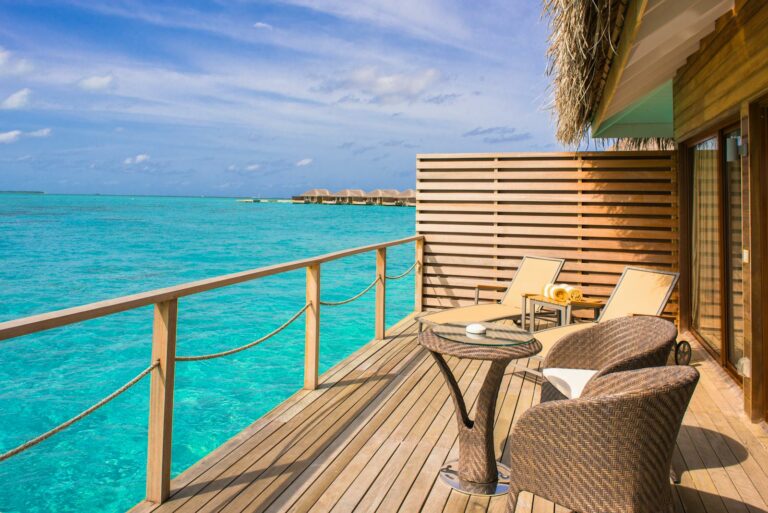
Bespoke Morocco itinerary
Pick your headlines and we design the route, brief private guides, and book the hotels and transfers.
Enquire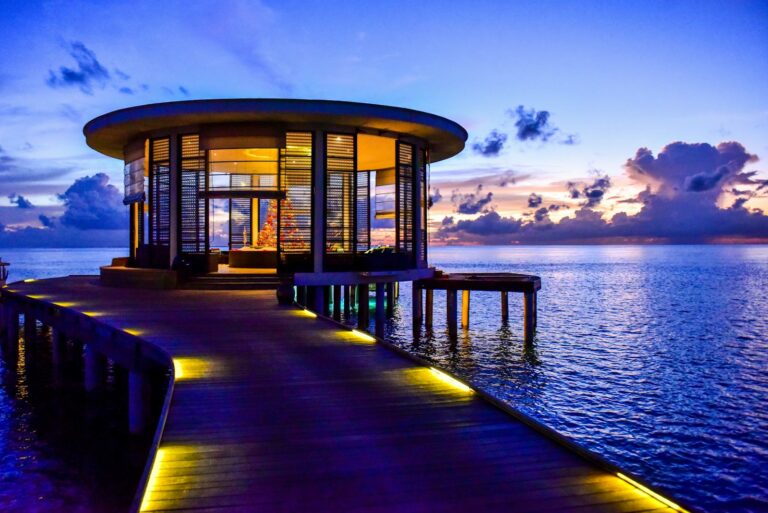
Multi-generational Morocco
A pace and accommodation style that suits three generations.
Enquire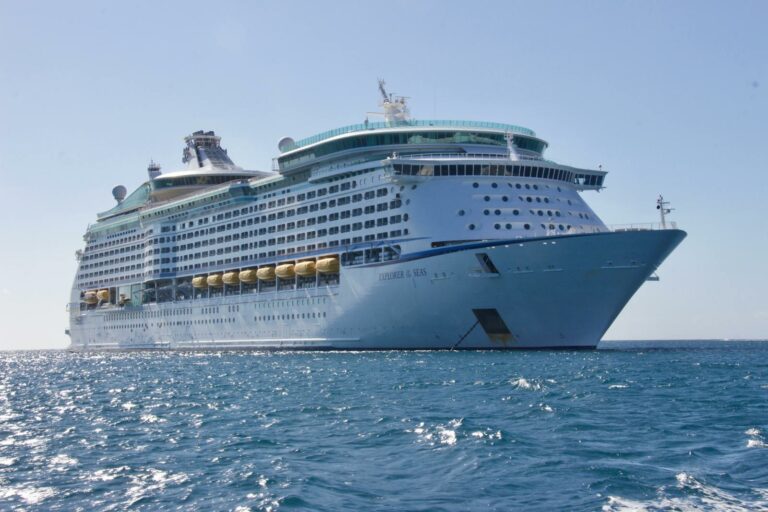
Morocco + cruise
Pair Morocco with a cruise — booked end-to-end with us.
Enquire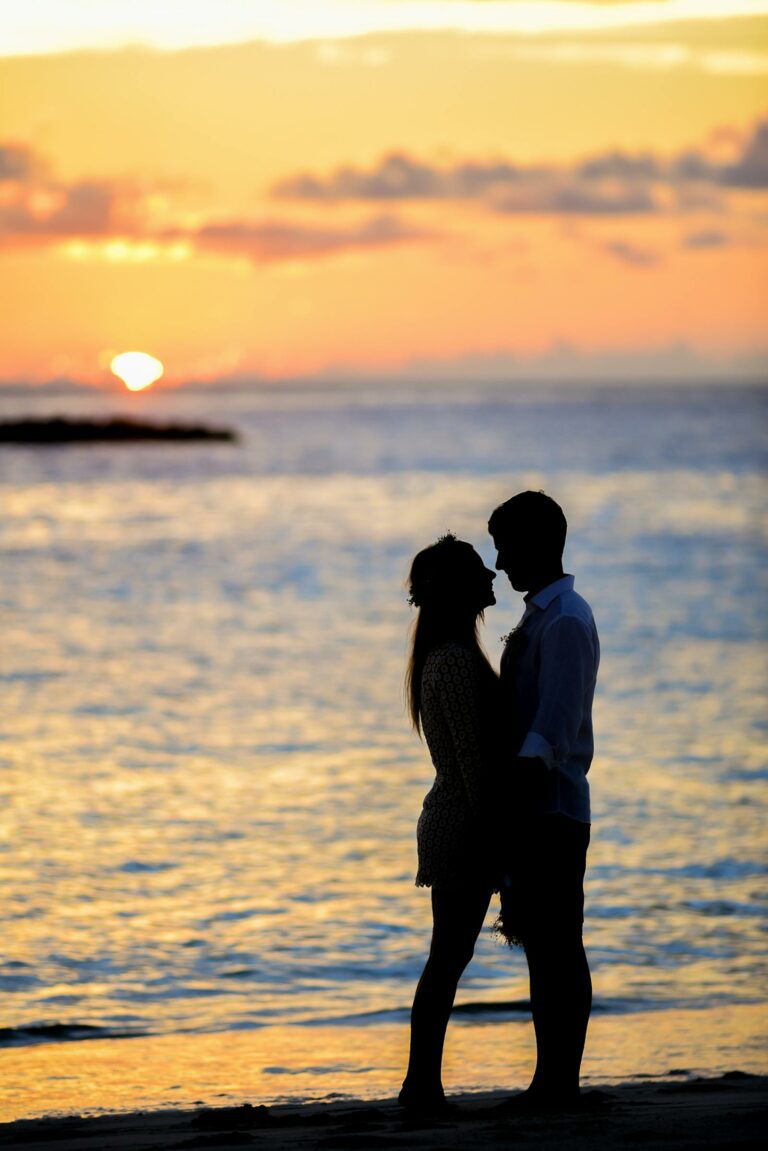
Honeymoon or special celebration
A milestone trip with the romantic flourishes quietly arranged.
EnquirePractical info
Knowing before you go
When to go
Jan
18°
Feb
20°
Mar
23°
Apr
25°
May
28°
Jun
32°
Jul
36°
Aug
36°
Sep
32°
Oct
28°
Nov
23°
Dec
19°
March-May and September-November are best. Avoid June-August inland (40°C+).
Flights & how to get there
Flights from UK to Morocco — ~3h 30m to Marrakech, Casablanca or Tangier.
Visa & passport
UK passport holders get 90 days visa-free entry. For up-to-date entry requirements and safety advice, check the UK FCDO travel advice for Morocco.
Currency & money
The Moroccan Dirham (MAD). Cards in cities; cash for markets and tipping (10%).
Language & tipping
Arabic, Berber (Amazigh); French widely spoken; English in tourism.
Health & safety
Consult your GP 6 weeks before travel. Country-specific vaccinations may apply (yellow fever, malaria prophylaxis for safari regions). Buy comprehensive travel insurance.
FAQs
Morocco — your questions
When is the best time to visit Morocco?
October to April — daytime highs of 18–25°C, cooler nights. May, September and October are particularly comfortable. June–August is brutally hot in the interior (40°C+).
Is Morocco safe for solo women?
With sensible planning, yes. Dress modestly (covered shoulders/knees), avoid late-night solo walks in unfamiliar areas, use registered taxis. Most of our solo Morocco travellers report no issues.
Do I need a visa for Morocco?
UK passport holders can stay 90 days visa-free.
Should I do a Sahara overnight?
Yes if your itinerary allows it. Camel trek + camp under stars at Erg Chebbi or Erg Chigaga is a once-in-a-lifetime night. Plan it for late autumn or spring for comfort.
Can I combine Morocco with Spain?
Yes — daily ferry from Tarifa or Algeciras to Tangier (1 hour). Or fly direct: Madrid–Marrakech 2.5h, Málaga–Tangier 1h.
Make this trip yours
Plan your Morocco holiday with a Travel Designer
Pick from any of the options on this page or tell us what you have in mind — we'll build it around how you actually like to travel. ATOL protected, flights included, real humans available 9am–7pm.
ATOL protected
100% financially protected in a Trust bank account
PTS 6035
4.7 on Trustpilot