
Travelisto destinations
Mozambique holidays
Indian Ocean archipelagos and Portuguese colonial Ilha — beach paradise paired with South African safari.
Overview
Welcome to Mozambique
Mozambique is Indian Ocean Africa's most-distinctive beach destination — 2,500km of coastline running south from the Tanzania border to the Maputaland border with South Africa, with two headline archipelagos (Bazaruto in the south and the more-remote Quirimbas in the far north), Portuguese-colonial old towns at Ilha de Moçambique (UNESCO, the original Portuguese capital from 1507-1898) and Inhambane (the southern Portuguese-colonial trading town), exceptional reef diving (manta rays year-round at Tofo, whale sharks the same season, the more-pristine reefs around Bazaruto and Vamizi), and an emerging luxury-camp scene anchored by Anantara Bazaruto, Azura Benguerra, andBeyond Vamizi, plus the established bush-and-beach lodges in the southern coast. The country offers something genuinely distinctive in African beach travel — Portuguese-Indian-Ocean cultural blend that's neither East African nor Caribbean.
Most Mozambique trips combine a few days of beach with either a South African safari (Kruger NP is 4 hours from the Mozambican border) or the country's emerging Niassa Reserve safari in the far north. A classic 10-14 day southern-Mozambique itinerary: South Africa safari (3-4 nights Kruger or Sabi Sands) → fly Mozambican-cross-border to Maputo capital (1 night — the wide tree-lined boulevards, the Eiffel-designed Iron House (Casa de Ferro) prefabricated 1892 building, the CFM railway station designed by Gustave Eiffel, the Mercado Central, Núcleo de Arte gallery, dinner at Mundo's for the unique Mozambican-Portuguese-Indian Ocean cuisine) → fly to Vilanculos for the Bazaruto Archipelago (3-4 nights at Anantara Bazaruto Island Resort, Azura Benguerra, or the more-budget Bazaruto Island Resort — diving on the 200km-long Bazaruto Reef, sailing on the traditional dhow boats, the Bazaruto National Park manatees and dugongs, the dramatic two-tone sand dunes on Bazaruto Island itself) → optional fly to Pemba for the Quirimbas Archipelago (3-4 nights at the splurge andBeyond Vamizi Island, Anantara Medjumbe or the smaller Ibo Island Lodge — even more-pristine than Bazaruto, with the Ibo Island UNESCO Portuguese-colonial heritage town, world-class diving especially manta rays, the slave-trade history of the Quirimbas) → Ilha de Moçambique UNESCO old town in the north (1-2 nights as a cultural finish — the Portuguese-Indian-Ocean fortress city, the carved-coral architecture, the Fort of São Sebastião, the Capela de Nossa Senhora do Baluarte from 1522 — the oldest European building in southern hemisphere).
Read more
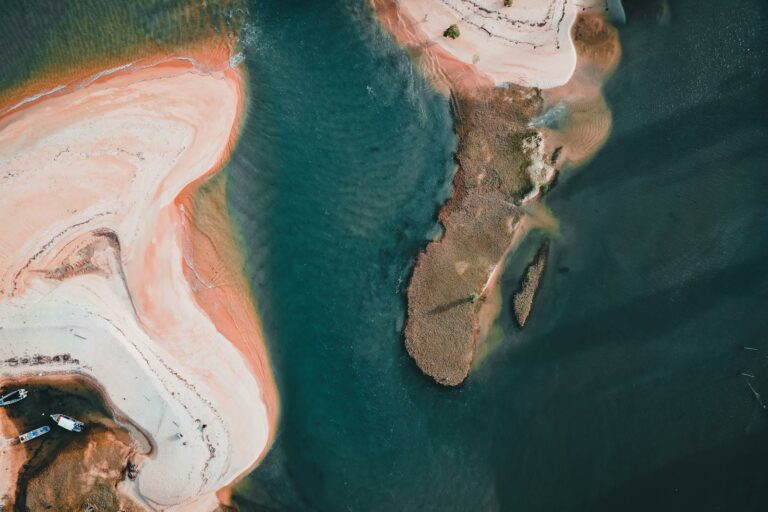
The Bazaruto Archipelago is the country's headline southern beach destination. The Bazaruto National Park (Mozambique's first marine park, established 1971) covers five islands plus surrounding waters. The five islands: Bazaruto (the largest, with the dramatic two-tone shifting sand dunes, the Ponta do Bengelelene at the northern tip), Benguerra (the middle island with most-developed resort infrastructure, including Anantara and Azura), Magaruque (the smaller mid-archipelago island), Santa Carolina (uninhabited, the Paradise Island setting), and Bangué (the smallest, also uninhabited). The diving on the reefs around Two Mile Reef, Cabo São Sebastião and the southern Bazaruto deeper reefs is among Africa's best — manta rays year-round, whale sharks October-March, dolphins and turtles always. The traditional dhow sailing (the Lateen-rigged single-mast boats that have been carrying trade goods along this coast for 1,000 years) is the iconic Bazaruto activity — sunset dhow cruises with fresh seafood-and-coconut-rice dinners on board.
The Quirimbas Archipelago in the far north is the country's most-remote luxury beach option. The 32 islands stretch 200km along the Cabo Delgado province coast — only a few are inhabited, even fewer have tourism infrastructure. Vamizi Island at the northern end (accessed via 90-minute light aircraft from Pemba) hosts the splurge andBeyond Vamizi Island lodge with eight private beach houses on a 12km tropical beach — among Africa's most-exclusive beach resorts. Medjumbe Island has the smaller Anantara Medjumbe Island Resort. Ibo Island (the historic Portuguese-colonial trading town) has the boutique Ibo Island Lodge and the Miti Miwiri small hotel — the cultural heritage of the Ibo Fort, the silversmith tradition (the silver was traded from slaves coming through Ibo to the Atlantic during the 1700s-1800s), and the Indo-Portuguese-Swahili cultural blend distinct from anywhere else on the African coast. The diving in the Quirimbas is among the world's most-pristine because of the low visitor numbers — major coral diversity, abundant fish life, and the famous Pemba Bay manta rays.
Ilha de Moçambique is the country's most-significant cultural heritage. The small coral-stone island (3km long, 500m wide, connected to the mainland by a 3km bridge) was the Portuguese colonial capital from 1507 until 1898 when the capital was moved south to Maputo. Five centuries of layered architecture survive: the Macuti (palm-thatch) town at the southern end with the traditional Swahili-style architecture, the Stone Town in the centre with the carved-coral Portuguese-colonial buildings, the Fort of São Sebastião at the northern tip (1558-1620), and the country's oldest Christian building — the Capela de Nossa Senhora do Baluarte (1522), the oldest European structure south of the equator. The Palácio de São Paulo (the Governor's Palace, now museum), the Hospital (Portuguese-colonial), and the Igreja da Misericórdia all date from the 1500s-1700s.
Mozambican food is one of the trip's most-rewarding cultural experiences. Portuguese-Indian-Ocean fusion: peri-peri prawns (the iconic dish — large prawns marinated in the African bird's-eye chilli-and-lemon-juice sauce, the original peri-peri marinade that Nando's in the UK has commercialised), fresh seafood with coconut rice (a coastal Mozambique staple), matapa (the cassava-leaf-and-peanut stew — one of Africa's most-distinctive dishes), grilled chicken with peri-peri, the Portuguese custard tarts (pastéis de nata, a Lisbon legacy), the curry-influenced dishes from the Indian-Mozambican community (caril Indian-style curries, particularly chicken caril). Local 2M and Laurentina lagers; the Portuguese wine tradition is strong.
The Portuguese colonial heritage is woven through everything — the food, the language (Portuguese is the lingua franca with English picking up in tourism), the architecture, and the cultural calendar. Mozambique gained independence in 1975 after a 10-year war of liberation, followed by a civil war 1977-1992 that devastated the country. Reconstruction has been steady but slow. The South African mining-and-tourism investment, the Chinese infrastructure investment, and the rebuilding of the tourism sector have transformed the major destinations over the last fifteen years. The travel advice for the far north (Cabo Delgado) has been complicated by an Islamist insurgency since 2017 — the Quirimbas islands at the northern end have been periodically restricted; check current FCDO advice before northern travel.
UK travellers can apply for an e-Visa or visa-on-arrival at Maputo or Pemba airports ($50 USD). Mozambique uses the Metical (MZN); cards work in resorts and cities, cash for rural areas. Portuguese is the working language; English is widely spoken in tourism and Maputo upscale areas. The currency is volatile; carry USD for major payments.
Best for: Indian Ocean beach travellers seeking less-touristy alternatives to Zanzibar or the Seychelles, divers (manta and whale shark at Tofo, the Quirimbas reefs), safari-and-beach combination travellers (the Kruger-Bazaruto combination is the regional classic), Portuguese-colonial cultural blend travellers, those drawn to authentic East African Indian Ocean culture. Pair with South Africa (Kruger to Maputo via the Lebombo border crossing), Tanzania (Zanzibar via Dar es Salaam), or Swaziland/Eswatini for a Southern Africa headline trip.
From the team
Why we love Mozambique
Mozambique is the Indian Ocean beach-with-substance trip — Portuguese-colonial culture, world-class diving, and white-sand atolls.
Rossella Rossella, Luxury & Destination Specialist Meet our Travel DesignersMain areas
Where to go in Mozambique
2 distinct regions — they pair beautifully two or three at a time.
Bazaruto Archipelago
Bazaruto
Benguerra
Vilanculos
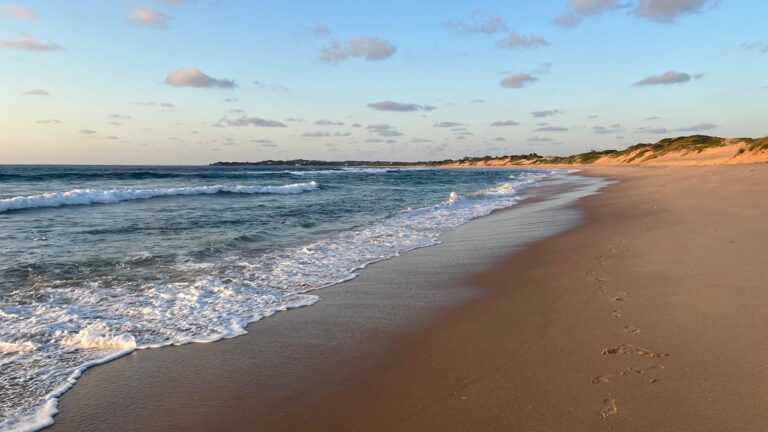
Quirimbas & North
Quirimbas
Ibo Island
Pemba
Find your trip
Holiday types in Mozambique
Pick a holiday style — or combine two. Each section links straight to the next step.
Beach holidays
Beach destinations grouped by resort area — pick the cluster that matches your pace.
City breaks
Mozambique's cities reward 2-4 nights each — pair two for a tailor-made multi-centre trip.
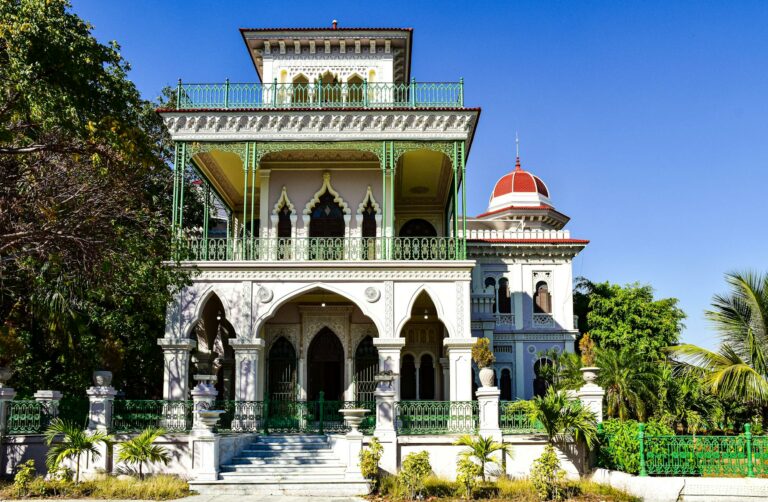
Ilha de Moçambique
Cruises
Mozambique cruise itineraries and Indian Ocean / Atlantic routes available.
Escorted tours
1 escorted tours through Mozambique — guided, customisable, fully ATOL-protected.
Every Travelisto tour runs with a small group (max 16), an English-speaking local leader, and is fully ATOL-protected.
Tailor-made
Everything you see above is a starting point — we'll shape any of these around how you actually want to travel.
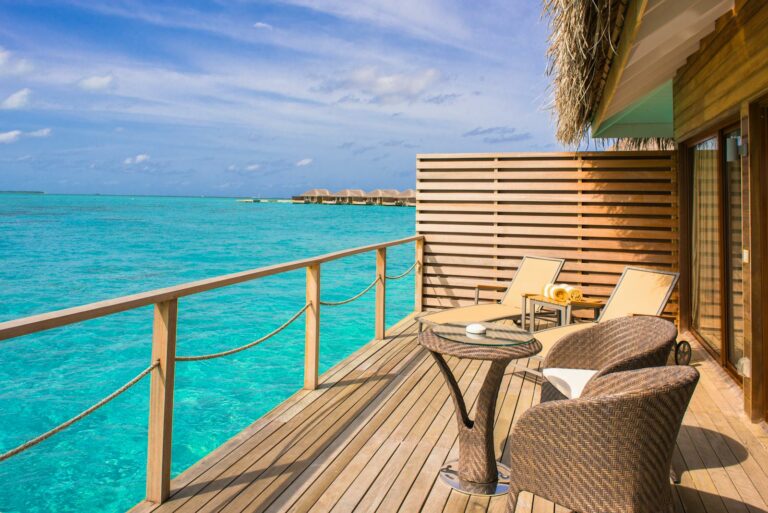
Bespoke Mozambique itinerary
Pick your headlines; we design the route, brief private guides, and book hotels.
Enquire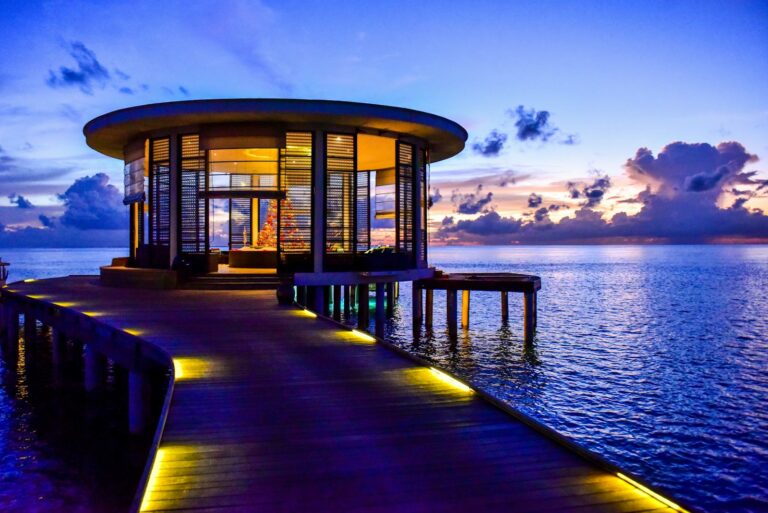
Multi-generational Mozambique
A pace that suits three generations.
Enquire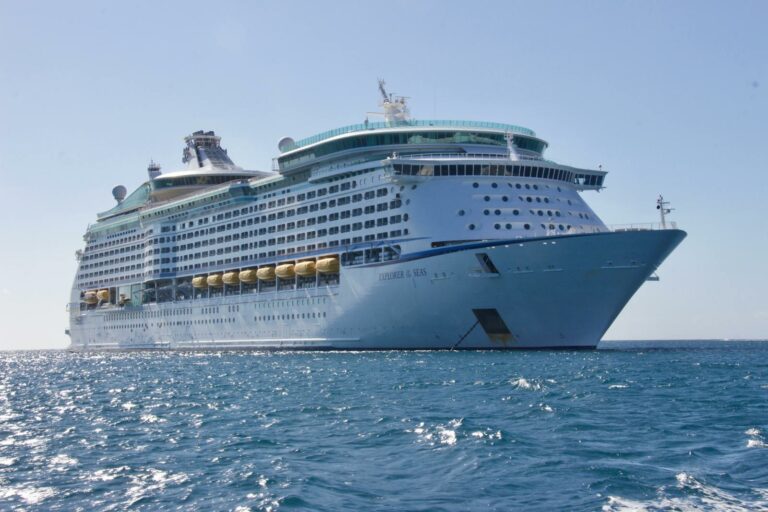
Mozambique + cruise
Pair Mozambique with a cruise — booked end-to-end.
Enquire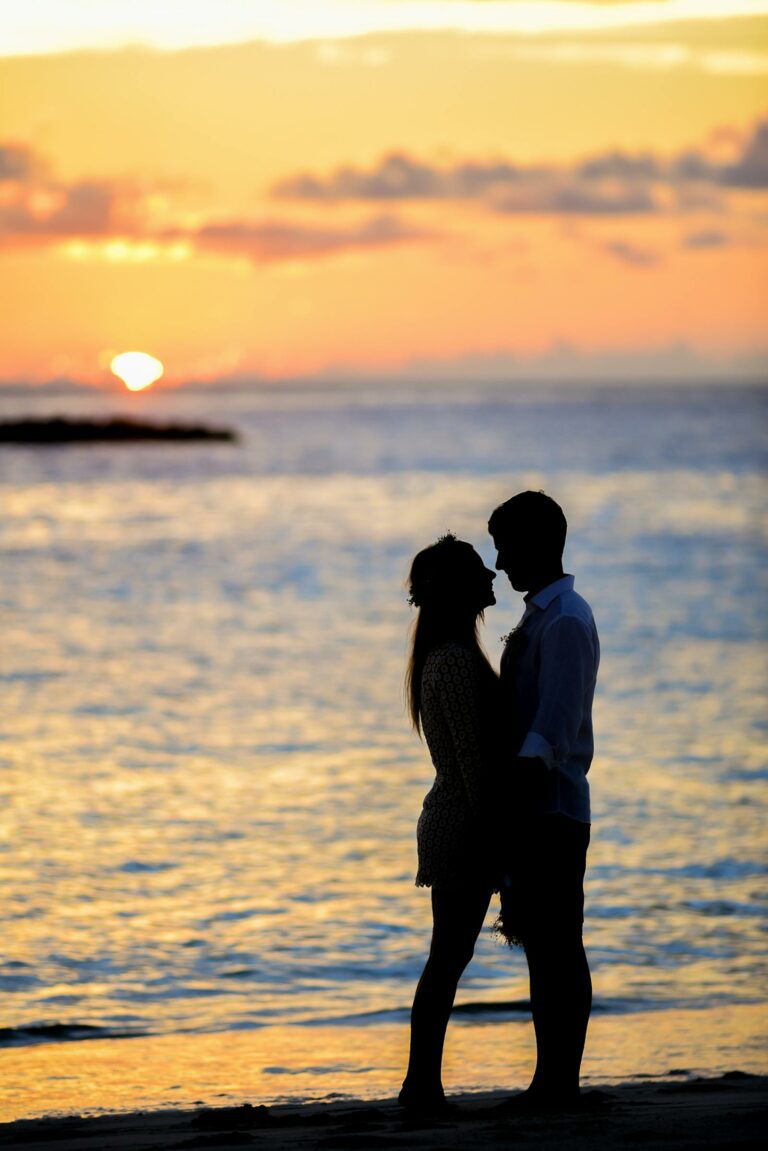
Honeymoon or special celebration
A milestone trip quietly arranged.
EnquirePractical info
Knowing before you go
When to go
Jan
27°
Feb
28°
Mar
28°
Apr
26°
May
25°
Jun
23°
Jul
23°
Aug
23°
Sep
25°
Oct
26°
Nov
25°
Dec
26°
May-October is the dry season (winter, cooler). November-April is hot and rainy with cyclone risk.
Flights & how to get there
Flights from UK to Mozambique — ~14h via Johannesburg.
Visa & passport
UK passport holders get 30 days visa-on-arrival. For up-to-date entry requirements and safety advice, check the UK FCDO travel advice for Mozambique.
Currency & money
The Mozambican Metical (MZN); USD widely used. Cards in cities; cash for rural. 10% tip standard.
Language & tipping
Portuguese.
Health & safety
Consult your GP 6 weeks before travel. Yellow fever often required for African travel; malaria prophylaxis for many regions. Buy comprehensive travel insurance.
Make this trip yours
Plan your Mozambique holiday with a Travel Designer
Pick from any of the options on this page or tell us what you have in mind — we'll build it around how you actually like to travel. ATOL protected, flights included, real humans available 9am–7pm.
ATOL protected
100% financially protected in a Trust bank account
PTS 6035
4.7 on Trustpilot