
Travelisto destinations
Nicaragua holidays
Colonial Granada, volcano-island Ometepe and Pacific surf without Costa Rica's prices.
Overview
Welcome to Nicaragua
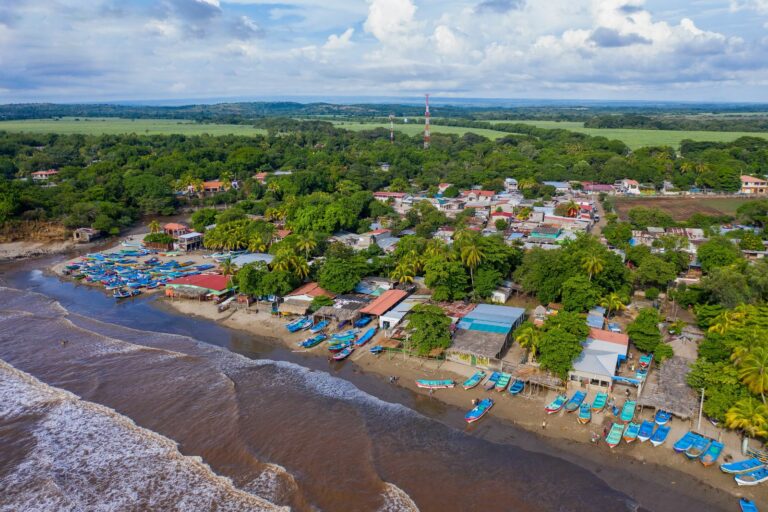
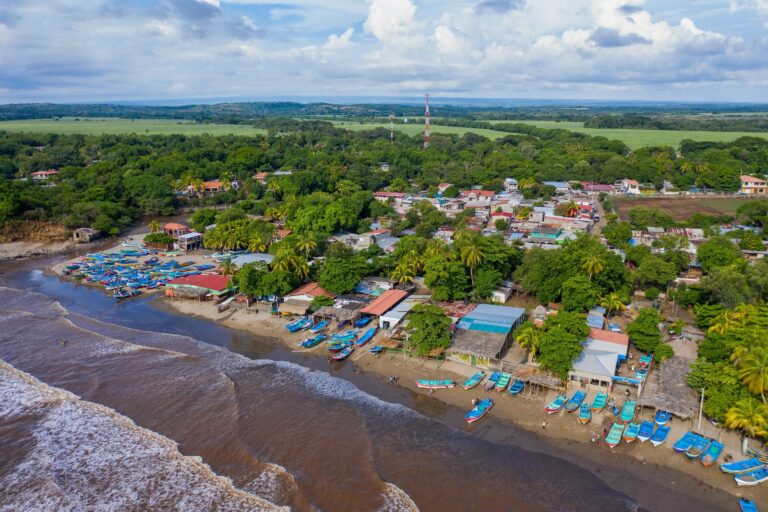
Nicaragua is Central America's largest country (130,000 sq km, larger than England) and one of its most-traveller-rewarding — a string of colonial cities (Granada and León, both UNESCO contenders that escaped colonial-era-destruction wars that flattened most of the region), the volcano-island Ometepe in vast Lake Nicaragua (the world's only freshwater lake with sharks — the bull sharks that migrate from the Caribbean), the Pacific surf-and-ecolodge coast at San Juan del Sur, Popoyo and Playa Maderas, the Caribbean coast's Corn Islands for budget beach, and the world's most-active volcano corridor (Nicaragua has 19 volcanoes, of which 6 are currently active, including the spectacularly active Masaya). Travel costs are significantly lower than Costa Rica next door; the trade-off is less polished tourism infrastructure but a more authentic Central American experience that Costa Rica had 25 years ago.
A 10-14 day Nicaragua itinerary: Managua arrival (rarely an overnight — most travellers transfer directly to Granada 45 minutes away) → Granada (3 nights — the UNESCO-listed colonial old town considered the oldest colonial city on the American mainland founded 1524, Plaza de la Independencia with the historic Cathedral, La Calzada the pedestrian-street with the restaurant scene, Lake Nicaragua boat trips to the 365 small islets near Granada — Las Isletas — including the splurge Jicaro Island Ecolodge, the Mombacho volcano cloud-forest day-hike, the Masaya volcano evening visit with the active lava lake glow at sunset, the Catarina mirador for the Apoyo crater-lake panorama) → Ometepe volcano-island (2-3 nights — the twin volcanoes Concepción at 1,610m and Maderas at 1,394m, the freshwater Ojo de Agua spring-fed pool that's the iconic island swimming spot, hiking either volcano with a local guide — Concepción is more strenuous, Maderas more accessible, the Charco Verde laguna walk, the El Encanto rock-art petroglyphs, base at Hostel Hacienda Mérida or the splurge Totoco Eco-Lodge) → León (2 nights — UNESCO Cathedral (the largest cathedral in Central America), the FSLN Sandinista revolutionary murals across the Old Town, the Museo de la Revolución (history of the 1979-90 civil war), the Volcán Cerro Negro ash-boarding (the unique adventure activity — strap on a wooden plank, sled down the recently-formed volcanic ash slope at 50+ km/h), the Telica volcano evening tour with the active crater rim views, the city's university nightlife) → Pacific surf coast at San Juan del Sur, Popoyo or Playa Maderas (3 nights — beach time, surf school, optional Playa La Flor sea-turtle arribada season July-January, day-trip to the El Chocoyero waterfall reserve).
Read more
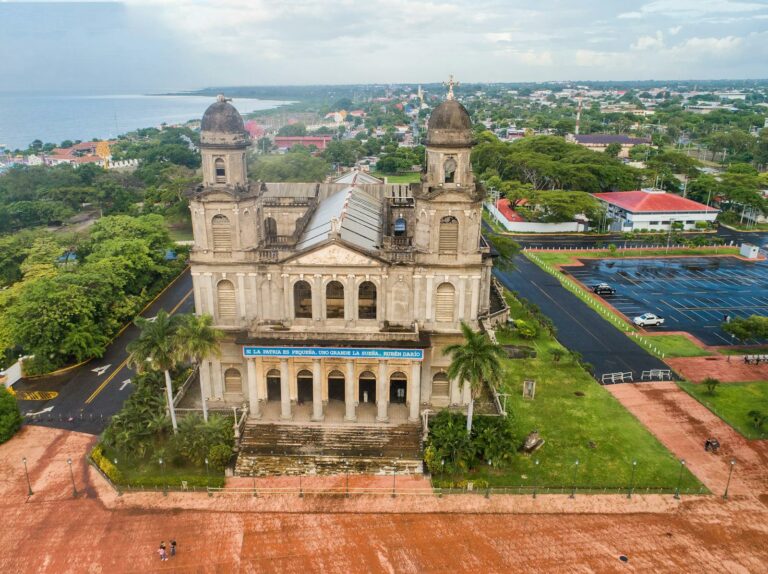
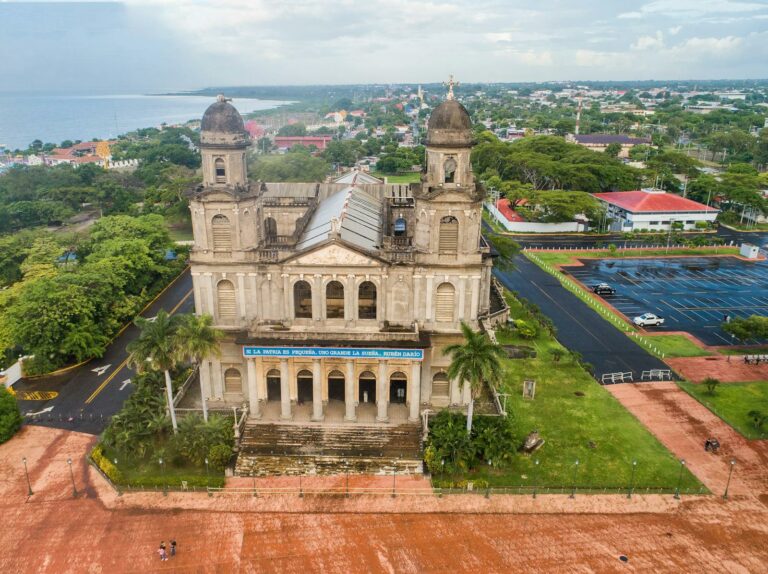
Granada is the country's headline colonial city. Founded 1524 by Francisco Hernández de Córdoba, it claims to be the oldest colonial city on the American mainland (predating Havana by 4 years). The city held the trade-route to the Caribbean via the Río San Juan and Lake Nicaragua — Granada was famously the most-prized colonial target for pirate raids (Henry Morgan and other British and French privateers attacked multiple times in the 1600s). The Cathedral, the historic Iglesia de la Merced bell-tower climb for the city panorama, the colonial-period mansions converted to boutique hotels (Hotel Plaza Colón, La Gran Francia, Tribal Hotel — the splurge), and the cobbled Calzada pedestrian street are the headline experiences. Lake Nicaragua and the 365 Isletas immediately offshore — small islands formed when the Mombacho volcano collapsed thousands of years ago — offer boat trips and the splurge Jicaro Island Ecolodge for the overnight experience.
Ometepe is the country's defining experience for many travellers. The hourglass-shaped island is formed by two volcanoes rising from Lake Nicaragua — Concepción (the symmetrical taller cone, still active) and Maderas (the lower, dormant volcano with the cloud-forest crater lake). The 30-minute ferry from San Jorge port to Moyogalpa or San José del Sur drops you onto a genuinely-rural island of 30,000 residents where horse carts share the road with shuttles, the pace is markedly slower than the mainland, and the volcanic-soil agriculture produces some of the country's best plantains, coffee and tropical fruit. The Ojo de Agua spring is the iconic swimming spot — a natural deep-pool fed by underground springs from the Maderas volcano, surrounded by tropical foliage. Hiking either volcano is a serious 4-8 hour day with a local guide.
León is Granada's revolutionary intellectual rival. Founded 1524 (the same year as Granada) but moved to its current location in 1610 after the original site was destroyed by the Momotombo volcano eruption. The Cathedral of León — Catedral de la Asunción — is the largest in Central America, took 100 years to build, and was UNESCO-listed in 2011. The city was the Sandinista revolutionary heartland during the 1970s civil war against the Somoza dictatorship — the murals across the Old Town are revolutionary art at its most-direct (Sandino, Che, Ortega, the FSLN). The Museo de la Revolución is run by veteran Sandinistas who give the tours themselves — an emotional, partisan, fascinating museum experience. Volcán Cerro Negro is 45 minutes from León — the unique volcano-ash-boarding adventure activity is the trip's headline thrill (the volcano is only 175 years old, formed in 1850, with the loose ash slope perfect for the wooden sled descents at 50-70 km/h speeds — book through Quetzaltrekkers or Bigfoot Hostel).
The food: gallo pinto (the rice-and-beans daily staple, eaten three meals a day with variations), nacatamales (large banana-leaf-wrapped tamales with pork, rice, potatoes, vegetables — the Sunday-lunch tradition), vigorón (yuca, fried pork rind chicharrón, and curtido cabbage relish — Granada specialty), quesillo (cheese in flour tortilla with cream and pickled onions), the Caribbean coast's rondón seafood-and-coconut stew, and excellent rum (Flor de Caña is the country's headline export and has won multiple "world's best rum" awards). The Tona and Victoria local lagers; the cacao tradition is also distinctive (Nicaragua produces fine-quality cacao alongside Costa Rica and Honduras).
UK travellers don't need a visa for stays up to 90 days. Nicaragua uses the Córdoba (NIO) but US dollars are widely accepted. Spanish is the universal language; English is patchy outside the Caribbean coast (where it's historically common due to British colonial-era ties) and the surf-tourist towns. The political climate has been concerning since 2018 — President Daniel Ortega's government has faced significant domestic protest, with the FCDO advice noting reduced civil liberties; the tourist circuit (Granada, Ometepe, León, the surf coast) remains genuinely safe with normal precautions.
Best for: budget-conscious Central America travellers (Nicaragua is 30-50% cheaper than Costa Rica for similar landscapes), volcano enthusiasts (Cerro Negro ash-boarding is unique, Masaya at night is unforgettable), surfers (Popoyo is world-class consistent), colonial-architecture lovers, Sandinista-history travellers, ecotravellers (Ometepe and the Jicaro Ecolodge are headliners). Often combined with Costa Rica (the southern Pacific is 3 hours from Costa Rica's northern border) or Honduras.
From the team
Why we love Nicaragua

Nicaragua is the under-discovered Central America trip — Granada's colonial colour plus the Pacific volcano-surf coast.
Amanda Amanda, Travel Designer · Music & Culture Meet our Travel DesignersMain areas
Where to go in Nicaragua
2 distinct regions — they pair beautifully two or three at a time.
Granada & León
Granada
León
Lake Nicaragua
Ometepe
Pacific Coast
San Juan del Sur
Popoyo
Maderas Beach
Find your trip
Holiday types in Nicaragua
Pick a holiday style — or combine two. Each section links straight to the next step.
Beach holidays
Beach destinations grouped by resort area — pick the cluster that matches your pace.
City breaks
Nicaragua's cities reward 2-4 nights each — pair two for a tailor-made multi-centre trip.
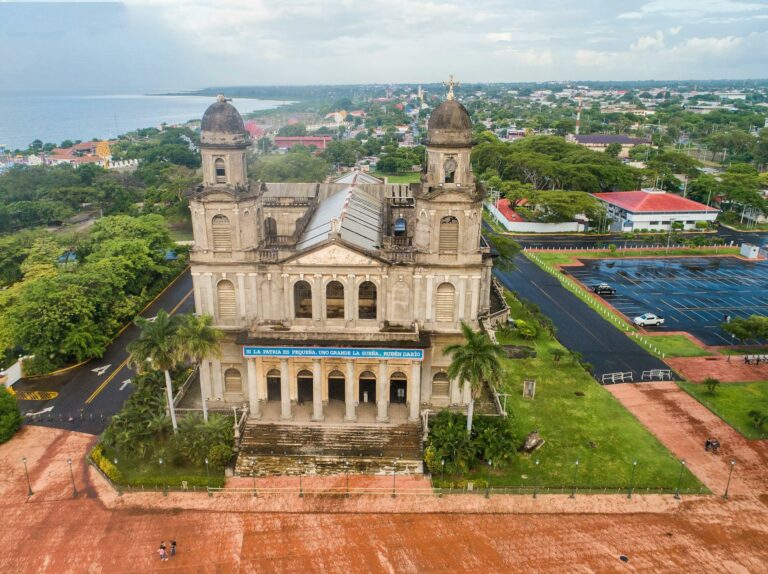
León
Cruises
San Juan del Sur on the Pacific is Nicaragua's main cruise port. Most Central America cruise itineraries are affected by current political situation; check current travel advisory.
Escorted tours
1 escorted tours through Nicaragua — guided, customisable, fully ATOL-protected.
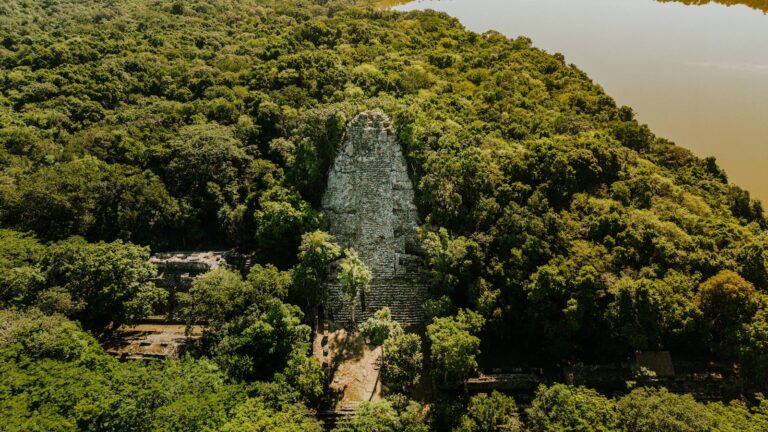
Every Travelisto tour runs with a small group (max 16), an English-speaking local leader, and is fully ATOL-protected. Most tours are also bookable as private departures.
Tailor-made
Everything you see above is a starting point — we'll shape any of these around how you actually want to travel.
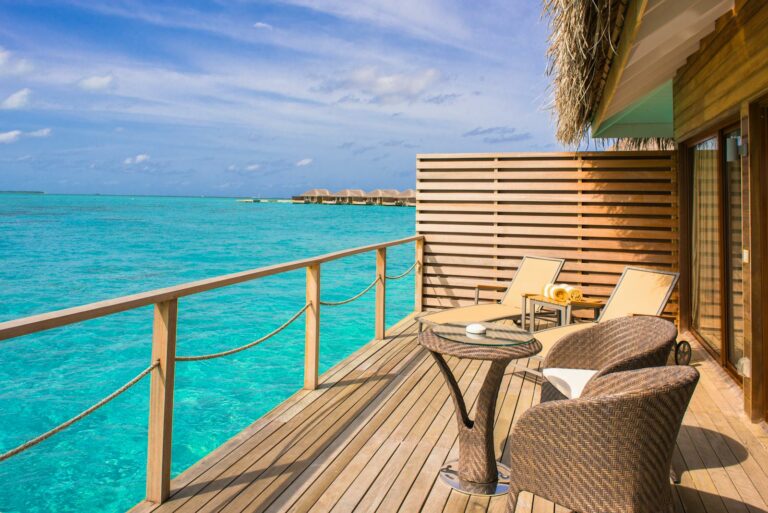
Bespoke Nicaragua itinerary
Pick your headlines; we design the route and book the hotels.
Enquire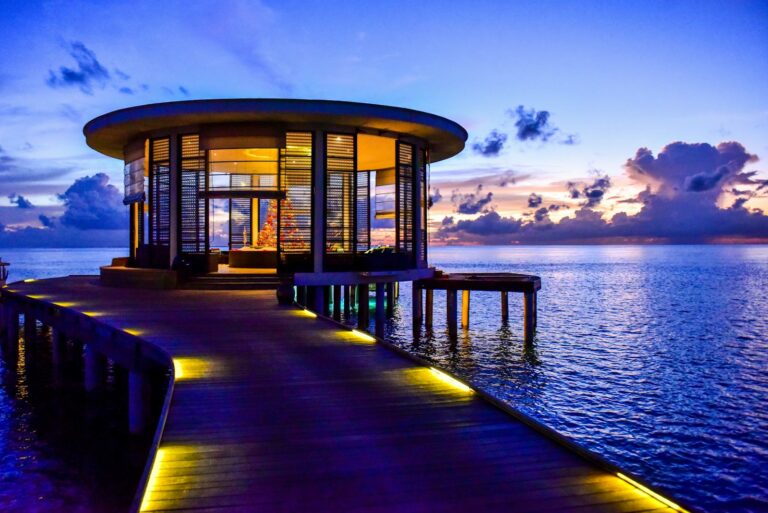
Multi-generational Nicaragua
A pace that suits three generations.
Enquire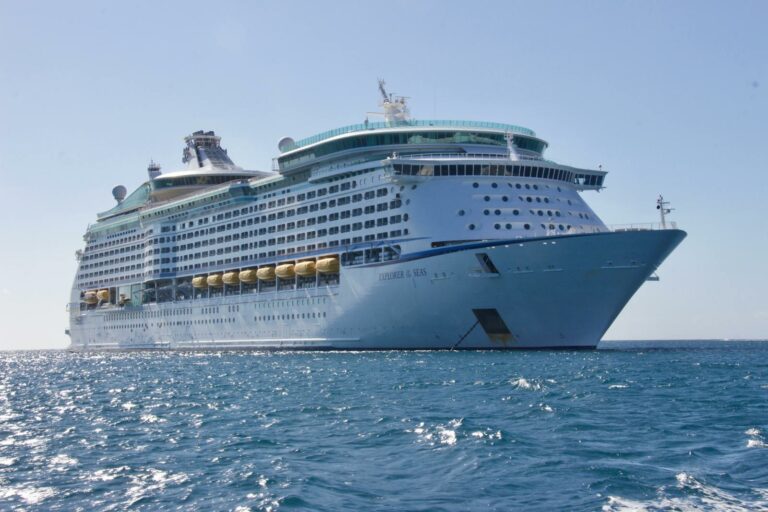
Nicaragua + cruise
Pair Nicaragua with a cruise — booked end-to-end.
Enquire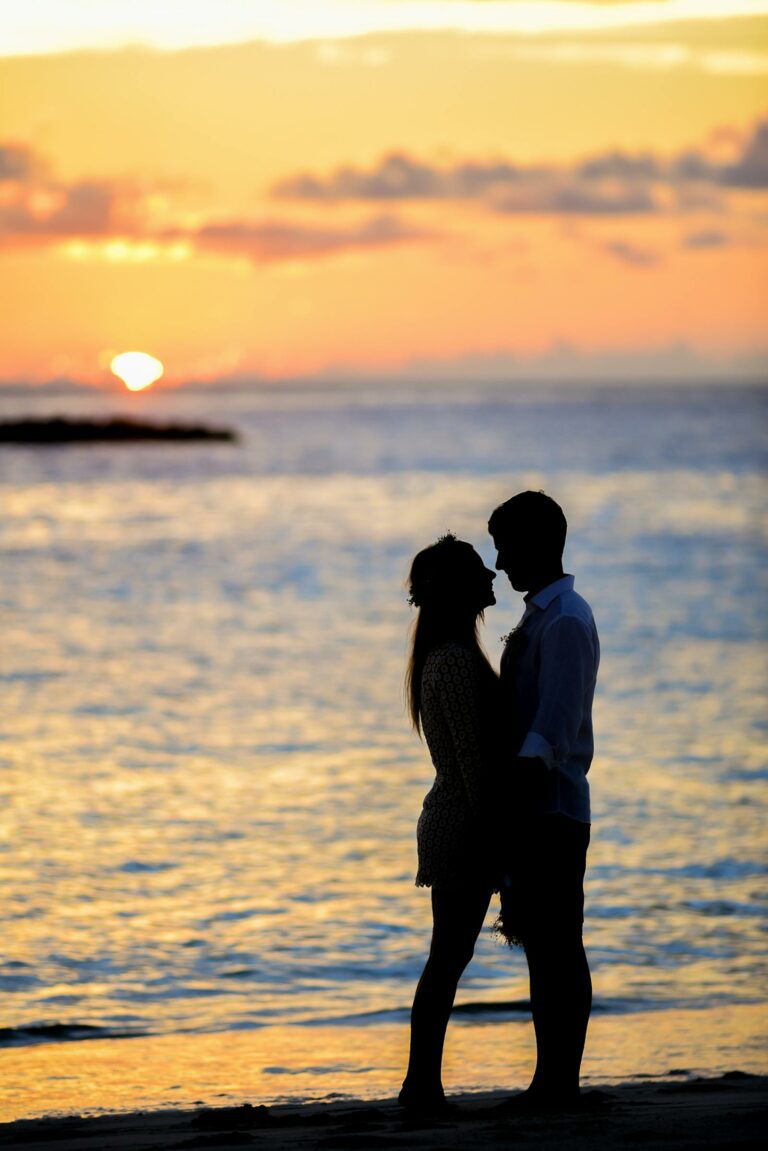
Honeymoon or special celebration
A milestone trip quietly arranged.
EnquirePractical info
Knowing before you go
When to go
Jan
30°
Feb
31°
Mar
32°
Apr
32°
May
31°
Jun
30°
Jul
30°
Aug
30°
Sep
30°
Oct
30°
Nov
30°
Dec
30°
November-April is dry season.
Flights & how to get there
Flights from UK to Nicaragua — ~14h via Miami.
Visa & passport
UK passport holders get 90 days visa-free entry. For up-to-date entry requirements and safety advice, check the UK FCDO travel advice for Nicaragua.
Currency & money
The Nicaraguan Córdoba (NIO); USD widely accepted. Cards in cities; cash for rural. 10% tip standard.
Language & tipping
Spanish.
Health & safety
Consult your GP 6 weeks before travel. Yellow fever often required, malaria prophylaxis for jungle regions. Buy comprehensive travel insurance.
Make this trip yours
Plan your Nicaragua holiday with a Travel Designer
Pick from any of the options on this page or tell us what you have in mind — we'll build it around how you actually like to travel. ATOL protected, flights included, real humans available 9am–7pm.
ATOL protected
100% financially protected in a Trust bank account
PTS 6035
4.7 on Trustpilot