
Travelisto destinations
Norway holidays
Fjord cruising from Bergen, the Lofoten Islands, the Northern Lights at Tromsø and Oslo's design culture — Norway in dramatic landscape and design balance.
Overview
Welcome to Norway
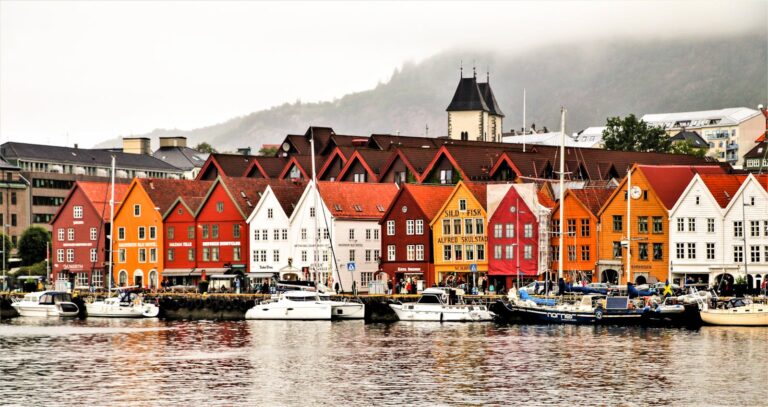
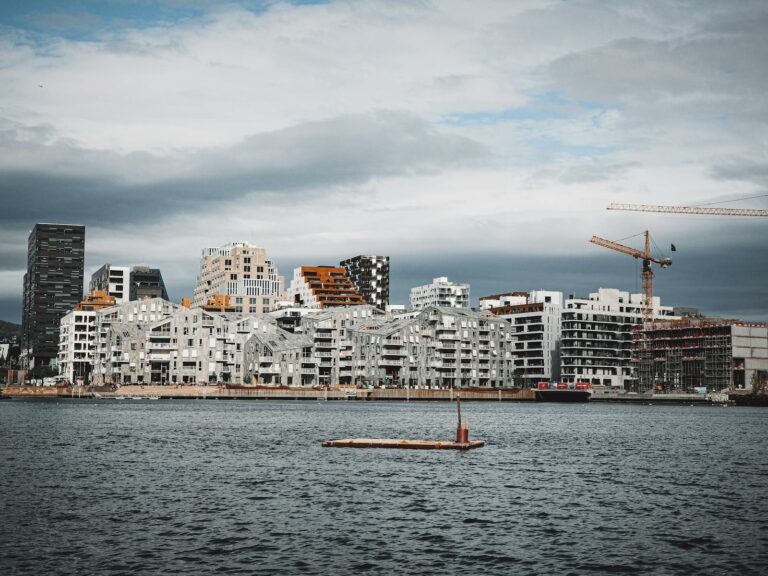
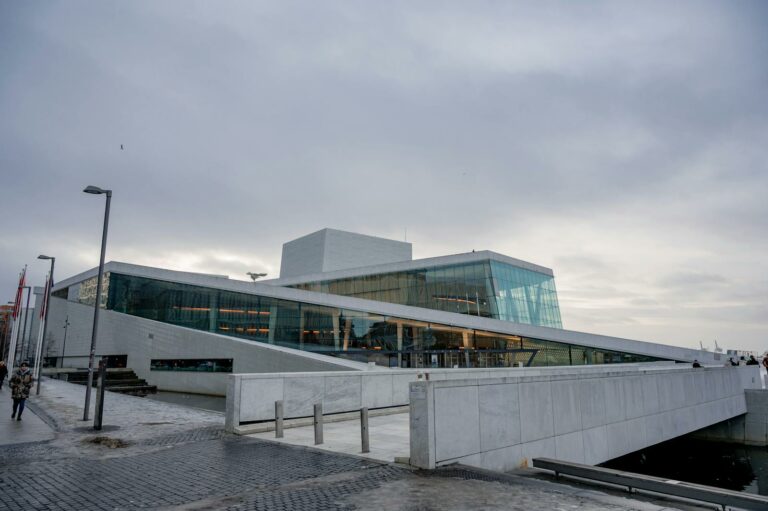
Norway is Scandinavia's most-dramatic landscape country — 25,000 km of coastline (the world's second-longest, after Canada's, despite the country being just 1,750 km north-to-south) crinkled into fjords cut by glaciers during the last Ice Age, the northernmost mainland Europe (Nordkapp at 71°N is the headline North Cape destination), the Northern Lights visible 200 nights per year above the Arctic Circle, the midnight sun in summer when the sun never sets for weeks at the latitudes north of the Polar Circle, plus a winter sport-and-design culture that has produced some of the world's most-distinctive contemporary aesthetics. The headline destinations: the western fjords (Geirangerfjord and Nærøyfjord — both UNESCO, the most-iconic Norwegian fjord landscapes, accessed from Ålesund or via the classic Norway in a Nutshell rail-and-fjord route from Oslo to Bergen); the Lofoten Islands in northern Norway (the dramatic mountains-rising-straight-from-the-sea fishing villages of Reine and Hamnøy, Instagram-famous worldwide); the Svalbard archipelago at 78°N (polar bear country, Longyearbyen the northernmost town with year-round inhabitants, expedition cruises in summer); Bergen UNESCO Bryggen wharf (the colourful wooden Hanseatic League merchant houses); and Oslo with its waterfront Astrup Fearnley Museum, Munch Museum, Vigeland Sculpture Park, and the Oslo Opera House you can walk on the roof of.
A 10-14 day Norway trip can split into summer or winter character. SUMMER (June-August): Oslo (2-3 nights — Vigeland, Munch Museum, the Opera House, Holmenkollen ski jump for the city panorama, Bygdøy peninsula's Fram polar exploration museum and Viking Ship Museum) → Norway in a Nutshell day-trip or 2-day route to Bergen via the Flåm Railway, Nærøyfjord cruise, and the Bergen Railway (one of the world's great train journeys, crossing the Hardangervidda plateau) → Bergen (2 nights — Bryggen UNESCO wooden wharf, the Floyen funicular for the city-and-fjord view, the fish market) → fly to Tromsø in northern Norway (2-3 nights — the Polar Museum, the Arctic Cathedral, optional Sami reindeer-herding cultural visit) → fly to Lofoten Islands (3-4 nights — Reine and Hamnøy fishing villages, Henningsvær cycling, Uttakleiv Beach, Bukkenes climb). WINTER (December-March): the same route swaps for Northern Lights chasing in Tromsø, dog-sledding, and the Northern Lights cruise from Tromsø south to Bergen aboard Havila or Hurtigruten.
Read more
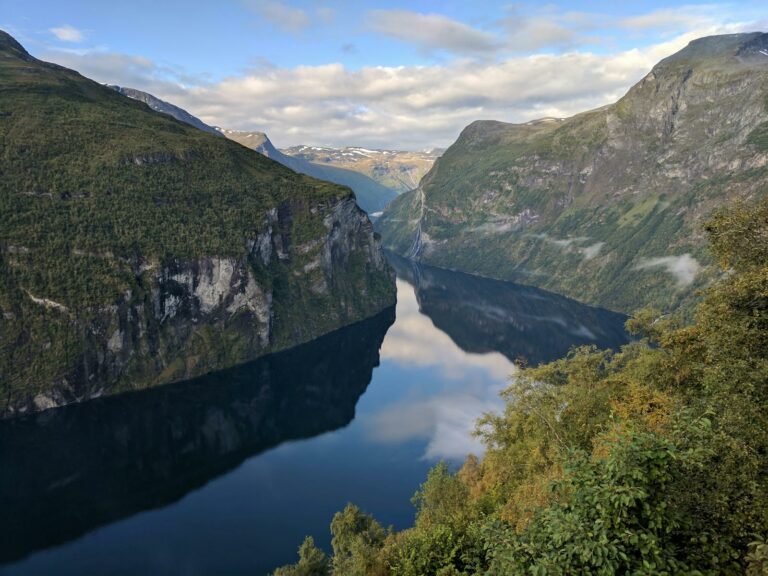
The Norwegian fjord landscapes are formed by glacial scouring — narrow inlets up to 200km long and 1,000m deep, with sheer cliff sides that drop straight into deep water, waterfalls cascading down. The headline four for travellers are: Geirangerfjord (UNESCO, the iconic Seven Sisters waterfalls cascading 250m, accessed from Ålesund or Geiranger village), Nærøyfjord (UNESCO, the narrowest fjord at 250m wide, part of the Norway in a Nutshell route), Sognefjord (Norway's longest and deepest at 1,308m, the gateway to Flåm and the Flåm Railway), and Hardangerfjord (the apple-blossom fjord, with the Trolltunga cliff hike — a 10-12 hour day-walk to the iconic "Troll Tongue" rock projection above Lake Ringedalsvatnet, one of Norway's headline hikes).
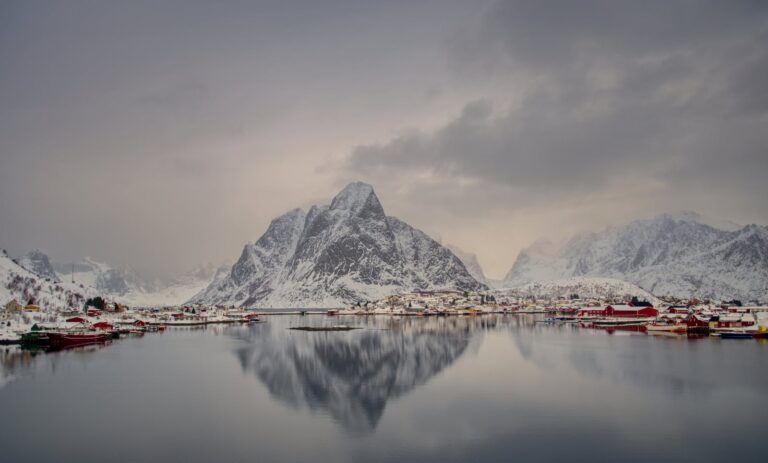
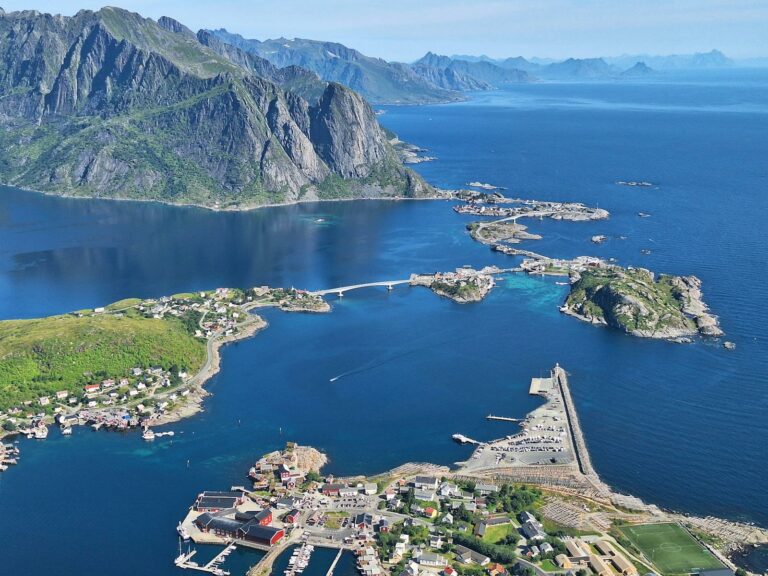
The Lofoten Islands are the most-photographed corner of Norway. The string of dramatic mountains rising directly from the Atlantic, with traditional rorbuer fishing huts converted to red-painted boutique accommodation, makes for one of Europe's most-distinctive coastal landscapes. Self-drive is essential — the E10 highway connects the islands via tunnels and bridges. Key bases: Reine (the iconic Reinefjorden mountain views), Hamnøy (the postcard rorbuer cluster), Henningsvær (the football pitch on a small island, the Henningsvær Lighthouse), and Svolvær (the main town with the cable car up Svolværgeita). Activities: midnight-sun kayaking, climbing the famous Svolværgeita, Northern Lights from Reine in winter, sea-eagle safaris, and the Lofoten Cod Fishing tradition (the cod stockfish exported to Italy for centuries).
Svalbard at 78°N is the genuinely arctic Norway experience. Longyearbyen is the main settlement (population 2,400, with the world's northernmost everything — university, brewery, post office, ATM). Summer (June-August) brings the midnight sun, 24-hour daylight, and access to expedition cruises around the archipelago — operators include Hurtigruten, Lindblad Expeditions, Quark Expeditions, and the smaller Polar Quest, all running 7-14 day cruises with polar bear, walrus, reindeer, and the dramatic Brasvellbreen glacier face viewing. Winter (October-March) brings the polar night (no sun for 4 months) and Northern Lights, plus snowmobile day-tours and ice-cave visits. The Svalbard Global Seed Vault is the genuinely fascinating side-trip.
UK travellers get 90 days visa-free Schengen entry. Norway uses the Norwegian Krone (NOK), not the Euro. Norway is expensive — easily the most-expensive Scandinavian country, with restaurant meals at £30-60, mid-range hotels at £150-350, beer at £10. Plan accordingly. Norwegian (Bokmål and Nynorsk, two written forms of essentially the same language) is the official language; English is universal in tourism and widely spoken generally. The food: lutefisk (preserved fish, Christmas tradition), rakfisk (fermented trout), gravlax (cured salmon), brunost (brown caramelised whey cheese), the king crab from the Barents Sea, plus the new-Nordic restaurant scene led by Maaemo in Oslo (three-Michelin-star), Re-Naa in Stavanger, and the various aquavit pairings.
Best for: fjord-and-mountain-landscape travellers, photographers (Lofoten at midnight sun is unforgettable, Northern Lights in Tromsø is bucket-list), Northern Lights chasers (October-March), expedition-cruise travellers (Svalbard), cycle-tourists in summer, ski tourers in winter, design-and-architecture travellers (Oslo). The country is genuinely safe and well-organised — among the easiest long-haul destinations to self-drive or self-organise.
Best time
Jun–Aug (fjords); Oct–Mar (Aurora)
Flight from UK
~2h direct to Oslo / Bergen
Currency
Norwegian Krone (NOK)
Language
Norwegian, English universal
From the team
Why we love Norway

Norway is the trip I send people on for the headline landscape moments of European travel — fjord at sunset, mountain at dawn, Northern Lights at midnight. The country is expensive but worth every krone.
Rossella Rossella, Luxury & Destination Specialist Meet our Travel DesignersMain areas
Where to go in Norway
3 distinct regions — they pair beautifully two or three at a time.
Oslo & the Southeast
Oslo
Vigeland Park
Holmenkollen
Fjords & the West
Bergen
Geirangerfjord
Nærøyfjord
Flåm
Northern Norway & Lofoten
Tromsø
Lofoten Islands
Nordkapp
Find your trip
Holiday types in Norway
Pick a holiday style — or combine two. Each section links straight to the next step.
Fjord & coastal retreats
Norwegian fjord-side and coastal stays — pick the village or fjord that matches your trip.
City breaks
Norway's cities reward 2-4 nights each — pair two for a tailor-made multi-centre trip.
Oslo
Cruises
Norway is one of the great cruise destinations — the Norwegian fjords (Geirangerfjord, Nærøyfjord, Lysefjord) are most accessible by cruise. Bergen is the main embarkation port; the Hurtigruten coastal voyage from Bergen to Kirkenes is among the world's most-loved sea journeys.
Escorted tours
28 escorted tours through Norway — guided, customisable, fully ATOL-protected.
Every Travelisto tour runs with a small group (max 16), an English-speaking local leader, and is fully ATOL-protected. Most tours are also bookable as private departures — same itinerary, your party only, your dates.
Tailor-made
Everything you see above is a starting point — we'll shape any of these around how you actually want to travel.
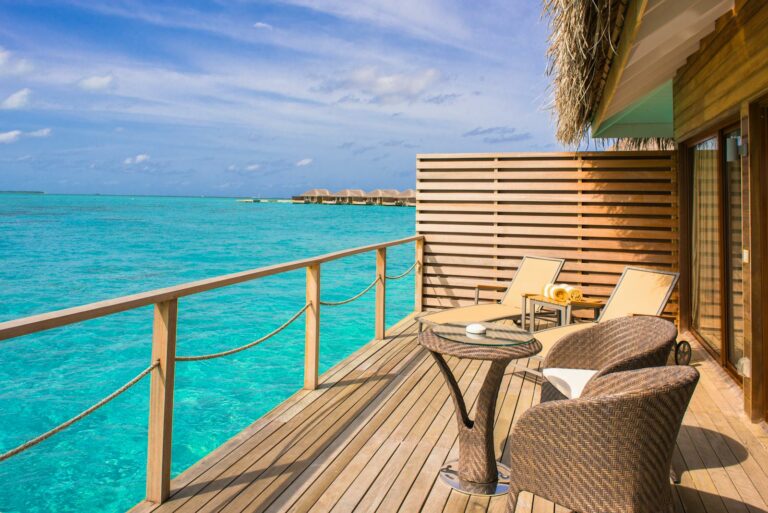
Bespoke Norway itinerary
Pick your headlines and we design the route, brief private guides, and book the hotels and transfers.
Enquire
Multi-generational Norway
A pace and accommodation style that suits three generations — connecting suites, slower-paced excursions, kid-friendly highlights.
Enquire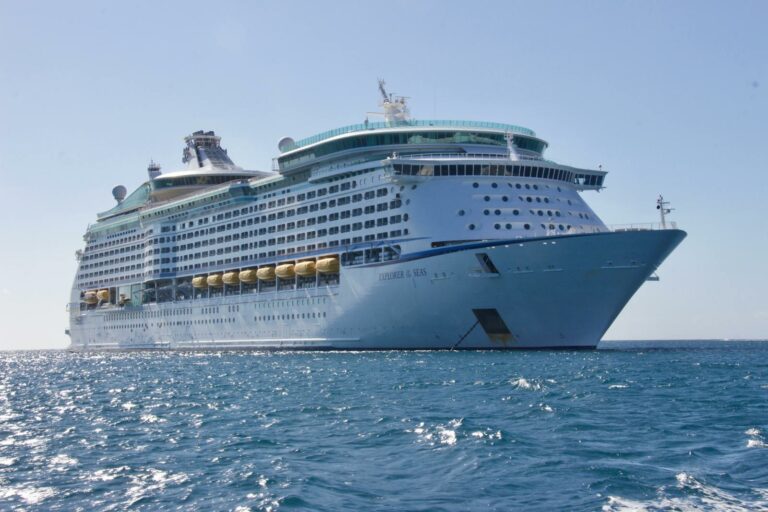
Norway + cruise
Pair the headlines of Norway with a Baltic or fjord cruise — booked end-to-end with us.
Enquire
Honeymoon or special celebration
A milestone trip with the romantic flourishes quietly arranged.
EnquirePractical info
Knowing before you go
When to go
Jan
1°
Feb
2°
Mar
5°
Apr
10°
May
16°
Jun
19°
Jul
22°
Aug
21°
Sep
16°
Oct
10°
Nov
5°
Dec
2°
May-September for fjords and Lofoten. September-March for Northern Lights in Tromsø. The Hurtigruten voyage runs year-round.
Flights & how to get there
Direct flights from major UK airports to Norway — typically ~2h to Oslo, ~1h 45m to Bergen. Hire cars are useful for the countryside; the major cities are walkable.
Visa & passport
UK passport holders can stay 90 days in any 180-day period under Schengen rules. ETIAS from 2026. For up-to-date entry requirements and safety advice, check the UK FCDO travel advice for Norway.
Currency & money
The Norwegian Krone (NOK). Card payments universal — much of Scandinavia is essentially cashless. Tipping: rounded up, 10% on a sit-down meal.
Language & tipping
Norwegian. English is universally spoken — Scandinavia and the Baltic states consistently rank among the world's best for non-native English proficiency.
Health & safety
No mandatory vaccinations. EU healthcare reciprocal arrangements apply with UK GHIC. Tap water excellent. Buy comprehensive travel insurance before you travel.
FAQs
Norway — your questions
When is the best time to visit Norway?
June–August for fjords, midnight sun, hiking. October–March for Northern Lights (best in Tromsø, Alta, Senja). May, June and September are shoulder seasons.
Do I need a visa for Norway?
UK passport holders can stay 90 days in any 180-day period (Schengen). ETIAS required from its launch (expected 2026).
Is the Hurtigruten cruise worth it?
Yes — it's a working coastal ferry as much as a cruise, so the experience is less polished but the route (Bergen → North Cape → Kirkenes) is unmatched. 6–11 days depending on direction.
Where do I see the Northern Lights?
Tromsø is the most accessible base (above the Arctic Circle, frequent dark, good infrastructure). Alta, Senja and Kirkenes are quieter alternatives. Minimum 3–4 nights for a reasonable chance.
Make this trip yours
Plan your Norway holiday with a Travel Designer
Pick from any of the options on this page or tell us what you have in mind — we'll build it around how you actually like to travel. ATOL protected, flights included, real humans available 9am–7pm.
ATOL protected
100% financially protected in a Trust bank account
PTS 6035
4.7 on Trustpilot