
Travelisto destinations
Panama holidays
Two coasts, the Canal, Bocas del Toro islands and Casco Viejo's colonial heart.
Overview
Welcome to Panama
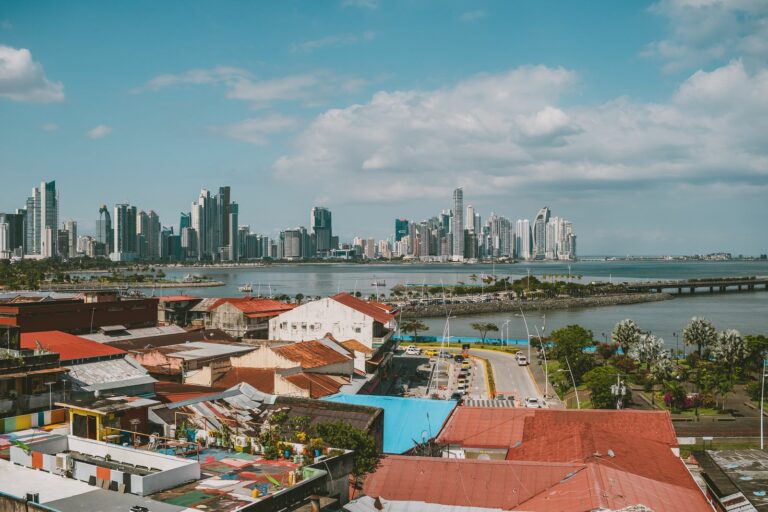
Panama is a narrow isthmus with two oceans, the world's most strategically-important shipping canal connecting the Atlantic and Pacific, a Caribbean island archipelago (Bocas del Toro and the San Blas islands), Pacific surf coasts (Santa Catalina, Playa Venao), one of the best-preserved colonial old towns in Latin America (Casco Viejo in Panama City, UNESCO-listed and increasingly hip after fifteen years of restoration), the highland cloud forests around Boquete (with quetzal birdwatching, single-origin Geisha coffee, and the Pipeline Trail hike), and Indigenous Embera and Guna communities you can visit through respectful cultural-tourism programmes. The country uses the US dollar (officially the Balboa exists at 1:1 with USD, but USD is the practical currency); English is widely spoken in the commercial sector; Panama City is genuinely Asia-Latin America hybrid in its skyline ambition, dining culture, and economic dynamism.
A 10-14 day Panama itinerary: Panama City (3 nights — Casco Viejo (the UNESCO old town) walking with the Iglesia San José gold altar, the Plaza Mayor, dinner at the rooftop bars of Casa Casco or the splurge La Posta in the Cangrejo district; the modern Panama City sky-line viewing from the Cinta Costera promenade; the Miraflores Canal viewing locks (essential — book the Visitor Center tour to watch the cargo ships transit the locks, learning the engineering history of the original 1914 canal vs the 2016 expansion); the Causeway (Calzada de Amador) and Biomuseo (the colorful Frank Gehry-designed natural-history museum); the Panama Viejo ruins (the first city site sacked by Henry Morgan 1671, before relocation to today's Casco Viejo)) → optional Panama Canal partial transit (full-day boat trip through the Miraflores and Pedro Miguel locks — Canal & Bay Tours operates the day-trip experience) → fly to Bocas del Toro Caribbean archipelago (3-4 nights — Isla Colón main base, Red Frog Beach, the Bastimentos Island National Marine Park for snorkelling and dolphin watching, the Sapphire Cliffs, the laid-back surf-and-beach atmosphere that's a Caribbean alternative to Costa Rica or Belize) → Boquete and Volcán Barú region cloud forest (2-3 nights — Geisha coffee farm tour at Hacienda La Esmeralda (the world's most-expensive specialty coffee, $1,029/lb auction record in 2019), quetzal birdwatching on the Pipeline Trail, the Mi Jardín es Su Jardín public garden, optional pre-dawn climb of Volcán Barú to see both oceans from the summit at 3,475m — the only mountain in Central America with that distinction) → optional San Blas islands sailing-and-camping (3 nights with a small operator like San Blas Sailing — visiting Indigenous Guna communities on their autonomous-territory Caribbean islands with traditional dugout-canoe transport).
Read more
The Panama Canal is the country's defining historical-engineering accomplishment and rewards proper exploration. The original 1914 canal (begun by the French under Ferdinand de Lesseps 1881 — a financial and humanitarian disaster that killed 22,000 workers from yellow fever and accidents — completed by the United States 1903-1914 after Theodore Roosevelt orchestrated Panama's independence from Colombia specifically to secure the canal rights) is one of the great industrial-engineering achievements of all time. The 2016 expansion added new larger locks (the Cocolí Locks on the Pacific side, the Agua Clara Locks on the Atlantic side) capable of handling "neo-Panamax" ships. The Miraflores Locks Visitor Center on the Pacific side is the most-accessible experience — 4 viewing platforms, a museum, the IMAX about the canal's history, and the live commentary as ships transit. The Agua Clara Visitor Center on the Atlantic side at Colón offers a similar experience for the newer locks. The genuine cargo-ship transit is the most-impressive — locks rise and fall 26 metres in 8-minute cycles, with mules (the small electric trains alongside the locks) keeping the massive container ships precisely aligned.
Casco Viejo is the country's headline urban-cultural experience. Founded 1673 as the relocation site after Henry Morgan's sack of Panama Viejo, the neighbourhood combines Spanish colonial, French neoclassical (the late-1800s French canal-construction era influence), and American Caribbean architecture. After decades of decline (the neighbourhood was a slum into the 1990s), Casco Viejo has been progressively gentrified and is now Panama's most-photogenic district. Headline spots: the Iglesia San José with its supposedly-original 17th-century gold altar (the legend is that the altar was painted black during Morgan's sack so the pirates wouldn't take it — though modern scholarship questions whether the story is true), Plaza Mayor with the Metropolitan Cathedral, the Iglesia y Convento de Santo Domingo (the Flat Arch ruined chapel — used by the United States to argue that Panama was earthquake-safe enough for the Canal), the Teatro Nacional, the modern art scene at MAC Panama, and the rooftop bars (the Tantalo Hotel rooftop, Casa Casco, the splurge Selavi).
Bocas del Toro is the country's Caribbean island headline. The archipelago of 9 main islands sits in a calm-water bay near the Costa Rican border — accessible via 50-minute flight from Panama City to Isla Colón, or via 6-hour bus from Panama City to Almirante then 30-minute boat. The main town Bocas Town (on Isla Colón) is the budget-and-backpacker hub with beachside restaurants, dive shops, and the morning fish-market that doubles as the local social centre. Red Frog Beach (on Bastimentos) is the headline beach — accessible via a $5 boat from Bocas Town, with the namesake red poison-dart frogs in the surrounding jungle. The Sapphire Cliffs on Bastimentos' east side are dramatic. Snorkelling at Cayos Zapatillas (the two small cays at the southern edge of the marine park) is excellent. Splurge accommodation: Nayara Bocas del Toro on a private island.
Boquete is the highland coffee-and-cloud-forest town in the Chiriquí Province near the Costa Rican border. The Geisha coffee variety (originally from Ethiopia, planted at Hacienda La Esmeralda in the 1960s, identified as exceptional in the 2004 Best of Panama competition) has become the world's most-prized specialty coffee — the 2019 Lamastus Family Estates Geisha sold for $1,029/lb at auction. Coffee tours at La Esmeralda, Finca Lerida and other major estates offer the genuine experience. Volcán Barú at 3,475m is the country's highest peak — the overnight hike (typically starting at midnight to summit for sunrise) lets you see both the Pacific and Atlantic oceans from the summit (the only mountain in Central America with the dual-ocean view). The Pipeline Trail through the cloud forest near Boquete is the easiest birdwatching for the resplendent quetzal — best with a guide like Boquete Tree Trek or Coffee Adventures.
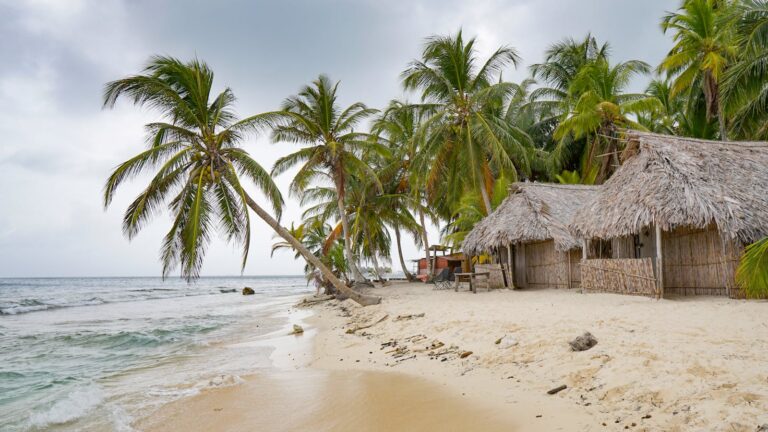
The San Blas islands (officially Guna Yala) are the autonomous Indigenous territory of the Guna people on 365 small islands along the Caribbean coast east of Colón. The Guna have their own elected congress, language (Dulegaya), traditional dress (women in mola embroidered blouses with gold nose-rings — the molas are textile-art with collector value), and cultural protocols. Visits are arranged through Guna-owned tour operators (San Blas Sailing, San Blas Adventures, the Yandup Island Lodge for the splurge) — typically 3-5 day sailing trips visiting multiple islands, sleeping on the boat or in traditional Guna huts on the islands. The Caribbean is calm and the snorkelling is genuine — but the cultural experience of the Guna community is the trip's real value.
UK travellers don't need a visa for stays up to 180 days. Panama uses the US Dollar; cards work universally in Panama City and Bocas, cash is king for rural and Bocas Town. Spanish is the lingua franca but Panama City's commercial sector has wide English use given the Canal Zone history (the canal was under US administration 1903-1999, with the Canal Zone running parallel to the canal as effectively US territory until the Carter-Torrijos Treaty handover in 1999). The food: sancocho de gallina (the chicken-and-corn-and-coriander national dish), ceviche at the Casco Viejo Mercado de Mariscos (the fish-market with the upstairs ceviche bar), the Bocas del Toro Caribbean-Creole influences (rondón seafood-and-coconut stew, the Caribbean rice with coconut), and excellent specialty coffee from Boquete (Geisha varietal as the headline).
Best for: Caribbean-and-city combination travellers, those interested in the Panama Canal logistics and history (Roosevelt-and-de-Lesseps engineering stories), surfers (Santa Catalina is the headline Pacific break), birdwatchers (Boquete's quetzals are bucket-list), Indigenous-culture-curious travellers (San Blas Guna and Darien Embera communities), Geisha-coffee enthusiasts. Often combined with Colombia (Cartagena is 1.5 hours by flight) or Costa Rica.
From the team
Why we love Panama

Panama is the under-rated Central America trip — Panama City's Casco Viejo plus San Blas Islands is genuinely under-discovered Caribbean.
Amanda Amanda, Travel Designer · Music & Culture Meet our Travel DesignersMain areas
Where to go in Panama
3 distinct regions — they pair beautifully two or three at a time.
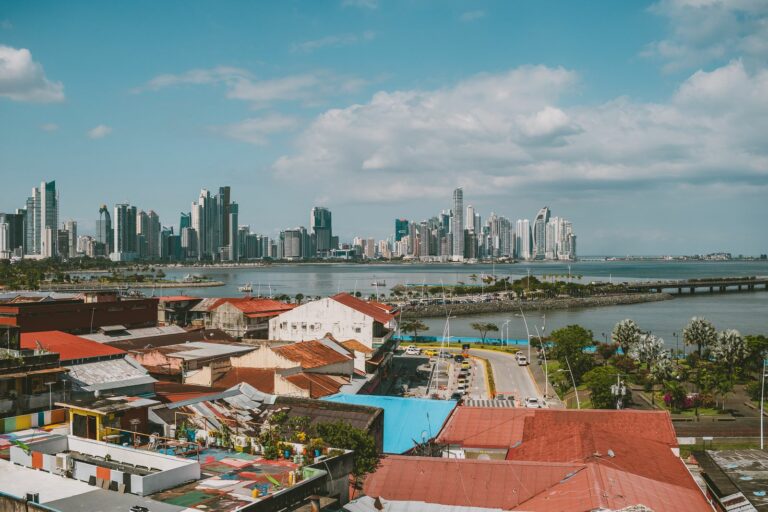
Panama City & Canal
Casco Viejo
Panama Canal
Soberania NP
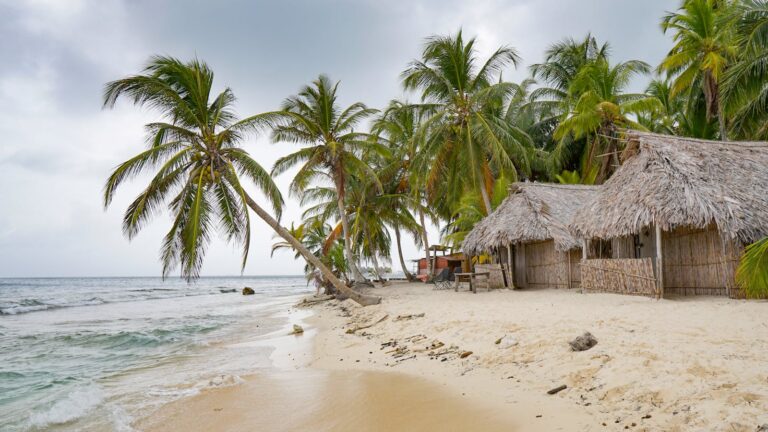
San Blas Islands
Guna Yala
San Blas
Achutupu
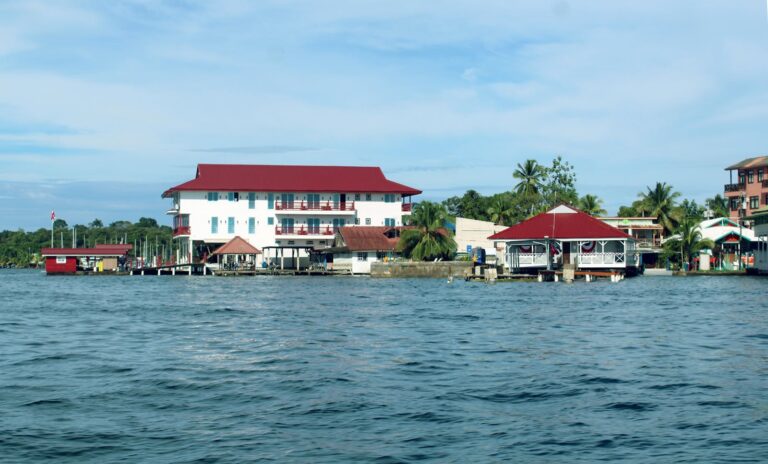
Bocas del Toro
Bocas Town
Isla Carenero
Red Frog Beach
Find your trip
Holiday types in Panama
Pick a holiday style — or combine two. Each section links straight to the next step.
Beach holidays
Beach destinations grouped by resort area — pick the cluster that matches your pace.
City breaks
Panama's cities reward 2-4 nights each — pair two for a tailor-made multi-centre trip.
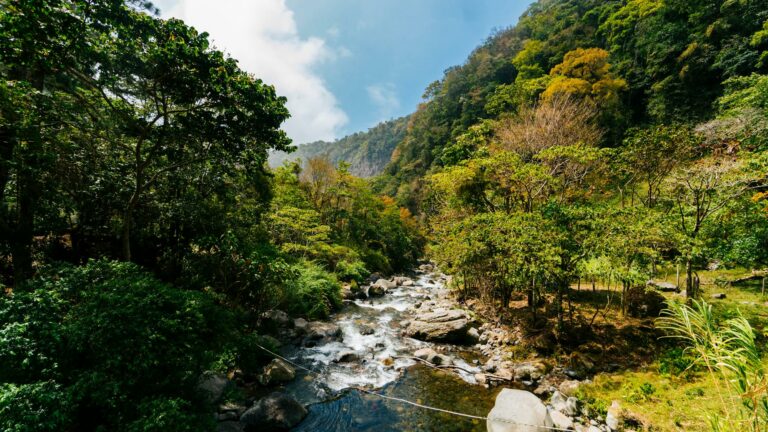
Boquete
Cruises
The Panama Canal transit is one of the great cruise experiences — most Caribbean and Pacific cruises pass through. Colón and Panama City are the main cruise ports.
Escorted tours
4 escorted tours through Panama — guided, customisable, fully ATOL-protected.
Every Travelisto tour runs with a small group (max 16), an English-speaking local leader, and is fully ATOL-protected. Most tours are also bookable as private departures.
Tailor-made
Everything you see above is a starting point — we'll shape any of these around how you actually want to travel.
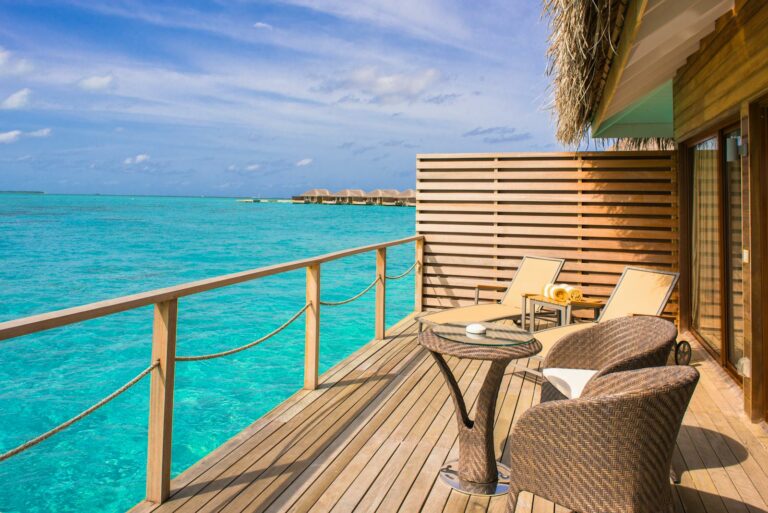
Bespoke Panama itinerary
Pick your headlines; we design the route and book the hotels.
Enquire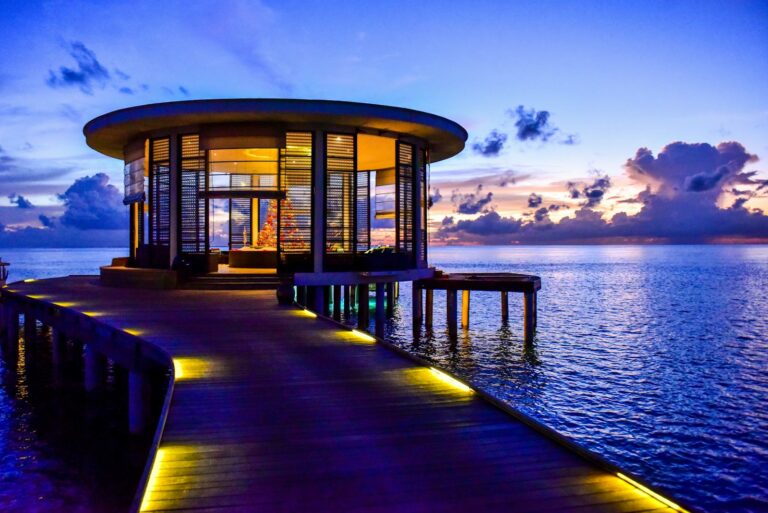
Multi-generational Panama
A pace that suits three generations.
Enquire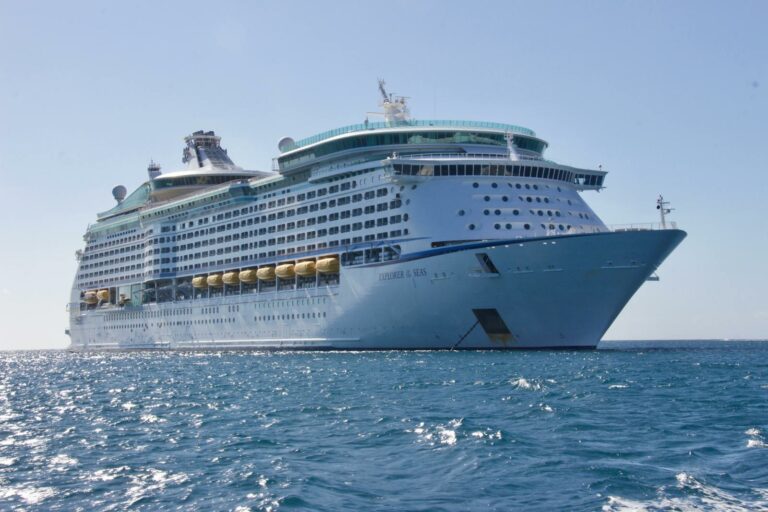
Panama + cruise
Pair Panama with a cruise — booked end-to-end.
Enquire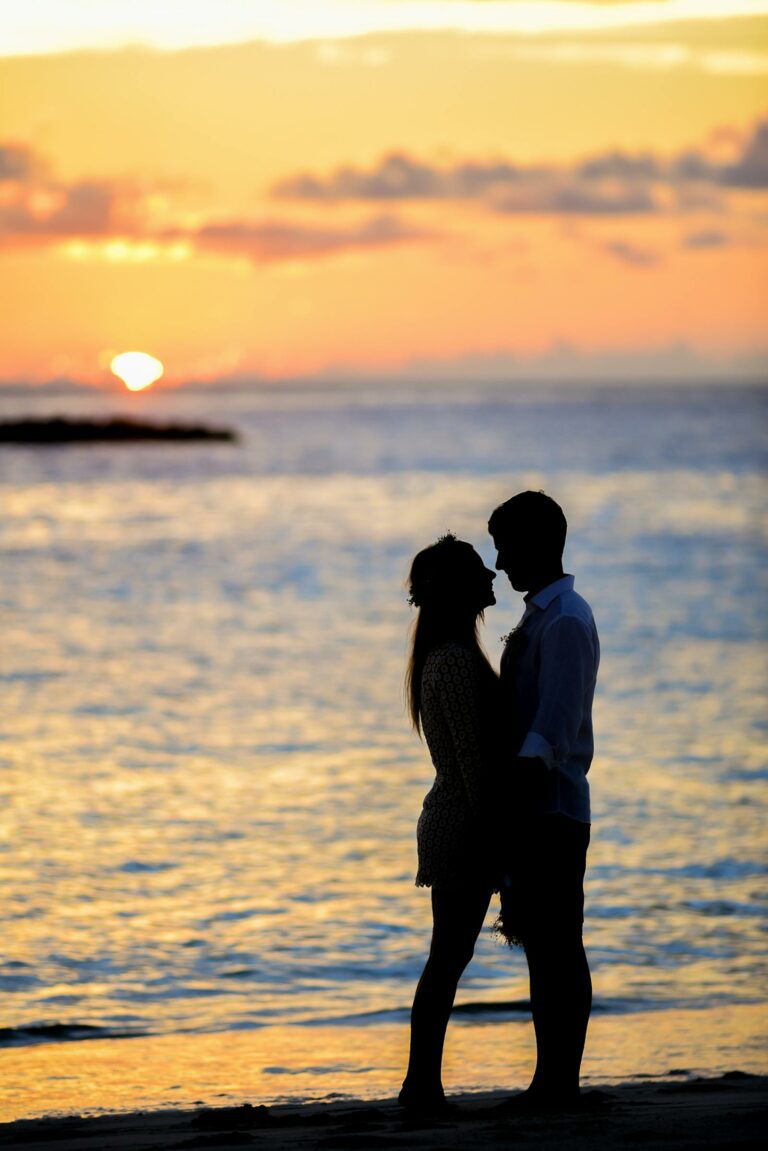
Honeymoon or special celebration
A milestone trip quietly arranged.
EnquirePractical info
Knowing before you go
When to go
Jan
30°
Feb
31°
Mar
31°
Apr
31°
May
30°
Jun
30°
Jul
31°
Aug
31°
Sep
30°
Oct
30°
Nov
30°
Dec
30°
December-April is the dry season. May-November is the green/rainy season.
Flights & how to get there
Flights from UK to Panama — ~12h to Panama City (1 stop).
Visa & passport
UK passport holders get 180 days visa-free entry. For up-to-date entry requirements and safety advice, check the UK FCDO travel advice for Panama.
Currency & money
The US Dollar (USD); Panamanian Balboa (PAB). Cards in cities; cash for rural. 10% tip standard.
Language & tipping
Spanish; English in tourism.
Health & safety
Consult your GP 6 weeks before travel. Yellow fever often required, malaria prophylaxis for jungle regions. Buy comprehensive travel insurance.
Make this trip yours
Plan your Panama holiday with a Travel Designer
Pick from any of the options on this page or tell us what you have in mind — we'll build it around how you actually like to travel. ATOL protected, flights included, real humans available 9am–7pm.
ATOL protected
100% financially protected in a Trust bank account
PTS 6035
4.7 on Trustpilot