
Travelisto destinations
Poland holidays
Krakow's old town, Auschwitz-Birkenau memorial, Warsaw's reconstruction and the Tatras mountains — Poland at every cultural register.
Overview
Welcome to Poland
Poland is Central Europe's most-underrated cultural destination — a country that has reinvented itself dramatically since 1989, with a genuine cultural and culinary renaissance in the major cities, deeply atmospheric medieval old towns, and a difficult Second World War heritage that produces some of the most-significant memorial sites in Europe. The headline destinations: Krakow (the UNESCO Old Town, the Wawel Royal Castle, the Jewish quarter Kazimierz with its synagogues and atmospheric restaurants, Schindler's Factory museum, day-trip to Auschwitz-Birkenau memorial and Wieliczka Salt Mine UNESCO); Warsaw (the post-WWII rebuilt Old Town also UNESCO-listed, the Warsaw Uprising Museum, POLIN Museum of Polish Jewish history, the Chopin sites, the modernist architecture of the central business district); Gdansk on the Baltic coast (the Hanseatic League merchant town, the Solidarity birthplace at the Lenin Shipyard with the European Solidarity Centre, the Brick Gothic architecture); Wroclaw (the lower-Silesian city with the dwarf-sculpture treasure hunt across the old town, Cathedral Island, the rebuilt Market Square); Zakopane in the Tatra Mountains for skiing and summer hiking; and the Mazury Lake District for canoeing and quieter weekend getaways.
A 7-10 day Poland trip: Krakow (3-4 nights — Old Town Market Square at sunset, the Cloth Hall (Sukiennice), Wawel Castle and Cathedral with the Sigismund Bell tower climb, St Mary's Basilica for the hourly trumpet call from the tower, Kazimierz Jewish Quarter walking by night with its converted-synagogue restaurants and the Plac Nowy food trucks, day-trips: Auschwitz-Birkenau memorial — emotionally heavy but historically essential, the Wieliczka Salt Mine UNESCO with its underground chapels carved entirely from salt, the Zakopane day-trip for Tatra Mountain folk culture) → train north to Warsaw (3 nights — the rebuilt Old Town, the Royal Castle, Lazienki Park, the Warsaw Uprising Museum, POLIN Museum, the Old Town Pierogarnia for traditional dumplings, the Hala Koszyki food hall) → optional Gdansk on the Baltic (2 nights — Long Market, Long Lane and the seven Crane heritage gates, the European Solidarity Centre, Westerplatte WWII memorial, the amber museums) → optional Wroclaw (1-2 nights — Cathedral Island, Market Square, the 300+ dwarf statues hidden across the city as a tourist treasure hunt, Centennial Hall UNESCO).
Read more
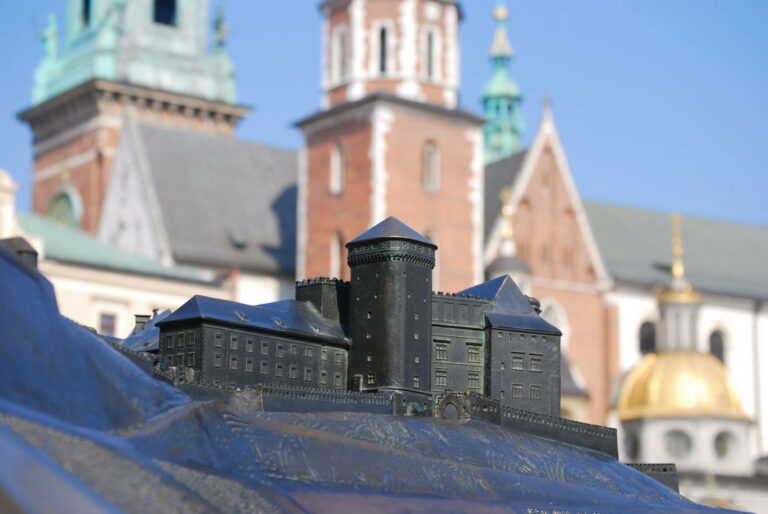
Krakow is the headline Polish experience and rewards a multi-day stay. The Old Town (Stare Miasto) has Europe's largest medieval market square at Rynek Glowny, surrounded by the Cloth Hall (the Renaissance-era trading hall still active with souvenir stalls), St Mary's Basilica with the wooden altarpiece by Veit Stoss and the hourly trumpet call (Hejnal Mariacki — a tradition since 1241), and dozens of cafe terraces. Wawel Hill holds the Royal Castle (with the Crown Jewels and Leonardo da Vinci's Lady with an Ermine in the museum since 2017), Wawel Cathedral (the coronation site of Polish kings), and the famous Dragon's Den at the base of the hill with the bronze fire-breathing Wawel Dragon statue. Kazimierz, the historic Jewish quarter, has been transformed since the 1990s from atmospheric decay into one of Europe's most-distinctive bohemian districts — the converted synagogues, the Klezmer-music restaurants, the night-time food trucks on Plac Nowy, and the haunting empty spaces where the pre-war Jewish population of 65,000 lived.
Auschwitz-Birkenau is 90 minutes from Krakow and the most-significant Holocaust memorial site in the world. The museum is free to enter and you can visit independently, but during peak season (April-October) a pre-booked guided tour is required (the official Auschwitz-Birkenau Memorial guides are excellent and emotionally appropriate). The site covers two main camps: Auschwitz I (the original concentration camp in former Polish Army barracks, with the Arbeit Macht Frei gate, the gas chamber and crematorium I, and the brick barracks now museum exhibits) and Auschwitz II-Birkenau (the much larger extermination camp 3km away with the gas chambers IV and V destroyed by the Nazis on retreat, the railway-line entrance, and the surviving wooden barracks). Plan a half-day minimum. The visit is emotionally heavy and is not recommended for younger children.
Warsaw's history is the country's tragic and triumphant centrepiece. The 1944 Warsaw Uprising saw Polish resistance fighters battle the German occupation for 63 days, ending in the systematic destruction of central Warsaw (80% of the city was reduced to rubble). The post-war communist government rebuilt the Old Town and the Royal Castle precisely from pre-war Canaletto paintings and photographs — the result is UNESCO-listed as an extraordinary reconstruction. The Warsaw Uprising Museum on Grzybowska tells the uprising story through immersive exhibits. POLIN Museum of the History of Polish Jews, opened 2014 on the site of the Warsaw Ghetto, traces 1,000 years of Polish Jewish history with a critical pre-Holocaust focus. The Praga district east of the river is the bohemian neighbourhood that survived the war largely intact — Vodka Museum, the Neon Museum, and the contemporary art scene at Centrum Sztuki Wspolczesnej.
Polish food has had a quiet renaissance. Pierogi (the filled dumplings — meat, cheese-and-potato Ruskie, sauerkraut, sweet cherry or blueberry — best at the Pierogarnia Krakowiacy in Krakow or any of the Warsaw branches), bigos (the hunter's stew of sauerkraut, mushrooms, multiple meats), zurek (the sour rye soup), pickled herrings, beetroot soup (barszcz, the Easter Christmas tradition), the kremowka custard cream cake (made famous by Pope John Paul II saying it was his favourite from his Wadowice childhood), plus a strong vodka culture (Polish vodka has UNESCO Intangible Heritage status — try the herb-flavoured Zubrowka with the bison-grass blade in every bottle, or the smoothness of Belvedere or Chopin from the splurge end). The new-Polish restaurant scene at Atelier Amaro (Warsaw — first Polish Michelin star), Bottiglieria 1881 (Krakow), and Hala Koszyki (Warsaw food hall) signal serious culinary development.
UK travellers get 90 days visa-free Schengen entry. Poland uses the Polish Zloty (PLN), not the Euro despite EU membership since 2004. Polish is the language; English is widely spoken among young people in cities, German common in the west, Russian among older generations. Poland is significantly more affordable than Western Europe — restaurant meals at £10-25, hotels at £50-120, beers at £3. The train network (PKP Intercity) is good for major routes (Warsaw-Krakow in 2.5 hours by high-speed Express Intercity Premium, Warsaw-Gdansk in 3 hours, Krakow-Gdansk via Warsaw in 5.5 hours).
Best for: Central European culture-and-history travellers, Holocaust-and-WWII memorial travellers (Auschwitz, the Warsaw Uprising Museum, POLIN, Westerplatte), affordable-Europe city-break travellers, foodies (the new-Polish cuisine scene is genuinely innovative), Pope John Paul II pilgrims (Wadowice and Krakow), classical music travellers (Chopin in Warsaw, the Krakow Philharmonic). Often combined with Czech Republic (Prague-Krakow is 8 hours direct night-train), Germany (Berlin-Warsaw is 5 hours by direct train), Slovakia or the Baltic states.
From the team
Why we love Poland
Poland is the central-European trip I send people on who want more depth than Prague at half the price — and the cultural-historical weight of Auschwitz and Warsaw within reach.
Rossella Rossella, Luxury & Destination Specialist Meet our Travel DesignersMain areas
Where to go in Poland
3 distinct regions — they pair beautifully two or three at a time.
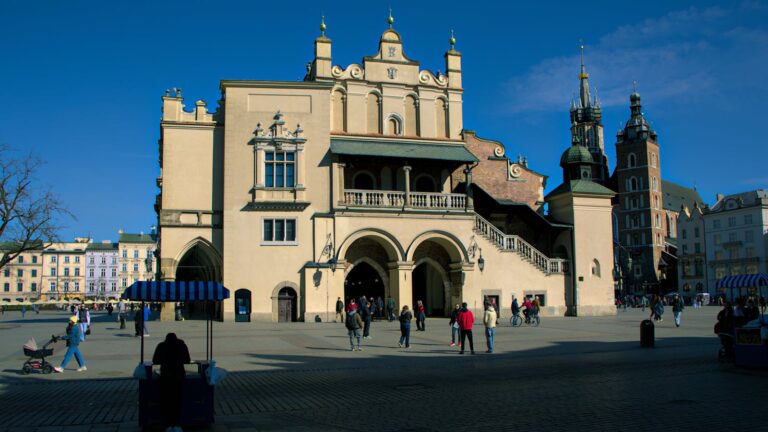
Kraków & the South
Kraków
Wieliczka Salt Mine
Auschwitz
Zakopane
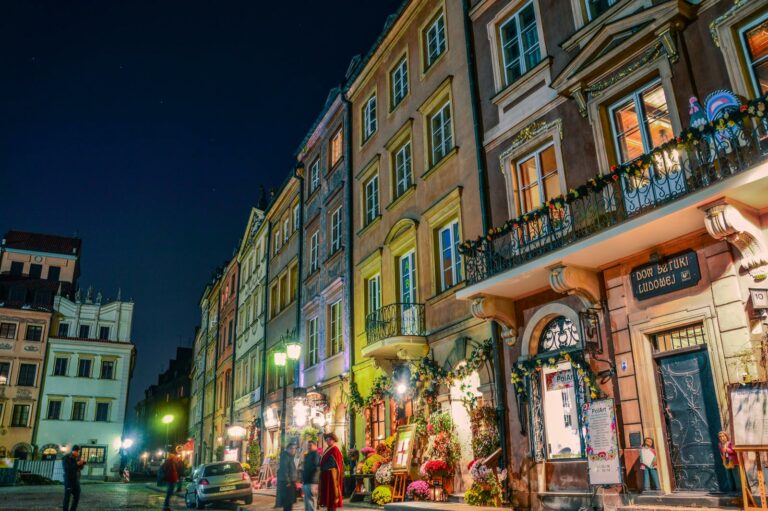
Warsaw & Central Poland
Warsaw
Łódź
Toruń
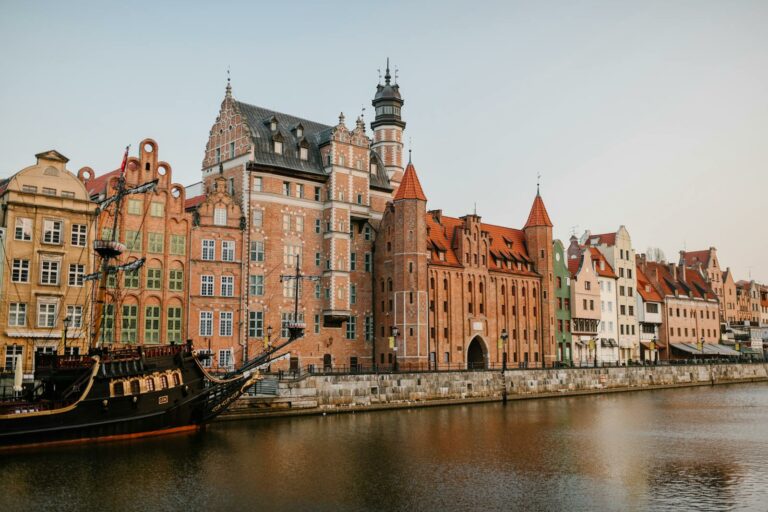
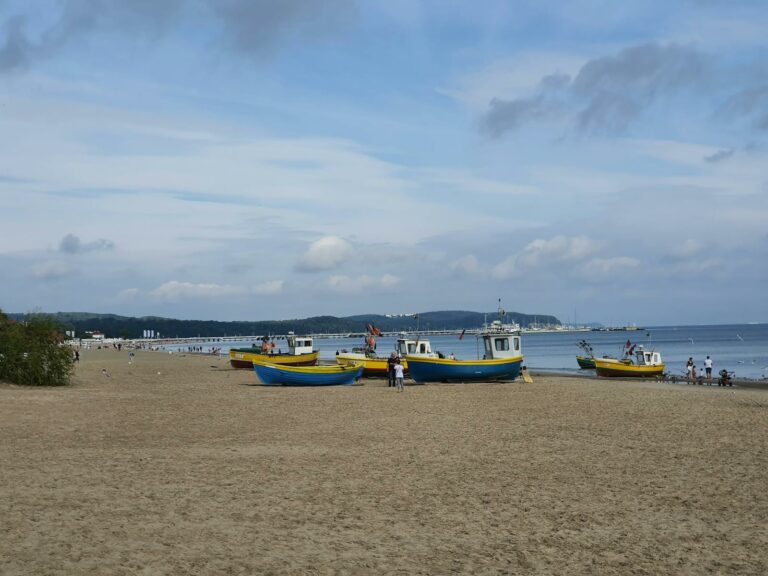
Gdańsk & the Baltic Coast
Gdańsk
Sopot
Hel Peninsula
Find your trip
Holiday types in Poland
Pick a holiday style — or combine two. Each section links straight to the next step.
Beach holidays
Beach destinations grouped by resort area — pick the cluster that matches your pace.
City breaks
Poland's cities reward 2-4 nights each — pair two for a tailor-made multi-centre trip.
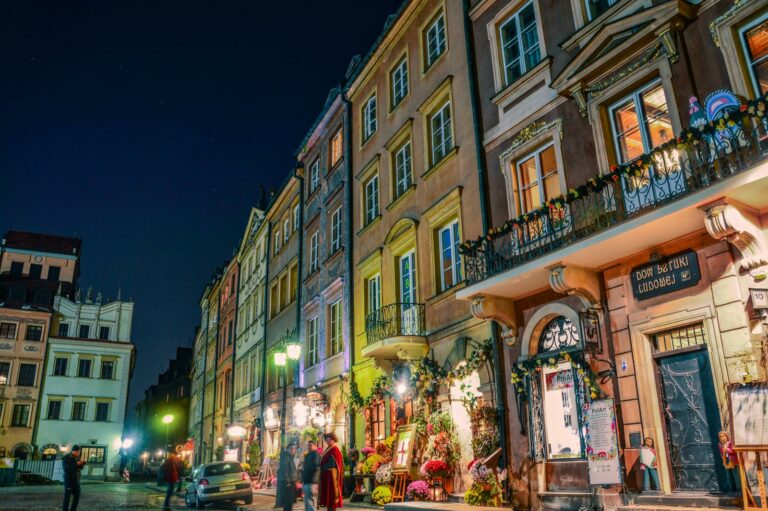
Warsaw
Cruises
Gdańsk on the Baltic is the main Polish cruise port, hosting Baltic-loop itineraries. Many travellers add a pre/post-stay in Warsaw or Kraków for the cultural depth.
Escorted tours
15 escorted tours through Poland — guided, customisable, fully ATOL-protected.
Every Travelisto tour runs with a small group (max 16), an English-speaking local leader, and is fully ATOL-protected. Most tours are also bookable as private departures — same itinerary, your party only, your dates.
Tailor-made
Everything you see above is a starting point — we'll shape any of these around how you actually want to travel.
Bespoke Poland itinerary
Pick your headlines and we design the route, brief private guides, and book the hotels and transfers.
Enquire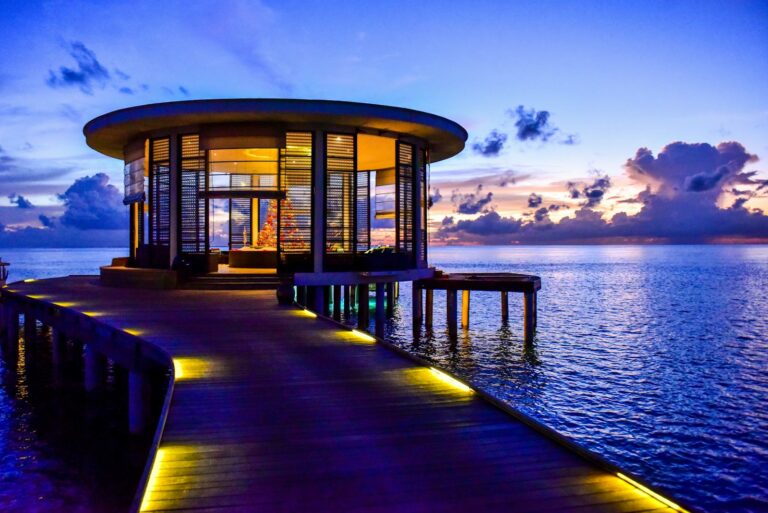
Multi-generational Poland
A pace and accommodation style that suits three generations.
Enquire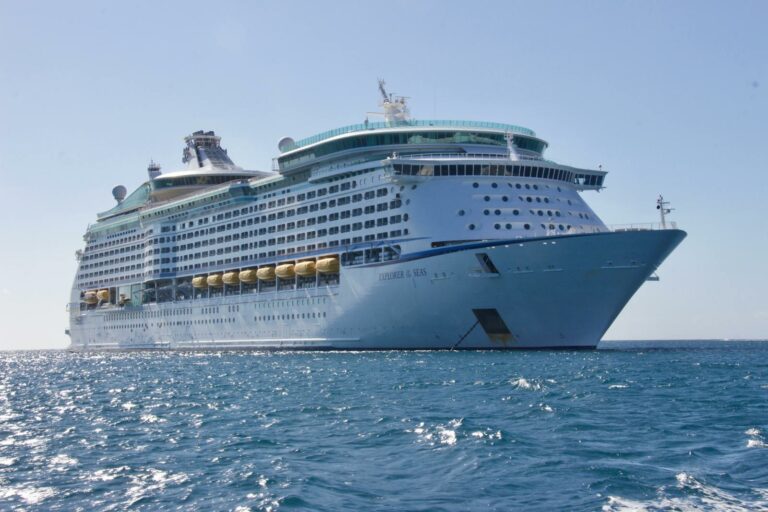
Poland + cruise
Pair the headlines of Poland with a cruise — booked end-to-end with us.
Enquire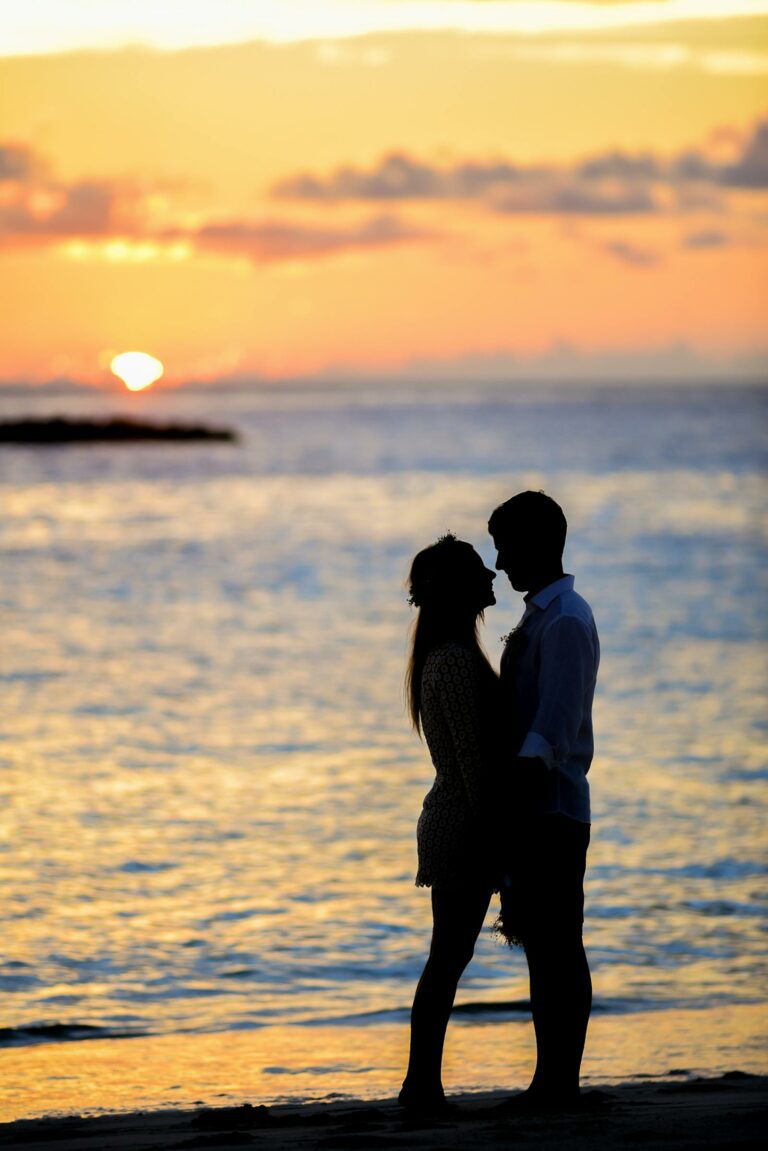
Honeymoon or special celebration
A milestone trip with the romantic flourishes quietly arranged.
EnquirePractical info
Knowing before you go
When to go
Jan
3°
Feb
5°
Mar
10°
Apr
16°
May
21°
Jun
24°
Jul
26°
Aug
26°
Sep
21°
Oct
15°
Nov
9°
Dec
4°
April-October and December are the sweet spots.
Flights & how to get there
Direct flights from major UK airports to Poland — typically ~2h 30m to Warsaw, ~2h 30m to Kraków. Hire cars are useful for the countryside; capitals are walkable.
Visa & passport
UK passport holders can stay 90 days in any 180-day period under Schengen rules. ETIAS from 2026. For up-to-date entry requirements and safety advice, check the UK FCDO travel advice for Poland.
Currency & money
The Polish Złoty (PLN). Card payments universal. Tipping: round up, 10% on a sit-down meal.
Language & tipping
Polish. English widely spoken in the capital and tourist services.
Health & safety
No mandatory vaccinations. EU healthcare reciprocal arrangements apply with UK GHIC. Tap water safe everywhere.
FAQs
Poland — your questions
When is the best time to visit Poland?
May–September. December for Krakow and Wroclaw's Christmas markets.
Do I need a visa for Poland?
Schengen 90/180 day rule applies for UK passports; ETIAS from its launch.
Is Auschwitz a worthwhile visit?
Yes — somber but necessary. Book in advance; allow a full day from Krakow with a guide.
Make this trip yours
Plan your Poland holiday with a Travel Designer
Pick from any of the options on this page or tell us what you have in mind — we'll build it around how you actually like to travel. ATOL protected, flights included, real humans available 9am–7pm.
ATOL protected
100% financially protected in a Trust bank account
PTS 6035
4.7 on Trustpilot