
Travelisto destinations
Romania holidays
Transylvanian castles, Bucharest's Belle Époque, Maramures wooden churches and the Danube Delta — Romania for the unconventional European trip.
Overview
Welcome to Romania
Romania is Eastern Europe's most-underrated cultural destination — Transylvania's medieval Saxon villages (UNESCO — Biertan, Viscri, Saschiz, Sighișoara, with their fortified churches and Saxon-built towers, the centuries-old craft traditions of basket-weaving and ironwork), Bran Castle (popularly known as "Dracula's Castle" although Vlad the Impaler only briefly stayed here), the painted monasteries of Bucovina (UNESCO — Voroneț with its famous "Voroneț blue" frescoes, Sucevița, Moldovița, Humor), the Maramureș wooden churches (UNESCO — the eight surviving 17th-18th century wooden churches with their dramatic skinny spires, plus the Merry Cemetery of Săpânța with brightly-painted humorous epitaphs), the Carpathian Mountains for brown-bear-and-lynx wildlife (more bears than any European country outside Russia — 6,000+), the Black Sea coast at Constanța and Mamaia, the Danube Delta UNESCO biosphere reserve (Europe's largest wetland, the headline birdwatching destination), and the Belle Époque capital Bucharest with the world's heaviest building (the Palace of Parliament, 365,000 sq m).
A 10-14 day Romania trip: Bucharest (2-3 nights — Old Town walking with the Romanian Athenaeum, the Palace of Parliament tour, the Village Museum, Stavropoleos Monastery, dinner at Caru' cu Bere or Hanu lui Manuc) → drive north to Brașov in Transylvania (2 nights — the Black Church, Council Square, day-trips to Bran Castle and Peleș Castle, Sinaia mountain resort) → Sighișoara UNESCO citadel (1 night — the Clock Tower, the Vlad the Impaler birthplace house, the 175 covered stairs) → Saxon villages of Viscri and Biertan (1 night — Viscri is where King Charles owns a guesthouse, the fortified churches) → drive to Bucovina painted monasteries (2 nights — Voroneț, Sucevița, Moldovița) → optional Maramureș wooden churches (2 nights) or Danube Delta (3 nights for birdwatching from Tulcea and Sulina). The country is large; distances are real.
Read more
UK travellers get 90 days visa-free entry (Romania joined the Schengen Area for air-and-sea travel in 2024). Romania uses the leu (RON) — not the Euro despite EU membership. Romanian is the language (a Romance language closely related to Italian); English is widely spoken among young people in cities, French and German common among older generations. The food: sarmale (cabbage rolls stuffed with mince and rice), mămăligă (cornmeal polenta — the staple), mici (small grilled-meat sausages), zacuscă (the autumn vegetable spread), the world-class Murfatlar and Cotnari wines (Romania is among the world's top 10 wine producers but exports little), ciorbă sour soups, plus the țuică plum-brandy as the welcome shot. The Romanian Orthodox cultural calendar is strong — many travellers visit during the Easter or Christmas seasons for the deep traditions.
Best for: medieval-architecture travellers (the Saxon-Transylvania-village circuit is genuinely extraordinary), Orthodox-monastery-and-painting travellers (the Bucovina monasteries are unique in world art history), wildlife travellers (the Carpathian bear-and-wolf tracking is the most-accessible large-predator European wildlife experience), birdwatchers (the Danube Delta), Dracula-themed travellers (some campy fun, with Bran Castle and Sighișoara as the central pilgrimage), wine travellers (Murfatlar, Cotnari, Recaș, Dealu Mare regions). Often combined with Bulgaria, Hungary or Moldova.
From the team
Why we love Romania

Romania is the central-European trip I send people on who think they want Czech Republic or Hungary and would actually be happier in Romania — bigger, wilder, cheaper, and far less touristy.
Rossella Rossella, Luxury & Destination Specialist Meet our Travel DesignersMain areas
Where to go in Romania
3 distinct regions — they pair beautifully two or three at a time.
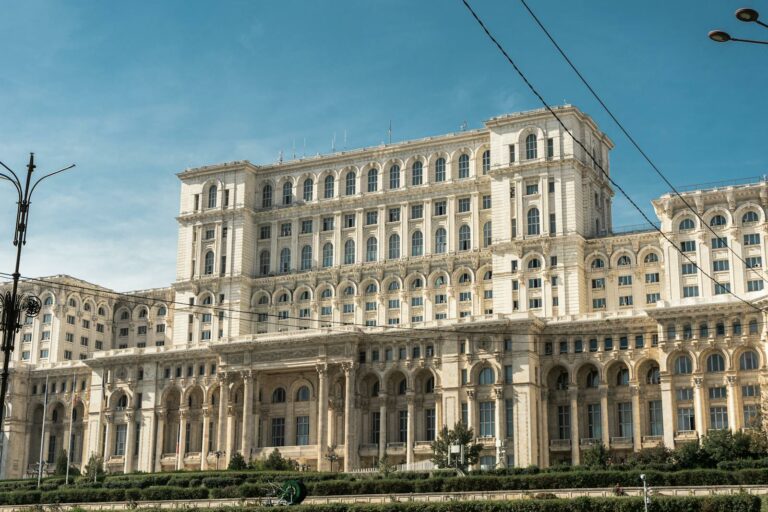
Bucharest
Old Town
Belle Époque district
Palace of the Parliament
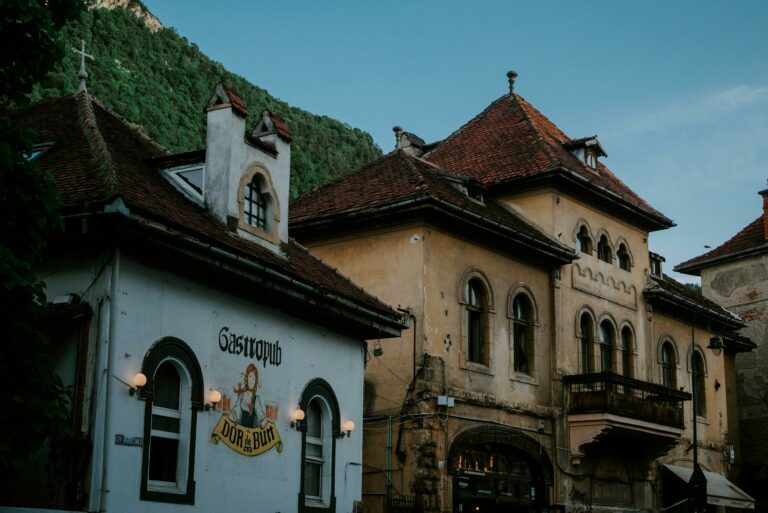
Transylvania
Brașov
Sibiu
Sighișoara
Bran Castle
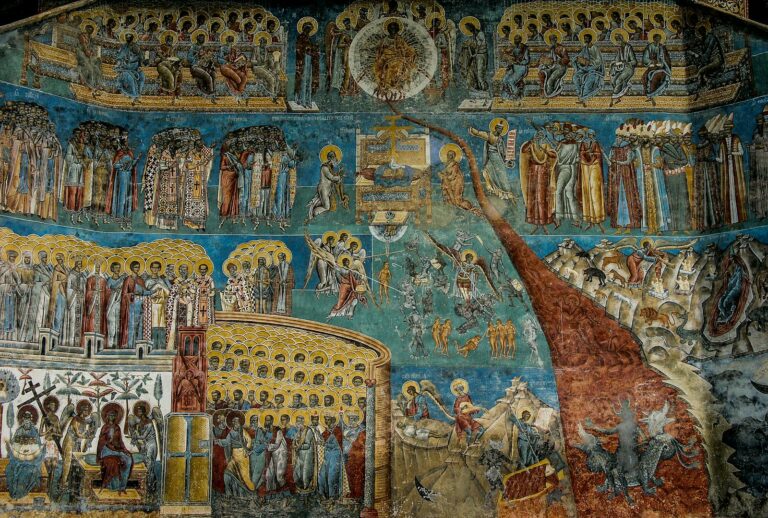
Bucovina & the Painted Monasteries
Voroneț
Sucevița
Putna
Find your trip
Holiday types in Romania
Pick a holiday style — or combine two. Each section links straight to the next step.
City breaks
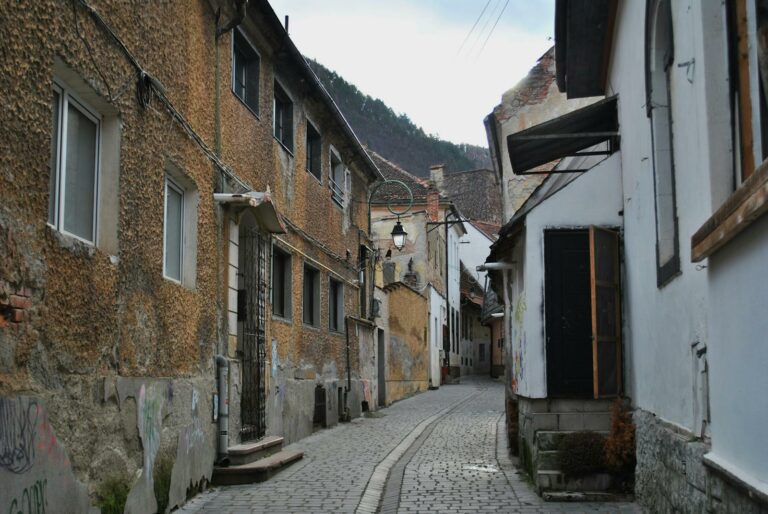
Romania's cities reward 2-4 nights each — pair two for a tailor-made multi-centre trip.
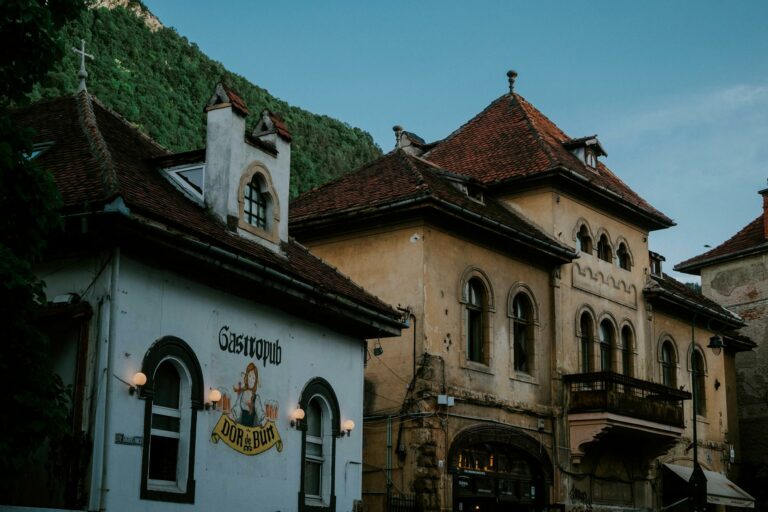
Brașov
Cruises
Romania anchors the Danube river-cruise circuit — Bucharest (the port at Giurgiu) is the eastern terminus of the Vienna-to-Black Sea Danube cruises, which run for 7-10 nights. Constanța on the Black Sea is also a smaller cruise port.
Escorted tours
14 escorted tours through Romania — guided, customisable, fully ATOL-protected.
Every Travelisto tour runs with a small group (max 16), an English-speaking local leader, and is fully ATOL-protected. Most tours are also bookable as private departures — same itinerary, your party only, your dates.
Tailor-made
Everything you see above is a starting point — we'll shape any of these around how you actually want to travel.
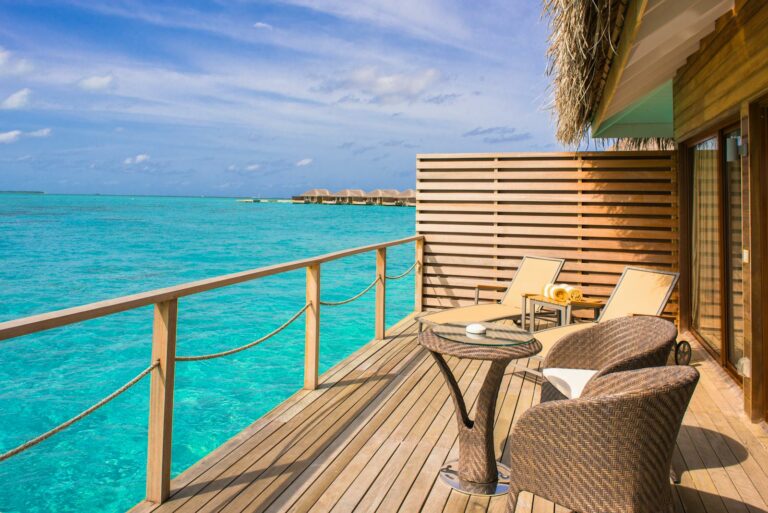
Bespoke Romania itinerary
Pick your headlines and we design the route, brief private guides, and book the hotels and transfers.
Enquire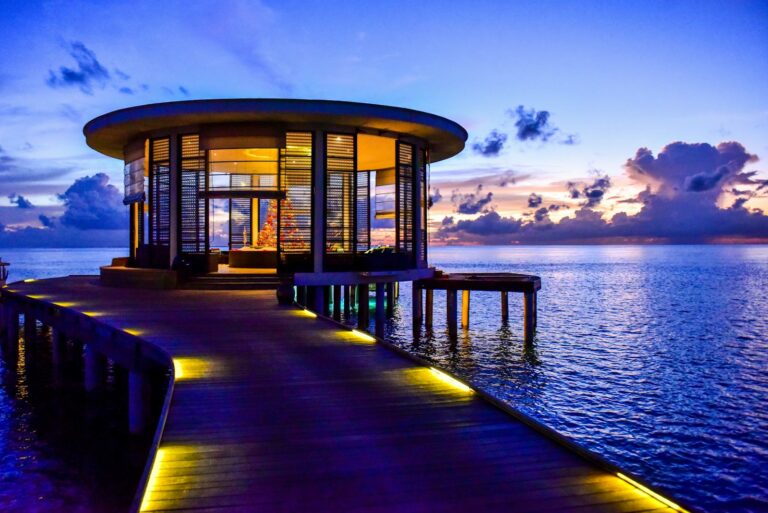
Multi-generational Romania
A pace and accommodation style that suits three generations — connecting suites, slower-paced excursions, kid-friendly highlights.
Enquire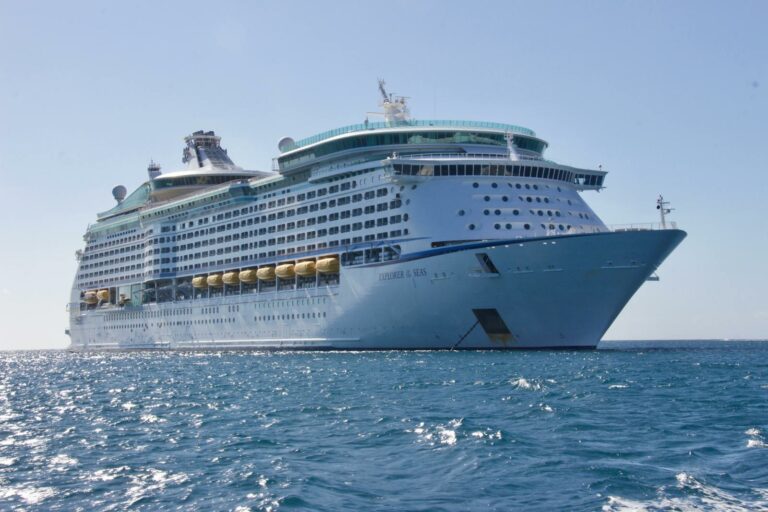
Romania + cruise
Pair the headlines of Romania with a 7-night cruise — booked end-to-end with us.
Enquire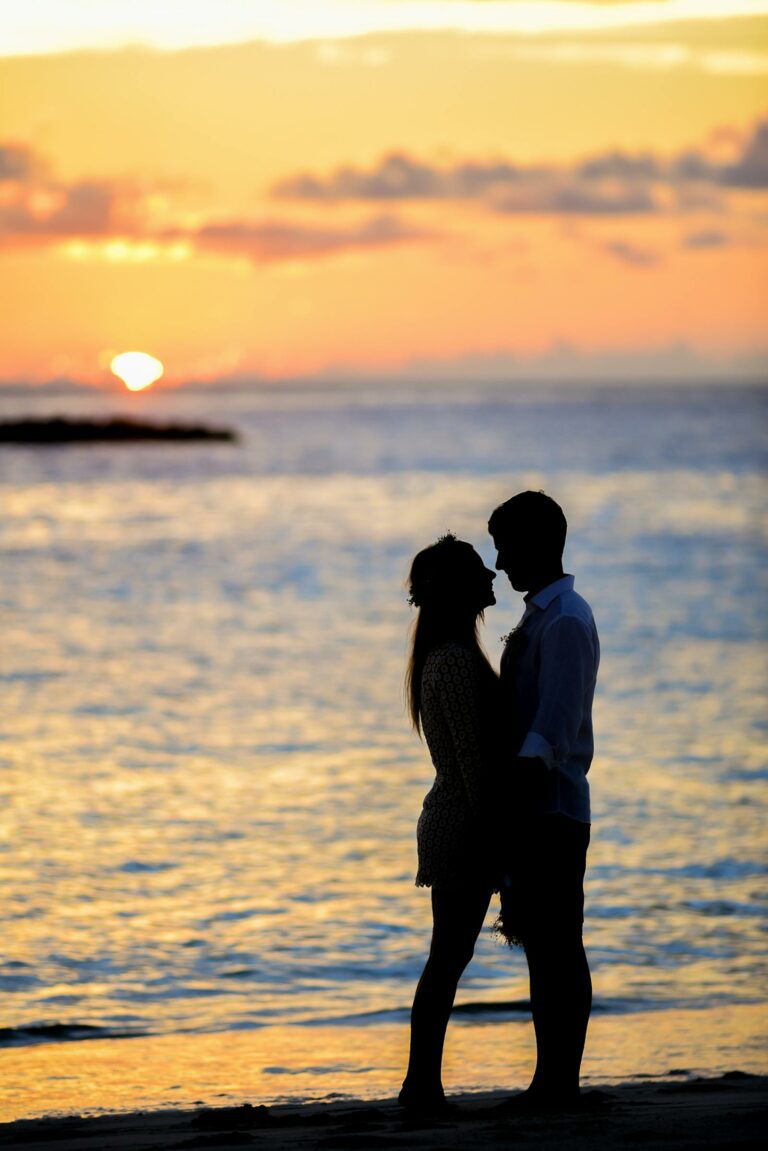
Honeymoon or special celebration
A milestone trip with the romantic flourishes quietly arranged.
EnquirePractical info
Knowing before you go
When to go
Jan
3°
Feb
5°
Mar
10°
Apr
16°
May
21°
Jun
24°
Jul
26°
Aug
26°
Sep
21°
Oct
15°
Nov
9°
Dec
4°
May-September is the prime season; December for Christmas markets. April-November for Transylvania.
Flights & how to get there
Direct flights from major UK airports to Romania — typically ~3h 15m to Bucharest. Hire cars are useful for the countryside; the major cities are walkable.
Visa & passport
UK passport holders get 90 days visa-free entry. Check current rules at GOV.UK Foreign travel advice.
Currency & money
The Romanian Leu (RON). Card payments widely accepted in tourist areas. Tipping: round up the bill, 10% on a sit-down meal.
Language & tipping
Romanian (Latin script). English is widely understood in tourist services and the capital; less so in rural areas.
Health & safety
No mandatory vaccinations. Standard EU healthcare reciprocal arrangements apply with UK GHIC (where applicable). Tap water is safe in cities. Buy comprehensive travel insurance before you travel.
FAQs
Romania — your questions
When is the best time to visit Romania?
May–October. June for wildflowers in the Carpathians. September for the wine harvest.
Do I need a visa for Romania?
Schengen 90/180 day rule applies for UK passports; ETIAS from its launch.
Is Bran Castle worth visiting?
Touristy but yes for one afternoon. Pelisor (Sinaia) is the better-preserved castle for connoisseurs.
Make this trip yours
Plan your Romania holiday with a Travel Designer
Pick from any of the options on this page or tell us what you have in mind — we'll build it around how you actually like to travel. ATOL protected, flights included, real humans available 9am–7pm.
ATOL protected
100% financially protected in a Trust bank account
PTS 6035
4.7 on Trustpilot