
Travelisto destinations
South Korea holidays
Seoul's K-culture and palaces, Busan's beaches, Jeju Island volcanoes and the DMZ — South Korea moves at its own pace.
Overview
Welcome to South Korea
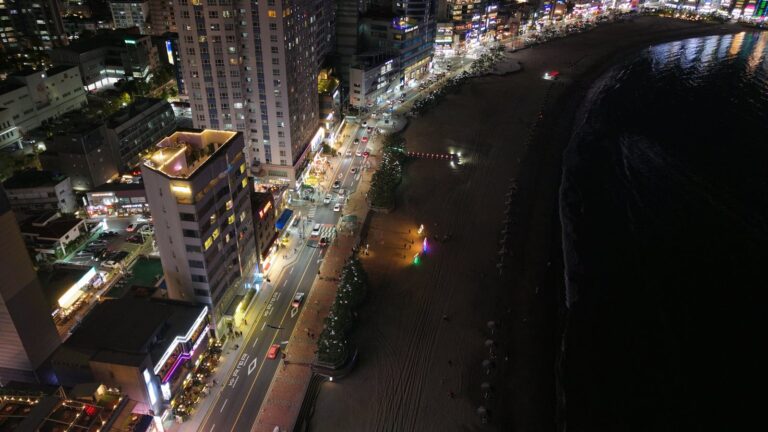
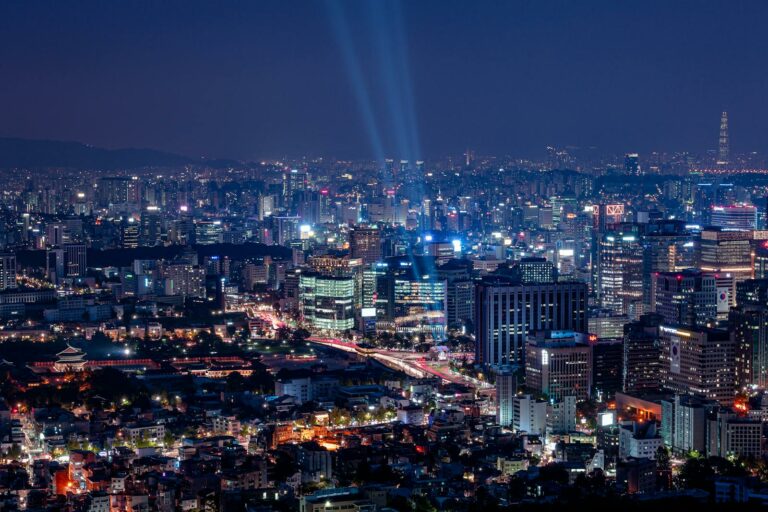
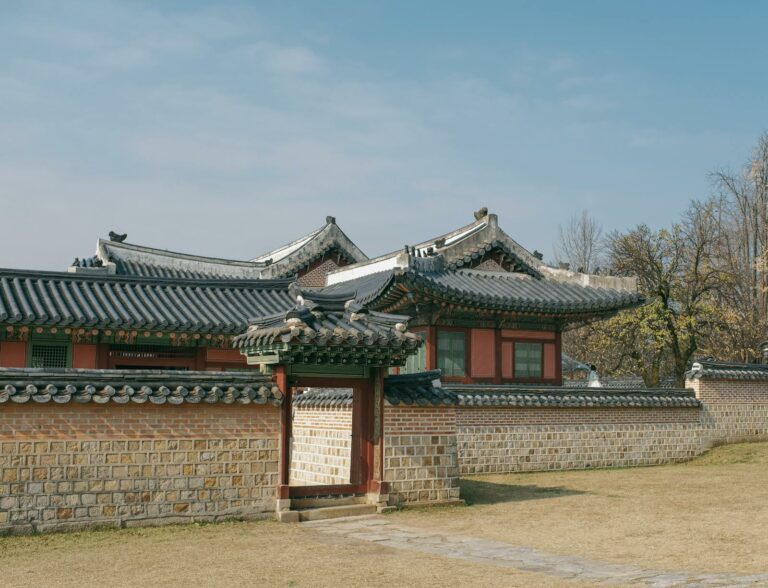
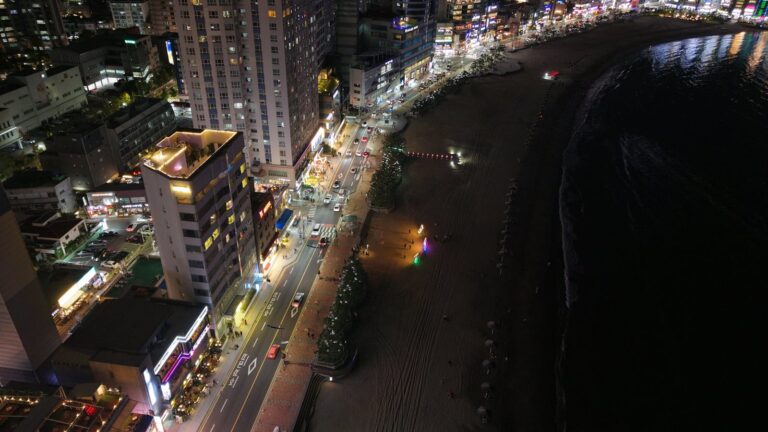
South Korea has gone from one of Asia's lesser-visited destinations to a headline tourism player in the last decade — driven by the K-pop and K-drama global cultural wave, the country's extraordinary food scene (Korean cuisine is now the world's fastest-growing cuisine), and a tourism infrastructure that has matured rapidly. The headline experiences: Seoul (the world's most-wired megacity — Gyeongbokgung Palace and the changing-of-the-guard ceremony, Bukchon Hanok Village's traditional houses, the Myeongdong shopping district, the Hongdae cafe-and-club youth culture quarter, the Itaewon international district, the Cheonggyecheon urban stream, the N Seoul Tower); the DMZ (the world's most-heavily-militarised border with North Korea, accessible only via guided tour from Seoul); Busan (the dynamic port city with the Gamcheon Culture Village, Haeundae Beach, the Jagalchi fish market, the Beomeosa Temple, the Busan International Film Festival each October); the historic UNESCO city of Gyeongju (the Silla Dynasty capital, 7th-10th centuries, with the Bulguksa Temple, the Seokguram Grotto, the Anapji Pond); Jeju Island (the volcanic-island honeymoon destination with the Hallasan mountain hike, the Manjanggul lava-tube cave UNESCO, the Seongsan Ilchulbong sunrise peak UNESCO); and the autumn-foliage hiking circuit through Seoraksan National Park.
A 10-14 day South Korea trip: Seoul (4-5 nights — Gyeongbokgung Palace and the daily changing-of-the-guard, Bukchon Hanok Village, the National Folk Museum, the Korean War Memorial, the Dongdaemun Design Plaza for the night market, the Han River bike ride at sunset, the Insadong traditional-arts quarter, a Korean barbecue dinner in Hongdae, optional DMZ day-tour or Suwon Hwaseong fortress UNESCO day-trip) → KTX high-speed train to Gyeongju (1-2 nights — Bulguksa Temple, Seokguram Grotto, the Royal Tomb Complex, the Anapji Pond night-walk) → KTX or local train to Busan (2-3 nights — Gamcheon Culture Village, Haeundae Beach, the Jagalchi Market for Korean seafood, the Beomeosa Temple, the Taejongdae Resort Park) → fly to Jeju Island (3 nights — Hallasan summit hike weather-permitting, the Manjanggul lava-tube cave, Seongsan Ilchulbong sunrise hike, the Hyeopjae and Geumneung beaches, the Jeju Folk Village).
Read more
UK travellers get 90 days visa-free entry (a K-ETA pre-registration is required for online application). South Korea uses the South Korean Won (KRW); cards work universally, Korean WonOne mobile pay is dominant locally. Korean (Hangul script, designed in the 15th century to make literacy accessible — one of the most-systematic writing systems in the world) is the language; English is taught in schools but proficiency is patchy outside tourism and Seoul/Busan young people. The food is the trip's organising principle: Korean BBQ (the gas-grill-on-each-table tradition — samgyeopsal pork belly, bulgogi marinated beef, galbi short ribs), kimchi (more than 200 varieties, fermented at home in every Korean household), bibimbap (rice-and-vegetables-and-egg in a stone pot), Korean fried chicken (KFC originated here as a global phenomenon), tteokbokki (spicy rice cakes), the bingsu shaved-ice desserts, plus the chemyon (instant noodles) and ramyeon culture. Soju is the national spirit.
Best for: K-culture travellers (K-pop fans, K-drama-location pilgrims), food travellers (Korean BBQ and Seoul night-market scene are world-class), hikers (Korean national parks are excellent — Seoraksan in autumn is the most-photographed), city-night-life travellers (Seoul's 24-hour energy is unmatched in Asia), technology-and-design travellers (Seoul is the world's most-wired and most-design-forward Asian city). Often combined with Japan (Busan-Fukuoka ferry or short flight), or as a standalone 2-week East Asia trip.
From the team
Why we love South Korea

Korea is the trip I send people on who already know Japan and want a different East Asian cultural experience. Seoul + Busan + Jeju in 10 days delivers contemporary energy, traditional depth, and beach finish in one country.
Rossella Rossella, Luxury & Destination Specialist Meet our Travel DesignersMain areas
Where to go in South Korea
4 distinct regions — they pair beautifully two or three at a time.
Seoul & Central Korea
Seoul
DMZ
Suwon
Gangnam
Busan & South Coast
Busan
Haeundae
Gamcheon
Tongyeong
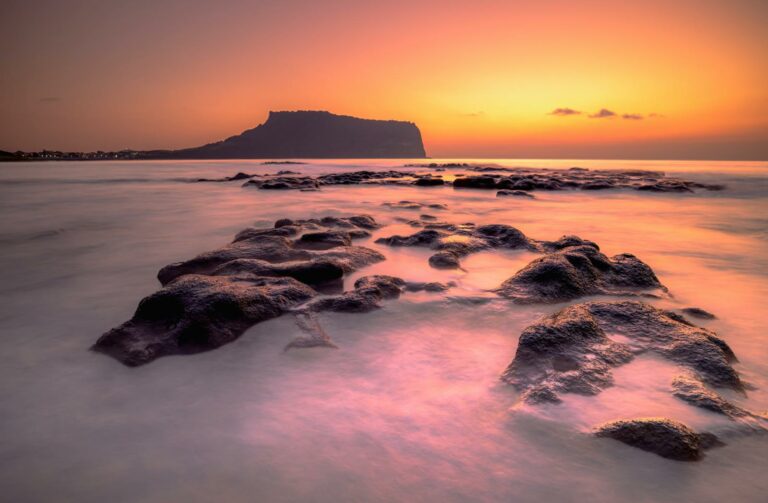
Jeju Island
Seogwipo
Jeju City
Hallasan
Manjanggul
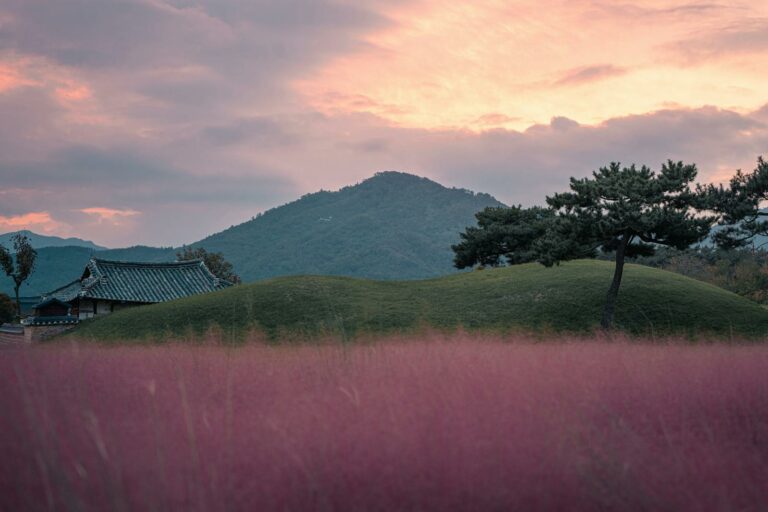
Gyeongju & the East
Gyeongju
Andong
Pohang
Find your trip
Holiday types in South Korea
Pick a holiday style — or combine two. Each section links straight to the next step.
Beach holidays
Beach destinations grouped by resort area — pick the cluster that matches your pace.
City breaks
South Korea's cities reward 2-4 nights each — pair two for a tailor-made multi-centre trip.
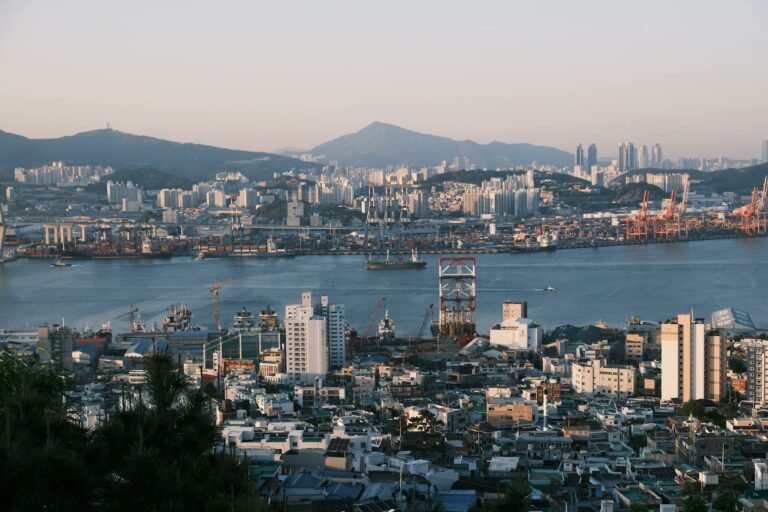
Busan
Cruises
Busan and Incheon (for Seoul) are South Korea's main cruise ports. Most Far East Asia cruises call at both. Jeju Island is also a regular cruise stop.
Escorted tours
10 escorted tours through South Korea — guided, customisable, fully ATOL-protected.
Every Travelisto tour runs with a small group (max 16), an English-speaking local leader, and is fully ATOL-protected. Most tours are also bookable as private departures — same itinerary, your party only, your dates.
Tailor-made
Everything you see above is a starting point — we'll shape any of these around how you actually want to travel.
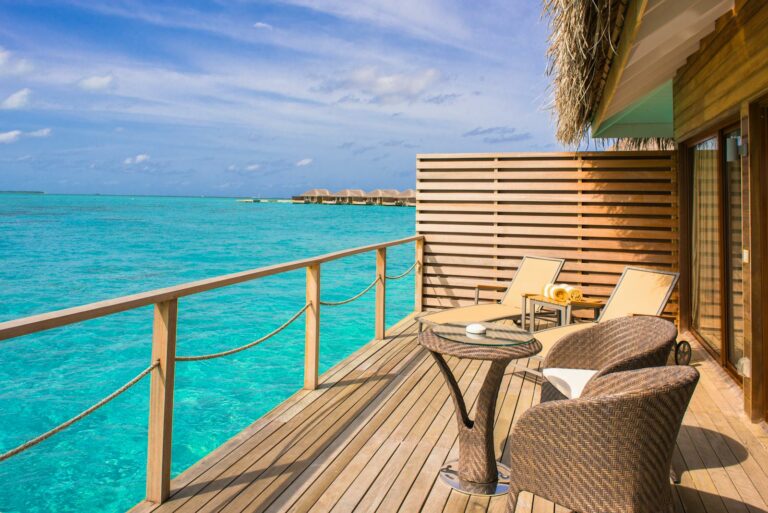
Bespoke South Korea itinerary
Pick your headlines and we design the route, brief private guides, and book the hotels and transfers.
Enquire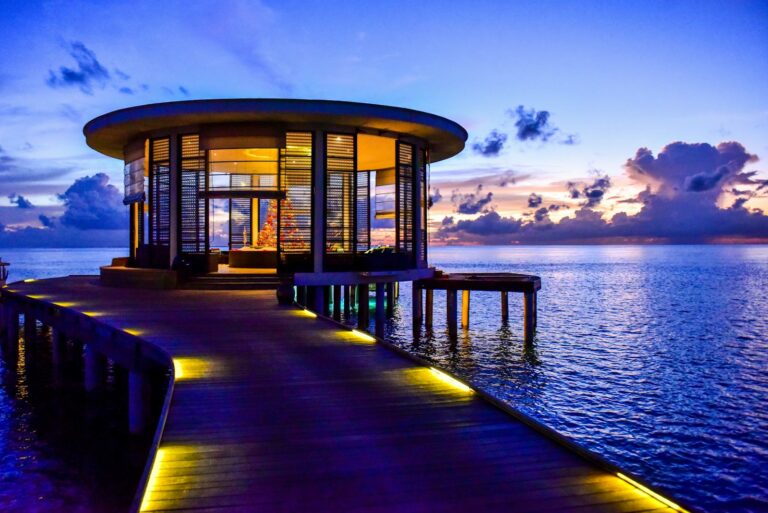
Multi-generational South Korea
A pace and accommodation style that suits three generations.
Enquire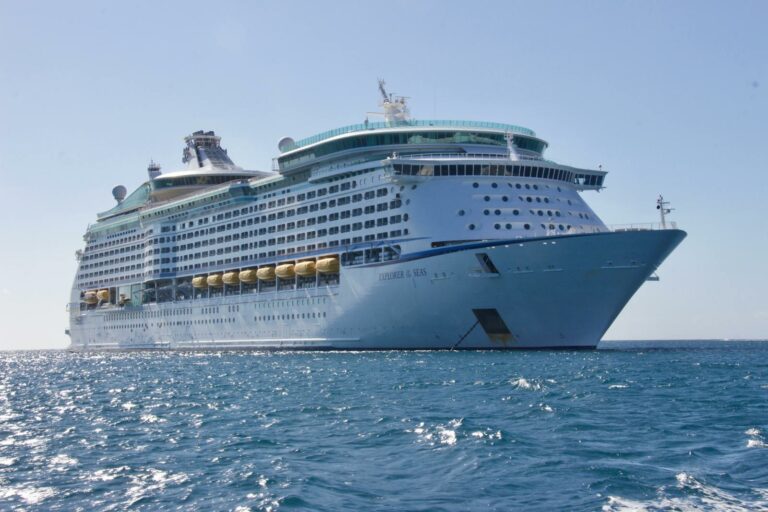
South Korea + cruise
Pair the headlines of South Korea with a cruise — booked end-to-end with us.
Enquire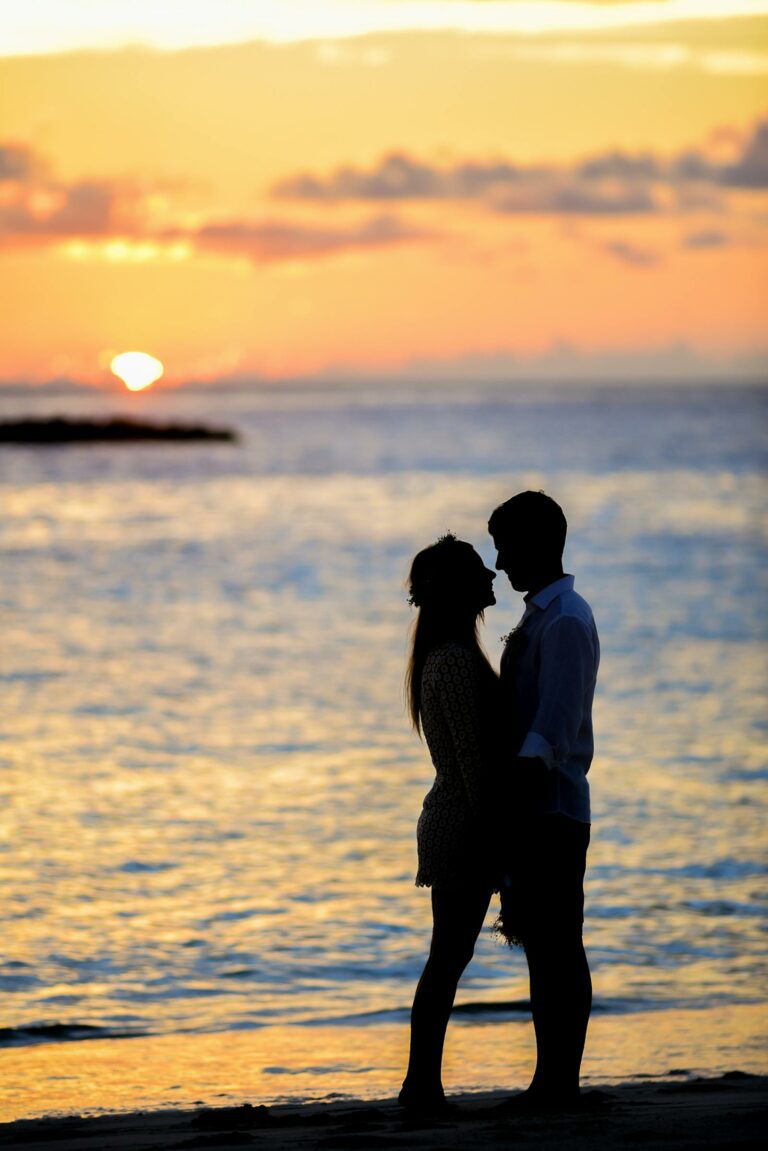
Honeymoon or special celebration
A milestone trip with the romantic flourishes quietly arranged.
EnquirePractical info
Knowing before you go
When to go
Jan
2°
Feb
5°
Mar
10°
Apr
17°
May
23°
Jun
27°
Jul
29°
Aug
30°
Sep
26°
Oct
19°
Nov
11°
Dec
4°
April-May (cherry blossom) and September-October (autumn) are the prime months. November-March cold. July-August hot, humid, monsoon-risky.
Flights & how to get there
Flights from major UK airports to South Korea — typically ~11-12h to Incheon (Seoul, direct).
Visa & passport
UK passport holders get 90 days visa-free entry. K-ETA travel authorisation is also required, applied for online before travel. For up-to-date entry requirements and safety advice, check the UK FCDO travel advice for South Korea.
Currency & money
The South Korean Won (KRW). Cards in cities, cash in markets. 10% tip on a sit-down restaurant.
Language & tipping
Korean. English widely spoken in tourist services.
Health & safety
Consult your GP 6 weeks before travel. Hepatitis A and typhoid commonly advised. Bottled water only outside top hotels. Buy comprehensive travel insurance before you travel.
FAQs
South Korea — your questions
When is the best time to visit South Korea?
April–May (cherry blossom) and September–November (autumn foliage). Summer is hot and humid; winter cold but clear.
Do I need a visa for South Korea?
UK passport holders need a K-ETA ($10) before boarding. Valid 3 years.
Can I combine South Korea with Japan?
Yes — Seoul–Tokyo is a 2.5h flight. 14-day Japan + Korea is a popular East Asia itinerary.
Make this trip yours
Plan your South Korea holiday with a Travel Designer
Pick from any of the options on this page or tell us what you have in mind — we'll build it around how you actually like to travel. ATOL protected, flights included, real humans available 9am–7pm.
ATOL protected
100% financially protected in a Trust bank account
PTS 6035
4.7 on Trustpilot