
Travelisto destinations
Switzerland holidays
The Glacier Express, Jungfraujoch's "top of Europe," the Matterhorn at Zermatt and Lake Geneva's vineyards — Switzerland is mountain Europe in concentrated form.
Overview
Welcome to Switzerland
Switzerland is the headline Alpine country — the Matterhorn at Zermatt and the Jungfrau triple-peak of Eiger, Mönch and Jungfrau at Grindelwald are two of the world's most-photographed mountain scenes; the Glacier Express train from Zermatt to St Moritz crosses 291 bridges and 91 tunnels over 8 hours through the Engadin Alps; the lakeside cities Geneva, Lausanne, Zurich, Lucerne, Lugano each have their own distinctive character; chocolate (Lindt, Toblerone, Sprüngli, Läderach) and watchmaking (the watchmaking valleys of the Jura at La Chaux-de-Fonds UNESCO, the splurge brands at Patek Philippe Geneva and Audemars Piguet at Le Brassus) are the world-class industries; and four official languages (German, French, Italian, Romansh) split the country into culturally distinct regions despite a national-political unity that has endured 700+ years.
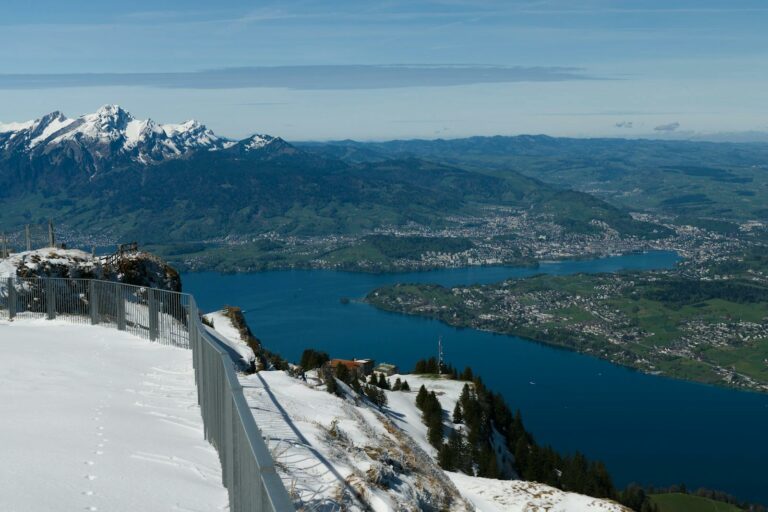
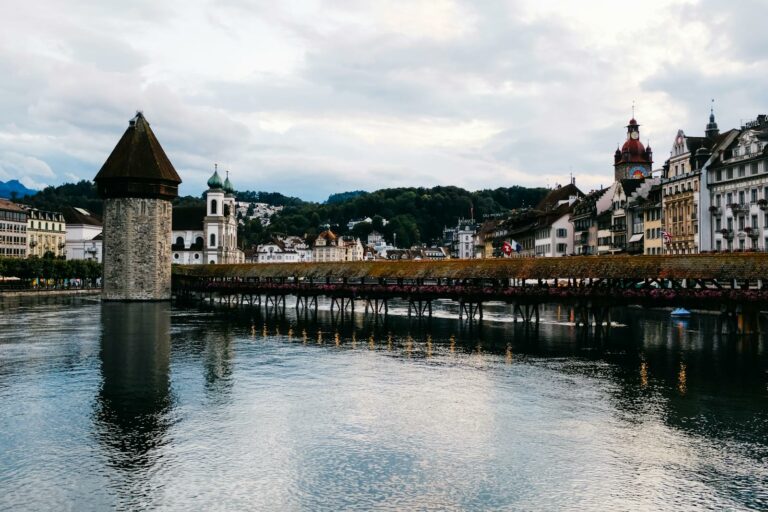
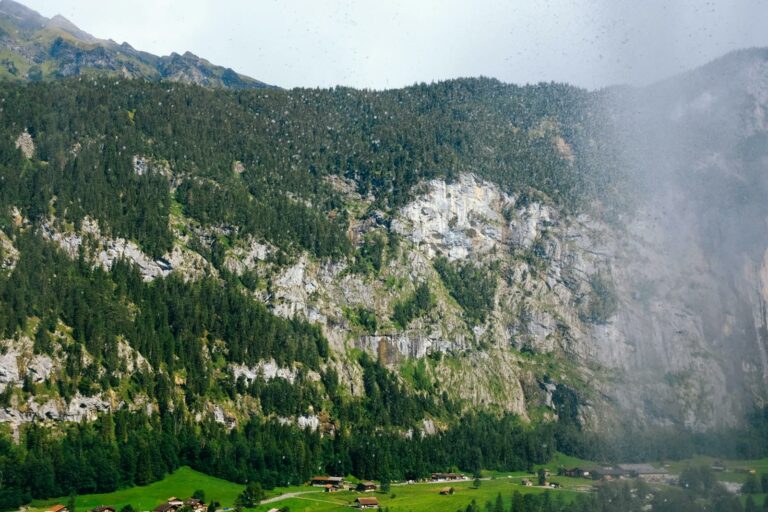
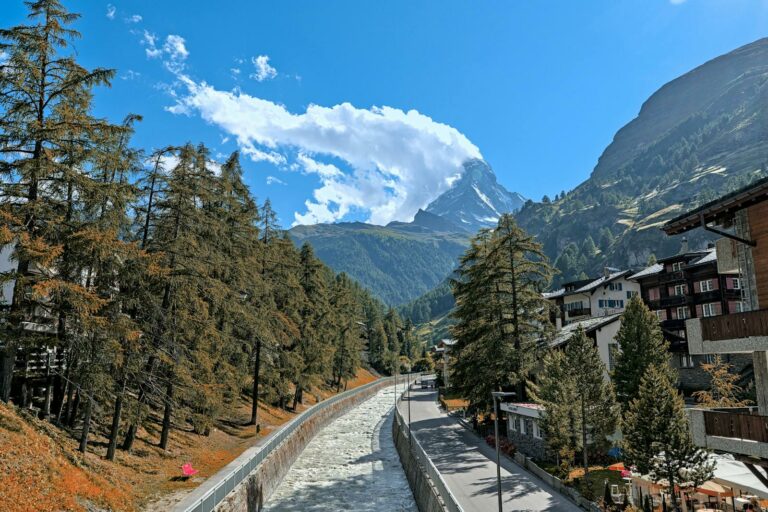
A 7-10 day Switzerland trip: Zurich arrival (1-2 nights — Bahnhofstrasse, the Old Town and Grossmünster cathedral, Lake Zurich boat trip, optional Rheinfall day-trip to Europe's largest waterfall) → train south to Lucerne (1-2 nights — Chapel Bridge UNESCO, Lion Monument, the Mount Pilatus or Rigi cable car day-trip, lake cruise) → train to Interlaken and the Jungfrau region (2-3 nights — Grindelwald or Wengen base, the Jungfraujoch railway to the "Top of Europe" at 3,454m, the Schilthorn-Piz Gloria revolving restaurant where the James Bond film was shot, the Lauterbrunnen Valley waterfalls, hiking the Eiger Trail) → train across the Bernese Alps via the Lötschberg Tunnel to Zermatt (2-3 nights — the Matterhorn, the Gornergrat railway with the dramatic Matterhorn-and-glacier panorama, hiking the Five Lakes Trail in summer or skiing the connected Cervinia ski area in winter) → optional Glacier Express train to St Moritz in the Engadin (2 nights — the chic ski resort, Lake St Moritz, the Bernina Express continuation to Tirano in Italy).
Read more
The Swiss rail network is genuinely one of the world's great travel experiences. The Swiss Travel Pass (sold internationally) covers all Swiss federal trains, lakeside boats, urban transport, and many mountain railways at a flat-fee price for 3-15 days. The headline panoramic trains are the Glacier Express (Zermatt-St Moritz, 8 hours, daily, panoramic windows), the Bernina Express (Chur-Tirano via the Albula and Bernina lines, UNESCO, the highest open-air rail crossing of the Alps), the GoldenPass Line (Lucerne-Interlaken-Montreux, the classic east-west Swiss panorama), and the Mont Blanc Express (Martigny-Chamonix, crossing into France for the Mont Blanc views). Many cog-railways climb to mountain summits — Jungfraujoch, Gornergrat at Zermatt, Pilatus at Lucerne, the Rothorn at Brienz.
The Swiss food culture varies by region. German-speaking Switzerland (Zurich, Bern, Lucerne) leans on fondue (the melted-cheese-and-bread dish, originally a peasant winter dish in the cantonal Alps), raclette (the half-wheel of melted cheese scraped onto potatoes and pickles), rösti potato pancakes, bratwurst sausages, and the high-quality milk-and-chocolate culture. French-speaking Switzerland (Geneva, Lausanne, Montreux) leans on fondue (the cheese tradition crosses the linguistic line), lake-fish like perch (perche du lac) and pike (brochet), papet vaudois (a Vaud-specific leek-and-potato stew with sausage), and the Lavaux UNESCO wine terraces between Lausanne and Vevey (the Chasselas white wine produced for 1,000 years). Italian-speaking Ticino (Lugano, Locarno) leans on Italian Lombardian cuisine — risotto, polenta with stews, the grotti rustic restaurants serving local mountain food.
Skiing is the winter mainstay. The headline resorts: Zermatt (Matterhorn-facing, connected to Cervinia in Italy for cross-border skiing — one of the world's largest interconnected ski areas), Verbier (the chic Four Valleys resort in French Switzerland, famous for off-piste and the Verbier Xtreme Freeride World Tour event), St Moritz (the Engadin resort with the Cresta Run toboggan track and the polo-on-frozen-lake winter events), Davos (the larger less-chic resort hosting the World Economic Forum each January), Wengen and Mürren (car-free villages above the Lauterbrunnen Valley, Wengen hosting the Lauberhorn World Cup downhill race), Saas-Fee (the glacier-skiing summer-and-winter resort), Engelberg-Titlis (the closest big resort to Zurich), and the smaller St Anton-Lech / Andermatt corner for off-piste and connecting cross-border.
UK travellers get 90 days visa-free Schengen entry. Switzerland uses the Swiss Franc (CHF), not the Euro. Switzerland is genuinely expensive — easily the most-expensive European country, with restaurant meals at £30-80, mid-range hotels at £150-400, beer at £8, a coffee at £4-5. The Swiss Travel Pass or the various regional passes mitigate the train cost. German, French, Italian and Romansh are official; English is universal in tourism and widely spoken in the major cities and ski resorts.
Best for: scenic-train-travel travellers (the Swiss rail experience is genuinely world-class), Alpine hikers (the mountain trails are excellent), skiers and snowboarders (winter), photographers (the Matterhorn, the Jungfrau, the Bernina Express scenery are among the world's most-photographed mountain views), chocolate and watch enthusiasts, those wanting a stress-free Alpine destination. Often combined with Italy (the Bernina Express crosses to Tirano), France (Mont Blanc Express to Chamonix), or as a 1-week standalone trip.
Best time
Jun–Sep (summer); Dec–Apr (ski)
Flight from UK
~2h direct
Currency
Swiss Franc (CHF)
Language
German, French, Italian, Romansh
From the team
Why we love Switzerland

Switzerland is the country I send people to who want the most beautiful trains in the world and don't mind paying for them. The Glacier Express and Bernina Express are genuinely worth structuring a holiday around.
My quiet recommendation: don't do Switzerland on a budget. Pick fewer nights at higher quality — three nights in Wengen or Zermatt at a 4* with a Jungfraujoch or Klein Matterhorn day. The mountain views from the hotel matter.
Rossella Rossella, Luxury & Destination Specialist Meet our Travel DesignersMain areas
Where to go in Switzerland
5 distinct regions — they pair beautifully two or three at a time.
Bernese Oberland
Interlaken
Lauterbrunnen
Wengen
Mürren
Valais & Zermatt
Zermatt
Saas-Fee
Crans-Montana
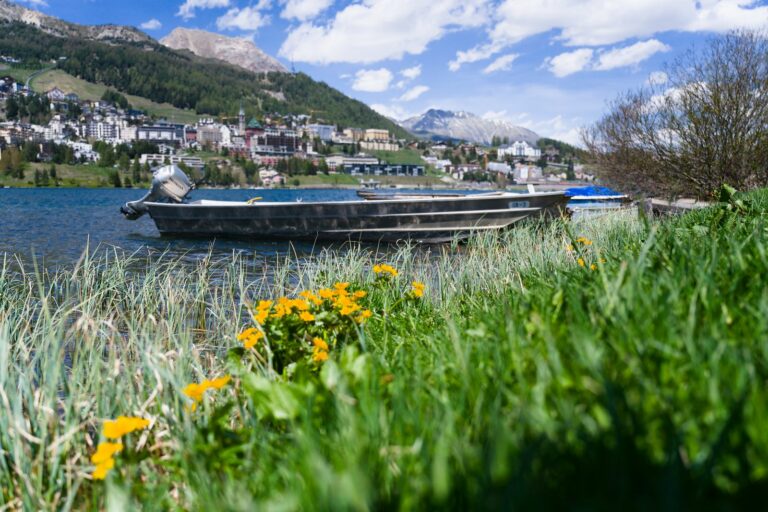
Engadine & Graubünden
St Moritz
Pontresina
Davos
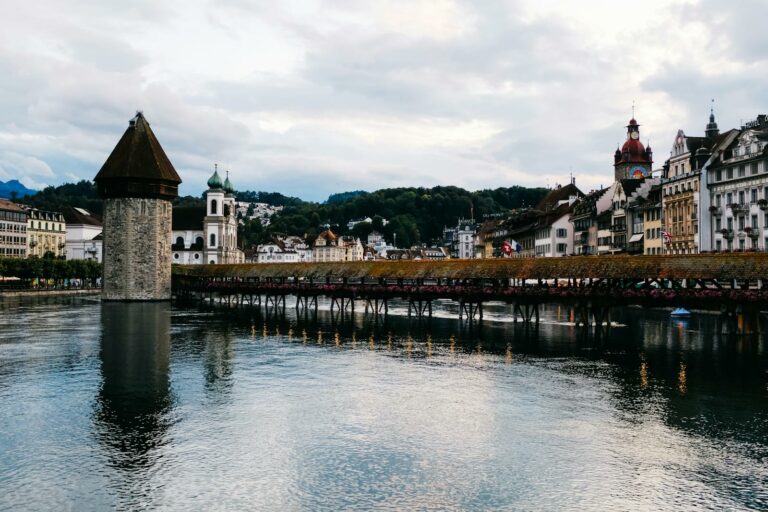
Lucerne & Central Switzerland
Lucerne
Mount Pilatus
Mount Rigi
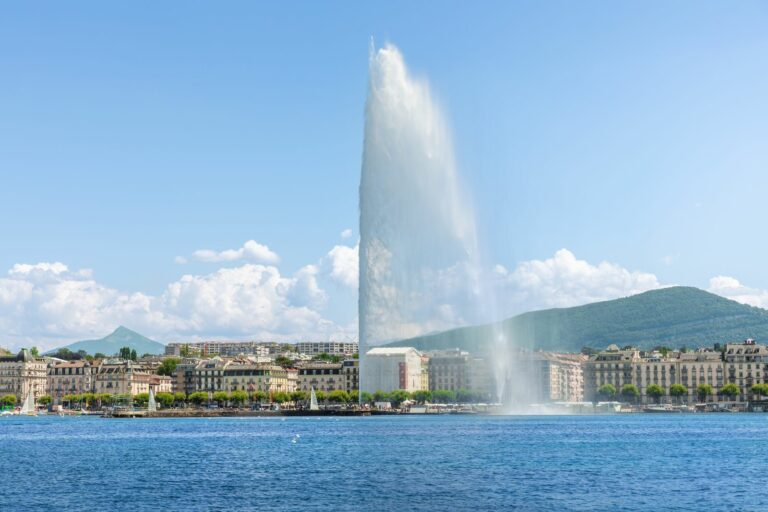
Geneva & Lake Geneva
Geneva
Lausanne
Montreux
Find your trip
Holiday types in Switzerland
Pick a holiday style — or combine two. Each section links straight to the next step.
Lake & Alpine retreats
Swiss Alpine lakes and mountain villages — pick the lake or peak that matches your trip.
City breaks
Switzerland's cities reward 2-4 nights each — pair two for a tailor-made multi-centre trip.
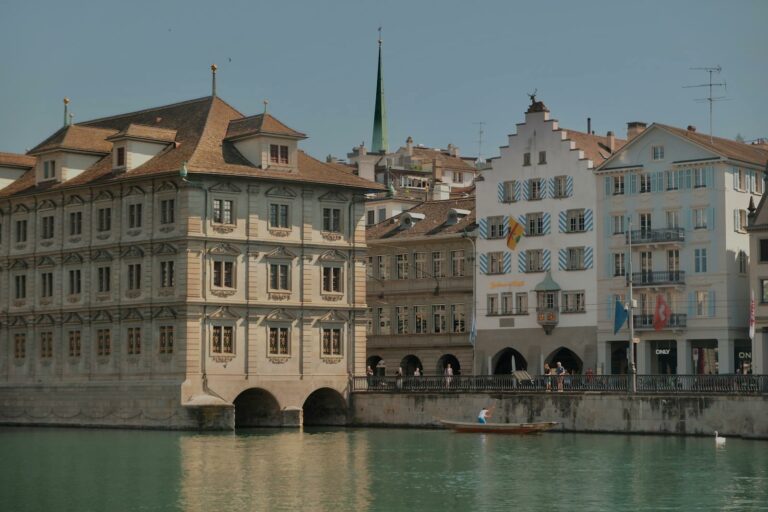
Zürich
Cruises
Switzerland is the connecting country in many Rhine river-cruises (Basel is the southern terminus of the Rhine cruise route, connecting Amsterdam to Switzerland). It is also a popular pre/post-cruise stay for travellers cruising the Mediterranean from Genoa or Marseille.
Escorted tours
24 escorted tours through Switzerland — guided, customisable, fully ATOL-protected.
Every Travelisto tour runs with a small group (max 16), an English-speaking local leader, and is fully ATOL-protected. Most tours are also bookable as private departures — same itinerary, your party only, your dates.
Tailor-made
Everything you see above is a starting point — we'll shape any of these around how you actually want to travel.
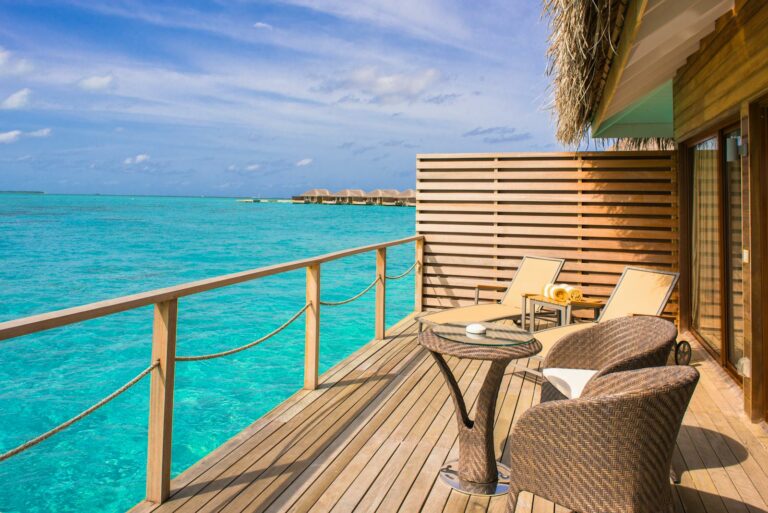
Bespoke Switzerland itinerary
Pick your headlines and we design the route, brief private guides, and book the hotels and transfers.
Enquire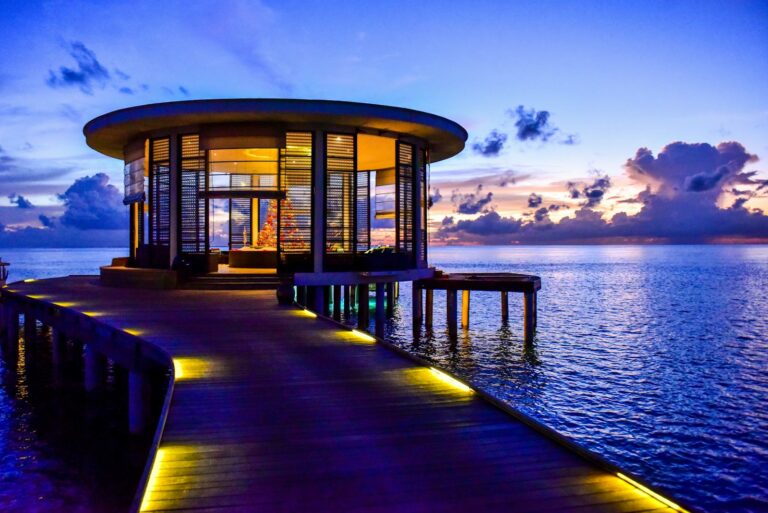
Multi-generational Switzerland
A pace and accommodation style that suits three generations — connecting suites, slower-paced excursions, kid-friendly highlights.
Enquire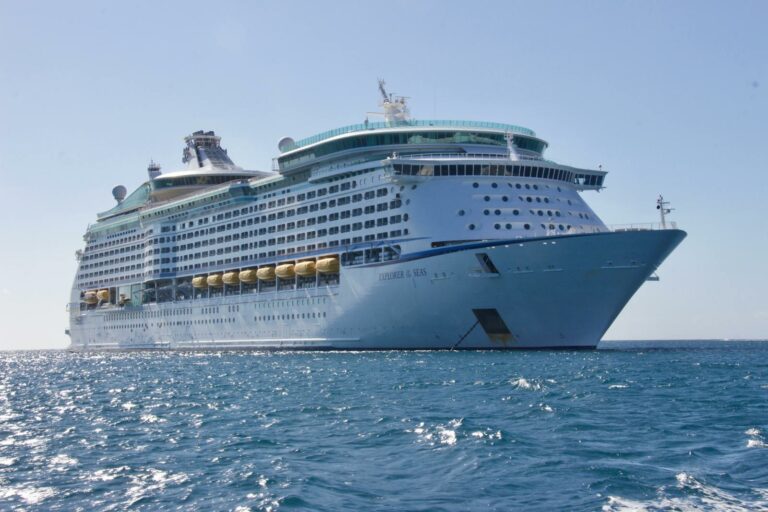
Switzerland + cruise
Pair the headlines of Switzerland with a 7-night cruise — booked end-to-end with us.
Enquire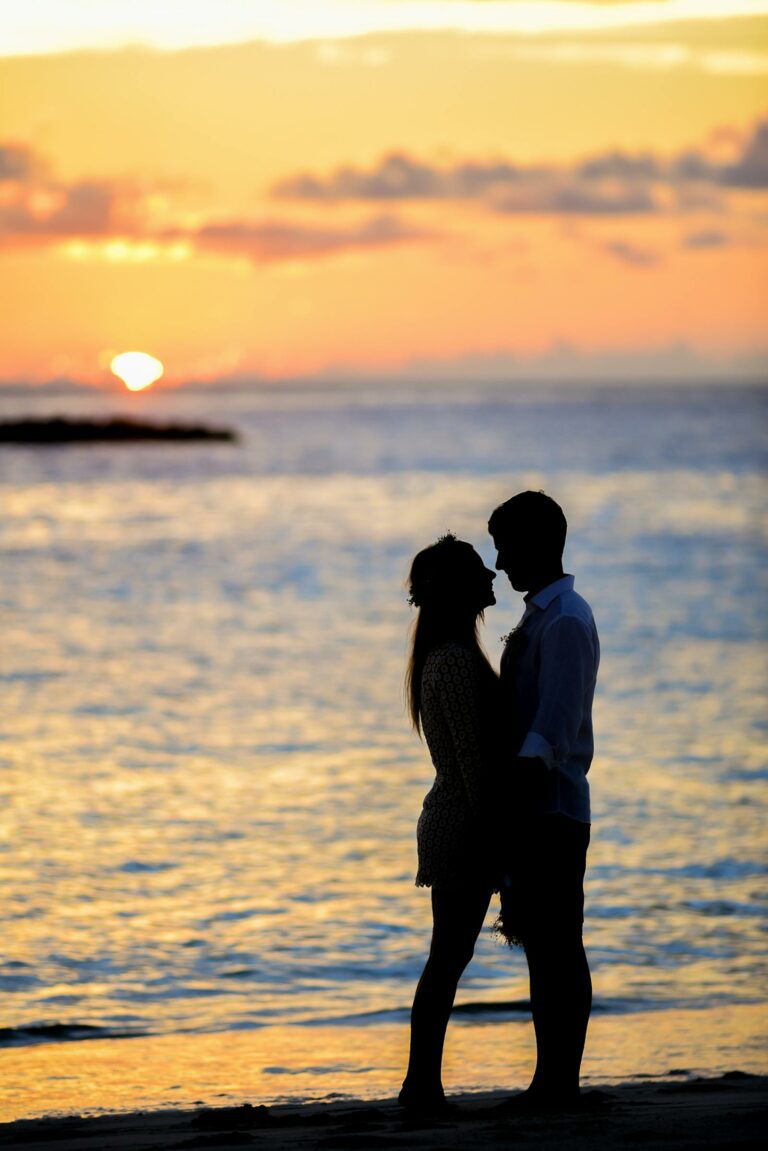
Honeymoon or special celebration
A milestone trip with the romantic flourishes quietly arranged.
EnquirePractical info
Knowing before you go
When to go
Jan
3°
Feb
5°
Mar
10°
Apr
14°
May
19°
Jun
22°
Jul
25°
Aug
24°
Sep
20°
Oct
14°
Nov
8°
Dec
4°
June-September for hiking and lakes (cable cars open, mountain huts running); December-March for skiing. May and October are shoulder — many high-altitude routes closed.
Flights & how to get there
Direct flights from UK airports to Zürich, Geneva and Basel — typically 1h 45m. The Swiss Travel Pass (3-15 days) covers all trains, buses, boats and most cable cars. Glacier Express (Zermatt-St Moritz) and Bernina Express (Chur-Tirano) are bookable as separate reservations.
Visa & passport
UK passport holders can stay 90 days in any 180-day period under Schengen rules (Switzerland is in Schengen but not the EU). ETIAS from 2026. See GOV.UK Foreign travel advice: Switzerland.
Currency & money
The Swiss Franc (CHF); Euros accepted in tourist areas but change usually given in CHF at unfavourable rates. Cards universal. Tipping: 10% on a sit-down meal.
Language & tipping
German (north), French (west), Italian (south, Ticino), and Romansh (Engadine). English widely spoken across all language regions in tourist services.
Health & safety
No mandatory vaccinations. EU healthcare reciprocal arrangements apply with UK GHIC. Tap water excellent — drink from public fountains in many Swiss towns.
FAQs
Switzerland — your questions
When is the best time to visit Switzerland?
June–September for hiking, lakes, mountain railways. December–April for skiing. May, June and September are shoulder — quieter, lower-altitude hiking, lower rates.
Do I need a visa for Switzerland?
UK passport holders can stay 90 days in any 180-day period (Schengen). ETIAS required from its launch (expected 2026).
Is the Glacier Express worth it?
Yes — Zermatt to St Moritz, 7.5 hours through alpine scenery. Reserve 1st class in the panorama car. Often broken at Andermatt or Tiefencastel.
Where should I base for a first Swiss trip?
Lucerne (central, good base for boat + Pilatus + Rigi) or Interlaken (Jungfrau region). Add Zermatt for the Matterhorn and St Moritz for Engadine.
Make this trip yours
Plan your Switzerland holiday with a Travel Designer
Pick from any of the options on this page or tell us what you have in mind — we'll build it around how you actually like to travel. ATOL protected, flights included, real humans available 9am–7pm.
ATOL protected
100% financially protected in a Trust bank account
PTS 6035
4.7 on Trustpilot