
Travelisto destinations
Zambia holidays
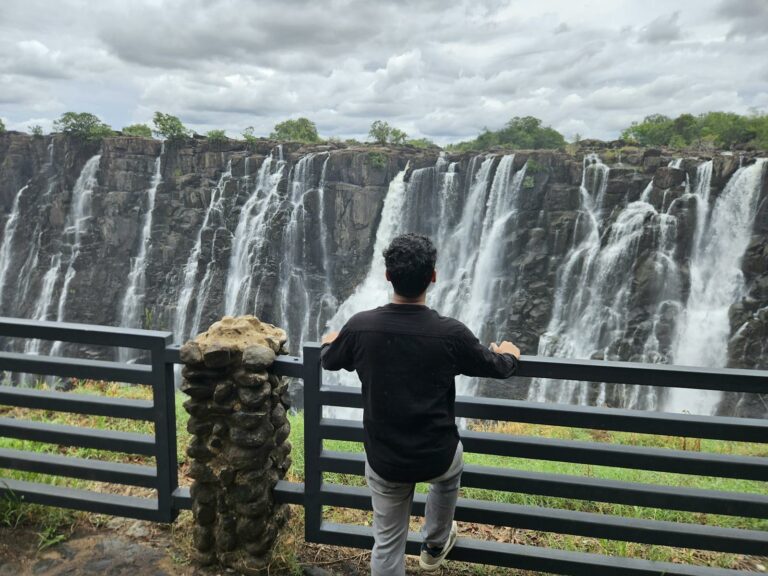
Victoria Falls (Zambian side), South Luangwa walking safaris and the wildest of African wildlife camps.
Overview
Welcome to Zambia
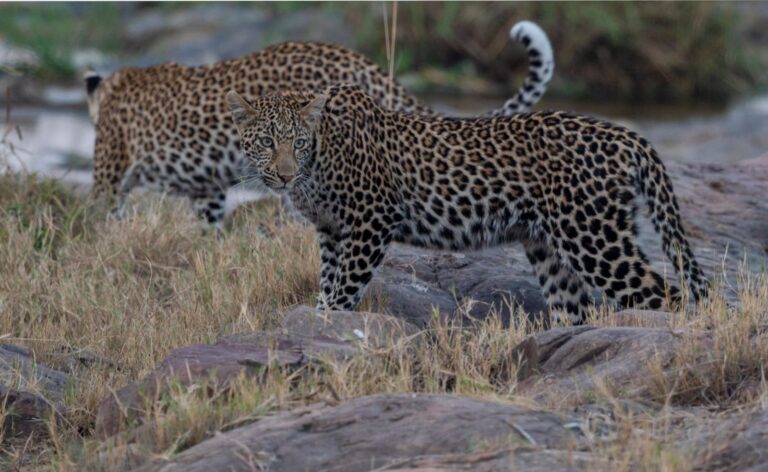
Zambia is the walking-safari heartland of Africa — South Luangwa National Park is where the modern walking safari was invented in the 1950s under legendary conservationist Norman Carr, and remains the world's gold-standard destination for it; the operators (Norman Carr Safaris, Robin Pope Safaris, Tafika Camp, Mwamba Bush Camp, Time + Tide) are legendary and represent decades of guiding tradition. Add Lower Zambezi National Park's canoe safari (the world's most-distinctive water-based safari, paddling past elephants and hippos at water level along the Zambezi River that forms the international border with Zimbabwe), the dramatic Victoria Falls (the Zambian side has the Devil's Pool seasonal swim at the falls' edge — one of the world's most-extreme natural-pool experiences), and Kafue National Park's vast lion-and-leopard reserve (the country's largest park at 22,400 sq km, with the seasonal Busanga Plains flooding-and-drying-cycle that produces world-class cheetah sightings on the open floodplain), and Zambia delivers the most-varied safari experience in southern Africa.
A classic 10-14 day Zambia trip: Livingstone for Victoria Falls (2-3 nights at the historic Royal Livingstone Hotel right at the falls, or the more-budget Avani Victoria Falls Resort, or the splurge Tongabezi Lodge upstream on the Zambezi — the falls helicopter "Flight of Angels", the microlight aircraft tour (Zambia exclusive — the Zimbabwe side doesn't permit microlights over the falls), the Zambezi sundowner cruise, the Devil's Pool seasonal swim August-January (the natural rock pool right at the falls' edge — book through the Royal Livingstone or the Tongabezi Hotel, walk to the falls' edge and swim in the pool with the 108m drop a few feet away — genuinely terrifying), the bridge bungee, the white-water rafting in the Batoka Gorge below the falls — Grade V rapids July-October) → fly to Lower Zambezi National Park (3 nights at Old Mondoro, Chongwe River House, Time + Tide Sausage Tree Camp, Royal Zambezi Lodge — canoe safaris on the Zambezi where you paddle past hippos and elephants at water level, walking safaris led by some of Africa's most-experienced guides, fishing for tigerfish — the legendary Africa fight fish, the river-front sundowners with Zimbabwe's Mana Pools visible across the river) → fly to South Luangwa National Park (4-5 nights at Tafika Camp, Mwamba Bush Camp, Luwi Bush Camp, Mchenja, or the splurge Time + Tide Chinzombo and Time + Tide Kakuli — the headline walking safari (3-7 day mobile walking safari with overnight bush-camps along the Luangwa River), excellent leopard sightings — South Luangwa is widely considered the world's best leopard reserve, the seasonal river-bank concentrations of wildlife as the Luangwa River shrinks August-October) → optional Kafue National Park's Busanga Plains (3 nights at Shumba Camp, Busanga Bush Camp, or the more-budget Hippo Bay Lodge — the open floodplain experience that's very different from the woodland of Luangwa, world-class cheetah sightings, the seasonal balloon safari over the plains, the unique water-lechwe antelope population).
Read more
South Luangwa is the country's most-celebrated park and the trip's typical centrepiece. The 9,050 sq km park in eastern Zambia stretches 200km along the Luangwa River (the major tributary of the Zambezi). The walking-safari tradition began here under Norman Carr in the 1950s — Carr was the first British colonial-period game warden to argue that walking safari (rather than vehicle safari) was the appropriate way to experience African wilderness, and he founded the walking-safari operational model that has since been adopted across Zambia, Tanzania, and Botswana. The walking experience requires armed scouts and is rated easy-to-moderate physically — most operators schedule 2-4 hour walks at dawn or late afternoon, with vehicles available for travel between camps. The wildlife focus is on the smaller details that walking enables — tracking, plant identification, insect behaviour, the geology and ecology of the river ecosystem — rather than on big-game sightings (though those happen too, including encounters with elephants and lions). The seasonal cycle is dramatic: the Luangwa River floods November-April, breaking many of the simpler walking-safari camps; the river then shrinks August-October to a series of pools where wildlife concentrates intensely. October is the peak game-viewing month (the heat is intense, but the wildlife at the few remaining pools is extraordinary). The "Emerald Season" (December-March, the green season) brings rain, lush vegetation, baby animals, migrant birds, and very different wildlife experience.
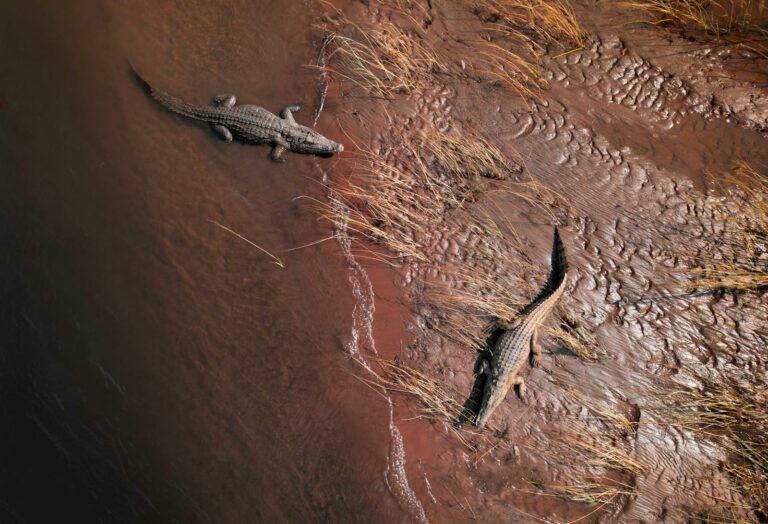
Lower Zambezi National Park offers Zambia's most-distinctive water-based safari. The 4,000 sq km park sits along a 100km stretch of the Zambezi River in southern Zambia — the river forms the international boundary with Zimbabwe's Mana Pools, and the two parks effectively share the ecosystem. The canoe-safari is the trip's defining experience — a 2-3 day paddle downstream in 2-person Canadian-style canoes, with the guides paddling lead-and-rear, passing hippo pods (the most-dangerous wildlife in Africa for human deaths, treated very seriously by the canoe guides), elephant herds drinking at the riverside, lone bull elephants crossing the river, and the famous "swimming elephants" that occasionally swim between islands. Walking safaris from the camps complement the canoe activity. The fishing is genuine — tigerfish (the legendary Hydrocynus vittatus, the "river piranha" with the fanged appearance and aggressive fight) are caught here as catch-and-release. The camps along the river include some of Africa's most-romantic riverside settings — Time + Tide Sausage Tree Camp's individual sausage-tree shaded tented suites, Old Mondoro's the original "mokuto" eco-bush-camp.
Victoria Falls — the Zambian side — offers some experiences the Zimbabwean side doesn't. The Royal Livingstone Hotel's location right at the falls' edge means guests can walk to the falls' viewpoints in 5 minutes from the hotel. The Knife-Edge Bridge on the Zambian side gives the closest perspective to the actual cascading water — getting soaked is unavoidable. The Devil's Pool seasonal swim (August-January only, when the river level allows safe access) is the once-in-a-lifetime adventure — guides walk you from Livingstone Island to the pool, you swim in the natural rock pool right at the falls' edge with the 108m drop a metre away (a 4ft-high rock lip stops the water from going over the edge with you), and the photograph from the lip looking over the falls' edge is genuinely impossible to forget. The Boiling Pot viewpoint below the falls (after the 100-step descent) gives the dramatic underneath-the-falls perspective and the Zambezi River churning at the base. The microlight aircraft tour (a small open-cockpit propeller aircraft) is Zambia-exclusive — 15 minutes over the falls and the Batoka Gorge at low altitude.
UK travellers can apply for a visa on arrival ($50 USD, single entry) or the KAZA UNI-Visa ($50, valid for Zambia and Zimbabwe + day-trips to Botswana for 30 days — the better choice if visiting Victoria Falls from both sides). Zambia uses the Kwacha (ZMW); cards work in major tourist hotels and Livingstone, cash for safari camp tips (USD recommended). English is the official language; Bemba, Nyanja, Tonga and Lozi are major indigenous languages. The food: nshima (the cornmeal-porridge staple eaten daily), Kapenta (small dried fish from Lake Kariba), Bream from the rivers, the village chicken stews, traditional groundnut sauces, plus exceptional fresh-river fish — Tigerfish (catch-and-release in the Lower Zambezi), Bream from any of the rivers.
Best for: second-time Africa travellers who want a walking-safari experience after a first vehicle-based safari (Zambia is the natural step-up after a Kenya/South Africa first), photographers (South Luangwa has exceptional leopard sightings, the Lower Zambezi canoe perspective is unique), birdwatchers (Kafue and South Luangwa are world-class with 400+ species each), couples seeking a remote-Africa retreat, conservation-driven travellers, those willing to fly between camps in light aircraft. Often combined with Zimbabwe (Victoria Falls Zim-side), Botswana (Chobe and Okavango via the Kasane crossing), Malawi (Lake Malawi finish via the Mfuwe-Lilongwe direct route), or Kenya/Tanzania for an East-Southern Africa headline trip.
From the team
Why we love Zambia
Zambia is the walking-safari connoisseur trip — South Luangwa and Lower Zambezi for the most authentic on-foot Africa experience.
Rossella Rossella, Luxury & Destination Specialist Meet our Travel DesignersMain areas
Where to go in Zambia
2 distinct regions — they pair beautifully two or three at a time.
South Luangwa & East
South Luangwa NP
Mfuwe
North Luangwa
Lower Zambezi & Livingstone
Lower Zambezi NP
Livingstone
Victoria Falls
Find your trip
Holiday types in Zambia
Pick a holiday style — or combine two. Each section links straight to the next step.
City breaks
Zambia's cities reward 2-4 nights each — pair two for a tailor-made multi-centre trip.
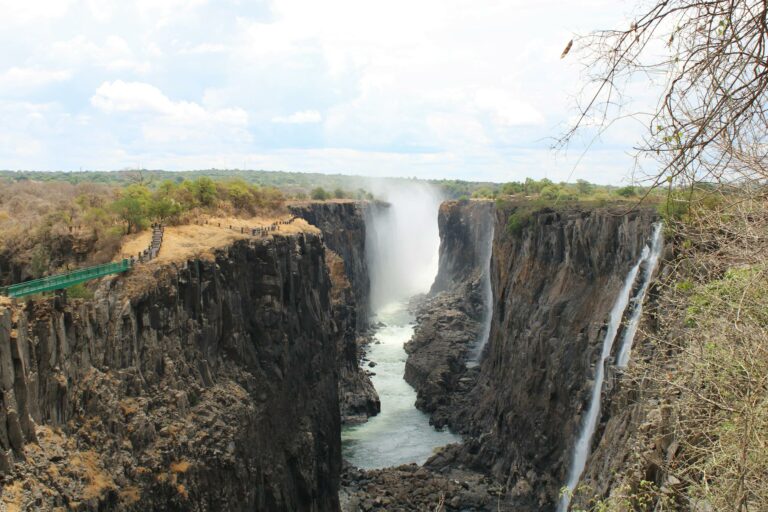
Livingstone
Cruises
Zambia cruise itineraries and Indian Ocean / Atlantic routes available.
Escorted tours
4 escorted tours through Zambia — guided, customisable, fully ATOL-protected.
Every Travelisto tour runs with a small group (max 16), an English-speaking local leader, and is fully ATOL-protected.
Tailor-made
Everything you see above is a starting point — we'll shape any of these around how you actually want to travel.
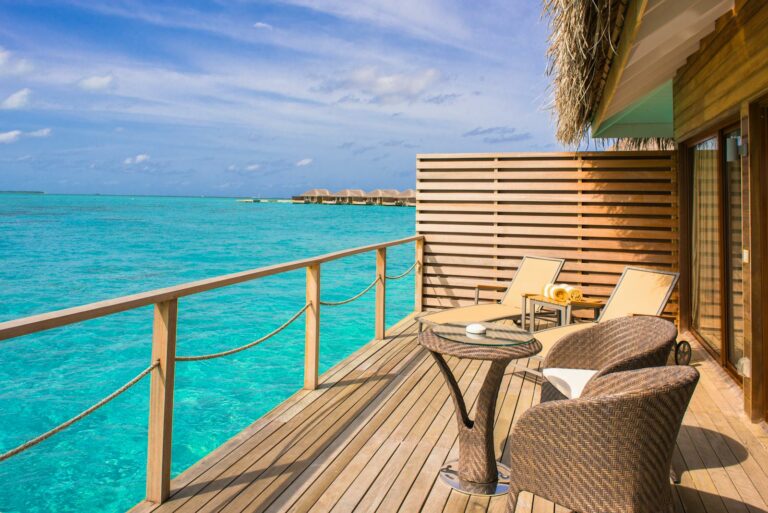
Bespoke Zambia itinerary
Pick your headlines; we design the route, brief private guides, and book hotels.
Enquire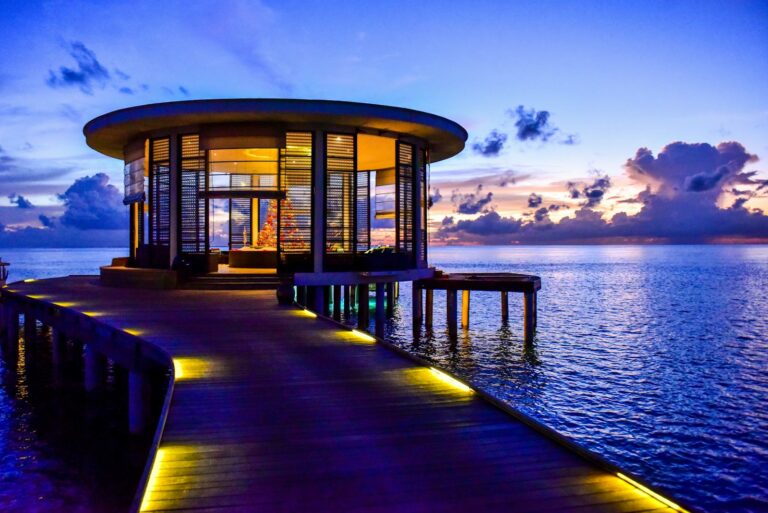
Multi-generational Zambia
A pace that suits three generations.
Enquire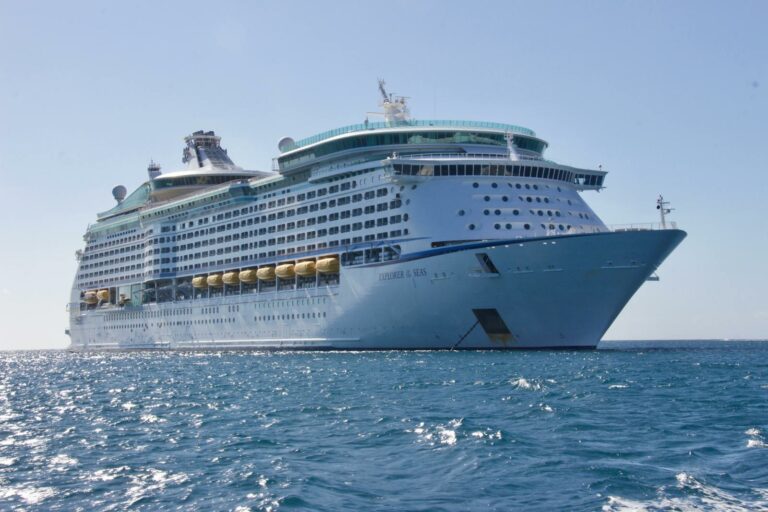
Zambia + cruise
Pair Zambia with a cruise — booked end-to-end.
Enquire
Honeymoon or special celebration
A milestone trip quietly arranged.
EnquirePractical info
Knowing before you go
When to go
Jan
27°
Feb
28°
Mar
28°
Apr
26°
May
25°
Jun
23°
Jul
23°
Aug
23°
Sep
25°
Oct
26°
Nov
25°
Dec
26°
May-October is the dry safari season. Walking safaris run June-November.
Flights & how to get there
Flights from UK to Zambia — ~13h via Johannesburg or Addis.
Visa & passport
UK passport holders need a tourist visa — KAZA Univisa ($50) covers Zambia + Zimbabwe. For up-to-date entry requirements and safety advice, check the UK FCDO travel advice for Zambia.
Currency & money
The Zambian Kwacha (ZMW); USD widely used at lodges. Cards in cities; cash for rural. 10% tip standard.
Language & tipping
English (and Bemba, Nyanja).
Health & safety
Consult your GP 6 weeks before travel. Yellow fever often required for African travel; malaria prophylaxis for many regions. Buy comprehensive travel insurance.
Make this trip yours
Plan your Zambia holiday with a Travel Designer
Pick from any of the options on this page or tell us what you have in mind — we'll build it around how you actually like to travel. ATOL protected, flights included, real humans available 9am–7pm.
ATOL protected
100% financially protected in a Trust bank account
PTS 6035
4.7 on Trustpilot