
Travelisto destinations
Malta holidays
Valletta's golden limestone, Mdina's silent streets, Gozo's blue caves and Comino's lagoon — Malta is Mediterranean history in compact form.
Overview
Welcome to Malta
Malta is the small Mediterranean country that punches dramatically above its weight — 316 km² in total (less than the Isle of Wight), but with 7,000 years of history (it has the world's oldest free-standing stone temples, older than Stonehenge), the imposing medieval Knights' fortifications of Valletta and Mdina, three distinct islands (Malta, Gozo and Comino), and English-speaking infrastructure as a former British colony. UK travellers love it for the short flight (3 hours), the English signage, and the genuinely warm late-October weather.
The headline Malta trip uses Valletta or Sliema as the base for 7 days, with day-trips to Mdina (the medieval silent city in the centre of the main island), Marsaxlokk (the fishing village famous for Sunday market and luzzu boats), and the Blue Grotto sea caves on the south coast. The standout extension is a day or overnight on Gozo — the quieter, greener sister island reached by a 25-minute ferry, with the Azure Window's former location (collapsed in 2017, the site is still beautiful) and Ramla Bay's red-sand beach.
Read more
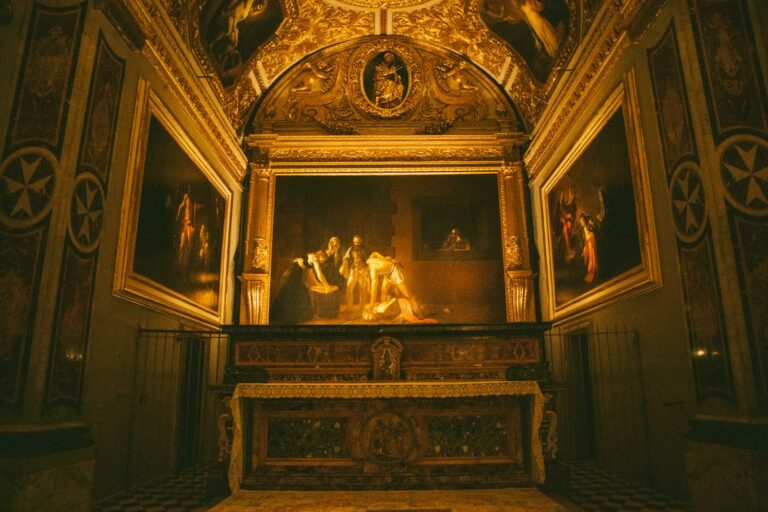
Valletta itself is a 16th-century Baroque masterpiece — UNESCO-listed, walkable end-to-end in a morning, and full of palaces (the Grand Master's Palace, the Saint John's Co-Cathedral with Caravaggio's "Beheading of John the Baptist", the Casa Rocca Piccola). Three nights in Valletta with the rest of Malta as day-trips is the most efficient structure.
Malta's beaches divide by character. The north coast has the best sand — Mellieħa Bay, Golden Bay, and the Blue Lagoon on Comino (a half-day boat trip from the mainland). The south coast is rockier and more dramatic — Blue Grotto, Ġnejna Bay, the cliffs at Dingli. Gozo has Ramla Bay's red sand and quieter coves like Wied il-Għasri.
The seasonal rhythm: Malta has the longest swimmable season of any Mediterranean island — sea-swimmable from late May to late October. April-June and September-November are the sweet spots; the November weather is genuinely warmer than southern Spain. July-August is hot (33-35°C) and busy. December-March: cooler (15-18°C days) but Malta's cultural offering (Caravaggio, history, walking) works year-round.
Maltese food is the under-the-radar Mediterranean cuisine — a blend of Italian, Arabic and British colonial influences. Rabbit stew (fenkata) is the national dish; pastizzi (savoury pastries) are the breakfast and snack ritual; ftira (Maltese flatbread sandwich) is the working-lunch standard; and Marsovin and Meridiana are the local wines worth tasting.
Malta pairs naturally with Sicily (1h flight from Malta to Catania), Italy and the Greek islands (cruise circuits). Within Malta, 7 days covers the headlines plus a Gozo overnight; 4 days is the minimum to do justice without rushing.
From the team
Why we love Malta

Malta is the small Mediterranean country I send people to when they want a relaxed Mediterranean cultural break with English signage and short flights. It's deceptively small — you can drive end-to-end in 45 minutes — but the cultural density per square mile is the highest in the Mediterranean.
My quiet recommendation: include Gozo. Take the ferry across on day three or four, stay one night in Xagħra or Marsalforn, walk to a hidden bay for sunset. That's the Malta trip that comes home as a love affair.
Rossella Rossella, Luxury & Destination Specialist Meet our Travel DesignersMain areas
Where to go in Malta
4 distinct regions — they pair beautifully two or three at a time.
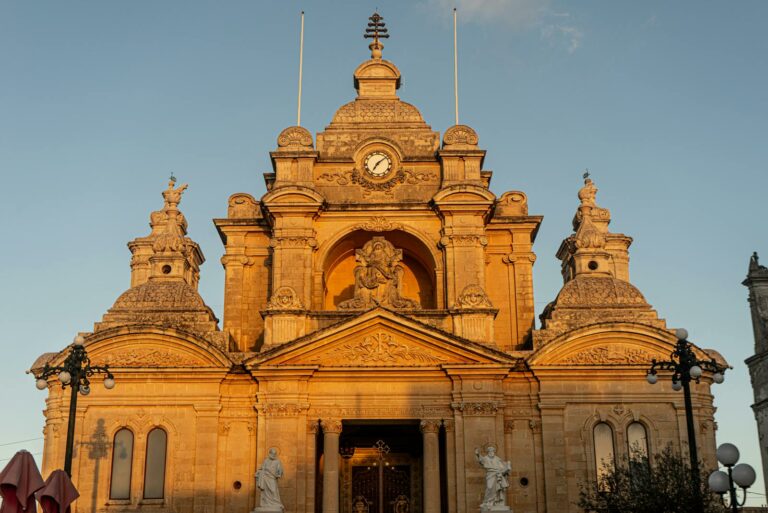
Valletta & the Three Cities
Valletta
Vittoriosa
Senglea
Cospicua
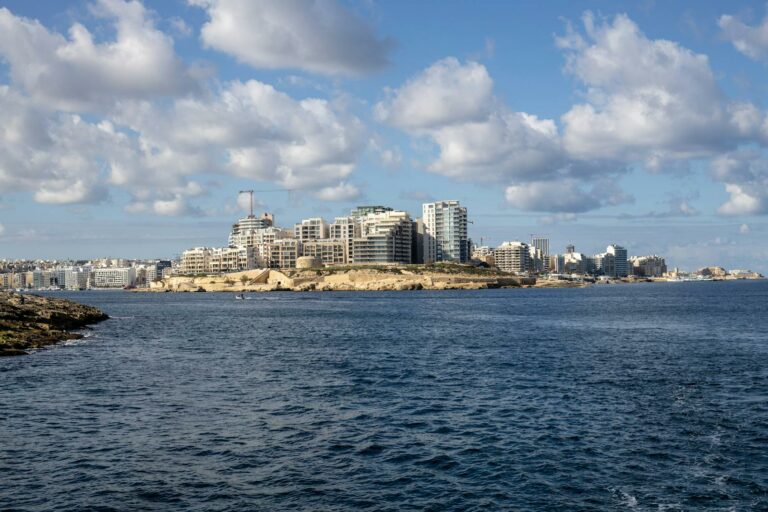
Sliema, St Julian's & the Northeast
Sliema
St Julian's
Paceville
Mellieħa
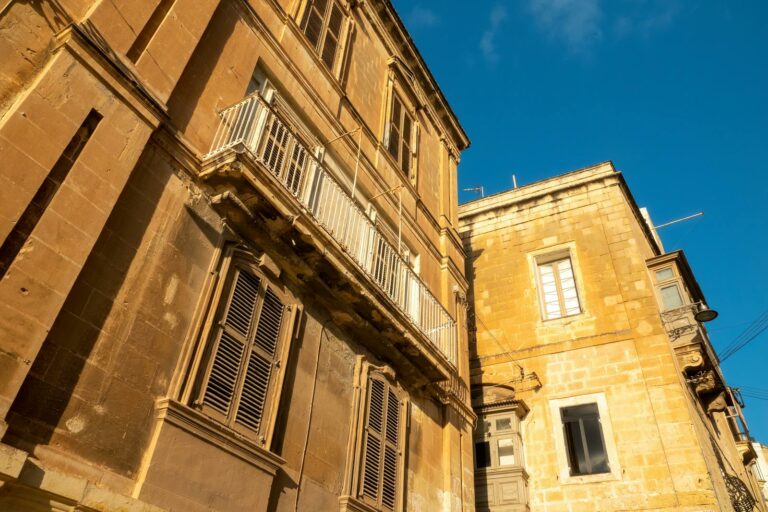
Mdina & Central Malta
Mdina
Rabat
Mosta
Dingli
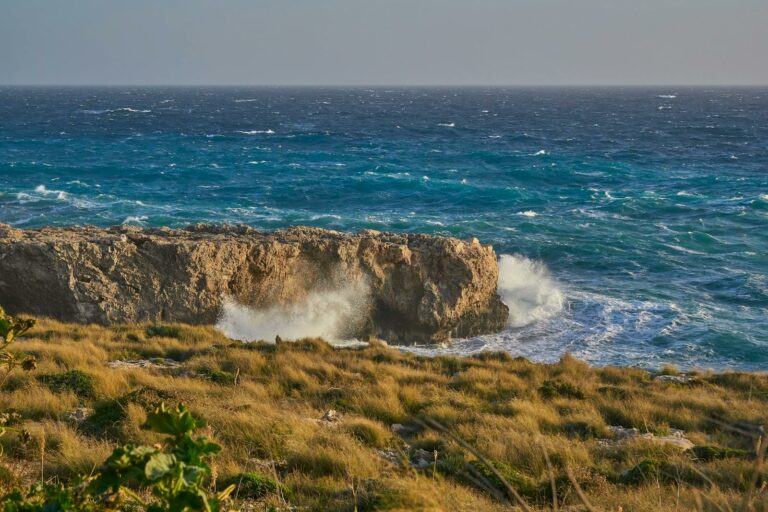
Gozo
Victoria
Xagħra
Marsalforn
Ramla Bay
Find your trip
Holiday types in Malta
Pick a holiday style — or combine two. Each section links straight to the next step.
Beach holidays
Beach destinations grouped by resort area — pick the cluster that matches your pace.
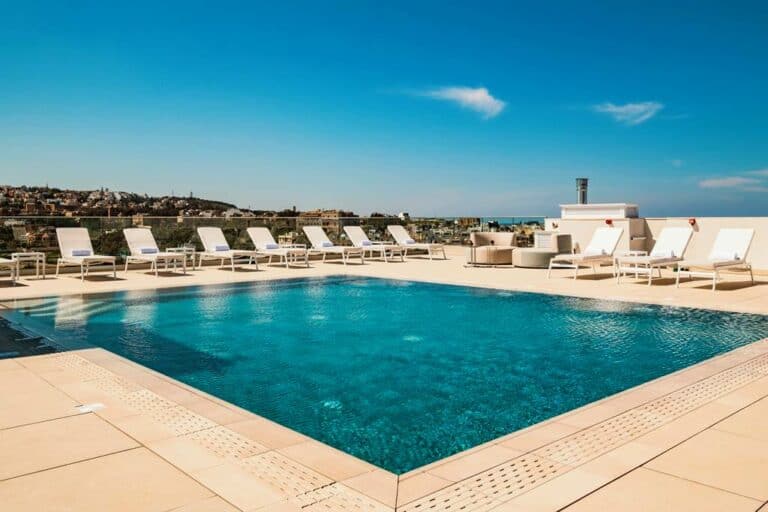
AC Hotel by Marriott St Julians
Malta and Gozo
See hotel →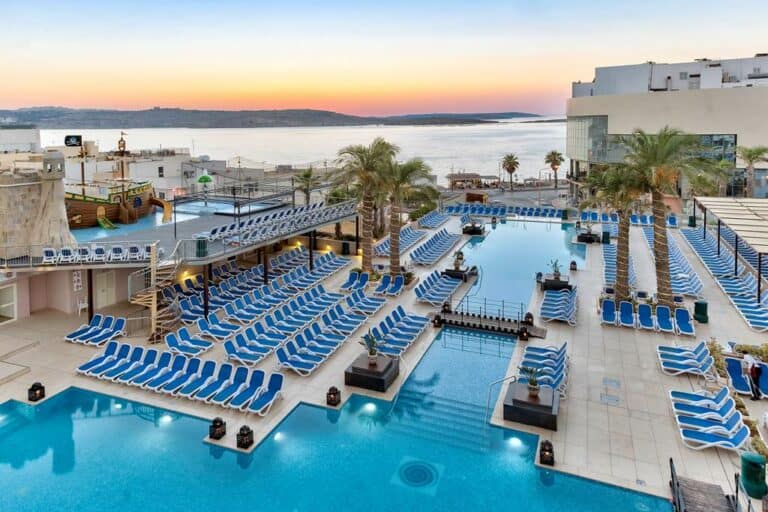
db San Antonio Hotel & Spa
Malta and Gozo
See hotel →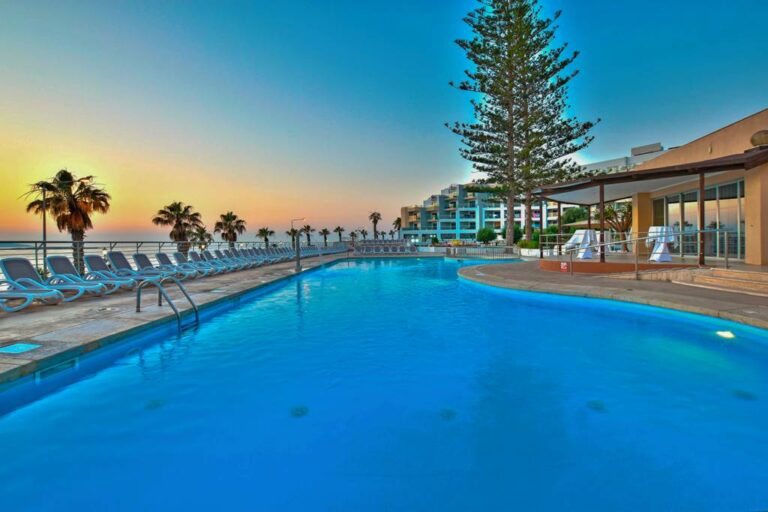
DoubleTree by Hilton Malta
Malta and Gozo
See hotel →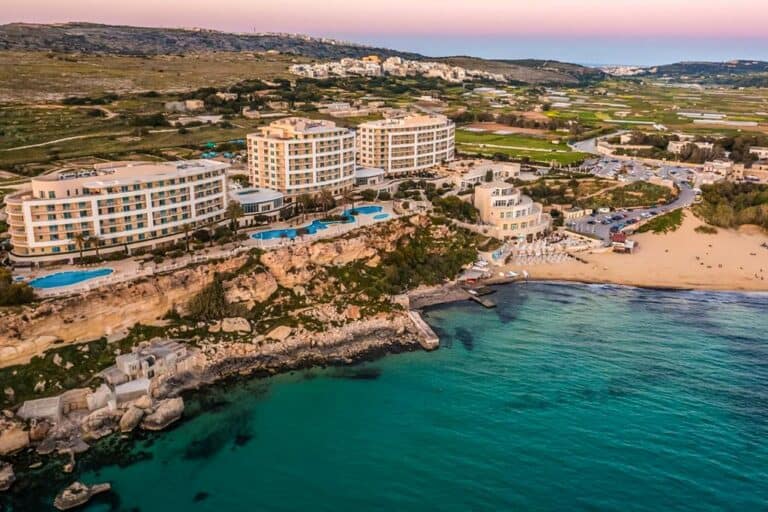
Radisson Blu Resort & Spa Malta Golden Sands
Malta and Gozo
See hotel →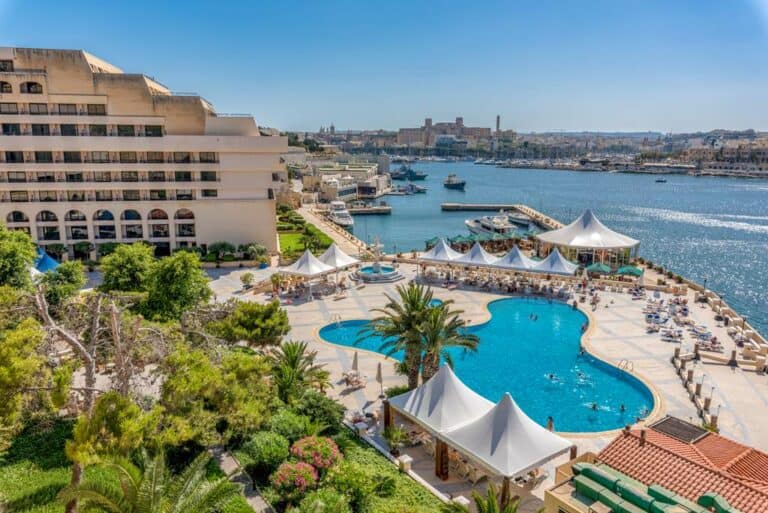
Grand Hotel Excelsior
Malta and Gozo
See hotel →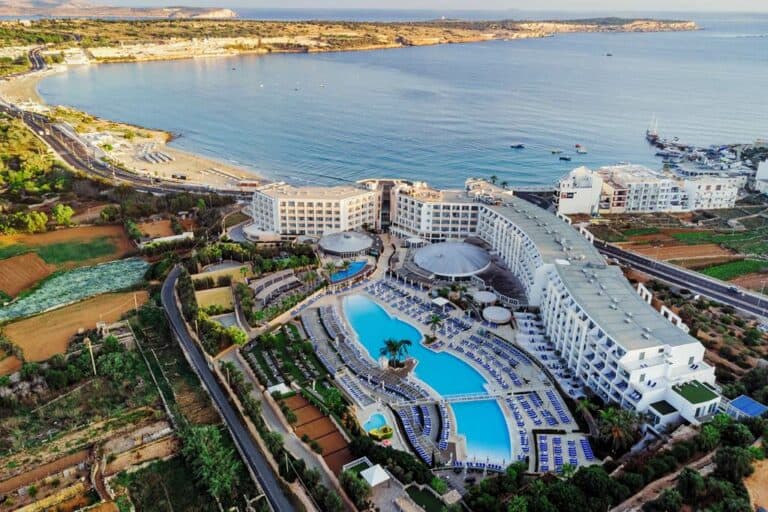
db Seabank Resort & Spa
Malta and Gozo
See hotel →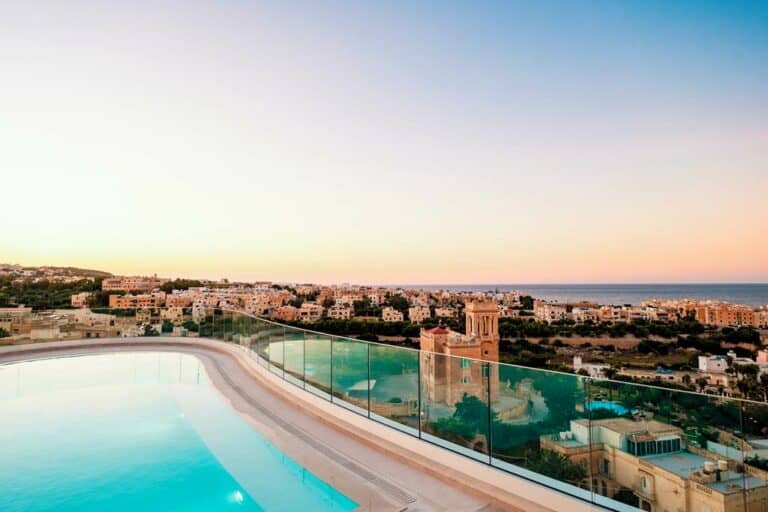
Hyatt Regency Malta
Malta and Gozo
See hotel →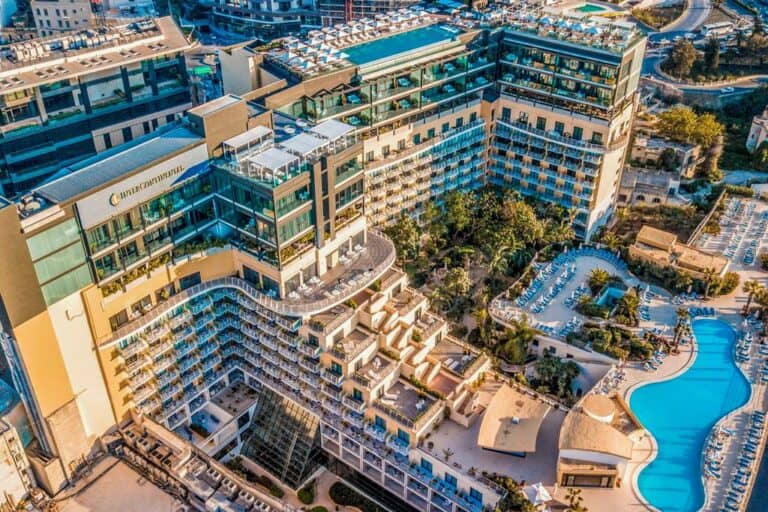
InterContinental Malta
Malta and Gozo
See hotel →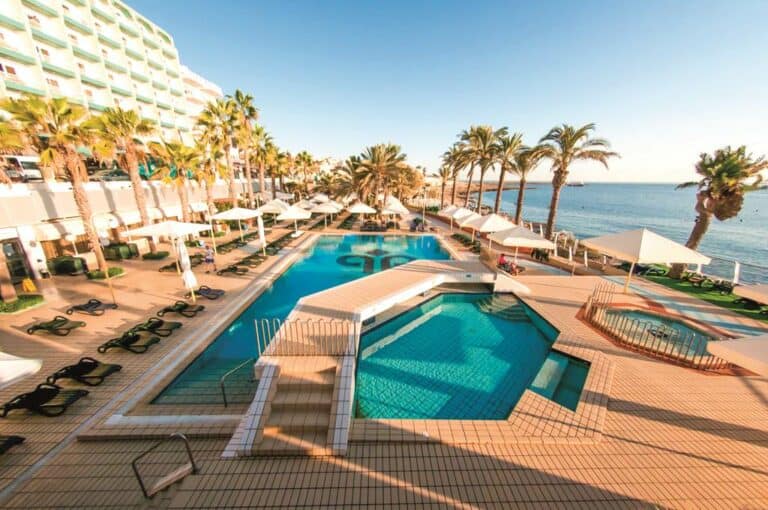
Qawra Palace Resort & Spa
Malta and Gozo
See hotel →City breaks
Malta's cities reward 2-4 nights each — pair two for a tailor-made multi-centre trip.
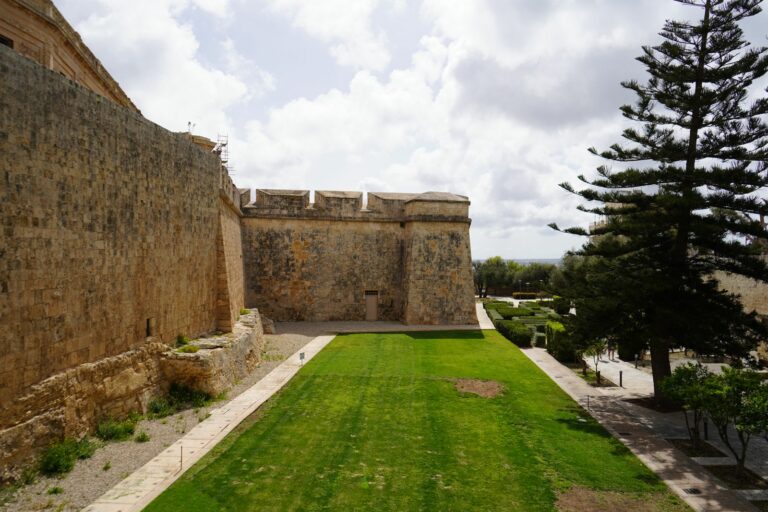
Mdina
Cruises
Valletta is one of the great Mediterranean cruise ports, sitting at the strategic centre of the Mediterranean basin. Most 7-night Western Mediterranean cruises call here; some embark from here. Many travellers pair a 7-night cruise with a 3-4 night Maltese land-stay using Valletta or Sliema as the base.
Escorted tours
17 escorted tours through Malta — guided, customisable, fully ATOL-protected.
Every Travelisto tour runs with a small group (max 16), an English-speaking local leader, and is fully ATOL-protected. Most tours are also bookable as private departures — same itinerary, your party only, your dates.
Tailor-made
Everything you see above is a starting point — we'll shape any of these around how you actually want to travel.
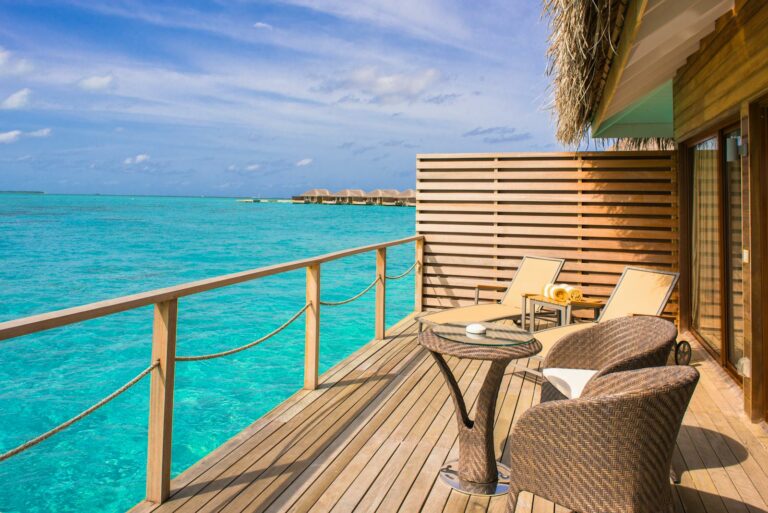
Bespoke Malta and Gozo itinerary
Pick your headlines and we design the route, brief private guides, and book the hotels and transfers.
Enquire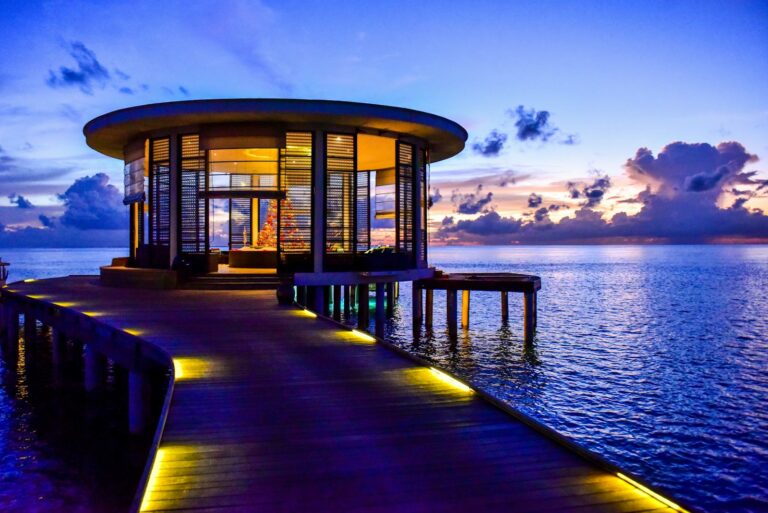
Multi-generational Malta and Gozo
A pace and accommodation style that suits three generations — connecting suites, slower-paced excursions, kid-friendly highlights.
Enquire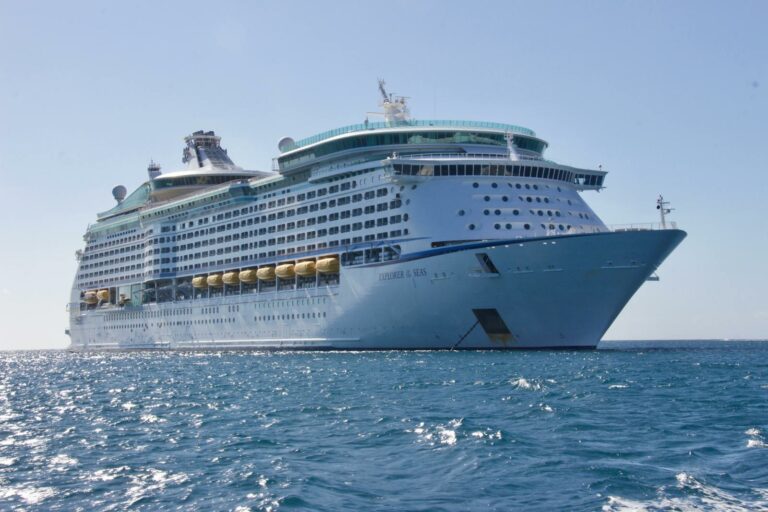
Malta and Gozo + cruise
Pair the headlines of Malta and Gozo with a 7-night Mediterranean or Atlantic cruise — booked end-to-end with us.
Enquire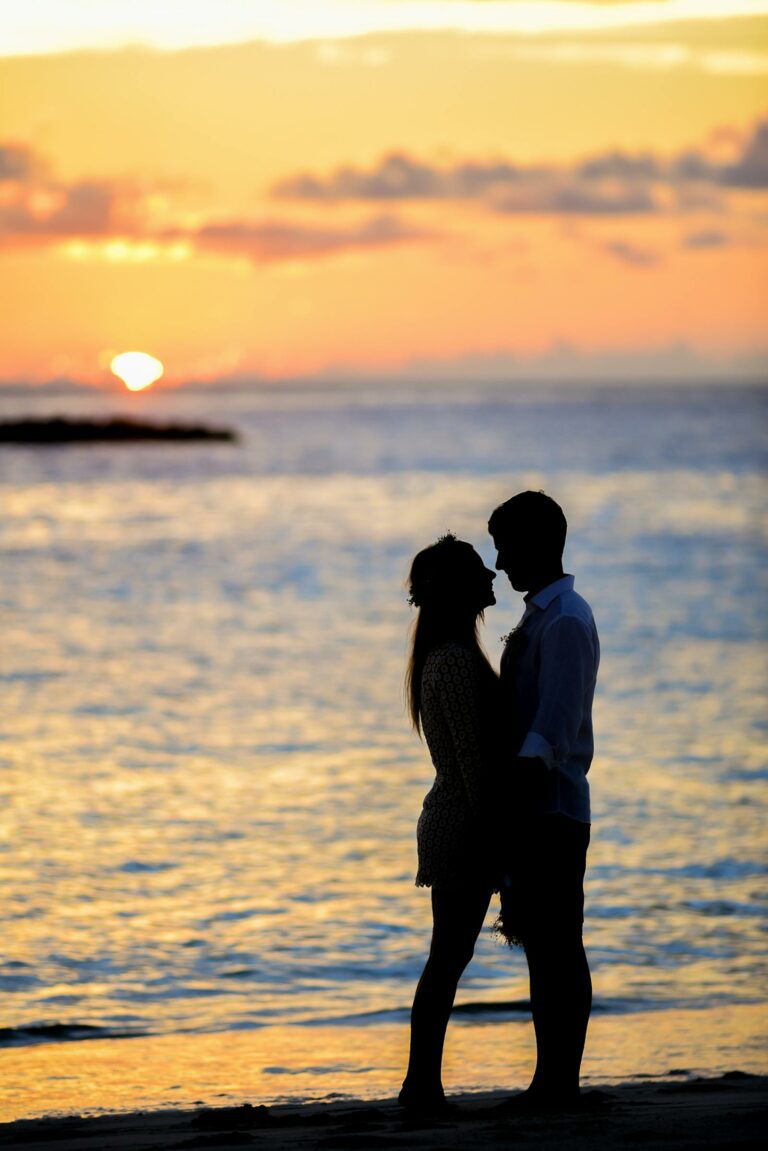
Honeymoon or special celebration
A milestone trip with the romantic flourishes quietly arranged.
EnquirePractical info
Knowing before you go
When to go
Jan
16°
Feb
16°
Mar
18°
Apr
20°
May
24°
Jun
29°
Jul
32°
Aug
32°
Sep
28°
Oct
25°
Nov
21°
Dec
17°
Malta has the longest swimmable season in the Mediterranean — sea genuinely warm from late May to late October. April-June and September-November are the sweet spots. November is warmer than southern Spain in winter. July-August is hot (33°C) and busy. December-March: cooler (15-18°C) but cultural Malta works year-round.
Flights & how to get there
Direct flights from most UK airports to Malta (Luqa) — typically 3h. Hire cars are useful for the south and Gozo; the bus network covers the headlines reliably and cheaply. The Gozo ferry from Ċirkewwa takes 25 minutes, runs every 45 minutes. Drive on the left — a UK colonial legacy.
Visa & passport
UK passport holders can stay 90 days in any 180-day period under Schengen rules (Malta is in the EU and Schengen). ETIAS from 2026. Check current rules at GOV.UK Foreign travel advice: Malta.
Currency & money
The Euro (€). Card payments universal. Tipping: round up the bill, 10% on a full restaurant meal.
Language & tipping
Maltese and English — both official. English is universally spoken; Maltese is a Semitic language (related to Arabic) with Italian loanwords, fascinating to listen to.
Health & safety
No mandatory vaccinations. EU healthcare reciprocal arrangements apply with a UK GHIC card. Tap water is technically safe but locals drink bottled. Buy comprehensive travel insurance before you travel.
FAQs
Malta — your questions
When is the best time to visit Malta?
April–October. May, June and September are loveliest. July–August is hot and crowded.
Do I need a visa for Malta?
Schengen 90/180 day rule applies for UK passports; ETIAS from its launch.
Is Gozo worth a separate visit?
Yes — Gozo is quieter, greener, more rural than the main island. A 2-night stay is rewarded.
Make this trip yours
Plan your Malta holiday with a Travel Designer
Pick from any of the options on this page or tell us what you have in mind — we'll build it around how you actually like to travel. ATOL protected, flights included, real humans available 9am–7pm.
ATOL protected
100% financially protected in a Trust bank account
PTS 6035
4.7 on Trustpilot