

Travelisto destinations
Greece holidays
Cycladic blue-and-white, Athens' Acropolis, Cretan villages and 6,000 islands — Greece for first-timers and Greece for repeat visitors.
Overview
Welcome to Greece
Greece is the original Mediterranean holiday country. It invented the idea — beach, ruins, simple grilled fish, late-evening meals on a terrace by the water — and after 4,000 years of practice it still does it better than anywhere else. What surprises UK travellers who think they "know" Greece (because they did Mykonos in 2008) is how dramatically different one Greek island, region or season can be from the next.
The Cyclades are the postcard Greece — Santorini's caldera, Mykonos's nightlife, Paros and Naxos for slower travellers — but the lesser-told story is the Ionian Islands on the west (Corfu, Kefalonia, Zakynthos with the famous Navagio Beach), greener and more wooded, and the Dodecanese in the east (Rhodes, Kos, Symi) closer to Turkey with bigger medieval old towns. For pure beach scale, Crete is its own world; for short flights and resort comfort, Halkidiki in the north is unbeatable.
Read more
Mainland Greece is where many travellers don't go — and where they should. Athens has had a remarkable cultural decade (great food, walkable neighbourhoods like Koukaki and Pangrati, the Acropolis Museum is one of Europe's best). The Peloponnese delivers archaeological depth (Mycenae, Olympia, Epidaurus) plus dramatic Mani coastline. Northern Greece — Thessaloniki, Meteora's monasteries on rock pillars, Halkidiki's three-finger peninsula — is the food-and-coastline angle few package travellers find.
The seasonal rhythm matters. May, June, September and October are the prime months — warm sea, manageable crowds, evening dinners outside. July and August are reliably hot (over 35°C inland, mid-20s sea), busy on Mykonos and Santorini, and pricey. The shoulder season is genuinely the better Greece. October still gets sea-swimmable in the south. November to April is the off-season — most islands shut down, but Athens, Thessaloniki and Crete's cities work year-round as breaks.
The island-choosing question we get most often is "Mykonos or Santorini?" The honest answer is "neither, on their own" — both are best as part of a multi-island itinerary. Santorini for the sunset and 2 nights; Mykonos for the beaches and 2 nights; Paros or Naxos to break them up for 3 nights. The ferries are fast, frequent and beautiful. For families, Crete plus a Cycladic island works brilliantly. For couples, Santorini plus Folegandros plus Milos is one of our quiet favourites.
Greek food is genuinely one of the great Mediterranean cuisines and not as well-known outside Greece as Italian or Spanish. The grilled-fish, olive-oil, salt-and-lemon simplicity is part of it; the regional depth — Cretan dakos, Macedonian bougatsa, Mykonian louza, Santorinian fava, Peloponnesian honey, mountain herbs everywhere — is the part that travellers come home pleasantly obsessed with. Most of our designers route at least one food-led night through every Greek trip.
Greece pairs naturally with Turkey (a 2-hour ferry from Kos to Bodrum, or an Aegean cruise that does both), with Italy via the Adriatic (Ancona-Patras ferry, or a flight Athens-Rome), and with Albania for shoulder-season travellers wanting the next-Greece value. Within Greece itself, 14 days lets you do mainland + 2 islands properly; 7 days is one island plus Athens.
Best time
May–Oct (peak Jul–Aug)
Flight from UK
~3½–4h to Athens
Currency
Euro (€)
Language
Greek
From the team
Why we love Greece

Greece is the country I send people to when they say they want "a proper holiday" — meaning sun, sea, real food, late dinners, and the sense that nothing important is happening except you. The mistake travellers make is doing one island for 7 nights and feeling they've seen Greece. Greece is a country you island-hop through.
My quiet recommendation: book 2 islands plus Athens for a first trip. Pair a "famous" island (Santorini or Mykonos for 2-3 nights, mostly for the look of it) with a "real" island (Paros, Naxos, Folegandros or Milos, for 4-5 nights to actually relax). Athens beginning or end, 2 nights. That's the Greece trip that comes home as a story, not a sunburn.
Rossella Rossella, Luxury & Destination Specialist Meet our Travel DesignersMain areas
Where to go in Greece
6 distinct regions — they pair beautifully two or three at a time.
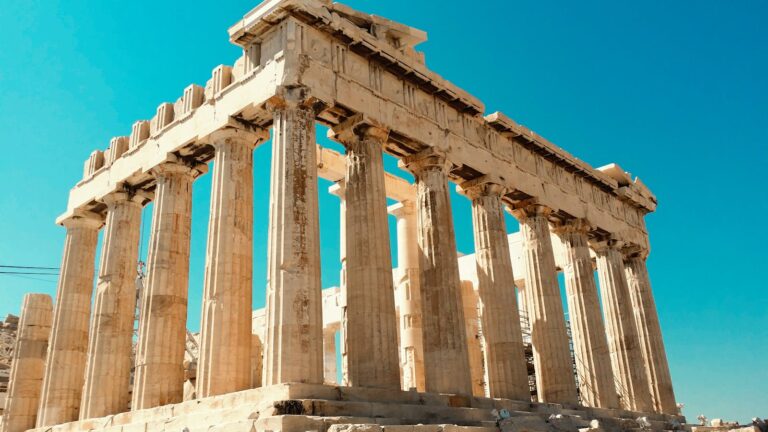
Athens & Attica
Athens
Plaka
Koukaki
Cape Sounion
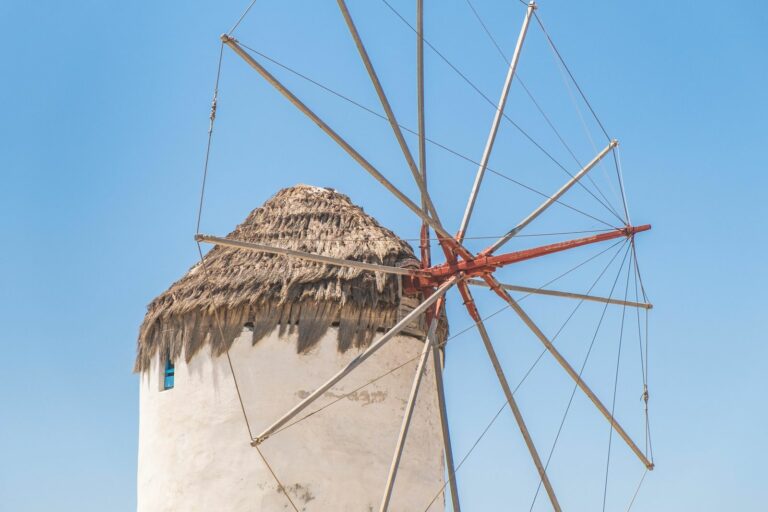
Cyclades — Santorini, Mykonos & Paros
Santorini
Mykonos
Paros
Naxos
Milos
Folegandros
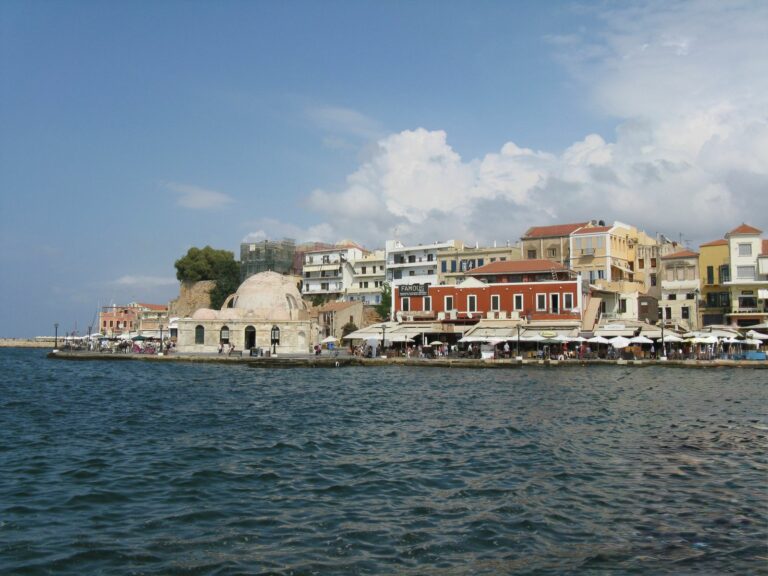
Crete
Chania
Rethymno
Heraklion
Elounda
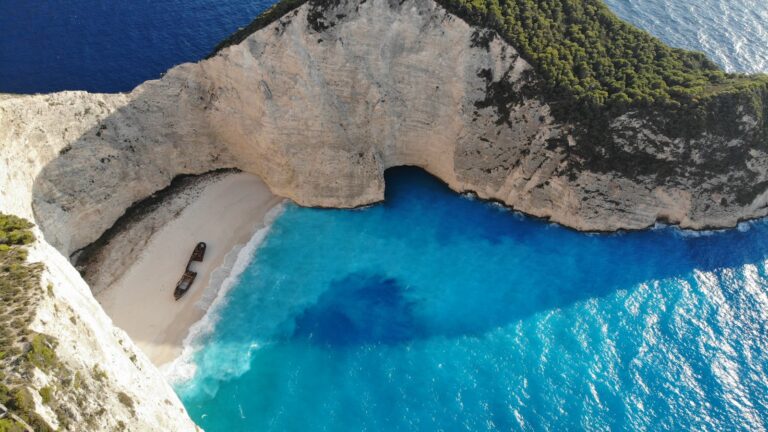
Ionian Islands
Corfu
Kefalonia
Zakynthos
Lefkada
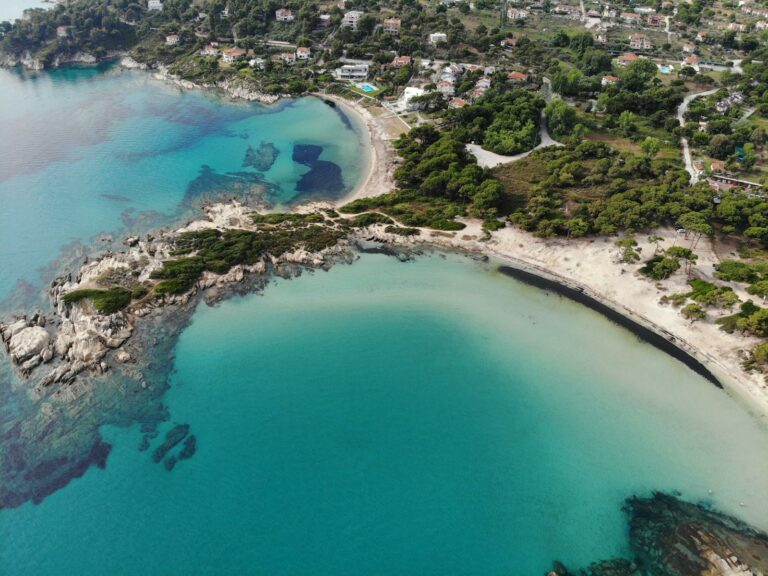
Halkidiki & Northern Greece
Halkidiki
Thessaloniki
Meteora
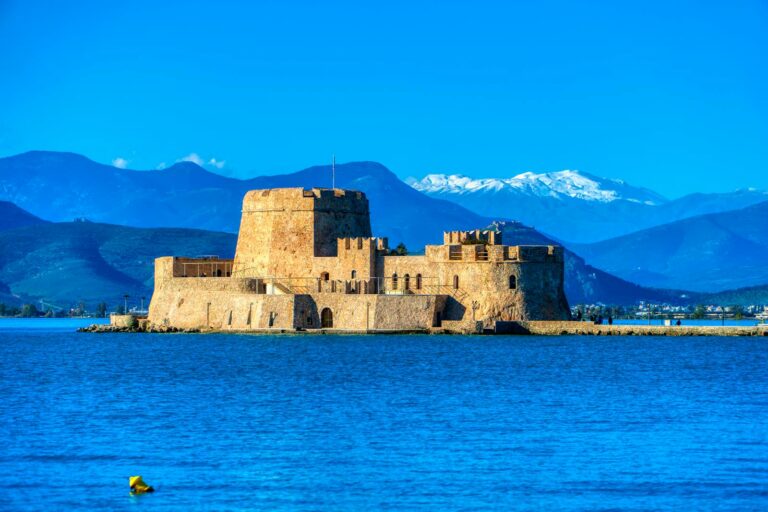
Peloponnese
Nafplio
Mycenae
Olympia
Mani
Monemvasia
Find your trip
Holiday types in Greece
Pick a holiday style — or combine two. Each section links straight to the next step.
Beach holidays
Beach destinations grouped by resort area — pick the cluster that matches your pace.
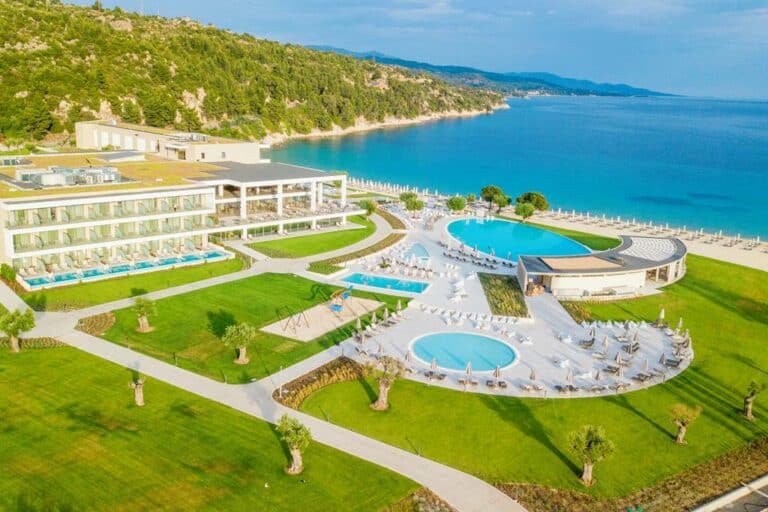
Ammoa Luxury Hotel & Spa Resort
Greece
See hotel →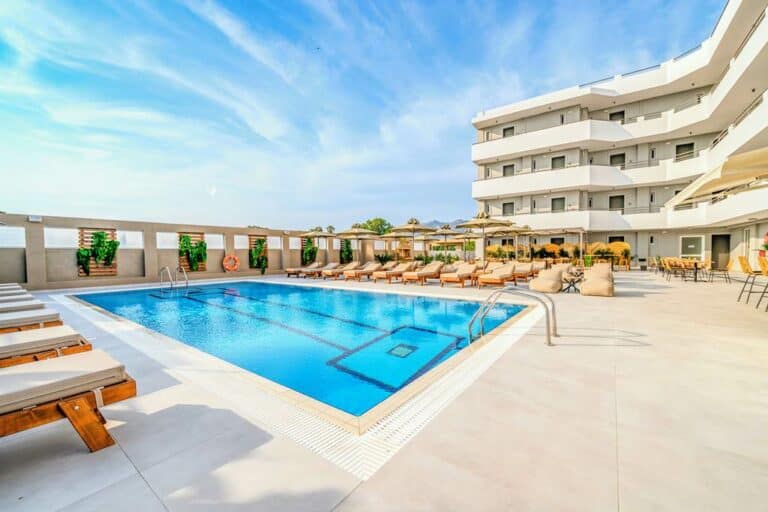
Nicolas Grand Suites
Greece
See hotel →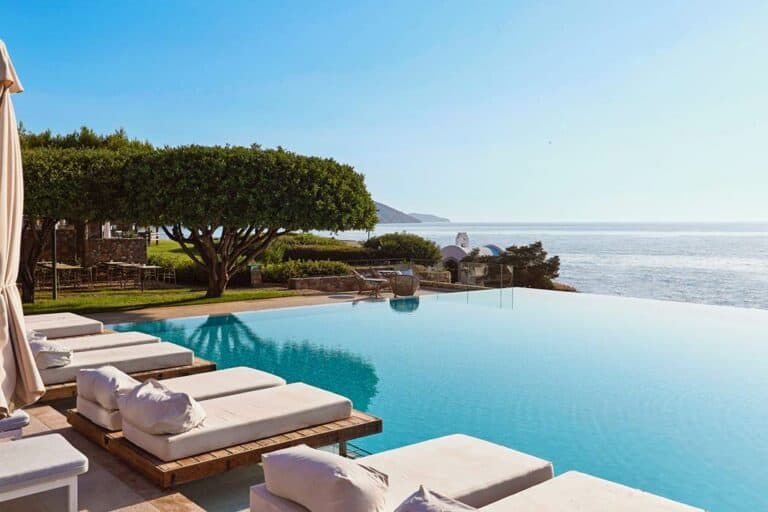
St Nicolas Bay Resort Hotel and Villas
Greece
See hotel →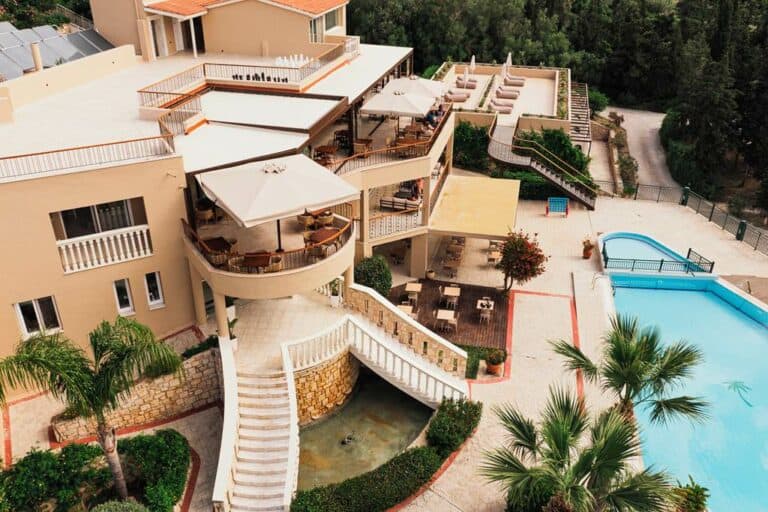
Gerakas Belvedere Hotel & Spa
Greece
See hotel →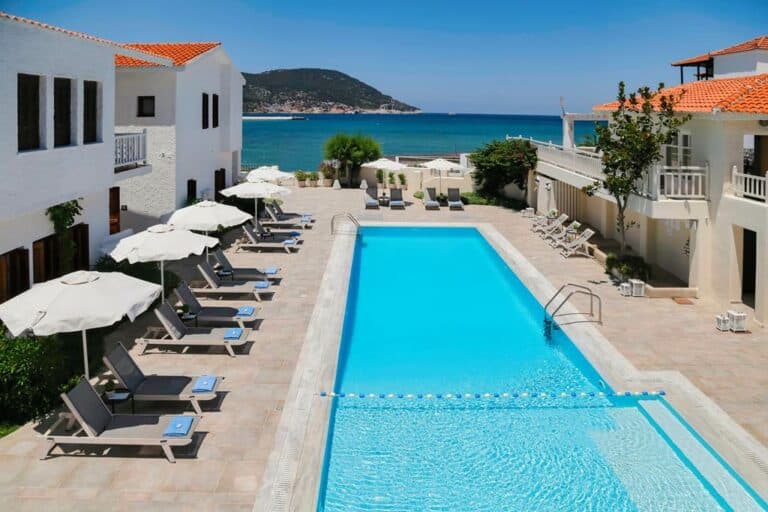
Skopelos Village Resort
Greece
See hotel →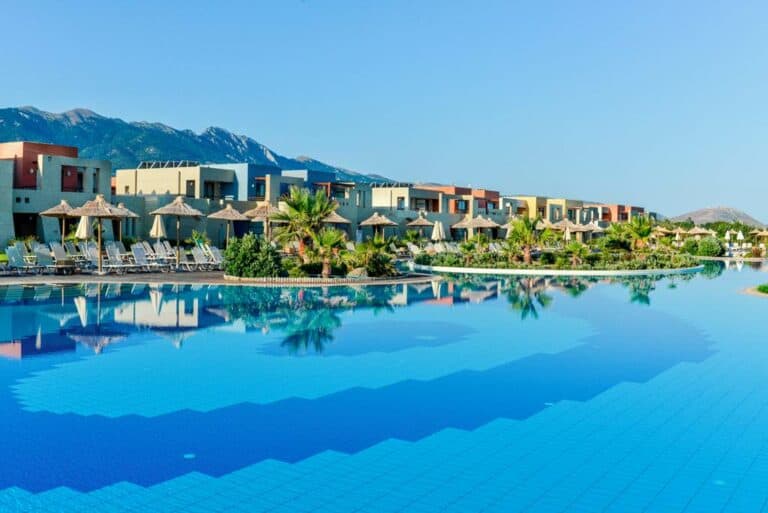
Astir Odysseus Resort & Spa
Greece
See hotel →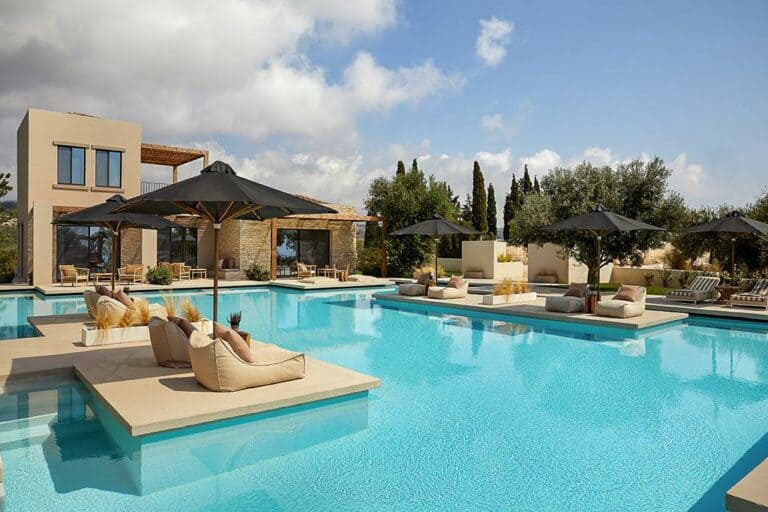
Aelia Suites
Greece
See hotel →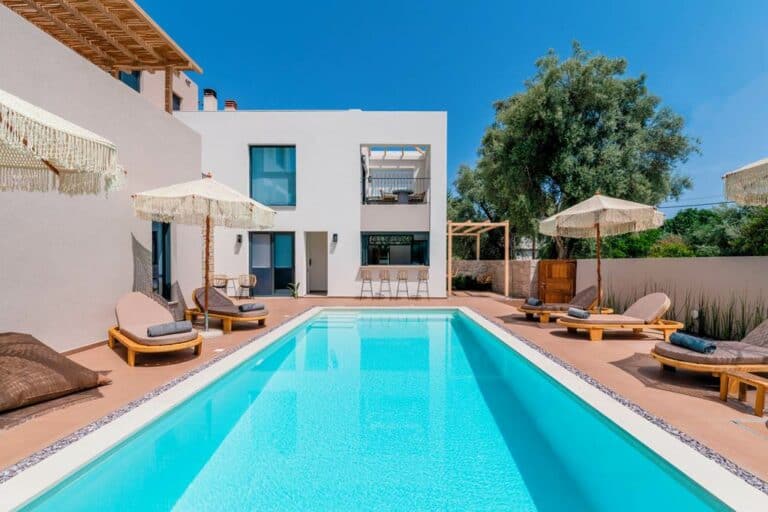
13 Keys Luxury Suites
Greece
See hotel →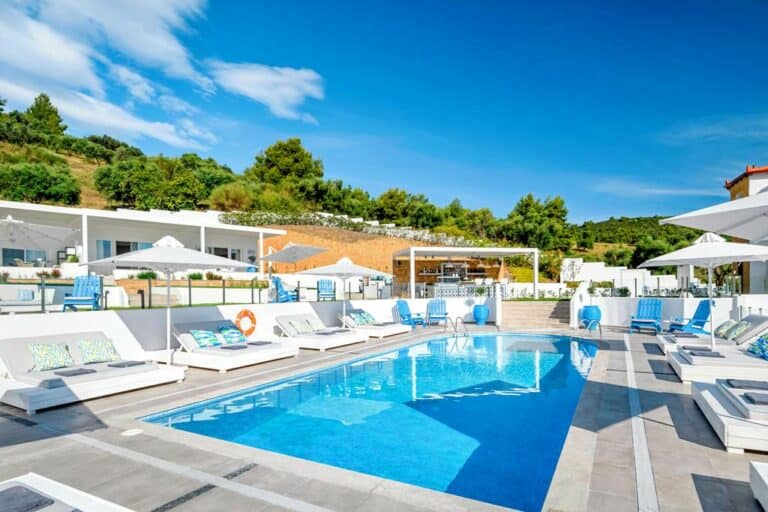
Villa D’oro Luxury Villas & Suites
Greece
See hotel →City breaks
Greece's cities reward 2-4 nights each — pair two for a tailor-made multi-centre trip.
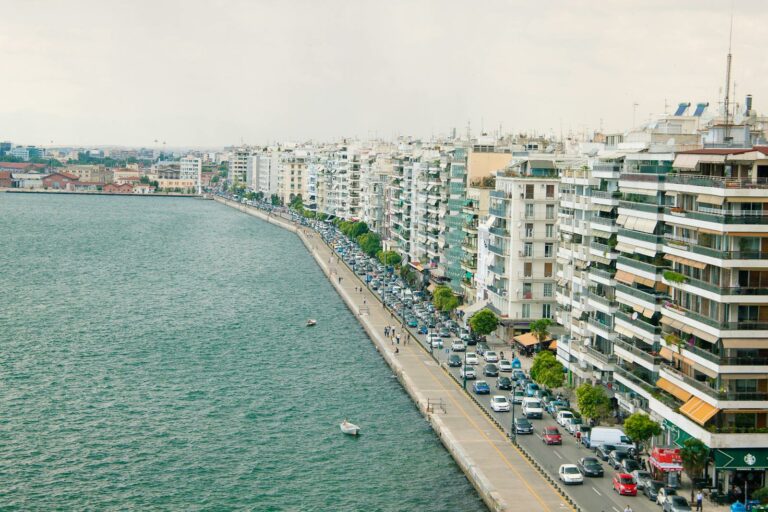
Thessaloniki
Cruises
Greece is the heart of Mediterranean cruising. The most-loved 7-night Aegean loops sail from Piraeus through Santorini, Mykonos, Rhodes, Crete and Turkey's Ephesus, with longer cruises extending into the Adriatic or the Holy Land. Many travellers pair a cruise with 3-4 nights in Athens before, or a beach week on Crete or Halkidiki afterwards.
Escorted tours
60 escorted tours through Greece — guided, customisable, fully ATOL-protected.
Every Travelisto tour runs with a small group (max 16), an English-speaking local leader, and is fully ATOL-protected. Most tours are also bookable as private departures — same itinerary, your party only, your dates.
Tailor-made
Everything you see above is a starting point — we'll shape any of these around how you actually want to travel.
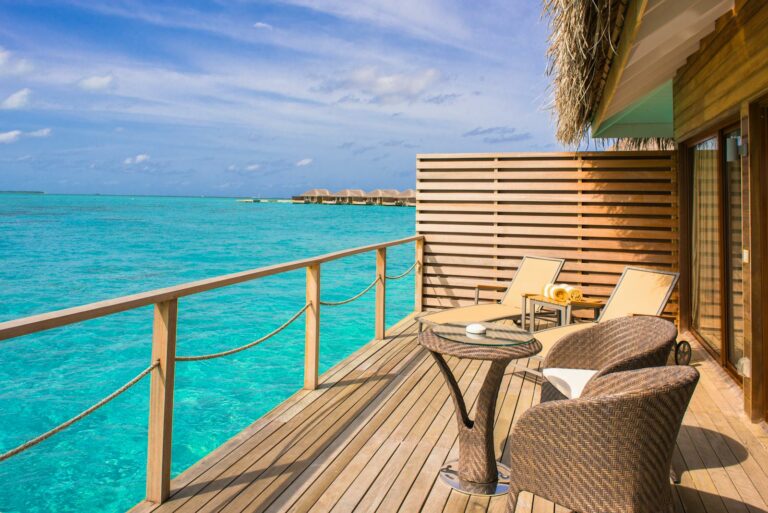
Bespoke Greece itinerary
Pick your headlines and we design the route, brief private guides, and book the hotels and transfers.
Enquire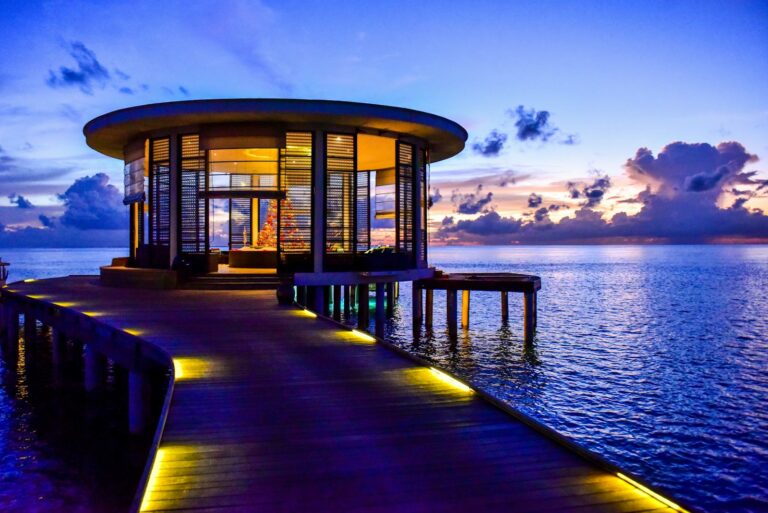
Multi-generational Greece
A pace and accommodation style that suits three generations — connecting suites, slower-paced excursions, kid-friendly highlights.
Enquire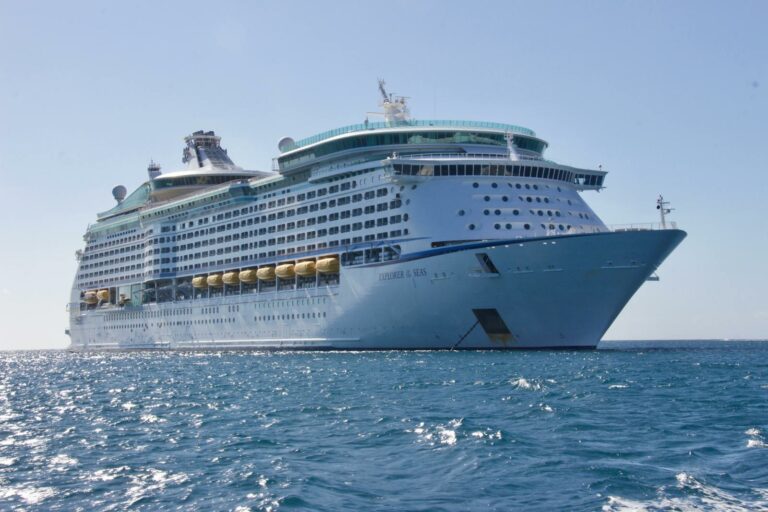
Greece + cruise
Pair the headlines of Greece with a 7-night Mediterranean or Atlantic cruise — booked end-to-end with us.
Enquire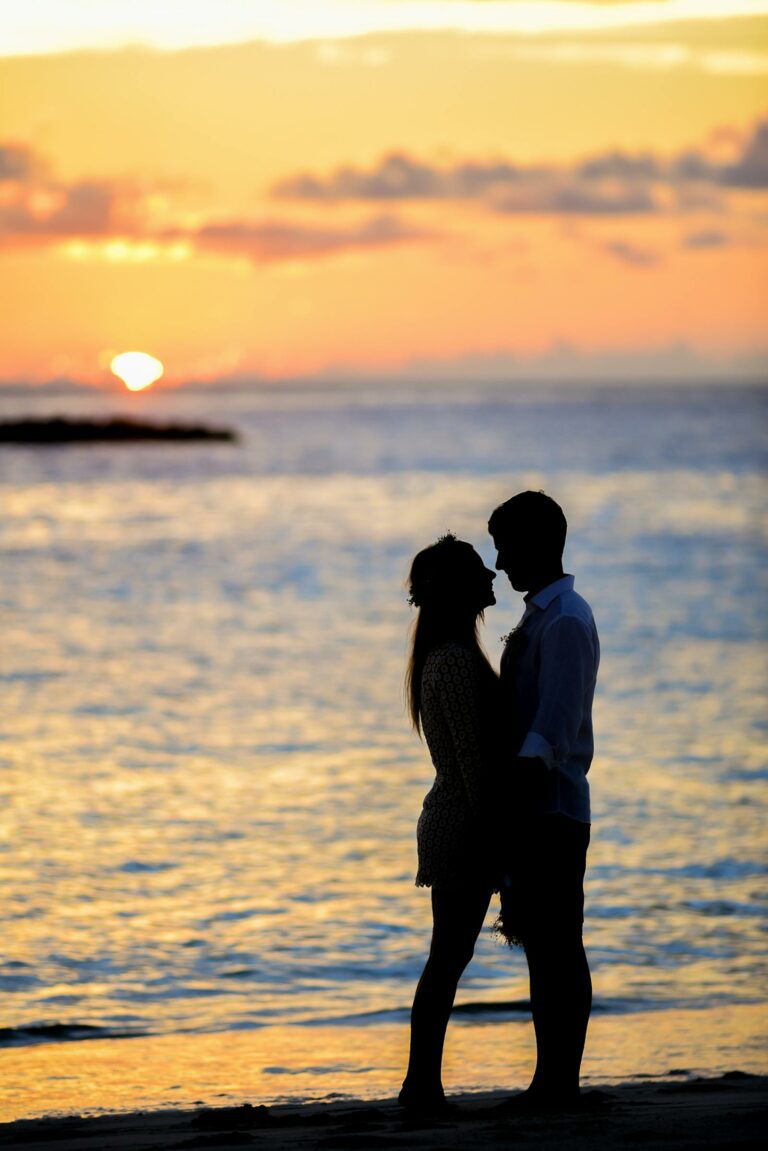
Honeymoon or special celebration
A milestone trip with the romantic flourishes quietly arranged.
EnquirePractical info
Knowing before you go
When to go
Jan
13°
Feb
14°
Mar
16°
Apr
20°
May
25°
Jun
30°
Jul
33°
Aug
33°
Sep
29°
Oct
23°
Nov
18°
Dec
15°
The shoulder months — May, June, September and October — are when Greece is at its best: warm sea (22-25°C), comfortable air temperature, evening dinners outside, and crowds well below July and August. Peak summer (July-August) is reliably hot but very busy on Mykonos, Santorini and Rhodes, with hotel prices doubled. November to April most islands shut; Athens, Thessaloniki and Crete's major towns work year-round as city/cultural breaks. Crete has the longest swimmable season — early May to late October.
Flights & how to get there
Direct flights from all major UK airports to Athens (~3h 40m) and seasonally to Heraklion (Crete), Mykonos, Santorini, Rhodes, Kos, Corfu, Zakynthos and Kefalonia. Most multi-island trips route through Athens. Inter-island ferries — operated by Blue Star, Hellenic Seaways and SeaJets — are fast, frequent and a genuinely pleasant part of the trip. Domestic Aegean and SKY Express flights are cheap and quick for non-Cyclades islands.
Visa & passport
UK passport holders can stay 90 days in any 180-day period under Schengen rules — no visa required for tourist trips. Passport must be valid for at least 3 months beyond departure from Schengen. From the date ETIAS launches (expected 2026), UK travellers will need to apply online for a €7 travel authorisation. Check current rules at GOV.UK Foreign travel advice: Greece.
Currency & money
The Euro (€). Card payments widely accepted in tourist areas; carry some cash for rural tavernas, ferry kiosks and church donations. Tipping is appreciated — round up the bill, 10% on a sit-down meal. ATMs everywhere on the islands.
Language & tipping
Greek. English is universal in hotels, restaurants and tour services across the islands and Athens; less so in remote mountain villages on the mainland. Greek script (different alphabet) takes a day to navigate — bus and ferry signage usually includes English.
Health & safety
No mandatory vaccinations. EU healthcare reciprocal arrangements apply with a UK GHIC card — bring one alongside comprehensive travel insurance. Tap water is safe across mainland Greece and Crete; on some Cycladic islands, bottled water is preferred. Buy comprehensive travel insurance before you travel.
FAQs
Greece — your questions
When is the best time to visit Greece?
Late May–early July and September are the sweet spots — warm sea, manageable crowds, lower prices. August is hottest and busiest. April and October are mild but the sea is cooler.
Which Greek island should I choose?
Santorini for views and honeymoons (busy). Mykonos for nightlife. Crete for size and variety. Naxos and Paros for families. Milos, Folegandros and Sifnos for off-the-tourist-path Cyclades.
Can I island-hop on a budget?
Yes — Greek inter-island ferries (Blue Star, SeaJet) are practical and affordable. We routinely build 3-island Cyclades trips that move every 4–5 days.
Is Greece good for families?
Yes — Naxos, Paros and Crete particularly. Family tavernas, gentle waters, archaeological sites that fascinate older kids (Knossos in particular).
Do I need a visa for Greece?
UK passport holders can stay 90 days in any 180-day period (Schengen). ETIAS authorisation required from its launch (expected 2026).
Make this trip yours
Plan your Greece holiday with a Travel Designer
Pick from any of the options on this page or tell us what you have in mind — we'll build it around how you actually like to travel. ATOL protected, flights included, real humans available 9am–7pm.
ATOL protected
100% financially protected in a Trust bank account
PTS 6035
4.7 on Trustpilot